
The teddy bear toy poodle haircut styles represent a specialized grooming approach where the body fur is clipped to a uniform length (typically 1 to 2 inches), while the facial hair is meticulously hand-scissored into a perfect round, voluminous shape to mimic a plush teddy bear.
As a dedicated Pet Parent who lives and breathes dog care, I completely understand the mixed feelings of dealing with your fur baby’s voluminous, curly coat. Our Toy Poodles are true family members and an absolute source of daily comfort. However, before we style them to look like the ultimate teddy bear, we must upgrade our perspective from pure aesthetics to a medical and scientific understanding of their skin health.
⚡ Quick Take – What You Will Learn:
- • 4 Iconic Styles: A complete visual breakdown and comparison chart of the top teddy bear variations tailored for Toy Poodles.
- • Science-Based Care: Professional anti-matting routines and skin hygiene standards to keep the plush coat healthy at home.
- • Salon Grooming Script: Exact communication tactics and keywords to tell your groomer to ensure perfect results every time.
Teddy Bear Toy Poodle Haircut Styles! Quick Comparison Chart
| Haircut Variation | Body Fur Length | Ideal Season/Candidate | Key Visual Feature | Home Maintenance Level |
|---|---|---|---|---|
| Classic Uniform | 1.0 – 2.0 inches | Proportioned Poodles / Year-round | Perfect 360° round donut face | Moderate (Regular brushing) |
| Summer Lightweight | 0.25 – 0.5 inches | Hot weather / High-energy pups | “Bobblehead” contrast, thin ears | Low (Easy to clean) |
| Romantic Lamb Leg | 0.25 – 0.5 (Body) | High-fashion / O-leg correction | A-shape flare legs (Bell bottoms) | High (Daily steel combing) |
| Gender & Color Tailored | Customized | Dark coats or specific gender | High-contrast outlines & shapes | Varies |
📋 Table of Contents
Main Teddy Bear Cut Variations & Visual Characteristics
To accommodate seasonal shifts, unique canine builds, and your personal aesthetic preferences, the classic look has evolved into four clinical variations.
1. The Classic Uniform Teddy Bear Style (The Standard Version)
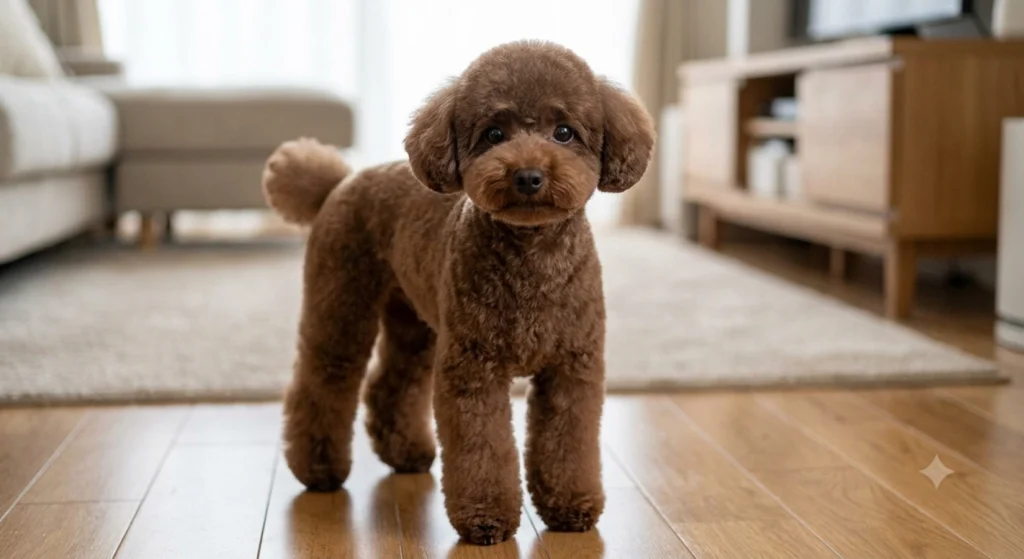
This is the foundational style that fulfills the ultimate "plush toy" fantasy.
Ideal Candidates: Perfect for balanced, proportioned Toy Poodles whose parents can commit to regular home coat care.
Core Styling Profile:
- Uniform Length: The torso and limbs are clipped to the exact same length, strictly avoiding exaggerated flare legs or flying hairs.
- Perfectly Rounded Face: The muzzle fur is intentionally kept dense and hand-scissored into a fluffy sphere (donut face) to seamlessly camouflage the Poodle's naturally long snout.
- Perpetual Puppy Look: Trimming closely between the eyes and at the ear base visually shortens the face profile, bringing the facial features closer together for an innocent, puppy-like aesthetic.
Seamless Transitions: The entire look values smooth, fluid transitions, eliminating harsh scissor lines or choppy clipper marks.
Core Technical Specifications:
- Body Execution: Use professional clippers equipped with long guard combs, clipping smoothly in the direction of hair growth to establish a baseline of 1 to 2 inches.
- Facial Execution: Ditch the clippers entirely for the head. Meticulously, rely on straight and curved scissors to sculpt the face into a 360-degree round shape, erasing any sharp angles.
2. The Summer Lightweight Teddy Bear Cut
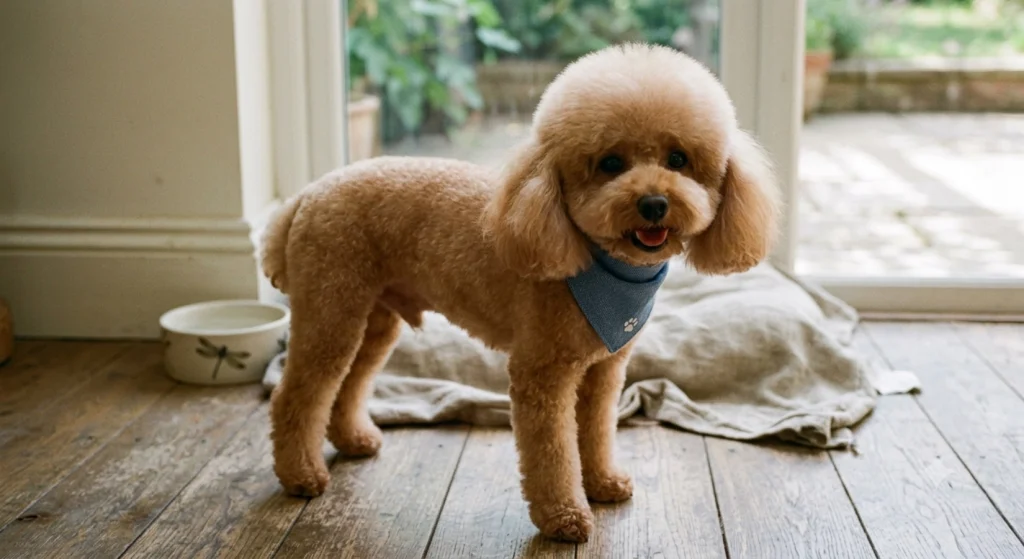
A highly functional modification designed to brave hot weather without sacrificing that signature adorable look.
Ideal Candidates: High-energy pups, hot summer months, or dogs prone to seasonal skin issues like hot spots.
Core Styling Profile:
- Bobblehead Balance: The head remains plush, wide, and rounded, but the body and limbs are slimmed down significantly, creating a cute "bobblehead" contrast.
- Ultra-Short Torso: The back and belly coat are tightly clipped down to just 0.25 to 0.5 inches, offering immediate coolness to the touch.
- Clean Limbs: Thick, heavy pillar legs are traded for clean, form-fitting leg trims. Stray hairs around the paws are tightly cleared to stop mud and burrs from sticking during walks.
- De-bulked Ears & Tail: The weight of the ears and tail is thinned out heavily with thinning shears, shortening the edges to create a light, bouncy silhouette.
Core Technical Specifications:
- Body Execution: Deeply thin out the coat from the neck down through the inner thighs, utilizing a short blade comb to maintain 0.25–0.5 inches for optimal heat dissipation.
- Transition Execution: Perform an advanced gradient blend at the neckline and limb joints, preventing abrupt steps between the short torso, the legs, and the round head.
Essential Summer Trimming
- Guardrails:Never Shave to the Skin: Avoid shaving completely bald! A dog’s fur serves as natural UV defense. Exposing bare skin directly to the sun invites solar dermatitis and escalates heatstroke risks.
- A/C Temperature Management: Pups fresh out of a lightweight trim are sensitive to temperature drops. When running home air conditioning, ensure the vents aren't blowing directly onto them to prevent respiratory chills.
3.The Romantic Lamb Leg & Boots Silhouette
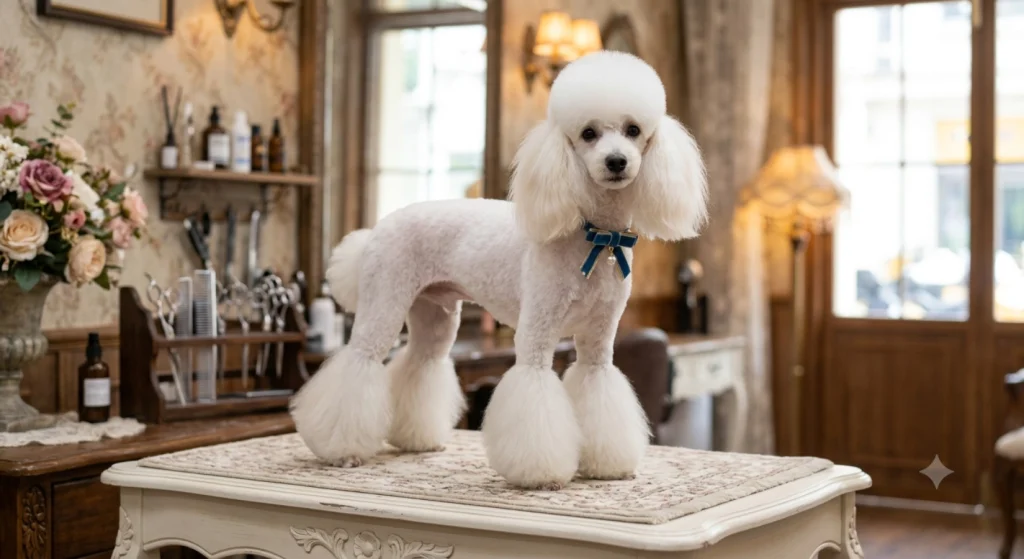
An advanced styling choice that weaves French romantic lines into an athletic frame, heavily testing a groomer's scissoring artistry.
Ideal Candidates: Perfect for parents seeking high-fashion aesthetics or wishing to optically correct minor skeletal issues like O-legs or X-legs.
Core Styling Profile:
- Visual Contrast: The body and upper thighs are clipped short, while the lower legs (from the stifle/hock joints downward) boast a dense, full column of hair.
- Flare Legs (Bell Bottoms):A gradual widening from top to bottom, fanning out in an A-shape that drapes completely over the paws like vintage bell-bottom pants.
- Lamb Legs (Pillar style): A softer, more rounded column. The lower leg fur is sculpted into plush cylinders, giving the pup an incredibly endearing, lamb-like look.
- High-End Camouflage: Highly decorative structural styling that expertly conceals thin bone structure or minor leg joint deviations.
Core Technical Specifications:
- Demarcation Point Placement: The ultimate make-or-break step. Set the boundary lines at the knee joints (forelimbs) and hock joints (hindlimbs). High placement elongates the legs; low placement maximizes playfulness.
- Upper Body Clipping: Uniformly clip the neck, back, chest, and upper thighs (typically leaving 0.25 to 0.5 inches) to ground a clean upper profile.
- Reverse Blow-Straightening: Leg fur must be blown out thoroughly in the reverse direction of growth while using a slicker brush. Even a hint of leftover wave will leave the final column looking uneven.
- Scissoring Bell Bottoms: Employ long straight shears, cutting at an outward angle from the demarcation point down. Leave the hair longest at the base, creating a perfectly level horizontal rim just above the floor.
- Scissoring Lamb Legs: Use curved shears to trim in a circular path around the lower limb, rounding the outer lines inward to mimic seamless, plush leg sleeves.
- Invisible Paw Pad Maintenance: Though the fur appears to graze the floor, the hair between the paw pads must be swept completely clean. Trim the outer rim exactly 1–2 mm above the ground to stop the dog from slipping on its own coat.
Groomer's Practical Tips:
- Matting Hotspot: Because lower leg fur is long and dense, it acts like a magnet for grass, twigs, and morning dew. Combined with walking friction, it must be combed through daily with a steel comb, or it will felt within a week.
- Post-Walk Care: Use waterproof boots outside, or quickly wipe down legs and paws after walks using convenient pet grooming glove wipes to clear away mud and debris before brushing.
1. Gender & Color Nuances
Content strategies must tailor styles to natural coat pigments and gender expressions to achieve true personalization.
Ideal Candidates: Tailoring to parents seeking enhanced feminine elegance, or solving the "silhouette void" common in deeply pigmented black coats.
The Female Paradigm (Emphasizing Soft Roundness):
Facial Reshaping: Strive for a flawless circle donut face. Shear the ear base to visually set the ears higher on the skull, mimicking a high ponytail look. Keep the cheek areas exceptionally plush to foreshorten the mid-face, maximizing that wide-eyed look.
Body Lines: Focus on smooth transitions and a defined waistline. Contour the lower back into a rounded, heart-shaped rump, while sweeping the underline upward into a clean tuck-up.
Limb Accentuation: The ideal companion for romantic flare legs. The swaying movement of bell-bottoms beautifully frames a female dog’s fluid gait.
The Male Paradigm (Emphasizing Structure & Presence):
Facial Reshaping: The muzzle trim should lean slightly more oval or geometric rather than perfectly circular. Clear the space between the eyes cleanly to display a crisp, confident gaze.
Body Lines: Square up the overall silhouette. Scissor the topline perfectly straight, keeping extra depth over the chest and shoulder blades to visually broaden the front chest, reinforcing a strong male posture.
Limb Accentuation: Best suited for uniform classic cuts or neat lamb columns, steering clear of ultra-flared styles to anchor an athletic presentation.
The Black & Dark Grey Paradigm (Mastering Silhouette Outlines):
The Absorption Challenge: True black coats naturally absorb light and swallow shadow contrast. When observing a black Toy Poodle, the human eye captures the outer silhouette first, rather than intricate inner facial details.
The High-Contrast Strategy: Intricate facial layering gets lost on black coats. Lean heavily into crisp, high-definition outlines (like the Summer Lightweight or sharp geometric boundaries). The outer edges must be flawlessly smooth with zero flyaways. Complement the look with vibrant accessories—like pastel bows, neon collars, or candy-colored hair clips—to shatter the visual void.
Scientific Canine Hair Care & Professional Standards
Achieving a stellar look means never compromising a dog's anatomical baseline. This blueprint integrates standards from leading veterinary and grooming authorities to protect skin health.
1. Anatomy & Sanitation Red Lines
The Industry Gold Standard: We fully incorporate the official guidelines of the PPGSA (Professional Pet Groomers & Stylists Alliance).
The entire bathing, blow-drying, fluffing, and scissoring workflow must strictly meet PPGSA’s Standards of Care, Safety and Sanitation. We reject any extreme styling techniques that jeopardize physical safety or cause mental distress.
Anatomical Care Safeguards: Following the rigorous protocols of AKC's (American Kennel Club) S.A.F.E. Groomer Certification, we safeguard critical physiological functions:
- Eye Safety & Tear Stain Control: Clear inner eye corners to prevent curly hairs from irritating the eye. Keep facial skin clean and free of tear buildup by gently wiping the muzzle area daily with mild, alcohol-free pet wipes.
- Paws: Hair between the paw pads must be neatly shaved clean. This preserves the pads' innate grip and thermal dissipation properties, protecting the pup from indoor slips that cause joint stress.
- Sanitary Areas: The groin and perianal zones must receive meticulous sanitary trims to elite hygiene standards. Removing excess length prevents urine and fecal matter from matting, eliminating localized micro-ecological infections.
Coat Micro-Ecology & Follicular Health
The Dense Curly Coat Dilemma: According to the coat classification metrics of the NDGAA (National Dog Groomers Association of America) Master Groomer standards.
Physiological/Metabolic Challenge: Toy Poodles possess a specific type of coat characterized as a single-layer, dense, curly coat. A key issue associated with this coat type is the absence of a natural shedding cycle.
Risk of Follicle Blockage: Dead hair resulting from the metabolic process does not shed naturally and tends to become trapped within and around the hair follicles. Without regular removal of this dead hair, the accumulation quickly traps sebum secretions, leading to follicle blockage and disrupting the skin's microbial balance.
Skin barrier damage caused by excessive trimming
Side effects of frequent washing and grooming: To maintain a perfect Poodle haircut styles over the long term, frequent trimming, blow-drying, and brushing can easily strip away the delicate stratum corneum (outer skin layer) of Toy Poodles.
Signs of a compromised skin barrier: Once the skin's natural lipid barrier is excessively disrupted, dogs are highly prone to dry skin and increased dander, and may even develop sub-clinical dermatitis caused by scratching.
The Medical Skin-Therapy Regimen: To counter this, we implement the skin micro-ecology balancing blueprint established by the ICPA (International Certified Pet Aesthetician):
- Hypoallergenic Cleansing: During the bath, prioritize a premium, certified Hypoallergenic Oatmeal shampoo to soothe skin irritation and wash away deep allergens without disrupting the natural pH.
- Biomimetic Lipid Recovery: Post-bath, always follow up with a specialized poodle condition and shampoo. This infuses vital lipids back into the compromised coat, sealing the hair cuticles and anchoring a healthy base for the ultimate plush styling.
Parent Action Guide – At-Home Anti-Matting & Salon Tactics
1. The Pro-Blogger Reverse-Brushing Secret (Home Maintenance)
The Fatal Post-Bath Brushing Myth: A massive mistake many pet parents make is waiting until after the bath to brush out their dog's coat.
The Physics of a Mat: This is incredibly dangerous for curly coats! The moment dense curls hit water, any existing microscopic tangles immediately shrink and knot up under water tension. This solidifies them into rock-hard mats tight against the skin that cannot be undone without a shave.
The Three-Step Pre-Bath Routine:
step1
Layered Slicker Brushing: Before water ever touches the dog, use a professional Slicker Brush paired with a light leave-in detangle spray. Part the coat layer by layer until you spot the skin, brushing gently from the root out to fluff the curls straight.
step2
Deep Steel Combing: Pass a stainless steel Dog Grooming Comb through the coat. The teeth should glide smoothly from the skin to hair tips without catching.
step3
Safe Tangle Splitting: For stubborn knots, never yank. Isolate the knot and use a specialized mat splitter to gently divide it parallel to hair growth before combing.
Blogger's Golden Rule: Always remember this foundational care maxim: "Prevent matting before it requires shaving to the skin."
Low-Stress Salon Selection & Clear Groomer Communication
The Behavioral De-Compression Strategy: We actively champion the global Fear Free Pets movement. When sourcing a local grooming business, give strong preference to shops staffed by a certified Fear Free Groomer who prioritizes your pup's emotional baseline
Reducing Stress: While clippers are buzzing, have the groomer utilize a silicon Licking pad or snuffle mat smeared with dog-safe peanut butter. The natural act of licking triggers endorphins, allowing the dog to de-compress and bringing grooming anxiety down to zero.
The Foolproof Salon Script:
To guarantee you get exactly what you want, never just tell your groomer, "Give me a teddy bear cut." Execute this precise communication framework:
Visual Proof: Walk in with at least three saved toy poodle teddy bear cut pictures that match your exact goal.
Numerical Parameters: State your desired hair length in precise numbers. The Exact Script: "We are doing a classic teddy bear cut today. Please use clippers to leave exactly 1 inch of length on the body, blend the leg columns smoothly, and keep the head and ears completely hand-scissored into a full, rounded plush shape. Thank you!"
FAQ
What is the difference between a "Puppy Cut" and a "Teddy Bear Cut" for a Poodle? +
While both styles share a similar core structure, the definitive distinction lies in the facial execution. A puppy cut generally refers to a utility pet trim where the coat is clipped to a uniform length across the entire body (which occasionally retains the traditionally shaved muzzle). Conversely, a teddy bear cut specifically demands that the facial hair be preserved and meticulously hand-scissored into an exceptionally rounded, voluminous shape, giving the dog the distinct appearance of a plush toy.
How often does a Toy Poodle need a "Teddy Bear" haircut? +
For professional salon maintenance, a grooming cycle of 6 to 8 weeks is highly recommended. Throughout this interval, a Pet Parent must commit to at-home coat care at least 3 to 4 times a week using a slicker brush to successfully prevent the dense curls from developing into tight matted fur.
Can Standard Poodles or mixed breeds get a "Teddy Bear" haircut? +
Absolutely. This versatile styling profile is widely applicable to Standard Poodles as well as various Poodle crossbreeds (commonly referred to as Doodles, such as Goldendoodles, Maltipoos, etc.). It currently stands as the most popular non-show, low-maintenance haircut option among companion pet families across North America.
-
Sale!
Pet Deodorizing Spray 60ml – Portable Pocket Odor Remove
Original price was: $4.19.$3.99Current price is: $3.99. Add to cart -
Sale!
10 Pcs Individually Wrapped Dog Wipes – Portable Travel Size
Original price was: $3.59.$2.99Current price is: $2.99. Add to cart -
Sale!
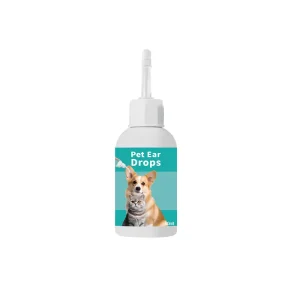
Gentle Pet Ear Drops for Dogs Cats Ear Care & Wax Removal
Original price was: $6.19.$5.99Current price is: $5.99. Add to cart