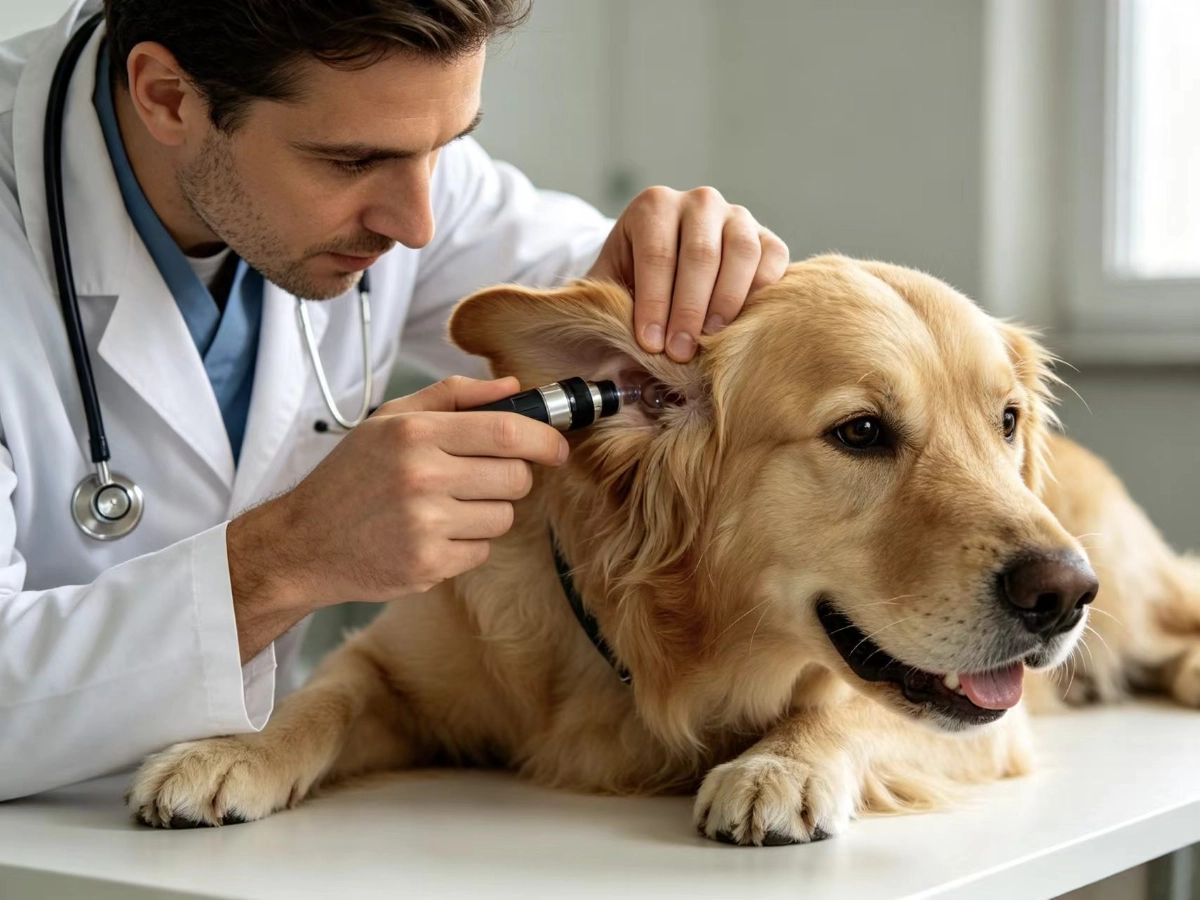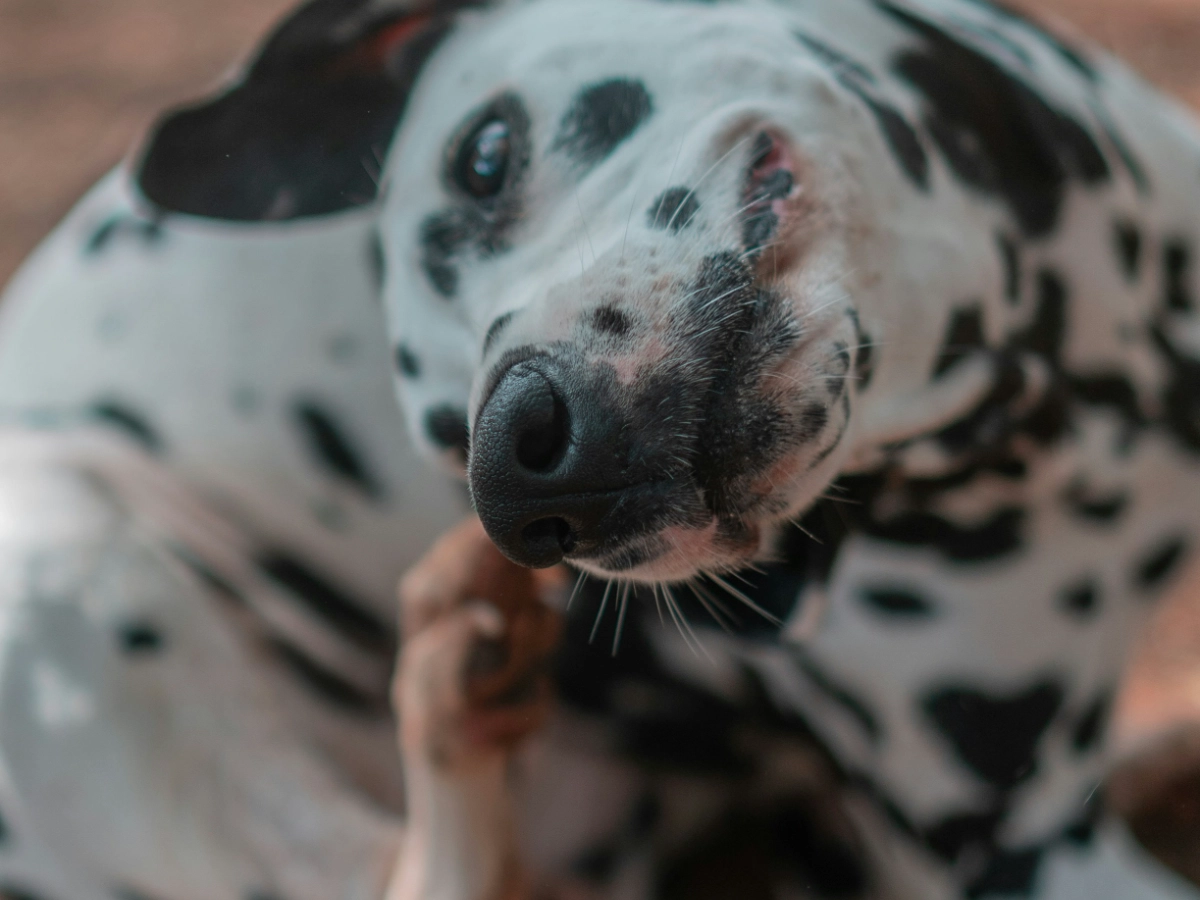

A dog’s paws are like damp mop cloths, picking up allergens, dirt, and other contaminants. Moreover, a dog’s nose and paw pads are among the most sweat-prone areas, causing paws to accumulate large amounts of irritants.
After your dog goes outside, it’s important to give their paws a quick clean to keep them hygienic. This article shares effective methods about how to clean dog paws, common mistakes to avoid, and daily care tips.
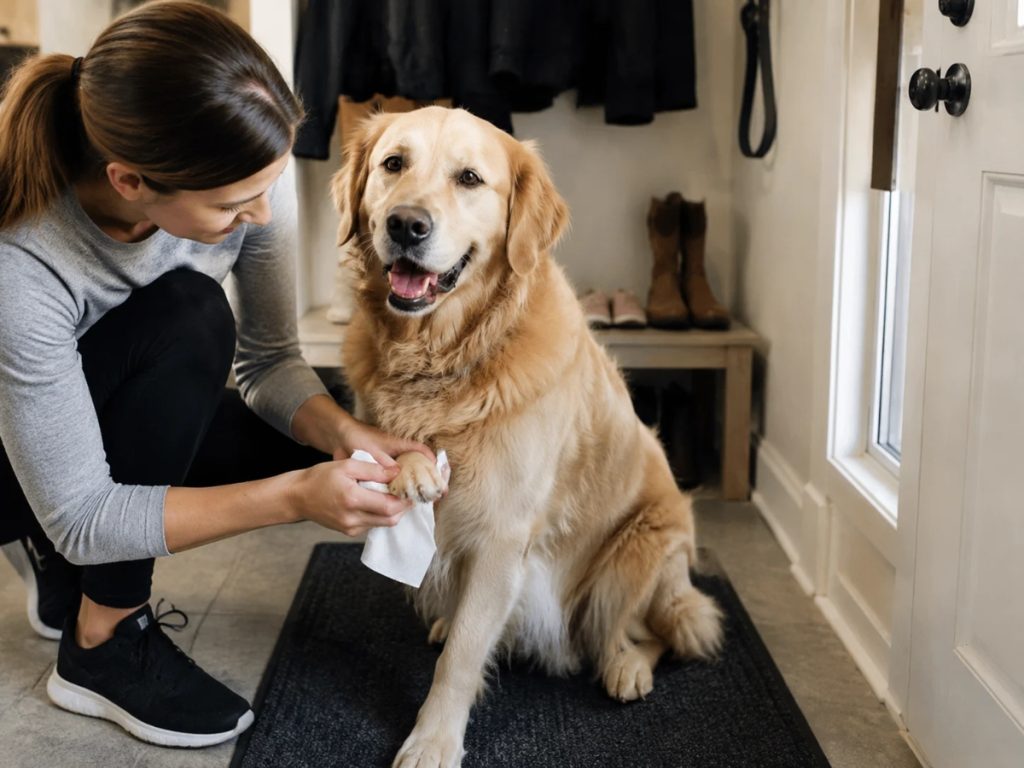
Yes, you should. The outdoor environment can be messy, and after walking, your dog’s paws may pick up various dirt and debris, or even carry bacteria. If only light dust or grime is present, gently wipe the paws with a pet-specific wet wipe or a damp, wrung-out towel to reduce irritation that might cause your dog to lick its paws or feet.
Frequent licking or chewing of paws
Redness, swelling, or moisture between toes
Unpleasant odor from paws
Persistent limping or reluctance to walk after walks
Cracked, peeling, or wounded paws
Foreign objects such as small stones or grass seeds lodged in paw pads
When you notice these conditions, don’t rely solely on repeated cleaning to relieve them. If symptoms persist or worsen, or if pain, discharge, or other issues arise, it’s advisable to consult a veterinarian promptly.
● Pet-specific wet wipes
● Warm water and a soft towel
● Pet paw cleaning products
● Paw-cleaning cups or other tools
① Clean the paws
Prepare a bowl of water, wet wipes, and a towel. Fill the bowl with enough water to fully cover the dog’s paws;
Alternatively, use a paw-cleaning cup or similar tool to gently rinse the paws;
Finally, dry the paws thoroughly with a dry towel to prevent moisture buildup that could lead to bacterial growth.
♥ Tip:
When outdoors, you can also use wet wipes or no-rinse foam cleaners—choose ones specifically designed for dogs and gentle on their skin. Be sure to carefully clean between the toes and under the paw pads.
② Nail and Hair Trimming:
When trimming nails, position the scissors perpendicular to the tip of the quick to avoid cutting it. After clipping, smooth the edges with a file to prevent scratches. For foot pad hair, trim only the hairs extending beyond the pads to prevent slipping—be careful not to cut too short, as this may injure your dog.
♥ Tip:
Keep your dog still during trimming; offering small treats can help distract and calm them, making the process smoother.
③ Moisturizing Care:
Your dog’s paw pads need moisture too! Apply paw balm or healing lotion to prevent dryness and cracking.
When choosing products, opt for those with plant extracts—safe, non-irritating, and prioritizing your dog’s health.
④ Daily Inspection:
Check your dog’s paws daily for any signs of damage, cracking, or inflammation, and address issues promptly.
When walking your dog, avoid paths with sharp objects or hot surfaces to prevent paw injuries.
After returning home, clean the paws immediately and inspect their condition. Regular care and proper cleaning techniques will help keep your dog’s paws healthy.
Yes. Yeast infections in dogs don’t only affect the ears—paws are also highly susceptible. If your dog frequently licks its paws, chews at the spaces between toes, shows redness and swelling of the skin, along with an unpleasant odor and itching, this could be the issue.
According to data from animal family veterinary clinics, common signs of yeast infection in dogs’ paws include excessive licking, scratching, redness, swelling, and a foul odor. In severe cases, the skin may thicken and crack.
Dogs primarily sweat through their paw pads, which retain some moisture between the pads and toes. When air circulation is poor and moisture cannot evaporate, bacteria tend to accumulate and multiply in these areas. For example, yeast produces a popcorn-like smell, while Proteus and Pseudomonas bacteria generate a yeasty odor resembling corn chips.
① Have your dog wait outside first;
② Prepare cleaning supplies, such as pet-specific wet wipes, dry towels, and no-rinse paw-cleaning foam;
③ Gently wipe the bottom of your dog’s paws with wet wipes, carefully cleaning the paw pads to remove dust, dirt, and debris;
④ If the paws are especially dirty, apply some no-rinse foam, gently massage it in, or use a paw-cleaning tool first, then wipe with wet wipes or a damp towel;
⑤ Thoroughly dry the paws with a dry towel, paying special attention to between the toes and the paw pads.
Not recommended. Alcohol can irritate a dog’s sensitive skin, especially the paw pads and areas between the toes, which are naturally prone to moisture. If your dog licks its paws after exposure to alcohol, it may ingest some of the substance, posing potential toxicity risks with prolonged or excessive contact.
Vinegar cannot cure infections in a dog’s paws; at best, it offers only basic cleaning. If your dog’s paws have only a mild odor, consult your veterinarian first before cautiously using diluted vinegar water for wiping. However, if the paws appear red, cracked, swollen, or if your dog frequently bites them or shows pain upon touch, avoid using vinegar altogether—it may irritate damaged skin and worsen discomfort.
Don’t panic when your dog’s paw is injured—avoid using alcohol or strong vinegar, which can irritate the wound. First, check for any foreign objects and gently clean the area with saline solution. Minor scrapes can be treated at home. However, if the wound is deep, continues to bleed, or is accompanied by swelling and limping, seek veterinary care immediately. Also, put an Elizabethan collar on your dog to prevent licking or biting, which could worsen the injury.
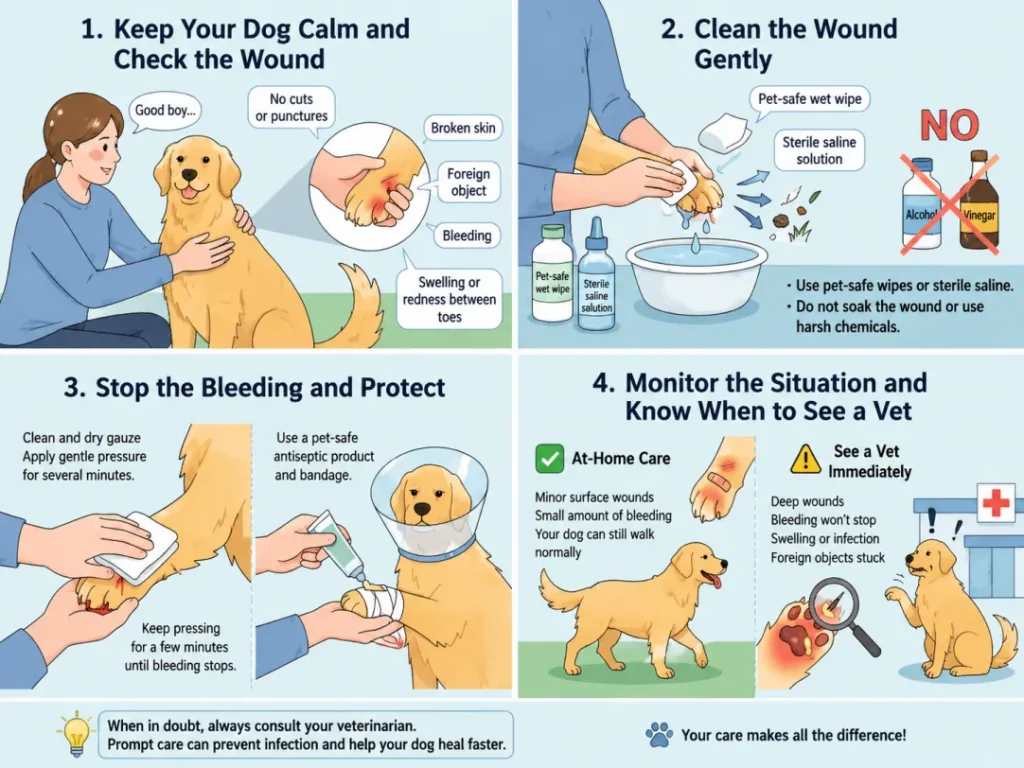
When cleaning your dog’s paws, opt for gentle methods. After daily walks, use pet-safe wet wipes or gloves to wipe the paw pads and between the toes, removing dirt, sand, and pollen. If they’re particularly dirty, rinse with lukewarm water. The key is to thoroughly dry the spaces between the toes after washing—keeping them dry helps prevent itching and skin inflammation.
It’s recommended to clean your dog’s paws every time you return home from a walk. During spring and autumn when pollen is high, or during rainy days and in grassy areas with weeds, wipe their paws after each outing. If your dog spends most of their time indoors, simply wiping between the toes once a day is sufficient to prevent buildup and potential issues.