
From mopping up spilled water, taking daily walks, to giving belly rubs and playing, dog ownership is inherently demanding and time-consuming. Therefore, many pet parents opt for dog dental wipes to clean their dogs’ teeth, hoping for a simple and convenient way to care for their pet’s oral health at home.
But are dog dental wipes really worth buying? More importantly, are you using them correctly? If you just casually wipe the easiest-to-reach teeth, you may not achieve the desired cleaning results, especially if your dog isn’t used to having its mouth touched.
As a dog owner for over a decade, I’ll share my hands-on experience with dog dental wipes, covering their pros and cons, a simple step-by-step usage method, common mistakes to avoid, and tips for helping your dog gradually get used to them. After reading this, you’ll know exactly whether dental wipes are suitable for your dog’s daily oral care routine.
Advantages of dog dental wipes
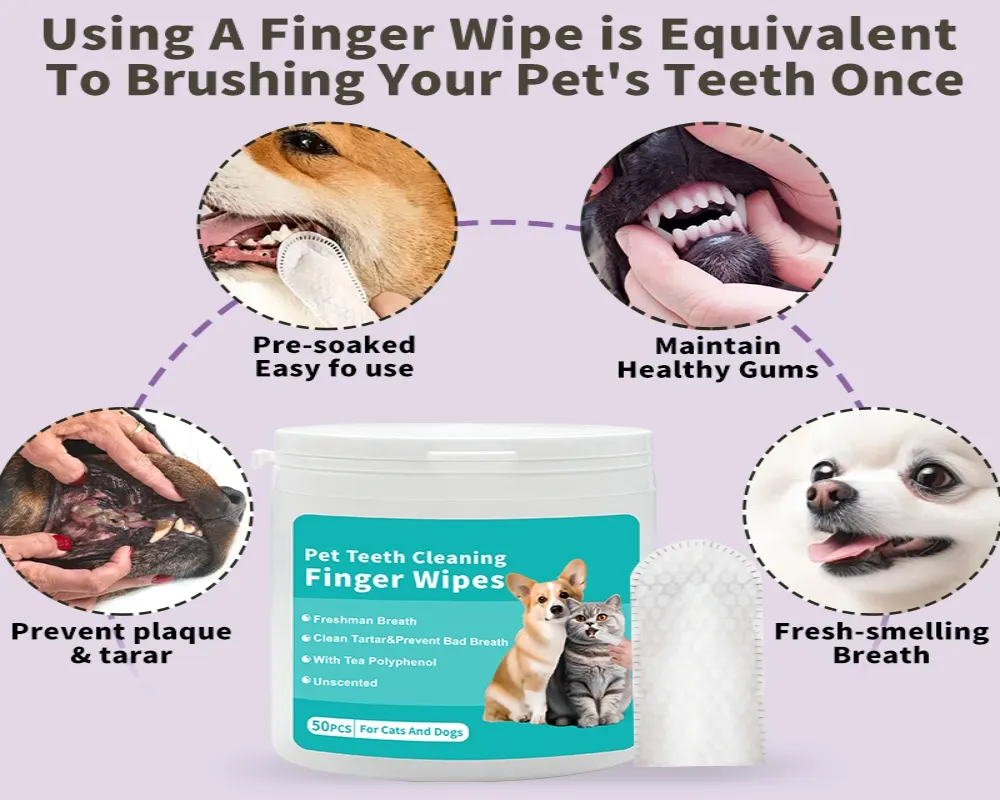
Dog dental wipes are a convenient option for owners who want to simplify their dog’s dental care routine, especially for dogs that aren’t used to traditional toothbrushes. Dog dental wipes are usually slipped onto a finger for application, allowing owners to have direct contact with their dog’s teeth and making it easier to control the cleaning area and pressure.
- Helps clean residue from the surface of teeth daily.
Dental wipes primarily work by wiping, providing physical cleaning that helps remove soft plaque and food residue from the tooth surface. Regular use can be incorporated into your daily dental care routine to keep your dog’s teeth cleaner.
- Friendlier for dogs that don’t like having their teeth brushed
Some dogs simply have a hard time getting used to brushing their teeth. Compared to a bristle toothbrush, soft finger wipes are less likely to cause resistance in dogs and allow owners to touch their dog’s teeth and gums in a more natural way. This method is especially friendly for older dogs or dogs that don’t like brushing their teeth in the first place.
- Simple to use and convenient for daily operation
Dental wipes require almost no complicated preparation. Simply slip a wipe over your finger, gently lift your dog’s lip, and wipe the surfaces of their teeth that you can reach. Compared to a traditional toothbrush, finger wipes offer a more direct approach, especially for small dogs, allowing for greater flexibility in cleaning.
- Easier control of pressure and cleaning location.
Because the wet wipes are wrapped directly around your finger, owners can more clearly feel the location of the teeth while wiping and adjust their cleaning techniques based on the dog’s reaction. This method also makes it easy to clean teeth in different locations without being limited by a long toothbrush handle.
- Easier to integrate into daily care routines
One of the biggest advantages of dog dental wipes is their ease of integration into busy dog-owning lives. Unlike brushing teeth, they don’t require advance preparation or extra grooming. For owners looking for a simpler grooming method, dog finger dental wipes are a convenient addition to their daily dog care routine.
Disadvantages of dog dental wipes
While dog dental wipes make daily grooming easier, they are not a perfect cleaning tool for all situations. It’s important to understand some of their practical limitations before deciding whether to incorporate them into your routine.
- They may not be as thorough as a toothbrush in terms of cleaning.
Dental wipes can help clean easily accessible tooth surfaces and remove everyday food residue. However, compared to a toothbrush, they may not be as convenient for cleaning harder-to-reach areas. If your dog already tolerates brushing well, then brushing is undoubtedly a more efficient option. Therefore, many owners use dental wipes as a supplementary cleaning tool in conjunction with other cleaning methods, rather than relying on them entirely.
- Some dogs need time to adapt.
While finger cot dental wipes may seem less intimidating than a toothbrush, not all dogs will immediately accept having their mouths and teeth touched. If a dog keeps dodging, keeps its mouth shut, or shows obvious resistance, forcing your dog to have its teeth cleaned from the start can actually make subsequent care more difficult. For dogs that are not used to oral contact, gradually building their acceptance is often more crucial.
- Wet wipes may move during use
Some dog finger cleaning wipes may move on your finger after getting wet, especially with dogs that have very active tongues and like to lick themselves constantly. Before use, make sure the wipe is securely in place and use gentle movements to make the cleaning process smoother. Also, be mindful of the wipe’s position throughout the process to prevent your dog from treating it as something to play with or chew.
- Single-use generates more waste
Most dental wipes are single-use products, so long-term use generates more waste than toothbrushes. For environmentally conscious pet owners, this is a factor to consider when choosing daily dental care tools.
- Improper storage can cause it to dry out
If not sealed promptly after use, the moisture in the wipes may gradually evaporate, affecting the user experience. Sealing the packaging after each use and storing according to the instructions will help maintain the wipes’ original moisture level.
- It cannot be expected to solve all dental problems.
One of the biggest limitations of dog dental wipes is that they are better suited as part of ongoing oral care rather than a tool for occasional, thorough cleaning. Their advantage lies in their simplicity and convenience. Ultimately, however, which tool is best for your dog depends on their personality, their tolerance for oral care, and whether the owner can maintain consistent use.
How to Properly Use Dog Dental Wipes
Using dog dental wipes isn’t complicated, but the correct method directly affects how well your dog accepts them. Our initial goal isn’t to clean every single tooth perfectly in one go, but rather to make the entire process easy and comfortable so your dog will be more receptive to future treatments.
Step 1: Choose a time when the dog is relatively relaxed.
Try to choose a quiet time with few distractions. If your dog happens to be particularly energetic, you can take your dog for a walk or play with they for a while first. Before you start, prepare a new dental wipe and a few small treats. Let they smell the wipe first to gradually familiarize they with this new product.
Step 2: Find a comfortable operating posture
You can sit next to the dog or slightly behind it, but don’t stand directly in front of it. Gently help the dog stay steady with one hand, and use the other hand to lift its lips and hold the wipe. Try to choose a position that allows you to see its teeth clearly without having to forcibly pry its mouth open.
Step 3: Properly use dog dental wipes
Take out a new wipe and place it over your finger. The wipe should fit snugly against your fingers, without leaving too many loose edges, to prevent it from falling off during the cleaning process.
Step 4: Start with the teeth that are easy to reach.
Don’t force your dog to open its mouth completely at the beginning. Instead, gently lift your dog’s lips and start with the easier-to-clean outer edges of the teeth, especially near the gum line. Use gentle, small back-and-forth or circular motions when wiping; avoid rubbing vigorously. Once your dog is more comfortable, you can move on to cleaning more difficult areas. This will make it easier for your dog to accept the cleaning.
Step 5: Clean different areas gradually.
You can start from one side, gently wiping from the back teeth forward, then switch to the other side. Molars and back teeth are often overlooked, so pay special attention to these areas. If your dog resists during cleaning, there’s no need to force a complete cleaning. You can stop there and try again later.
Step 6: Use a clean wipe when needed.
When a section of the wipe becomes heavily soiled, fold or rotate it and wipe a different area. Use a new wipe for the next cleaning session, rather than saving and reusing used wipes.
Step 7: Praise and reward promptly.
After cleaning, praise your dog and reward it with a small treat. Let your dog practice using the dental wipes in a relaxed and enjoyable way; this will make it more cooperative next time you need dental care.
Common mistakes when using pet dental wipes
While dog dental wipes are easy to use, some common habits can make the cleaning process uncomfortable and make it harder to get your dog to cooperate long-term. Avoiding the following mistakes will make daily dental care much easier.
- Only clean the front teeth
The front teeth are the easiest to see, and therefore the most likely to be the focus of the owner’s attention. However, the back teeth are often more easily overlooked and relatively difficult to reach. When cleaning, you can gradually work from the back teeth to the front teeth, rather than stopping after cleaning a few surfaces.
- Scrub too hard
Dental wipes don’t work better the harder you wipe. The correct way is to gently wipe small areas. Wiping too hard will not only make your dog uncomfortable, but may also make them more resistant to brushing their teeth in the future.
- Trying to clean the entire mouth at once.
For dogs new to dental wipes, expecting them to cooperate with a full oral cleaning right away can be exhausting for both of you. The best approach initially is to wipe a few teeth without resistance, gradually expanding the cleaning area as needed.
- Neglecting the lower teeth
Many owners subconsciously focus on the more visible teeth but neglect the lower teeth. Once your dog gets used to dog dental wipes, wiping both the upper and lower teeth should be included in your daily dental care.
- Attempting to wipe away hardened tartar
Wipes are built for daily plaque prevention, not calculus removal. Never forcefully rub hard, yellow-brown tartar deposits; consult your vet for professional dental scaling.
The key to success with dog dental wipes is gentle consistency rather than force. Focus on building a long-term habit through positive reinforcement rather than completing every tooth in a single stressful session.
Step-by-Step Guide: How to Get Your Dog Used to Dental Wipes
If your dog avoids dental wipes or dislikes having its mouth touched, you don’t need to complete the entire cleaning process in one go. A better approach is to break the training into smaller steps, gradually familiarizing your dog with the feel of the wipes, your fingers, and their mouth being touched. Here’s a step-by-step method.
Day 1-3 : First, let the dog get used to the dental wipes .
Don’t rush to clean its teeth. First, place the wet wipes in front of your dog and let it smell and observe. You can gently touch its lips and cheeks with your fingers to help it gradually get used to your hand near its mouth. If the dog seems relaxed, give it verbal praise or a small treat to help it associate the wet wipes with happiness.
Day 4-6 : Start from the outer part of the lips .
When your dog still seems happy when you touch around its teeth, you can put on a dog finger cot and dental wipes and gently touch the outside of its lips. At this point, you still don’t need to clean its teeth, and definitely don’t force its mouth open. Practice for only a few seconds each time, and reward your dog as soon as it remains relaxed.
Day 7-10 : Try rubbing one or two teeth .
Gently lift one side of your dog’s lip and quickly and gently wipe one or two easily accessible teeth with a damp wipe. It’s good if you succeed the first time; you don’t need to clean the entire mouth immediately. Praise and reward your dog immediately afterward.
Day 1-14 : Gradually increase the cleaning area .
Once your dog is comfortable with brief wiping, you can gradually increase the number of teeth cleaned each time. Start with one side and then gradually try the other. Be gentle each time, and stop immediately if your dog starts to get agitated; there’s no need to force yourself to finish cleaning all the teeth.
Day 15 and beyond: Establish stable care routines
Once your dog is comfortable with the dental wipes, you can gradually move on to more thorough cleaning. Maintain a consistent schedule and routine, such as after your dog’s walk, after meals, and before bedtime, making dental cleaning a regular part of your dog’s daily routine.
Note: Progress at your dog’s natural pace. If your dog shows resistance at any stage, return to the previous step for a few days before advancing.
Remember: You don’t need to follow the above process exactly.
Because every dog’s personality and acceptance level are different, if a dog shows significant resistance at a certain stage, we can gradually increase the length of the duration of the acclimation process and allow the dog to adapt before moving on to the next stage. The timeline above is just a reference, not a mandatory schedule.
Are dog dental wipes really worth buying?
Yes, dog dental wipes are worth buying if you are looking for a simple, quick way to manage daily plaque buildup—especially if your dog rejects traditional toothbrushes. While they do not clean as deeply as bristle toothbrushes or professional veterinary cleanings, they serve as an excellent daily defense tool or supplementary cleaning aid for pet parents on the go.
FAQ
How often should I use dental wipes on my dog?
Daily use is the ideal frequency for preventing plaque from calcifying into tartar. AVMA recommends daily care as the gold standard. If you forget or are too busy, use dental wipes at least every other day—if the frequency is too low, plaque has time to harden into tartar on your dog’s teeth.
How long should I use a dental wipe on my dog?
Once the dog has gotten used to the dental wipes, a complete dental cleaning only takes 30-60 seconds.
Can dental wipes freshen a dog’s breath?
Yes, especially after your dog has eaten. Wiping away smelly food scraps and sticky plaque helps keep your dog’s breath fresh.
Can I use human wet wipes to clean my puppy’s teeth?
Absolutely not! Some of the ingredients are harmless to humans but can make dogs sick.
Disclaimer: The content provided in this article is for informational and educational purposes only, based on personal pet-ownership experience. It is not intended to be a substitute for professional veterinary advice, diagnosis, or treatment. Always seek the advice of your veterinarian with any questions you may have regarding your pet’s health or dental condition.
-
Sale!
Multipurpose pet hair cleansing spray anti-static for detangling knots
Original price was: $7.98.$3.99Current price is: $3.99. Add to cart -
Sale!
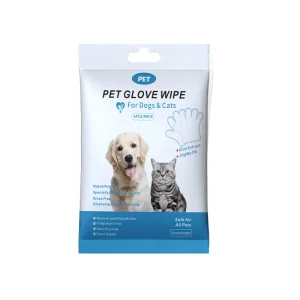
Premium Pet Glove Wipes – Hypoallergenic Aloe for All Animals
Original price was: $3.29.$1.99Current price is: $1.99. Add to cart -
Sale!
Pet Deodorizing Spray 150ml – best Natural Dog Cat Odor Remover
Original price was: $5.29.$4.99Current price is: $4.99. Read more