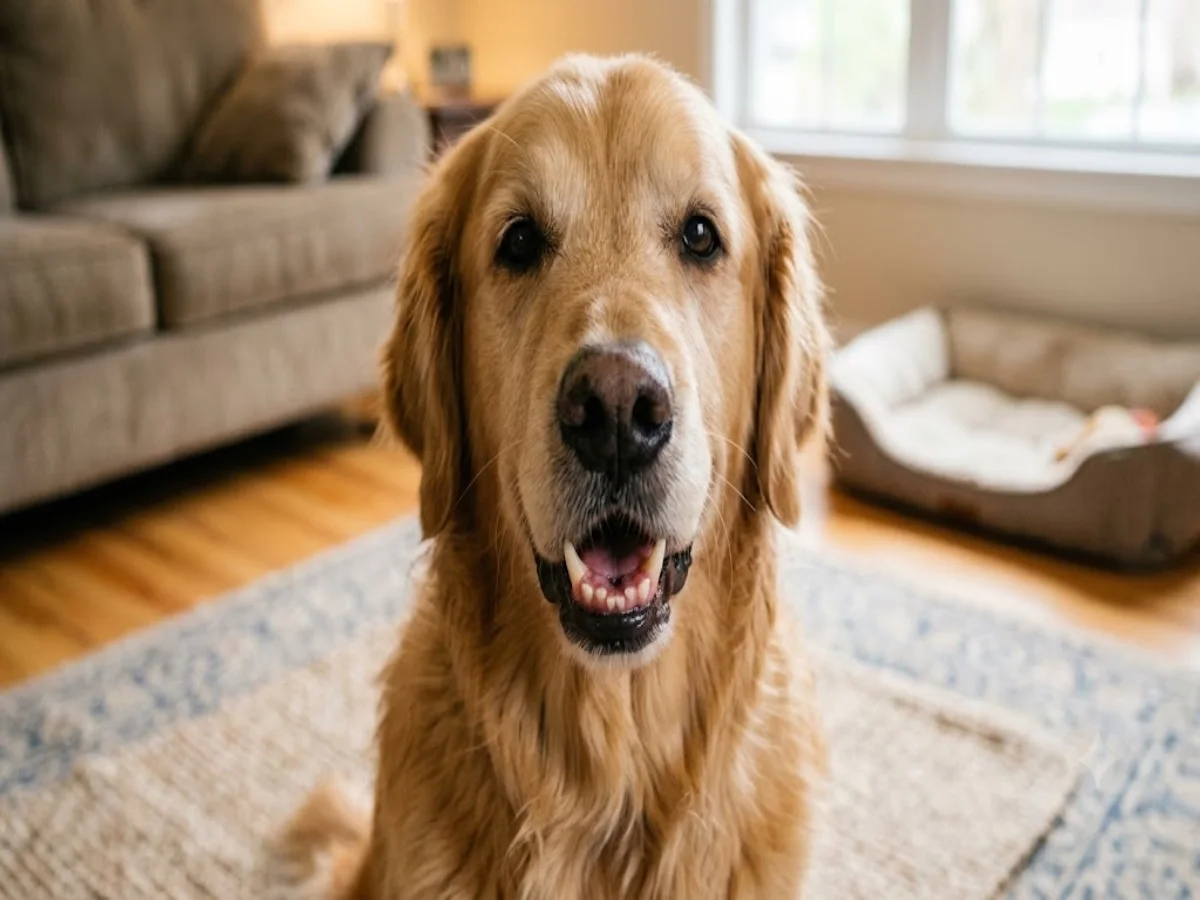

Are carrots good for dogs’ teeth? Yes, eating raw carrots in moderation can help clean a dog’s teeth and reduce tartar, but it cannot replace regular brushing and professional dental care.
The American Veterinary Dental College (AVDC) points out that 80% of dogs develop some form of periodontal disease before the age of three. Carrots, as a natural, low-calorie food, can indeed have a mild brushing effect physically. However, they also have limitations and risks.
1. Physical friction to remove plaque
Raw carrots have a certain hardness and fibrous texture. When dogs chew, the carrots create friction with the teeth, helping to remove food residues and oral odor. The fibers in carrots can scrape the tooth surface and gum line, reducing plaque buildup.
They act like natural, mild dental chews. This is especially suitable for medium and large dogs, dogs that like to chew, and dogs with healthy young teeth, for whom the effect is more noticeable.
A 2020 study in the Journal of Veterinary Dentistry found that feeding one medium-sized raw carrot daily to medium and large dogs for 4 weeks reduced visible plaque on their teeth by about 18-22%.
2. Promotes saliva secretion and naturally inhibits bacteria
Chewing carrots stimulates saliva production. Lysozyme and lactoferrin in saliva can suppress cariogenic bacteria in the mouth, such as Streptococcus mutans. This helps flush bacteria, neutralize the acidic environment in the mouth, and reduce bad breath. Therefore, moderate carrot chewing has a positive effect on oral health.
3. Low sugar, safer than many dental treats
Compared with many high-fat dog treats, carrots are very low in calories. 100g of raw carrot contains about 41 kcal and less than 1g of fat. Many dental treats can be 70-120 kcal each, so carrots are especially suitable for dogs prone to weight gain, dogs needing weight control, and elderly dogs.
According to USDA data, one cup (about 128g) of chopped raw carrots contains only 6.07g of sugar and 0.31g of fat, which does not promote cavities or enamel erosion.
4. Rich in vitamins and antioxidants
Carrots are rich in beta-carotene, vitamin A, dietary fiber, and potassium. Antioxidants help maintain eye health, boost the immune system, support digestion, and relieve inflammation. Therefore, carrots serve not only as a teething snack but also as a nutritional supplement.
| Advantages | Risks |
| Natural, cheap, easily available | Choking hazard: Small dogs may choke if they swallow whole carrots |
| Free from artificial additives | Digestive issues: Overeating may cause diarrhoea, flatulence, bloating |
| Provides vitamin A beneficial for eyes and immunity | Limited effect: Cannot remove tartar. Very hard frozen carrots may cause tooth fractures in dogs with fragile teeth. |
| Suitable for most weight management issues | Sugar concerns: Diabetic dogs need to control intake. |
According to the ASPCA Animal Poison Control Center, carrot poisoning is almost non-existent, but in 2021 there were over 230 emergency calls due to carrots getting stuck in the esophagus, mainly in small dogs under 5 kg.
Veterinarians generally believe that plaque in dogs’ teeth can gradually mineralize into tartar within 24-72 hours. Once tartar forms, it usually cannot be removed by food friction alone.
| Dog weight | Maximum daily amount | Recommended method |
| 2-5 kg (Chihuahua, Yorkshire) | Half a small carrot | Cut into long, thin strips |
| 6-10 kg (French Bulldog, Pug) | 1 medium carrot | Cut into pieces; avoid round slices |
| 11-25 kg (Border Collie, Shiba Inu) | 1 large carrot or 2 medium carrots | Whole carrot (under supervision) |
| 26 kg+(Golden Retriever, Labrador) | 2-3 medium carrots | Can be given whole |
For any dog being fed carrots for the first time, give a small piece and observe the digestive reaction for 24 hours.
Raw carrots—best for teeth
The hard texture provides the best abrasive cleaning effect. However, they must be cut to an appropriate size. Most healthy dogs can eat raw carrots.
More chewing effect; low in calories; high in fibre for added chewing enjoyment
Too hard may damage teeth; sensitive stomachs may cause diarrhoea; eating too much may cause bloating
Frozen carrots—also good for teeth, but harder
Frozen carrots are harder, providing stronger cleaning, but they are not recommended for dogs with enamel cracks or older dogs, as they may cause tooth pain. Suitable for young dogs with strong bite force.
Benefits of frozen carrots:
1. More durable to chew
Hardness increases after freezing, so dogs chew longer. This means longer teeth brushing time, higher energy consumption, and greater satisfaction.
2. Relieves discomfort during puppy teething
For puppies growing teeth, the cold can help relieve swollen, itchy gums and the urge to chew. Many owners freeze small carrots for teething puppies.
3. Cooling snack for summer
Especially in hot weather, frozen carrots are a low-calorie cooling treat. Cooked or steamed carrots—almost useless for teeth
Cooked carrots — very soft and cannot scrape plaque.
If you are asking whether boiled carrots are good for dogs with upset stomachs, the answer is yes. They are gentler on dogs with stomach issues.
Many veterinarians suggest boiled chicken breast or boiled carrots for dogs with mild stomach discomfort. Cooked carrots are easy to digest and provide soluble fiber to help relieve soft stools. Cooked carrots are generally easier to digest.
Canned carrots—not recommended
Canned carrots usually contain sodium (about 200–300mg per half cup) and are too soft to be cleaning effective. Some also contain sugar or preservatives.
1. Wash and peel (though the skin is safe, peeling is safer due to low pesticide residue)
2. Cut off the green tops (non-toxic but hard to digest)
3. Recommended ways
Raw slices—suitable for adult dogs with healthy teeth. Cut shapes according to the size of the dog. Small dogs: cut into thin sticks or coin-sized slices; avoid round shapes to prevent choking. Large dogs: whole or large pieces
Frozen carrot sticks—suitable for teething and chewing puppies.
Boiled/steamed carrots—suitable for senior or sensitive stomach dogs
Carrot shreds—can be mixed with dog food. Absolutely avoid: salt, onions, garlic, butter, and xylitol, as xylitol is highly toxic to dogs.
4. First feeding (observe defecation and chewing habits)
Note: As a treat, while carrots are beneficial, they should be given in moderation. Veterinarians recommend no more than 10% of the total daily diet.
Raw carrots are helpful for dogs’ teeth, effective and safe, and can be used as a daily dental snack. However, they cannot replace daily brushing or the removal of existing tartar, and special cutting methods are needed for small or elderly dogs to avoid choking or dental damage.
Give your dog a suitable carrot, and not only will they enjoy the crunch, but they can also brush their teeth in the process.