
Oh my god, there’s another urine stain from Leo on my new carpet—this is such a headache! I’m sure many families who’ve just gotten a dog face this same problem—spending every day cleaning up after them to keep the house tidy.
If you’re going through this struggle too, you’re not alone. Training a stubborn puppy to go to the potty seems like a never-ending, grueling battle. So, how do you potty train a stubborn puppy? What are some unique training tips for the home?
Why Is Your Puppy So Stubborn?
Most puppies aren’t actually stubborn. They’re still learning how to go to the potty in the right spot, when to go, and how to communicate their needs in a brand-new environment.
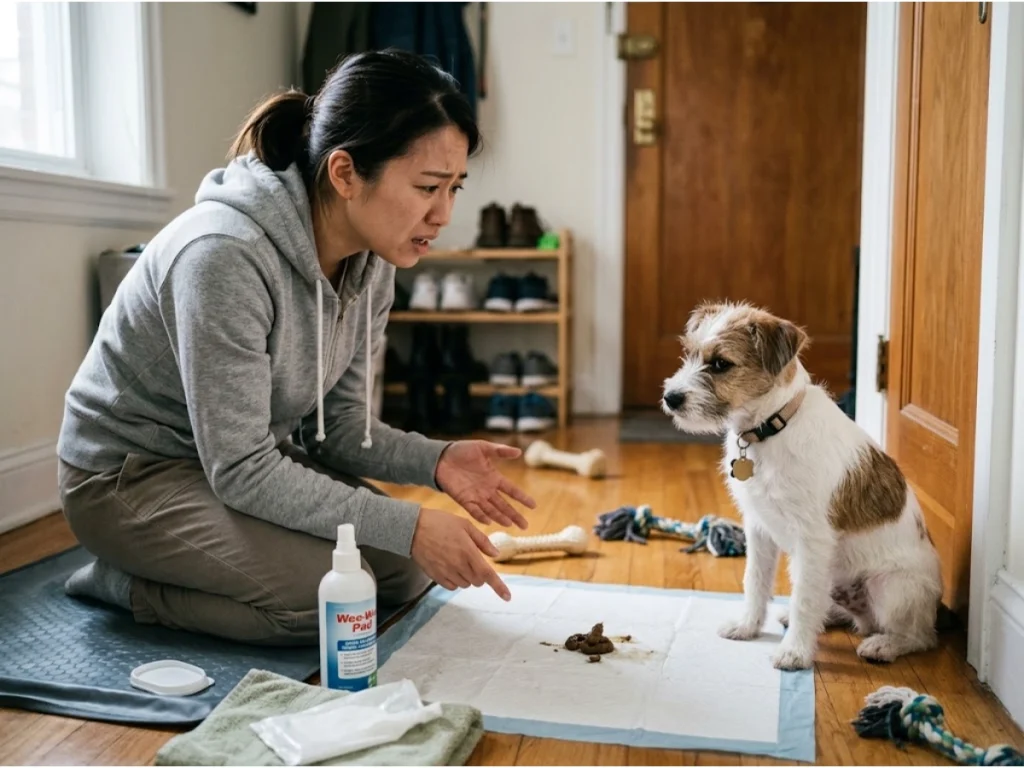
During the first month after bringing Leo home, I made a mistake that almost all first-time puppy parents make: I thought he understood. I naively believed that as long as I laid out a potty pad and picked him up and placed him on it a few times, he’d be smart enough to figure it out on his own. But every time I came home to find urine stains everywhere, I got really angry! Did I think Leo was an untrainable puppy—a stubborn one?
A puppy that pees frequently isn’t usually trying to test your patience. Instead, possible reasons include irregular elimination habits, too-short intervals between pottybreaks, varying learning speeds among puppies, or the puppy having too much freedom indoors.
How do you potty train a stubborn puppy?
Potty training doesn’t have to be a never-ending battle. With a reasonable training plan, positive reinforcement, and proper hygiene practices, you can turn things around within a reasonable training period.
Successful potty training usually requires following a set schedule, close supervision, immediate rewards for going potty indoors or outdoors, and proper handling of accidents.
1. Build trust easily through a relaxed and enjoyable atmosphere
When a puppy first arrives in a new environment, it feels unfamiliar and scary. In an unfamiliar setting, the puppy may not immediately know what behavior is right or wrong!
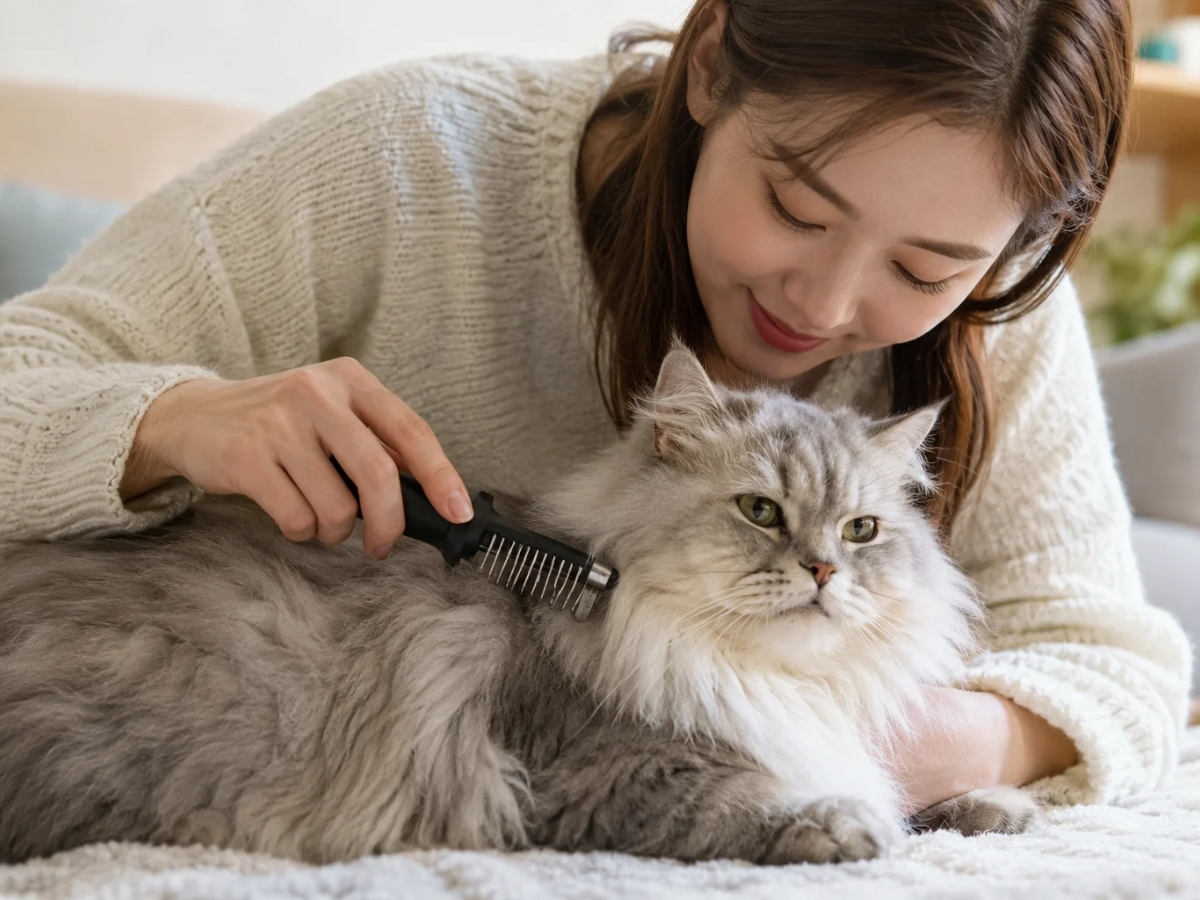
Puppies are also afraid of their new owners, so when a puppy first arrives, we need to treat it gently. Through daily play and routine grooming, you can foster a sense of familiarity between you and your puppy and build trust. Prepare potty training supplies in advance to lay the groundwork for future potty training!
2. Follow a strict potty schedule
A puppy won’t become completely reliable in just three or seven days, but a week of effort can make a huge difference. Try to separate potty breaks from playtime, and strictly follow the potty schedule you’ve planned for your puppy—this will make training much easier!
How Do You Potty Train a Stubborn Puppy?Follow the principle of taking your puppy to the designated spot for potty breaks after meals, after drinking water, upon waking up, and after vigorous activity!
At first, I felt bad for Leo because he hadn’t developed a consistent potty spot, but later it took a lot of time and effort to correct his potty habits—that period was truly exhausting, both physically and mentally! So, be sure to establish this strict potty schedule early on to save yourself a lot of trouble later.
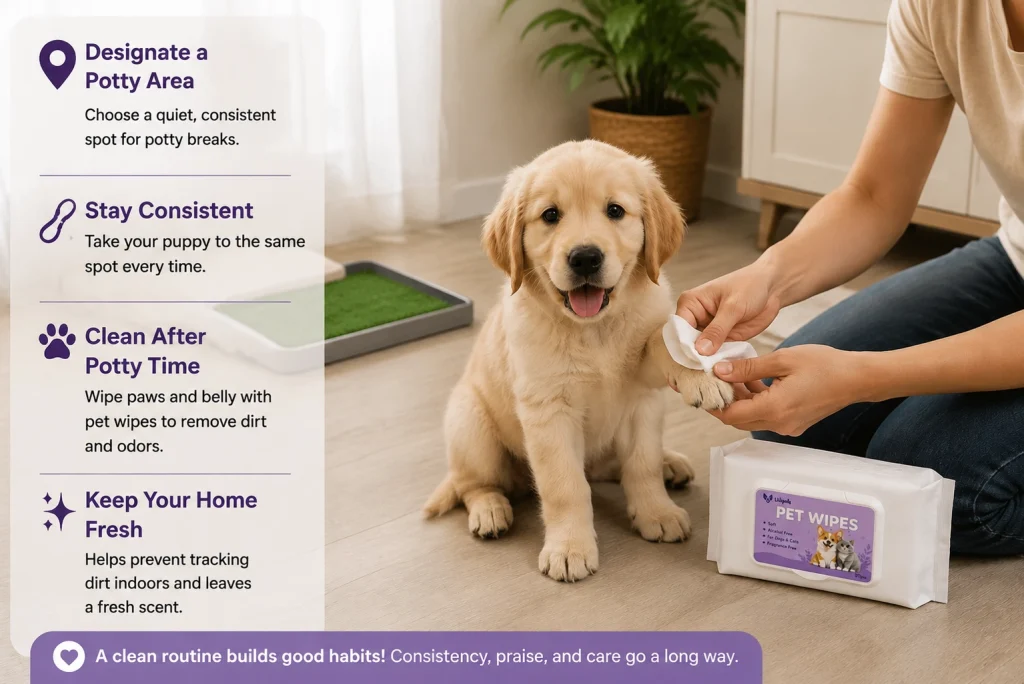
3. Designate a specific potty area and clean up afterward
When you can’t supervise your puppy at all times, choose a suitable indoor area for him to relieve himself. You don’t need anything fancy—just a convenient, quiet spot where he can focus his attention.
Guide your puppy to the designated area every time. If you’re training him outdoors, use a leash to lead him to the exact same spot each time so he learns that this is the correct place to go.
Cleaning up after your puppy is also essential. If your puppy relieves itself outdoors, it may have wet grass or dirty mud on its body. In this case, use pet wipes or wet wipes to wipe its paws and belly for a quick cleanup. This prevents tracks from being tracked indoors and also serves as a soothing post-relief massage.
4. Provide positive reinforcement for desired behavior
Stubborn puppies respond best to rewards rather than punishment. Timing is crucial.
Reward your puppy immediately after they’ve relieved themselves—not after they’ve returned indoors. Use treats or toys they love, accompanied by enthusiastic verbal praise. This establishes a strong association: relieving themselves in the right spot leads to a reward—a form of positive reinforcement.
Ohio State University explicitly recommends: Praise your puppy and give them a high-value treat immediately after they relieve themselves; if the reward is delayed, the puppy will have difficulty making an accurate connection between the treat and the elimination behavior that just occurred.
5. Handle indoor accidents calmly
This can indeed be frustrating, but such situations are actually very common. Scolding your dog will only cause them to hide, become fearful, and hesitate to relieve themselves in your presence, which will make potty training even more difficult. Instead, calmly clean up the mess to avoid further complications.
According to the Canine Resources at Ohio State University, the two core principles of potty training are rewarding every time the puppy relieves itself in the correct spot and doing your best to prevent the puppy from having the opportunity to make mistakes. A puppy’s need to relieve itself is age-related and often occurs after eating, waking up, interacting with other dogs, or after a transition.
Use an effective pet deodorizing spray—one that breaks down the residues causing the odor rather than simply masking it. Once the odor is gone, your dog will gradually stop viewing that spot as a potty.
A Daily Potty Training Schedule for New Puppies
This schedule is just a starting point. Potty training a stubborn puppy isn’t just a matter of willpower—the key lies in consistency, clear communication, and keeping your home clean and odor-free.
The IAABC states that it is not recommended to restrict a puppy’s daytime water intake to reduce accidents; a safer approach is to increase opportunities for elimination, step up supervision, and optimize the daily routine. Consistency, patience, and positive reinforcement are the keys to successful potty training.
| Daily Routine | Recommended Action | What You Should Do |
| First thing in the morning after waking up | Take your puppy to the potty area immediately | Avoid playing or interacting first. Use a leash and guide your puppy directly to the designated potty spot. |
| After eating or drinking a large amount of water | Schedule a potty break as soon as possible | Pay attention to your puppy’s natural elimination schedule instead of waiting for a fixed number of minutes. |
| After waking up from a nap | Go outside right away | Puppies often need to eliminate immediately after waking, so don’t wait too long before taking them to the potty area. |
| After exciting play sessions | Pause playtime and offer a potty break | High excitement can increase the chance of sudden accidents. Take your puppy to the potty area before continuing play. |
| After visitors arrive or social interaction | Arrange a quick potty break first | Don’t mistake excitement-related behavior for “just happiness.” A potty break helps prevent accidents caused by overstimulation. |
| After coming out of a crate, playpen, or resting area | Go to the potty area before starting other activities | Help your puppy build the habit of “potty first, then fun time” as part of their daily routine. |
| Before bedtime | Take one final potty break | After your puppy eliminates, avoid encouraging late-night play to help establish a consistent sleep schedule. |
How Do You Potty Train a Stubborn Puppy?You can keep potty training supplies near the door—such as pet wipes, glove wipes, paw cleaners, deodorizing sprays, and other products specifically designed for dog care—to make it easy to clean up right after potty training!
How long does it take to potty train a puppy?
Potty training is a gradual process, not something that happens overnight. Different breeds, different lifestyles, and different training methods all affect the results, so the time it takes depends on a variety of factors!
Here are some situations pet owners typically encounter as their puppies grow:
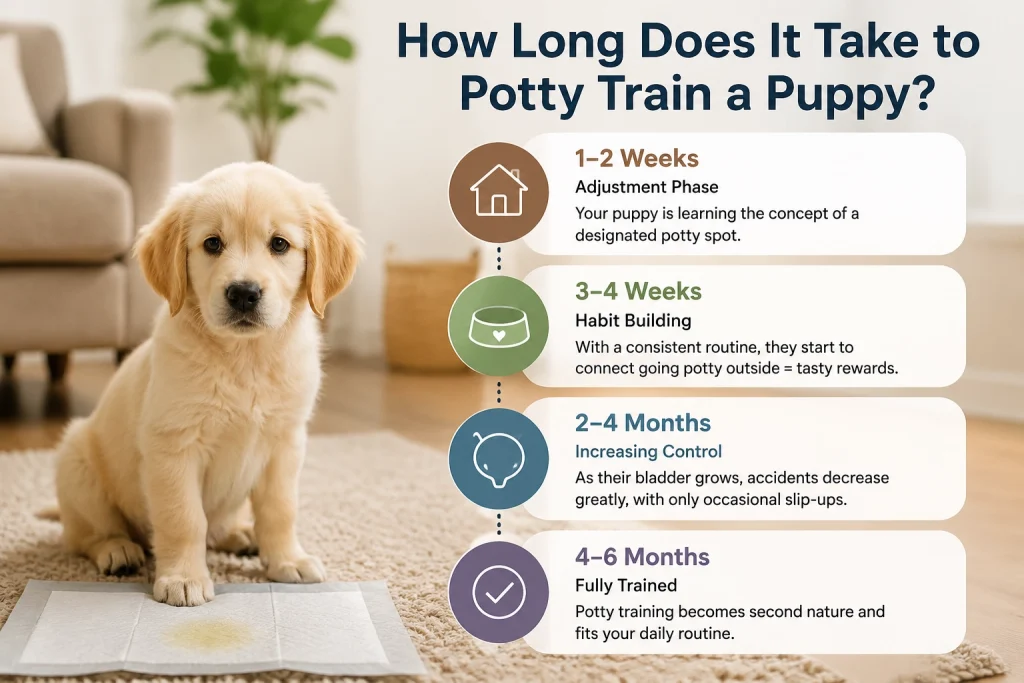
Weeks 1–2 (Adaptation Phase): Your puppy is learning the concept of a “designated potty spot.” During this phase, puppies will frequently have accidents indoors and mark their territory in various corners of the house as they become familiar with their surroundings.
Weeks 3–4 (Habit Formation): Through a strict potty training routine, your puppy will gradually associate going to the potty in the right spot with getting a treat. They’ll start giving you cues so you can spot when they need to go!
Months 2–4 (Increased Control): As their bladder capacity increases, puppies can hold their urine for longer periods. The frequency of indoor accidents decreases significantly, with occasional mishaps typically occurring only after changes in their routine.
Months 4–6 (Full Proficiency): Potty training becomes a habitual instinct. Your puppy has fully adapted to potty behavior and routines and can align them with your schedule.
What should you do if your puppy refuses to go to the outside for a potty?
It’s because your puppy hasn’t yet learned where the right place to relieve itself is!
How Do You Potty Train a Stubborn Puppy?We’ve all been there: You wait outside with your puppy for a long time, but it just won’t go, and then, shortly after getting home, it pees on the floor. When I first started training Leo, I faced a similar problem.
First, choose a quiet spot and take your puppy there every time. Familiar scents and a consistent routine will help your puppy quickly learn that this is where they’re supposed to go.
If your puppy gets distracted or is too excited, cut back on playtime and wait quietly. Have them go to the potty first, then play. Look for signs like sniffing the ground, circling, or suddenly becoming restless—these are all cues that your puppy may need to go.
When your puppy successfully relieves itself outside, praise and reward it immediately so it understands that the correct behavior is encouraged. Accidents are normal during training—don’t scold your puppy. When you go out, bring a snack pouch and a cleaning kit. After your puppy goes to the potty, use pet wipes or glove wipes to quickly clean its paws and body to keep it clean.
Potty training requires patience and repetition. As long as you maintain a consistent routine and provide positive guidance, most puppies will gradually develop stable habits.
FAQs:
1. Why is it so hard for my puppy to learn to go to the potty on its own?
Most puppies can learn basic potty training within 2 to 3 weeks of consistent training. However, it usually takes 4 to 6 months to fully establish good potty habits. The specific timeframe and results depend on various factors, including the puppy’s age, breed, and daily training routine.
2. Is it harder to potty train female puppies?
No. Factors such as the puppy’s age, size, daily routine, whether they have regular opportunities to go outside, whether they receive rewards from their owner, and whether they exhibit anxiety or medical issues are generally more important than gender.
3. Why does my puppy always relieve itself in the same spot?
Puppies rely primarily on their sense of smell for toileting behavior. If previous indoor accidents were not cleaned up promptly or thoroughly, your dog may perceive that spot as a designated potty and mark it again. You’ll need to use an enzymatic cleaner to eliminate the odor.
4. What should I do if my puppy refuses to go outside on rainy days?
Many puppies are reluctant to go outside because of wet paws or cold weather. In this case, keep potty training walks as short as possible and use an umbrella to provide shelter. After your puppy relieves itself, use a mild pet wipe to gently wipe its belly and paws, keeping its skin dry.
How to Choose the Best Conditioning Spray for DogsHow to Choose the Best Conditioning Spray for Dogs
-
Sale!
Pet Deodorizing Spray 150ml – best Natural Dog Cat Odor Remover
Original price was: $5.29.$4.99Current price is: $4.99. Read more -
Sale!
150ml No-Rinse Pet Paw Cleaner Foam – Waterless Paw Washer
Original price was: $7.19.$5.99Current price is: $5.99. Add to cart -
Sale!
Pet Wipes Cat Dog Circle Wipes for Cleaning Eyes
Original price was: $6.99.$2.99Current price is: $2.99. Read more