

Table of Contents
For every cat owner, cleaning the litter box is a daily task . However, how often to change cat litter can be confusing for both new and even experienced cat owners: some think that simply scooping away the waste daily is enough, while others are used to emptying the entire litter box and replacing all the litter every weekly. In fact, not changing the litter for too long can easily lead to bacterial growth, unpleasant odors, and even litter box avoidance and behavioral issues; while changing it too frequently results in unnecessary waste. Below, we will explain how often to change cat litter, when it’s time for a complete litter change, and how to make litter management more worry-free, taking into account different types of litter, single-cat versus multi-cat households, and daily cleaning habits.
How often to change cat litter?
Understanding how often to change cat litter is key; there’s no single, universally applicable schedule. Instead of mechanically following a calendar to empty the entire litter box, it’s better to first clarify three different aspects of daily litter care:
- Daily sand removal: Clean out clumps of urine and feces daily.
- Regular litter replenishment: After removing waste, add a small amount of new cat litter to maintain an appropriate thickness.
- Completely replace the entire litter box: Empty all the old litter from the litter box, thoroughly clean and dry the litter box, and then pour in brand new litter.
How often to change cat litter depends on the type of cat litter you use, the number of cats in your home, the size and number of litter boxes, and how often you scoop the litter.
Daily shoveling of sand vs. complete replacement of the entire pot
Many cat owners easily confuse the difference between “daily litter scooping” with “complete litter replacement”. Daily litter scooping removes waste promptly, keeping the remaining litter relatively clean; while regular litter replenishment replaces the litter that has been scooped out.
However, even if you scoop the litter box thoroughly every day, tiny bits of feces may still remain between the litter granules over time, absorbing moisture and contributing to bacterial growth. Therefore, daily litter scooping helps maintain everyday cleanliness, while completely changing cat litter periodically provides a fresh start for the litter box.
How often to change cat litter by type?
Different types of cat litter vary greatly in their absorbency, clumping, and odor-control properties. Therefore, it is important not to apply the same replacement schedule to every type of litter; instead, how often to change cat litter should depend on the material and how the litter is used.
Bentonite/Clumping Cat Litter
Clumping cat litter (usually made of bentonite clay) quickly coats up and clumps into hard lumps when it comes into contact with liquid. Since the clumps of urine and feces can be scooped away daily, the remaining clean litter can keep the litter clean for a longer period of time.
- Frequency of complete litter replacement: For single-cat households, it is generally recommended to change the litter every 2 to 4 weeks, provided that you scoop daily and add fresh litter as needed.
Non-clumping cat litter
Non-clumping cat litter relies primarily on absorbent granules to absorb liquids, but it won’t clump together. Liquid urine will seep through the surface and settle to the bottom of the litter box. Although feces can still be scooped daily, the litter box becomes saturated very quickly.
- Frequency of complete litter box replacement: For single-cat households, it is generally recommended to change non-clumping litter every 1 to 2 weeks. Once liquid starts to accumulate at the bottom or a noticeable odor develops, all of the litter should be removed.
Crystal/Silicone Cat Litter
Crystal silica gel cat litter has excellent absorbency and odor-control properties. It absorbs moisture and traps odors within the granules while allowing some moisture to evaporate naturally. Simply scoop out feces daily and occasionally stir the granules to help distribute moisture evenly.
- Frequency of complete litter replacement: For single-cat households, it is generally recommended to change crystal litter every 3 to 4 weeks. Monitor the litter regularly; when most of the silica granules change color or become saturated and lose their absorbency, it is time to change the litter.
Natural/plant-based cat litter (tofu litter, wood chip litter, corn litter, etc.)
Natural plant-based cat litters made from materials such as sawdust, tofu residue, corn, or waste paper vary considerably in performance. Clumping tofu litter can scoop up urine clumps like bentonite clay; while pine pellet litter will break down into powder after absorbing water.
- Frequency of complete litter replacement: Replace plant-based litter on average every 2 to 3 weeks. Because some organic materials can be more prone to mold or bacterial growth in humid environments, closely monitor moisture levels and how much the litter has broken down.
What factors affect how often to change cat litter?
If you find that your cat litter is being used up faster than the product description suggests, it’s usually due to the following environmental or household factors:
Number of cats
Multi-cat households produce significantly more waste. When two cats share the same litter box, the litter can become saturated more quickly than in a single-cat household, requiring more frequent scooping, replenishment, and complete litter changes.
Number and size of cat litter boxes
A commonly used rule of thumb is: number of litter boxes = number of cats + 1. Larger litter boxes give waste more room to distribute and can help reduce how quickly the litter becomes soiled. If there are too few or too-small litter boxes, waste becomes more concentrated, which can shorten the time between litter changes.
Scooping frequency
The more frequently you scoop the litter, the longer it can stay clean. If you only scoop every few days, clumps are more likely to break apart and mix with clean litter, causing the litter box to become soiled and develop odors sooner.
The thickness of the cat litter layer
Maintaining a thickness of 5 to 10 centimeters (about 2 to 4 inches) allows clumping litter to form a dense, hard clump before liquid seeps to the bottom. If the litter is laid too thinly, it will stick to the bottom and create dirt; if it’s laid too thickly, it’s wasteful and makes cleaning more difficult.
Cat’s usage habits and health status
Some cats prefer to urinate near the edge or bottom of the litter box, while others tend to bury their waste more thoroughly. Differences in a cat’s habits and daily output can also affect how often to change cat litter.
It’s time to change cat litter: 5 signs that a complete change is needed
In addition to following a general schedule, watch for the following signs that it is time to change cat litter:
1. A strong odor persists even after the sand has been shoveled.
If you have already scooped away all visible waste and clumps but can still smell a strong ammonia or foul odor near the litter box, the remaining litter may have absorbed a significant amount of odor.
2. The litter box’s ability to clump has significantly decreased.
For clumping cat litter, once the bentonite becomes saturated, newly formed urine clumps may become loose, crumble easily when scooped, or fail to hold together.
3. The entire litter box feels damp and sticky.
If the cat litter feels damp, heavy, or sticky when you scoop it, the litter may be saturated with moisture or residual urine.
4. Dirt buildup forms at the bottom of the litter box.
When liquid reaches the bottom of the litter box and forms hard residue or soft, wet buildup, scooping alone is no longer enough; the litter box should be emptied and thoroughly scrubbed.
5. Excessive dust or sand content exacerbates the problem.
As cats repeatedly walk and dig in the litter box, litter granules gradually break down into smaller particles. If there is noticeably more dust when scooping, or if your cat tracks more powder out of the box, the litter may have deteriorated and become overly powdery.
How to make cat litter last longer?
Maintaining good hygiene and consistent daily habits can help cat litter last longer, saving you time and reducing waste.
- Maintain a regular daily scooping routine: scoop the litter 1 to 2 times a day and promptly remove feces and urine clumps.
- Replenish with fresh litter promptly: After removing clumps, add one or two scoopfuls of fresh litter to maintain a consistent depth and reduce the chance of urine reaching the bottom.
- Place the litter box in a suitable location: The litter box should be placed in a well-ventilated, dry place with low humidity. Avoid placing it in a dark, damp basement or a small bathroom.
- Tackle persistent smells early: If unpleasant smells linger despite regular maintenance, explore our guide on how to eliminate litter box odor for targeted solutions.
- Choose a cat litter type that fits your routine: If you are too busy to scoop frequently, crystal or quality clumping litter with good absorbency and odor control may be more convenient than standard non-clumping litter.
How to properly change cat litter and clean the litter box
Changing all the litter is also a good time to clean the litter box itself. For step-by-step instructions on deep cleaning and sanitizing, check out our dedicated guide on how to clean a litter box.
- Empty the old cat litter: Pour all the used litter from the box into a sturdy garbage bag, tie it securely, and discard it. Do not flush litter down the toilet unless the product is specifically labeled as flushable.
- Wash and dry the litter box: Rinse the empty box with warm water and a mild, unscented detergent. Avoid strong disinfectants, bleach, or heavily fragranced cleaners, as lingering odors may discourage your cat from using the box. Dry the box completely after washing.
- Add fresh cat litter: Pour in new litter and spread it evenly to a depth of about 5 to 10 centimeters (2 to 4 inches).
- Return the litter box to its usual location: Place the box back in a familiar spot for your cat. Avoid moving the box or making a sudden change in litter scent at the same time as changing cat litter.
The difference between litter cleaning and thorough litter box cleaning
It is helpful to distinguish between daily litter maintenance and thorough litter box cleaning:
Litter Box Maintenance & Cleaning
Daily Maintenance
1–2x Daily / As Needed- Scoop feces and urine clumps
- Remove small dirty patches
- Top off to maintain 2–4 in (5–10 cm) depth
Regular Deep Cleaning
Every 2–4 Weeks- Empty spent litter completely
- Wash box with warm water & mild soap
- Dry thoroughly before adding fresh litter
Daily maintenance
Routine maintenance takes only 1–2 minutes each time. Scoop out the waste, check the litter depth, and add a small amount of fresh litter if necessary. Keeping a dedicated litter scoop and trash can next to the box can make this routine easier to maintain.
Regular thorough cleaning
A thorough cleaning requires emptying the old litter and scrubbing the plastic litter box itself. Because scratches from digging can trap dirt and grime, it is a good idea to deep-clean the box every 2 to 4 weeks, ideally when you completely change cat litter.
Common mistakes beginners make when changing cat litter.
Avoiding the following common maintenance mistakes can make litter care more efficient and help keep the litter box more inviting:
- Waiting until the smell is unbearable before changing cat litter: Cats have a more sensitive sense of smell than humans, so a strong odor may be noticeable to them before it becomes obvious to you.
- Adding only new litter and never emptying the box: This can allow deteriorated fine particles and moisture to build up at the bottom, creating residue that is harder to clean.
- Using cat litter that is too thin or too thick: If the litter is too thin (less than 3 cm), it can stick to the bottom easily; if it is too thick (more than 10 cm), it can be harder for your cat to walk comfortably and may lead to more litter being kicked out.
- Changing cat litter unnecessarily often: If you use good clumping litter, completely changing it every few days without a clear reason can waste money and remove familiar scents that some cats prefer.
- Ignoring the age of the litter box itself: Even with regular cleaning, plastic boxes can retain odors as scratches accumulate. Inspect the box regularly and replace it when the surface becomes heavily scratched, damaged, or difficult to keep clean.
How Often to Change Cat Litter: Quick Reference Chart
| Use cases/situations | Corresponding processing operations |
| Daily use | Remove excrement and clumps 1–2 times daily. |
| Cat litter depth reduced | Add fresh cat litter as needed to maintain a depth of 5–10 cm. |
| A noticeable odor remains after scooping. | Change all the cat litter and thoroughly clean the litter box. |
| The cat litter is generally damp or sticky. | Change the cat litter completely and inspect the box. |
| There is sticky residue at the bottom of the litter box. | Empty the old litter, scrub the litter box, and let it dry before adding fresh cat litter. |
| Multi-cat households | Check the litter more often and shorten how often you change cat litter completely. |
FAQ
How often to change cat litter completely?
For single-cat households, bentonite clumping litter generally needs a complete change every 2 to 4 weeks; non-clumping litter usually needs to be changed every 1 to 2 weeks; and crystal litter can often last about 3 to 4 weeks.
Is it okay to add new litter without completely changing cat litter?
Adding fresh litter can temporarily restore the desired depth, but it does not remove the old, soiled litter that accumulates over time. For that reason, periodically changing all the cat litter is still necessary.
How often to change clumping cat litter?
Assuming you scoop daily and replenish fresh litter as needed, clumping litter in a single-cat household should typically be changed every 2 to 4 weeks. Change it sooner if clumps break apart easily or odor control noticeably declines.
How often to change non-clumping cat litter?
Non-clumping cat litter typically needs to be completely changed every 1 to 2 weeks. Because urine cannot be scooped out with this type of litter, liquid settles at the bottom and becomes saturated much faster than with clumping litter.
How often to change cat litter in a multi-cat household?
In multi-cat households with a higher volume of waste, clumping litter may need to be completely changed every 1 to 2 weeks, while non-clumping litter may need to be changed every 3 to 5 days. Adding more litter boxes can also help distribute waste and reduce the workload on each box.
How do you know when to change cat litter completely?
The following signs indicate that it is time to change cat litter completely: a foul odor remains after scooping, clumps are loose and break easily, the litter feels damp or sticky, dirt is stuck to the bottom, or the amount of dust has increased significantly.
Related products
“clean food residues and dog cat blackheads non-irritating wipes” has been added to your cart. View cart
-
Sale!
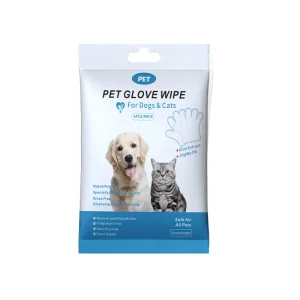
Premium Pet Glove Wipes – Hypoallergenic Aloe for All Animals
$3.29Original price was: $3.29.$1.99Current price is: $1.99. Add to cart -
Sale!
-1-300x300.webp)
Neutral pH Pet Ear Wipes for Gentle Daily Ear Cleaning
$4.29Original price was: $4.29.$1.99Current price is: $1.99. Add to cart -
Sale!
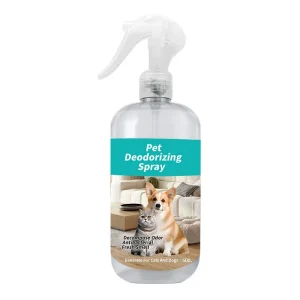
Pet deodorizing spray 500ml – professional body smell control
$7.89Original price was: $7.89.$5.99Current price is: $5.99. Read more
Related articles

How to Make a Cat Happy? Simple Things I Do Every Day
Wondering how to make a cat happy? Here are simple things I do every day to help my cat feel safe, comfortable, and loved.

Do Dogs Have a Sense of Time?
Do dogs have a sense of time? Learn how dogs use routines, light, smells, and daily habits to understand their world and anticipate what comes next.
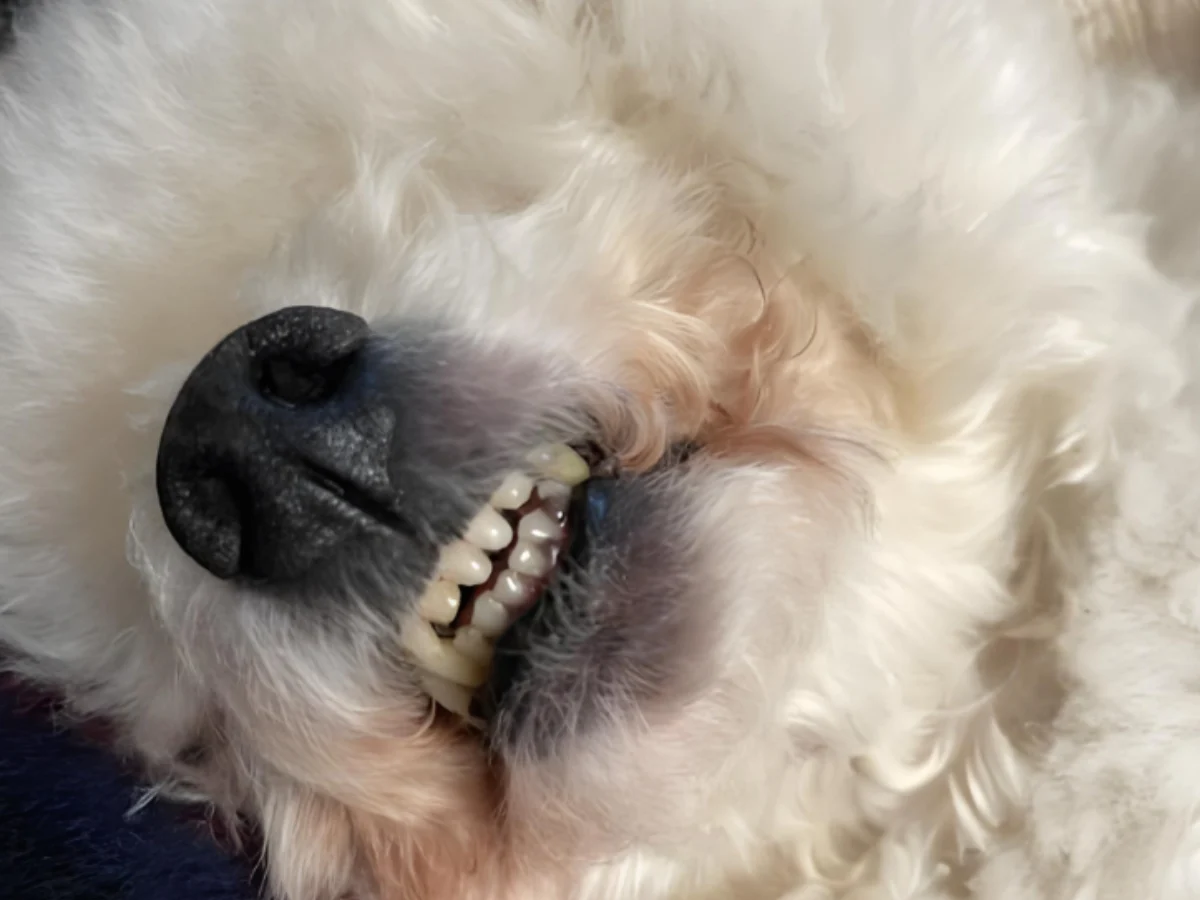
How to Clean Your Dog’s Teeth Without Brushing: Simple Daily Methods
Wondering how to clean dog teeth without brushing? Here are simple, everyday dental care tips I use for dogs who aren't fans of toothbrushes.