
Living with a cat brings plenty of companionship and joy, but it also comes with a few everyday pet-care challenges. One of the most common is litter box odor. In apartments or smaller homes, litter box odor can spread more easily, and simply opening a window or spraying air freshener usually does not solve the problem.
A common first reaction is to cover the odor with stronger fragrances, such as air fresheners or heavily scented cat litter. However, when strong fragrances mix with the existing litter box odor, the air in the room can actually smell worse. Effective how to Deodorize a Litter Box strategies are not about covering up the smell. The real goal is to reduce the sources of odor and prevent them from building up.
So, how to deodorize a litter box effectively? From removing waste promptly and maintaining the right litter depth to cleaning the litter box regularly, choosing suitable cat litter, and improving airflow around the box, several small details can make a noticeable difference.
Below, we will walk through several simple and practical ways to deodorize a litter box and keep both the litter area and your home smelling fresher.
Why Does a Litter Box Smell
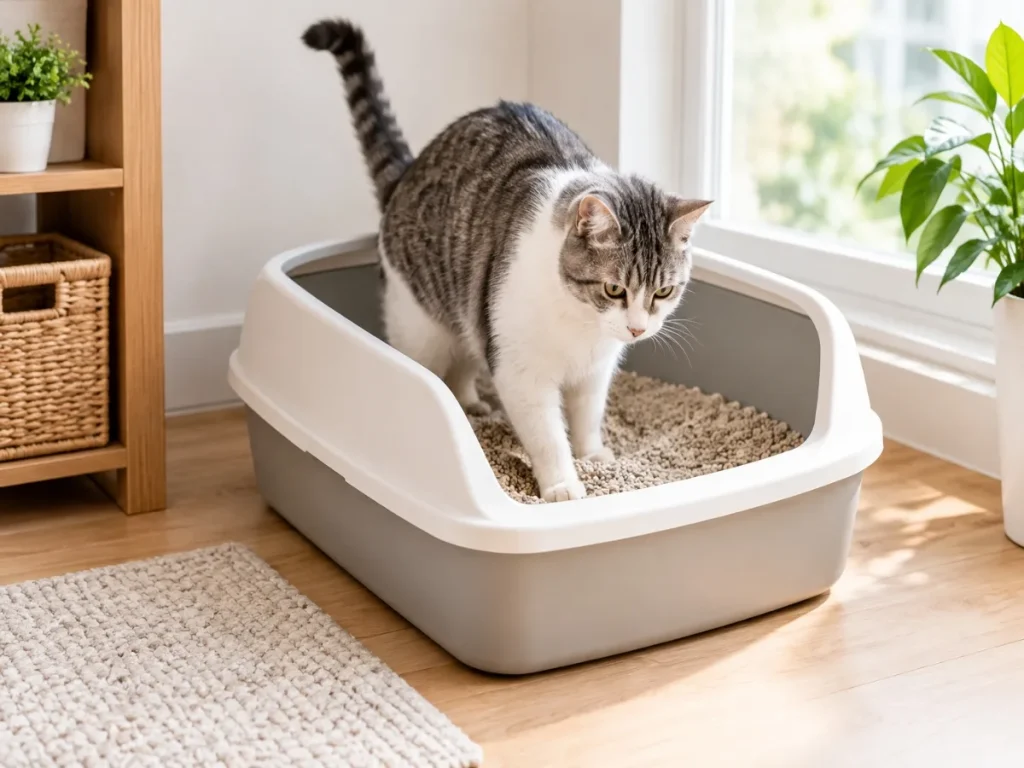
Understanding where litter box odor comes from can help you find a more effective way to deodorize a litter box. In most cases, odor is not caused by one factor alone. Waste, used litter, residue left inside the box, and poor ventilation can all contribute to the problem.
Cat Urine and Feces Are the Main Sources of Odor
Fresh urine and feces naturally have noticeable odors. The longer waste remains in the litter box, the more obvious the smell can become.
Urine residue can be especially troublesome. When the litter becomes less effective at absorbing liquid, some urine may remain on the bottom of the box or in other areas. Over time, this can create more persistent odors.
For this reason, one of the most direct ways to deodorize a litter box is not to add more fragrance, but to remove odor-producing waste as soon as possible.
Used Litter Gradually Loses Its Odor-Control Ability
Cat litter can absorb or contain urine and help control odors, but its odor-control ability is not unlimited. As litter is used over time, small contaminated particles can remain in the box.
Even after visible urine clumps and feces have been scooped out, the remaining litter may gradually accumulate odors. This is why simply adding fresh litter does not always solve an existing odor problem.
The Litter Box Itself Can Hold Odors
The bottom, edges, and corners of a litter box can collect urine, damp litter, and small amounts of residue. If the box is not thoroughly cleaned for a long time, these residues can become an ongoing source of odor.
Plastic litter boxes can be particularly prone to this issue. With prolonged use, scratches may appear on the surface, making it easier for dirt and residue to remain.
This is why regularly cleaning the litter box itself is just as important as replacing the litter when you want to deodorize a litter box effectively.
Poor Ventilation Makes Litter Box Odor More Noticeable
When a litter box is placed in a small, enclosed, or poorly ventilated area, odors can build up more easily.
Good airflow cannot replace regular cleaning, but it can help prevent odors from lingering indoors. That makes litter box placement an important part of any plan for how to deodorize a litter box.
How to Deodorize a Litter Box
The most important part of learning how to deodorize a litter box is not finding a single miracle deodorizing product. It is developing a consistent daily maintenance routine.
Remove Waste Promptly
Scooping urine clumps and feces promptly is one of the most basic and effective ways to deodorize a litter box.
Do not wait until you can clearly smell the litter box before cleaning it. The longer waste stays in the box, the easier it is for odors to spread and linger in the surrounding environment.
For litter boxes that are used frequently, you may also need to check and clean them more often. Instead of following a rigid schedule, adjust your cleaning routine according to how often the litter box is actually being used.
Maintain the Right Litter Depth
If there is too little litter, urine is more likely to reach the bottom of the box. However, adding more litter does not automatically provide better odor control.
For most products, following the depth recommendation on the package is a good starting point.
During everyday use, pay attention to signs such as:
- Urine frequently reaching the bottom of the box
- Litter that is difficult to clump or scoop
- Noticeable damp litter at the bottom
- Odors developing quickly
When you notice these problems, adjust the amount of litter as needed rather than simply adding more and more.
Replace Litter When It Loses Its Odor-Control Ability
Scooping can continuously remove larger pieces of waste, but it cannot restore used litter to the condition it had when it was first opened.
If the litter box still has a noticeable odor shortly after being scooped, it may be time to replace the litter completely and clean the box.
Different types of cat litter can have very different usable lifespans. Therefore, there is no single replacement schedule that works for every type of litter.
The condition of the litter and changes in odor are often more useful indicators than simply following a fixed number of days.
Clean the Litter Box Thoroughly on a Regular Basis
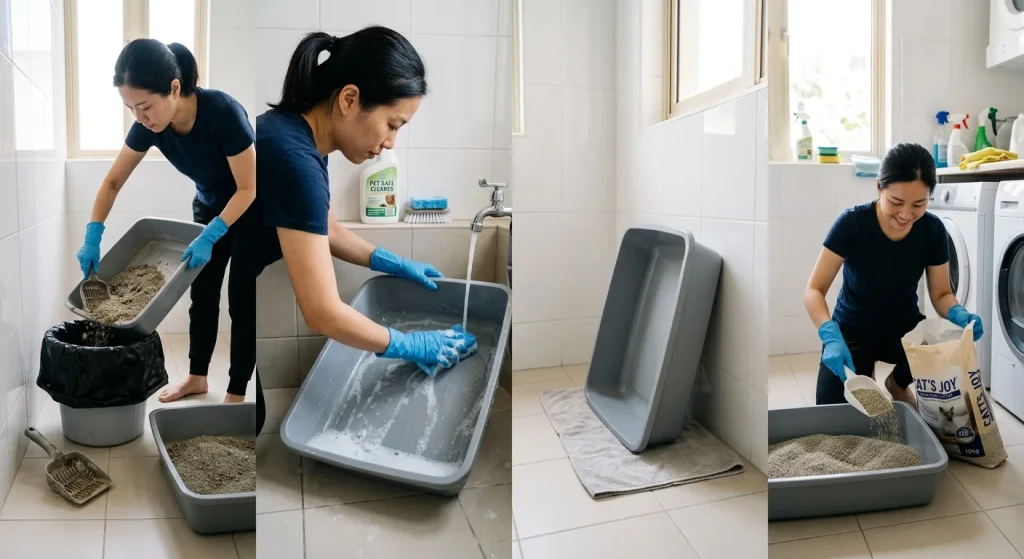
Replacing litter without cleaning the container itself can allow trapped odors to return quickly. Cleaning the litter box regularly is one of the most important parts of maintaining a fresh-smelling litter area.
When cleaning the litter box, follow these steps:
- Empty the old litter and remove any obvious residue.
- Scrub the bottom, edges, and corners thoroughly.
- Wash the box with warm water and a mild, lightly scented or unscented cleaning product.
- Rinse thoroughly to remove any remaining cleaner.
- Let the box dry completely before adding fresh litter.
If a litter box has been used for a long time, has many scratches on the surface, and continues to hold odors that are difficult to remove, replacing the container may also be worth considering.
Choose a Cat Litter That Works for You
The way cat litter absorbs moisture, forms clumps, and controls odors can all affect everyday maintenance. Choosing a litter your cat is comfortable using is also important, as litter preferences can vary between cats. Learn more about litter box and litter preferences.
- Clumping litter makes it easier to remove urine clumps quickly and can be a convenient option for households that want to reduce residue.
- Unscented litter does not rely on strong fragrances to cover odors. For cats or owners who dislike scented products, it can be a simpler choice.
- Litter containing odor-control materials such as activated charcoal can help control odors through adsorption, although effectiveness depends on the product formulation and the environment in which it is used.
- Plant-based and other alternative litters also have different absorption and clumping characteristics. Choose based on your cat’s acceptance and your household cleaning habits.
Most importantly, odor control is not the only factor to consider when choosing litter. If your cat clearly refuses to use a particular type of litter, even strong odor-control performance will not solve the practical problem.
Improve Airflow Around the Litter Box
Avoid keeping the litter box in a completely enclosed cabinet or in a corner with poor ventilation.
A better location is one that:
- Allows air to circulate naturally
- Is not consistently damp
- Makes daily cleaning convenient
In homes where litter box odor is more noticeable, an air purifier can also be used nearby to help improve indoor air quality. However, an air purifier should be considered a supporting measure, not a replacement for scooping and cleaning.
Natural Ways to Help Deodorize a Litter Box
In addition to regular cleaning, a few simple supportive measures can help control litter box odors. However, these should be treated as complementary methods rather than the main way to deodorize a litter box.
Baking Soda Can Be Used as a Supporting Odor-Control Material
Baking soda is commonly used for household odor control. Some cat owners lightly sprinkle a small amount into a dry litter box before adding fresh litter.
The key is to use only a small amount. Too much powder may increase airborne dust, so there is no need to add a large quantity.
If your cat clearly dislikes the addition of a new material, stop using it.
Activated Charcoal Can Help Adsorb Odors
Activated charcoal has a porous structure that can adsorb some odor molecules in the air.
When using activated charcoal, it is generally more practical to use it as a supporting odor-control material around the litter box, such as in a contained charcoal bag, rather than pouring large amounts of charcoal powder directly into the litter.
Activated charcoal also cannot replace regular cleaning. When a litter box has already accumulated a large amount of waste and residue, even additional odor-absorbing materials will have only a limited effect.
Use a Litter Mat to Reduce Odors Around the Box
Litter box odor does not always come entirely from inside the box. When cats leave the litter box, they may track small amounts of litter onto the floor.
If that litter contains moisture or residue, it can also develop odors over time.
Placing a suitable litter mat outside the litter box can help collect scattered litter and reduce the area that needs to be cleaned. The mat itself should also be cleaned regularly, or it may eventually become another source of odor.
How to Prevent Litter Box Odor From Coming Back
Instead of waiting until a litter box starts to smell, make odor control part of your normal routine.
Establish a Consistent Scooping Routine
Checking the litter box at regular times each day is more effective than waiting until you can clearly smell an odor before cleaning it.
If the litter box is used frequently, increase the frequency of checks and scooping accordingly.
Adjust Litter Replacement Frequency Based on Actual Conditions
There is no single rule stating that every litter box must be completely changed every specific number of days. How often to change cat litter depends on the type of litter, the number of cats, and how quickly the litter loses its effectiveness.
The number of cats, type of litter, litter box size, and household environment can all affect how long the litter remains usable.
Once the litter has clearly lost its ability to absorb moisture and control odors, replace it rather than mechanically waiting for a fixed date.
Keep the Litter Box Dry
Damp conditions can make odors more noticeable.
After washing the litter box, let it dry completely before adding fresh litter. Also avoid placing the litter box in an area that stays damp for long periods.
Choose the Right Location for the Litter Box
The litter box should be convenient for your cat to use and easy for you to clean.
Try to avoid:
- Completely enclosed, cramped spaces
- Areas that remain damp for long periods
- Hot locations with poor airflow
- Corners that are difficult to clean every day
Do Not Make One Litter Box Handle All the Use in a Multi-Cat Home
When multiple cats share one litter box, waste accumulates more quickly and the cleaning burden can increase significantly.
Adding more litter boxes can help distribute usage and make it easier to keep each box clean.
Common Mistakes When Trying to Deodorize a Litter Box
Some odor-control methods may seem convenient but only temporarily cover up the problem.
| Common Mistake | Better Approach |
| Using air freshener to cover the odor | Remove the odor source first, then improve ventilation |
| Using very strongly scented litter | Prioritize your cat’s acceptance and actual odor-control performance |
| Only adding fresh litter without removing old litter | Replace the litter completely and clean the box when necessary |
| Going too long without cleaning the litter box | Regularly check the bottom, edges, and corners |
| Cleaning only the litter box and ignoring the surrounding area | Clean the litter mat and nearby floor as well |
Using Air Freshener to Cover Litter Box Odor
Air fresheners may make a room smell more fragrant temporarily, but they do not eliminate the actual source of litter box odor.
If the litter box is already dirty, adding more fragrance simply combines the two smells.
For this reason, removing waste, checking used litter, and cleaning the litter box are usually more effective than continuously adding fragrance.
Adding Too Many Fragranced Products
Many products create a sense of freshness through fragrance, but stronger fragrance does not necessarily mean better odor control.
Especially in a small litter area, there is little need to rely on strong scents to cover odors. Products with a milder and simpler scent profile are often easier to manage.
Scooping Only and Never Cleaning the Litter Box
Daily scooping is necessary, but it cannot remove residue stuck to the bottom and edges of the litter box.
If a litter box has been used for a long time, odors may continue to come from residue on the container even after the litter itself has just been replaced.
Continuously Adding Fresh Litter to Old Litter
Adding fresh litter can help maintain an appropriate litter depth, but it cannot replace complete litter changes indefinitely.
Once the bottom contains a large amount of small contaminated particles, continuing to add fresh litter may only dilute the odor temporarily rather than actually removing the source.
Ignoring the Area Around the Litter Box
Tracked litter, the litter mat, the nearby floor, and even the wall around the litter box can accumulate dirt and residue.
Therefore, when learning how to deodorize a litter box, do not focus only on the litter inside the box. The surrounding area also needs regular attention.
What Is the Most Effective Way to Deodorize a Litter Box?
For most households, the most effective way to deodorize a litter box is not complicated:
Remove waste promptly, maintain an appropriate litter depth, replace the litter when it loses its odor-control ability, clean the litter box regularly, and maintain good airflow.
These basic measures are generally more important than relying solely on fragrance sprays or deodorizing products.
Supporting materials such as baking soda, activated charcoal, or litter mats can also be used according to your household needs, but they should not replace basic cleaning.
How Often Should You Clean a Litter Box to Control Odor?
There is no single cleaning schedule that works for every household.
Number of Cats
The more cats you have, the more frequently the litter box is generally used, so it may need to be checked and cleaned more often.
Single-cat and multi-cat households should not simply follow the same cleaning schedule.
Type of Cat Litter
Different types of litter handle moisture differently.
Clumping litter usually makes it easier to remove urine clumps separately. Non-clumping litter requires more attention to the overall saturation level. Crystal litter and plant-based litter also have their own characteristics.
Therefore, litter replacement frequency should be determined based on the product instructions as well as the actual condition of the litter.
Litter Box Size
A larger litter box can usually hold more litter and provide more space for use.
However, the size of the box cannot replace regular cleaning. If the box is used frequently, waste still needs to be scooped and the litter replaced as needed.
How Quickly Odor Appears
This is one of the most useful signs to watch.
If a noticeable odor returns quickly even after the litter box has been cleaned, the current litter, litter box, cleaning routine, or placement may need to be adjusted.
Instead of following a rigid schedule, it is better to adjust your routine according to the actual odor and usage conditions.
FAQ
Can Baking Soda Really Help Deodorize a Litter Box?
Baking soda can be used as a supporting material for household odor control, but it should be used in moderation and with attention to dust.
It cannot replace prompt scooping or regular litter box cleaning.
How Can I Improve Litter Box Odor Without Using Fragranced Products?
The focus should be on reducing the source of the odor rather than adding more fragrance.
Promptly remove waste, replace litter when needed, clean the litter box thoroughly, choose suitable litter, and maintain good airflow. These measures are generally more worthwhile to prioritize than fragranced products.
Can I Use Air Freshener Near the Litter Box?
Air fresheners cannot truly remove the source of litter box odor.
If you want to improve the smell of the surrounding environment, cleaning, ventilation, and air filtration are generally more useful to prioritize than covering the odor with strong fragrances.
How Often Should I Completely Replace Cat Litter?
It depends on the type of litter, the number of cats, and how the litter box is used.
Instead of memorizing a fixed number of days, pay attention to whether the litter has clearly lost its ability to absorb moisture and control odors.
If noticeable odor remains even after prompt scooping, consider replacing the litter completely and cleaning the litter box sooner.
Which Cat Litter Has the Best Odor Control?
There is no single type of litter that works best for every household.
Clumping ability, absorption, odor-control materials, your cat’s acceptance, and your cleaning habits can all affect real-world performance.
Rather than simply looking for the litter with the “strongest odor control,” choose one that your cat is willing to use, is easy to clean, and fits your household’s everyday needs.
Key Takeaways
Keeping a litter box fresh is not about relying on stronger fragrances. The key is to reduce the sources of odor and prevent them from building up.
Prompt scooping, appropriate litter replacement or replenishment, regular litter box cleaning, cleaning the surrounding area, and maintaining good airflow are the simple habits that provide the foundation for long-term odor control.
Once you notice that your litter box is starting to smell consistently, check the source of the odor instead of immediately reaching for more air freshener. Identifying the actual problem and then adjusting your cleaning frequency, litter type, or litter box placement accordingly is usually a more effective way to deodorize a litter box.
-
Sale!
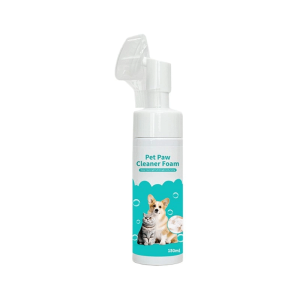
150ml No-Rinse Pet Paw Cleaner Foam – Waterless Paw Washer
Original price was: $7.19.$5.99Current price is: $5.99. Add to cart -
Sale!
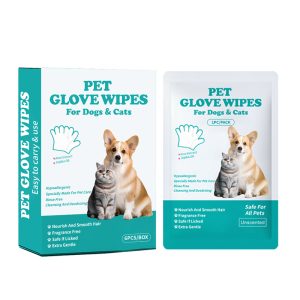
Single-Use Pet Grooming Glove Wipes – Paw Fur & amp Body Clean
Original price was: $8.98.$4.49Current price is: $4.49. Add to cart -
Sale!
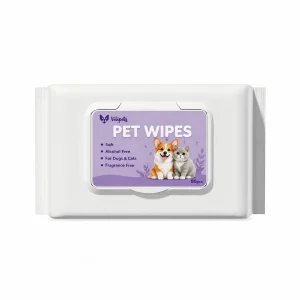
Soft pet skincare wipes that are antibacterial and eliminate odors, suitable for cleaning ears/paws/underbody areas, relieving itching and discomfort
Original price was: $4.29.$2.99Current price is: $2.99. Add to cart