

Table of Contents
Controlling litter box odor doesn’t require complicated chemicals or masking fragrances. The key is understanding the cause of the odor, addressing the problem at its source, and establishing a simple, repeatable daily cleaning routine. Below, I’ll share practical tips based on years of experience caring for cats to help you reduce litter box odors and keep your home fresher.
Why does the litter box smell so bad?
Common causes of odor from cat litter boxes
- Excrement remaining in the litter box for too long : Cat waste can produce ammonia and other odor-causing compounds as it breaks down.
- The litter layer is too thin : When the litter layer is too thin, urine will accumulate directly at the bottom of the litter box. With clumping litter, a deeper layer helps urine form clumps that are easier to scoop.
- Liquid residue at the bottom of the litter box : Residual urine can contribute to persistent odors, especially when it remains trapped in the bottom or corners of the box.
- Overcrowded litter box : Multiple cats sharing the same litter box will cause the litter to become saturated quickly, exceeding its absorption capacity.
- Odors accumulate on the inner walls and edges of the litter box : When cats dig or defecate, the litter can easily splash onto the box walls, and the residual liquid will continue to emit an odor after drying on the plastic surface.
Why do some cat litter boxes spread their odor faster?
- Small or poorly ventilated space : Enclosed spaces can trap odor molecules in the air, causing the odor concentration to rise rapidly.
- Place the litter box in areas with high foot traffic : Placing the litter box in a busy walkway can make the area uncomfortable for your cat and harder for you to keep clean.
- Odors accumulate between cleaning sessions : If not cleaned in time, initially mild odors can seep into surrounding fabrics, carpets, and wall panels over time.
How to stop cat litter box odor
Scoop Daily
- Scoop solid waste from the litter box regularly to keep it clean and help control odors. AAHA recommends scooping litter boxes daily and cleaning them regularly with mild soap and water.
- Be careful when scooping up urine clumps to avoid breaking them and contaminating the clean litter around them.
- Keep the remaining cat litter dry and clean, and promptly remove any small debris.
Keep an appropriate amount of clean cat litter in the litter box.
- Avoid making the litter layer too thin; Keep enough litter in the box to allow urine to form manageable clumps and reduce contact with the bottom of the box. Many cat owners find a depth of around 2–4 inches works well.
- Cat litter should be replaced promptly when it loses its absorbency or changes color noticeably.
- Regularly add only small amounts of litter; Top up the litter as needed, but replace it completely when the remaining litter becomes heavily soiled or loses its odor-control performance.
Deep Clean the Litter Box
- Regularly and thoroughly empty the old cat litter box, instead of relying solely on daily litter scooping.
- Instead of pouring new litter directly into an unwashed litter box, wash the litter box with warm water and a mild, unscented detergent, then rinse it thoroughly.
- Before adding new cat litter, the litter box must be thoroughly dried, as any remaining moisture can cause fresh litter to stick together or clump prematurely.
Choose an easy-to-clean litter box.
- Smooth, non-porous surfaces are easier to wipe and maintain.
- Avoid using litter boxes with deep crevices, broken parts, decorative grooves, or complicated corners (which easily trap dirt and grime).
- When choosing a litter box, consider its size and ease of use to ensure that your cat’s excrement will not easily splash outside the box.
Choose the right cat litter to enhance odor control.
Clumping cat litter and non-clumping cat litter
- Clumping cat litter can bind liquids into hard clumps that are easy to scoop out; while non-clumping cat litter absorbs liquids and requires more frequent replacement of the entire litter.
- Cleaning habits are just as important as the type of cat litter: even the best quality clumping cat litter will become ineffective if it is allowed to clump and break down; while non-clumping cat litter needs to be closely monitored to prevent it from becoming saturated.
Unscented cat litter and scented cat litter
Strong chemical fragrances do not necessarily mean better deodorization; strong fragrances often mix with ammonia to produce a more pungent smell.
A good odor control strategy should focus on eliminating or neutralizing the source of the odor, while strong fragrances are merely a self-deceptive attempt to mask the smell. When buying cat litter, you don’t need to specifically buy scented cat litter unless your cat really likes that scent.
Gradually change cat litter
- Gradually introduce new cat litter over 7–10 days, gradually increasing the proportion of new litter in the old litter.
- Avoid making drastic changes all at once; changing the type of cat litter and the location of the litter box may cause stress to the cat and lead to inappropriate urination.
Where should you place the litter box to minimize odor?
Choose a well-ventilated area
When placing a litter box, avoid putting it in a completely enclosed, dark, or stuffy space (such as a small storage cabinet or a poorly ventilated corner). We usually place it in a well-ventilated area because natural air circulation helps dissipate moisture and dilute odor molecules.
Avoid damp environments
Keep the area around the litter box dry, avoid damp surfaces, and ensure easy cleaning. Moisture slows down the drying process of cat litter, reduces its ability to clump, and makes odor control more difficult.
Easy to clean
When placing a litter box, avoid putting it in a hidden or inaccessible location to prevent it from creating a habit of delaying cleaning. The correct approach is to place the litter box in a location where you can easily scoop the litter every day.
How to thoroughly clean a cat litter box with a strong odor
Empty the old cat litter completely
Put all old cat litter into a sealed garbage bag and throw it away completely—when cleaning the litter box, never try to keep or recycle old litter.
Scrub off residue
Use warm water and unscented detergent or enzyme cleaner to carefully scrub the bottom, inner walls, corners, and outer edges of the basin. Pay special attention to hidden areas where tiny residues can accumulate, such as handle crevices and clasp edges.
Thoroughly dry the litter box
A clean but damp litter box will cause new litter to stick and turn into mud instantly; before adding more litter, wipe it completely dry with a clean towel or let it air dry completely.
Clean the area around the litter box
- Sweep or vacuum up any sand, dust, and particles that have fallen or been carried away from the surrounding area.
- Use a bio-enzyme spray to wipe nearby walls, baseboards, and cat litte mats to eliminate invisible urine splash residue.
What should I do if my cat litter box still smells after cleaning ?
Check under the edge of the litter box
Dried urine can easily accumulate under lidded litter boxes or those with removable rim clips, and is easily missed when wiping the surface normally.
Check the bottom of the litter box
Cat scratches and wear from plastic scoops can leave tiny scratches on the bottom of the bowl; these tiny crevices can harbor odor-causing bacteria and urinary salt crystals deep within.
Check the surrounding environment
The odor may originate from litter pellets that have been pulled out, urine stains that have splashed onto the baseboard, or a litter mat that has been soaked in odor, rather than the litter box itself.
Replace old or damaged litter boxes
When plastic basins show severe scratches, become old and worn, or are difficult to clean after 12–18 months of use, it is simpler and more hygienic to replace them with new ones than to constantly fight against residual odors.
Common Misconceptions about Litter Box Odor Control
- Simply layering fragrances : using chemical sprays or highly scented cat litter to cover up odors is not the same as eliminating the source of the odor.
- Waiting until the litter box is extremely dirty before cleaning it : Delaying litter removal can cause excrement to decompose and produce strong gases that can seep into nearby home fabrics.
- Changing the litter box without cleaning it : If you pour new litter directly into an unwashed box, the dirt remaining at the bottom will still contaminate the new litter.
- Neglecting hygiene around the litter box : litter dust, loose particles, and debris splashed on walls are major sources of unpleasant odors in the home.
- Using a difficult-to-maintain litter box : A complex and difficult-to-disassemble litter box increases the burden of daily cleaning, leading to neglect of cleaning.
How to keep the cat litter box fresh in the long term?
To maintain a fresh environment without adding unnecessary burden, daily litter box care routine can be condensed into the following simple, repeatable habit cycle:
- Remove waste : Remove solid waste and liquid clumps in a timely manner.
- Check the litter : Ensure the litter layer is maintained at an appropriate thickness (8–10 cm) and replenish with clean, fresh litter as needed .
- Keep dry : Ensure good ventilation in the room to eliminate accumulated moisture.
- Clean the surrounding area : Clean the litter mat, and wipe the adjacent baseboards or walls.
- Deep clean if necessary : Thoroughly scrub the litter box. If old scratches prevent the odor from being eliminated, replace the litter box with a new one.
FAQ
Why does my litter box still smell after I scoop it?
Persistent odors usually originate from urine residue in tiny scratches on the bottom of old plastic basins, unwashed residue below the rim, or dirt on the surrounding litter mats and baseboards.
How to solve the problem of cat litter box odor in small apartments/small houses?
Place the litter box in a well-ventilated area, not in a closed closet. Scoop the litter daily to maintain a high-quality clump of litter (8–10 cm thick). For extra odor control, you can also use an air purifier or activated charcoal nearby.
Do scented cat litter really work effectively to eliminate odor?
Not necessarily. Scented litter may mask odors rather than remove their source, and some cats may simply prefer unscented litter. Unscented cat litter with natural neutralizing ingredients (such as activated charcoal or baking soda) is actually more effective at absorbing odors at their source.
How often should you completely change your cat litter?
For clumping cat litter, the litter box usually needs to be completely replaced and cleaned every 2 to 4 weeks, depending on how the cat uses it; for non-clumping cat litter, the entire litter box usually needs to be replaced every 1 to 2 weeks.
How to eliminate lingering odors from the cat litter box in a room?
Use a bio-enzyme cleaning spray to wipe the baseboards, walls, and floor around the litter box to break down urinary salts, wash nearby fabric pads, and promote indoor air circulation by opening windows or using a fan.
Does an old litter box cause a worse odor?
Yes. Over time, scratches from a cat’s claws and wear from the litter scoop can leave tiny scratches on the bottom of the litter box. Bacteria and urinary salts can accumulate in these crevices, causing the litter box to retain an unpleasant odor even after thorough cleaning.
How can I reduce the odor from my cat litter box without using strong fragrances?
Scoop waste regularly, keep the litter at an appropriate depth, and place the box in a well-ventilated area. Keeping the box clean and choosing an effective odor-control litter can help manage odors without relying on strong fragrances.
In conclusion
Actually, getting rid of litter box odor isn’t that difficult. You just need to follow these five basic principles to completely eliminate litter box odor.
- Eliminate cat excrement at its source
- Keep the cat litter clean
- Keep the litter box environment dry
- Optimize the placement of the litter box
- Consistently perform daily litter box cleaning
These simple habits can make litter box odor much easier to control and help keep your home fresher.
-
Sale!
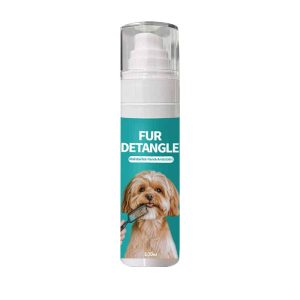
Multi-purpose Pet Fur Detangler: Antistatic & Untie Knots
$7.89Original price was: $7.89.$5.99Current price is: $5.99. Add to cart -
Sale!
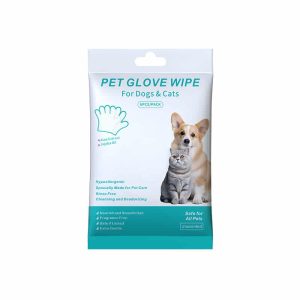
Universal Multi-purpose Pet Cleaning Gloves Aloe & Jojoba
$6.28Original price was: $6.28.$3.14Current price is: $3.14. Add to cart -
Sale!
Pet Wipes Cat Dog Circle Wipes for Cleaning Eyes
$6.99Original price was: $6.99.$4.89Current price is: $4.89. Add to cart
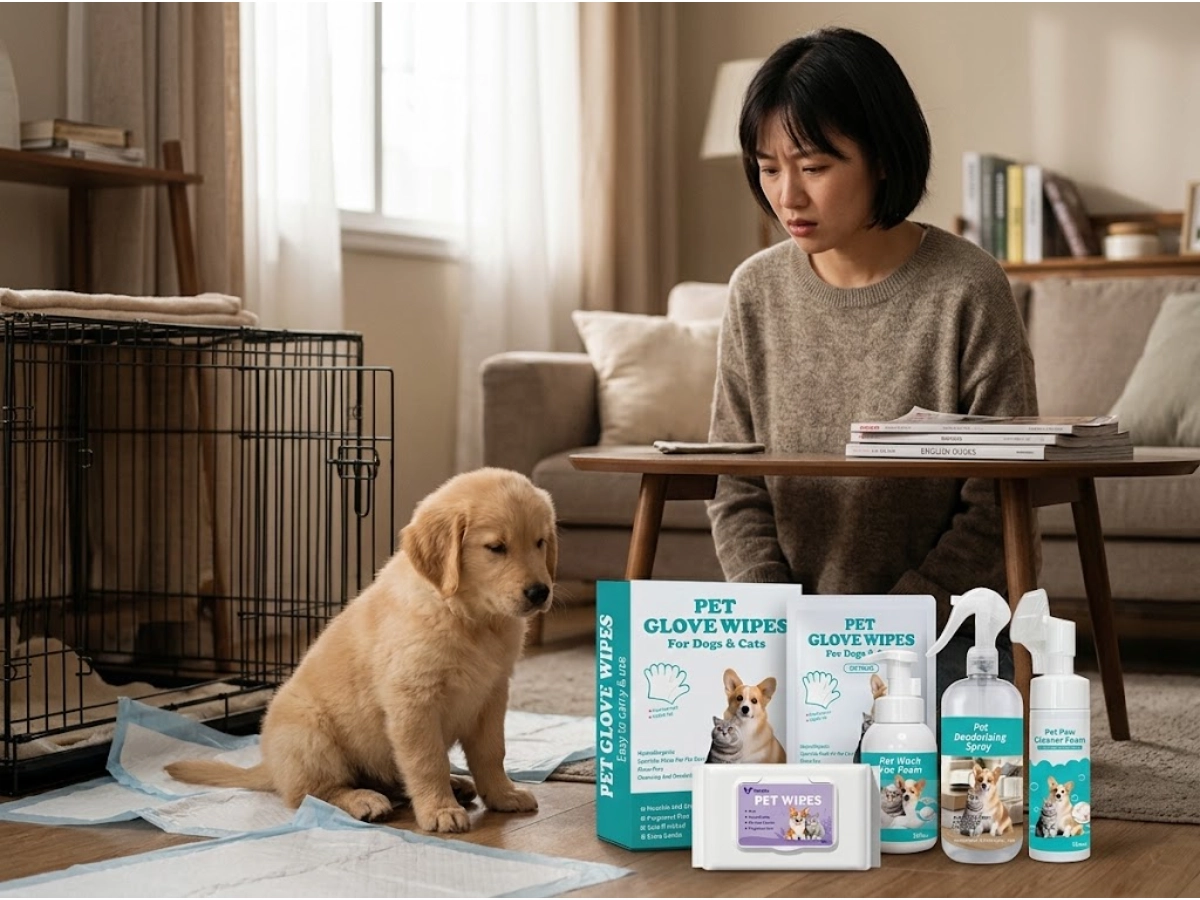
What Do You Need to Prepare for Potty Training a Dog?
Why Is My Cat Shedding So Much?