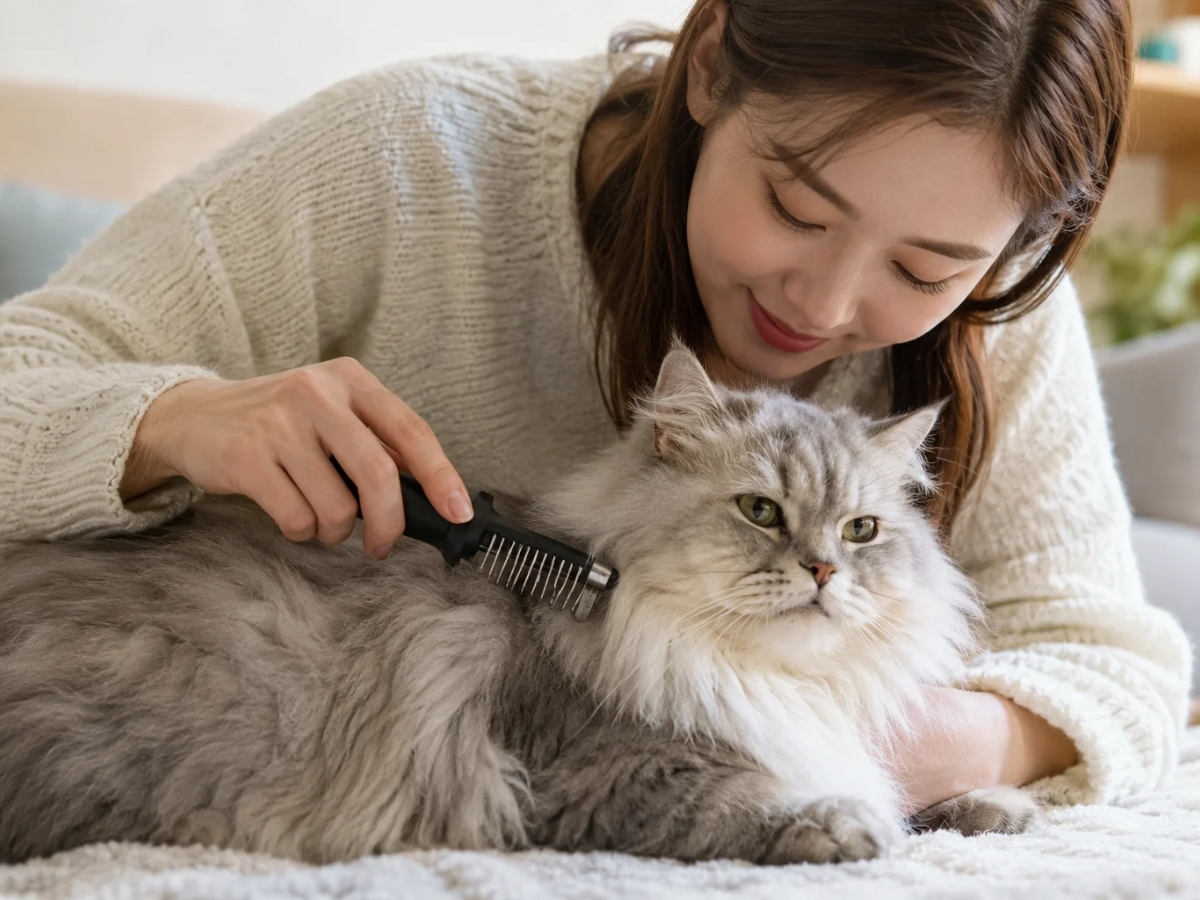

If you’re a cat owner, have you ever wished your cat would listen to your commands and become more well-behaved? Training your cat can also give you more opportunities to interact and spend time together, helping you build a closer bond.
Today, I’d like to share a few simple tips from my own experience on how to train a cat. I hope they can be helpful, and I’d also love to hear your own experiences and ideas.
1. Why Train Your Cat?
① Appropriate interaction and training can provide cats with new activities and stimulation, helping them stay interested while also gradually getting them used to everyday environments and grooming routines;
② Cats spend a lot of time at home while we’re away at work, and this kind of environment can sometimes feel a little repetitive for them, which may lead to boredom.
For indoor cats that spend most of their time at home, appropriate interactive training can provide more daily activity and mental stimulation;
③ It can help you build a closer relationship with your cat, allowing your cat to trust you, enjoy spending time with you, and associate you with positive feedback;
④ It can also help your cat become more comfortable with everyday care, such as nail trimming, tooth brushing, and general cleaning.
2. Basic Ways to Train a Cat
● Luring:
For example, when you give your cat the command to “come,” you can hold a treat or something your cat usually likes and gently move it in front of them. Don’t give it to them right away. Instead, slowly step backward while giving the command, encouraging your cat to follow you because of the tasty reward. With repeated practice, your cat can gradually learn to associate the command with the desired behavior.
● Rewarding:
Give your cat a reward immediately after they perform the desired action. Training should be gradual. In the beginning, reward your cat when they complete simple actions. As training progresses, you can gradually increase the difficulty before giving a reward.
3. What Should You Keep in Mind When Training Your Cat?
The American Veterinary Medical Association (AVMA) notes in its materials on animal restraint that, when the goal is to reduce fear, stress, and discomfort, positive reinforcement and less aversive handling methods should be considered.
When Should You Start Training a Cat?
Cats that are introduced to simple training from a young age may find it easier to incorporate these interactions into their daily lives. However, this doesn’t mean adult cats cannot be trained. As long as your cat is healthy and willing to interact, adult cats can also learn new behaviors.
What Is the Best Time to Train a Cat?
If you’re using food as a reward, you can choose a time when your cat is interested in eating, such as between meals or before feeding. However, don’t let your cat become overly hungry and frustrated. What really matters is finding a time when your cat is willing to interact with you.
Combining Different Forms of Stimulation
Try to combine different forms of stimulation and training methods in a thoughtful way. Avoid being too strict, but don’t simply let your cat do whatever it wants either. When training a specific behavior, avoid using too many different methods at once, as this can confuse your cat.
Be Patient
Cats tend to have an independent personality and can be quite strong-willed. They may not always want to be told what to do, so try to stay gentle and patient during training, almost as if you’re simply playing together.
Even when your cat makes a mistake, avoid excessive scolding or punishment. Otherwise, your cat may start to associate training with unpleasant experiences, which can affect future training.
Take It Step by Step
Teach one behavior at a time instead of trying to train several things at once. Cats may find it difficult to learn too many behaviors at the same time. If they keep struggling, they may become frustrated and lose interest, making future training more difficult.
Each training session should also be kept at a reasonable length. It’s best not to make a session too long, with around 10 minutes or less being a good guideline, while you can have several short sessions throughout the day.
Keep the Training Environment Quiet
Choose a quiet place when training your cat so there are fewer distractions. Avoid sudden movements or loud noises during training. Cats can be very sensitive to loud sounds and unexpected movements, which may scare them and cause them to run away or hide instead of continuing with the training.
4. Everyday Behavior Training
How to Train a Cat to Use a Specific Toilet Area?
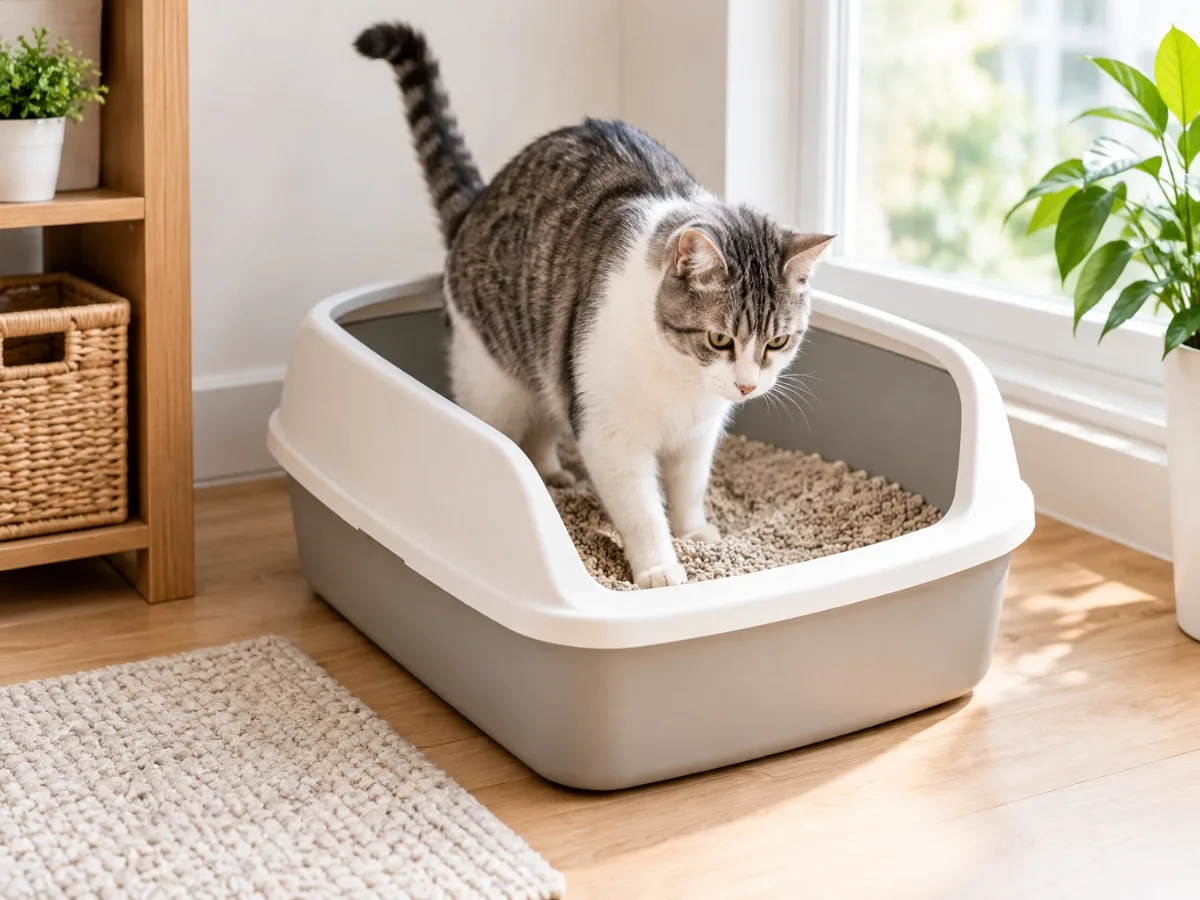
① Place the cat litter box in a suitable location. After guiding your cat to the litter box several times, they can gradually develop the habit of going there when they need to use the toilet.
② If you notice your cat urinating somewhere they shouldn’t, don’t hit or scold them. Instead, calmly but firmly tell them that they shouldn’t go there.
③ At the same time, take your cat to the area where the litter box is located and let them become familiar with their own scent there.
④ It’s best to place your cat’s designated toilet area in the bathroom. You can prepare a dedicated cat toilet there so it is easier to clean and flush when needed.
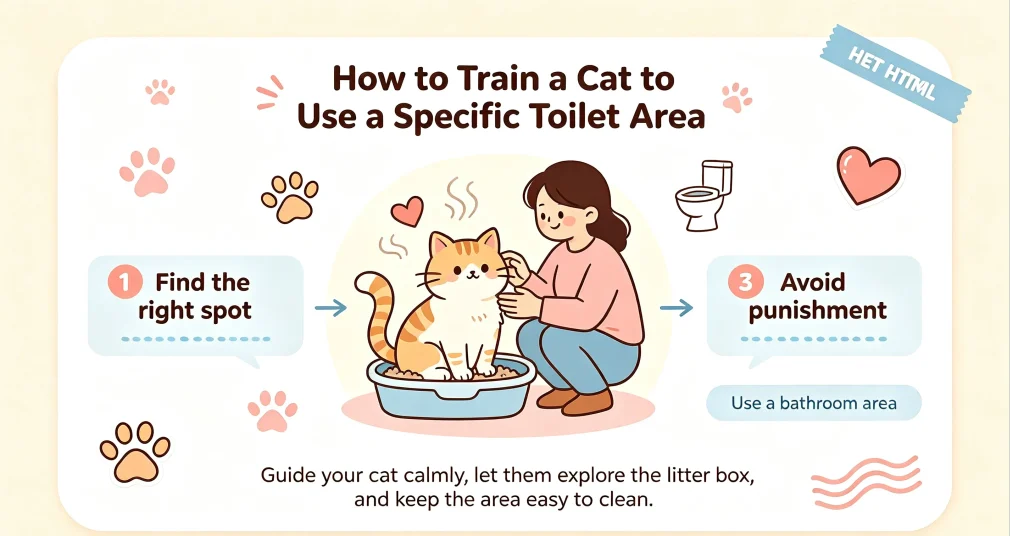
⑤ When you’re at home, after your cat uses the toilet, you can gently wipe them with pet wipes designed for cats to help keep them clean.
5. Special Skill Training
How to Train a Cat to Retrieve Objects?
① Hold the object you want to use for training in front of your cat and move it around to get their attention.
② Then throw the object and call your cat’s name in a friendly voice, giving a command such as “bring it here” or “come get it.”
③ Point toward the object and encourage your cat to go and retrieve it. If they don’t go, guide them toward the object and repeat the command while pointing to it.
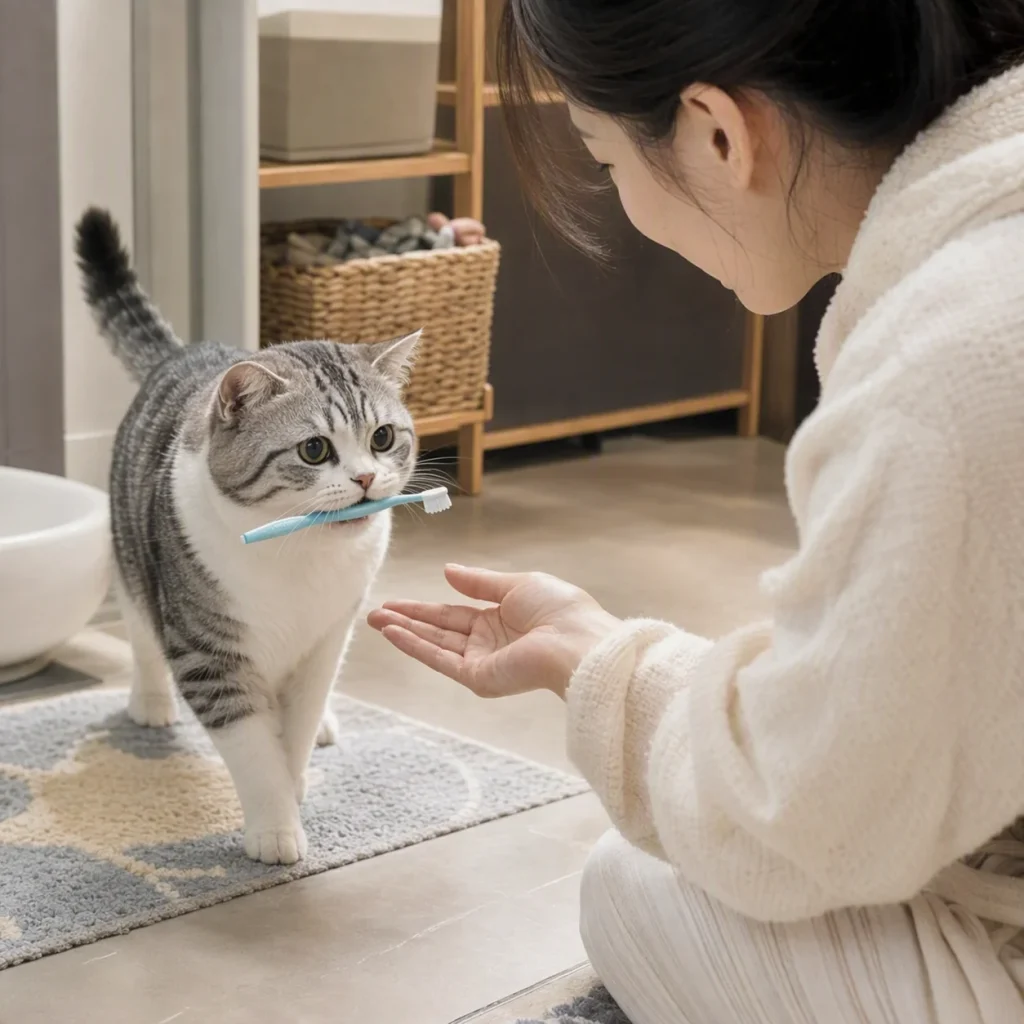
④ After repeating this several times, if your cat is able to retrieve the object you throw, give another command for them to release it. Once your cat follows the command and drops the object, immediately give them a food reward. You can continue practicing this regularly.
⑤ You can also replace the object with something related to their usual grooming routine. For example, when you’re going to brush your cat’s teeth, you can train them to bring the toothbrush to you.
How to Train a Cat to Lie Down and Stand Up?
① When training your cat to lie down and stand up, start when your cat is standing. Give the “lie down” command while gently guiding your cat into a lying position with your hand.
② Then give the “up” command and release your hand, allowing your cat to stand up on their own. Reward your cat immediately after they complete each action.
③ At the beginning of training, ask your cat to stand up shortly after lying down. Once your cat has developed a stronger association with the commands, you can gradually train them to stay lying down for longer periods.
④ After some time has passed, continue practicing the training again.
6. Frequently Asked Questions
Can Cats Really Be Trained?
Of course! Cats may have minds of their own, but with the right approach, they can still learn simple behaviors and daily routines.
I personally prefer using treats, toys, or praise to reward my cat for doing something correctly rather than forcing them to obey. For example, when I call my cat’s name and they turn to look at me, I give them a small reward right away.
Training doesn’t always have to be about teaching tricks like shaking paws or spinning. Helping your cat become comfortable with brushing, nail trimming, ear cleaning, and other everyday care is also a very useful form of training.
How Can I Get My Cat Used to Ear Cleaning?
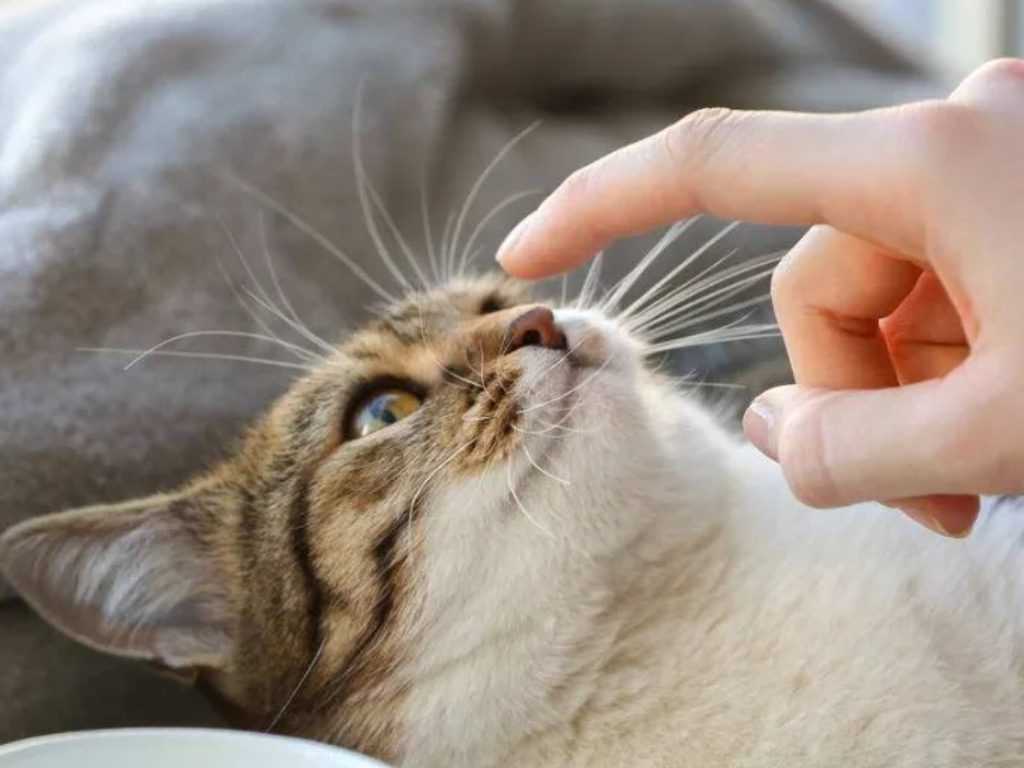
If your cat runs away as soon as you touch their ears, don’t immediately hold them down and start cleaning. I recommend starting by gently touching around their ears. When your cat stays calm, give them a small reward and let them gradually get used to the contact.
Once your cat becomes comfortable with it, you can slowly introduce the wiping motion. There’s no need to rush. Take it one small step at a time and help your cat associate ear care with a calm and positive experience.
-
Sale!
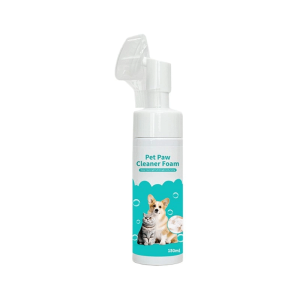
150ml No-Rinse Pet Paw Cleaner Foam – Waterless Paw Washer
Original price was: $7.19.$5.99Current price is: $5.99. Add to cart -
Sale!

Single-Use Pet Grooming Glove Wipes – Paw Fur & amp Body Clean
Original price was: $8.98.$4.49Current price is: $4.49. Add to cart -
Sale!

Soft pet skincare wipes that are antibacterial and eliminate odors, suitable for cleaning ears/paws/underbody areas, relieving itching and discomfort
Original price was: $4.29.$2.99Current price is: $2.99. Add to cart