
How to Prepare Your Pet for a Photo-Perfect Portrait
A great pet portrait starts with a great reference photo. Whether you want a framed keepsake, a ceramic mug, a wool portrait, or another personalized gift, the photo you upload will influence how clearly your pet’s expression, coat, and personality come through.
These simple pet photo tips for a custom portrait will help you prepare your dog or cat comfortably, choose the right lighting, and capture an image that works well for both digital artwork and physical keepsakes.
1. Start with Comfortable Grooming
Your pet does not need a dramatic makeover before a photo session. The goal is simply to help them look clean, comfortable, and recognizably themselves.
Begin with a gentle brush if your pet is used to it. Brushing can remove loose hair, dust, and small tangles while helping the coat look more natural in photographs. For a quick cleanup after a walk, wipe away dirt from the paws or fur with a pet-specific product. You can also follow Vilipets’ guide to cleaning dog paws for a simple paw-care routine.
Avoid introducing a new shampoo, fragrance, or grooming technique immediately before taking photos. A new product may irritate sensitive skin or make your pet uncomfortable. The American Kennel Club recommends using pet-appropriate hygiene products and avoiding human grooming products on dogs. When in doubt, ask a professional groomer or veterinarian.
If your pet has severe matting, irritated skin, an injury, or another health concern, solve that problem before taking pictures. Do not force a grooming session simply to improve an image.
2. Help Your Pet Relax Before the Camera Comes Out
The best pet photos usually show a natural expression rather than a forced pose.
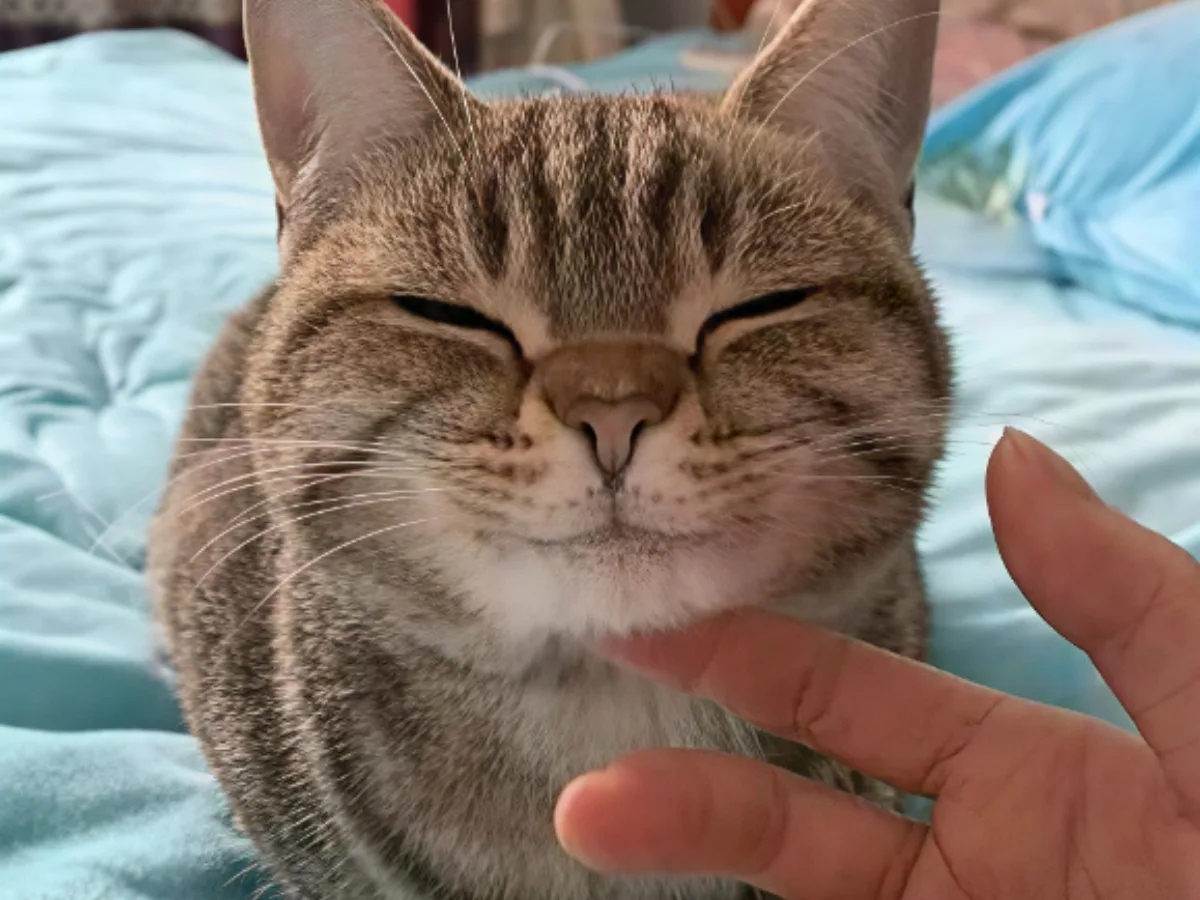
Give your pet a few minutes to settle in the room. A short walk or gentle play session can help an energetic dog relax. For cats, allow them to explore the space and choose a comfortable place to sit.
Keep small treats nearby, but do not use them to force your pet into an uncomfortable position. A helper can stand behind the camera and quietly call your pet’s name or make a familiar sound. Take short breaks and stop if your pet shows signs of stress.
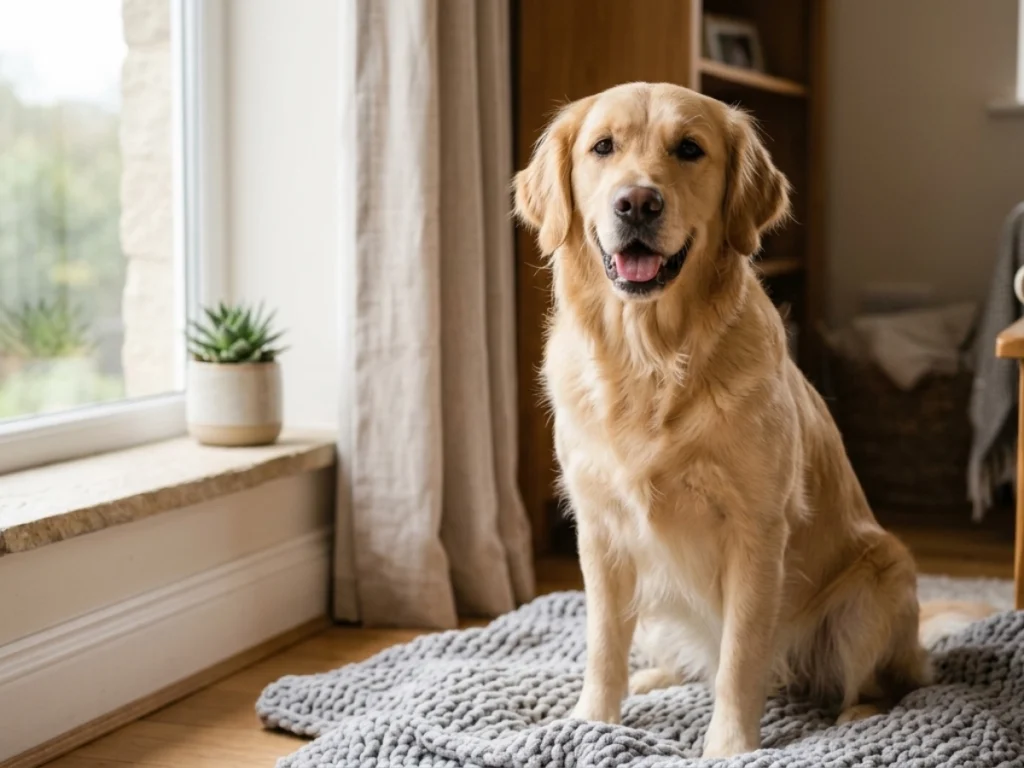
You do not need a professional studio. A quiet room, a familiar blanket, and a patient person are often enough.
3. Use Soft Light and an Eye-Level Angle
Lighting and camera angle make a major difference.
The easiest setup is soft natural light from a window or an open-shade outdoor area. Avoid direct midday sun, which can create harsh shadows, and avoid flash, which may cause red-eye or flatten the details in dark fur.
Next, lower the camera to your pet’s eye level. Photos taken from directly above can change the proportions of the head and body. An eye-level angle makes the expression feel more personal and gives an artist or designer a clearer reference.
Before taking the photo:
- Clean the camera lens.
- Use the standard 1x camera setting when possible.
- Keep both eyes visible and sharply focused.
- Leave enough space around the ears, chin, and body.
- Use a simple background that does not compete with your pet.
- Avoid heavy filters and screenshots from social media.
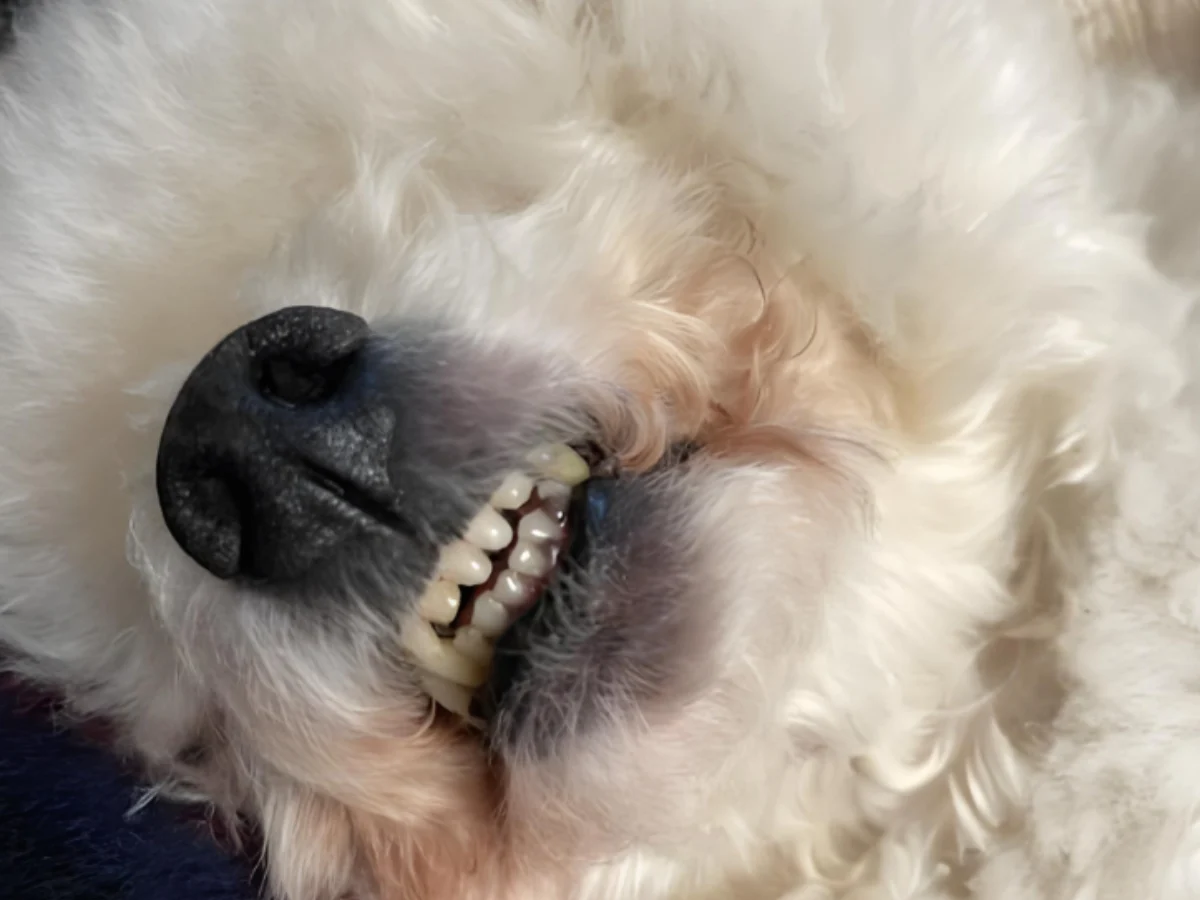
If your pet has very dark or very light fur, take several photos in different areas of the room. The goal is to preserve detail in the eyes, nose, coat, and facial markings.
4. Take Several Types of Reference Photos
One photo may be enough, but several options give you more flexibility.
Try taking:
- A front-facing portrait;
- A three-quarter view;
- A relaxed side profile;
- A full-body photo;
- A close-up of the face;
- A photo showing a distinctive marking, collar, or expression.
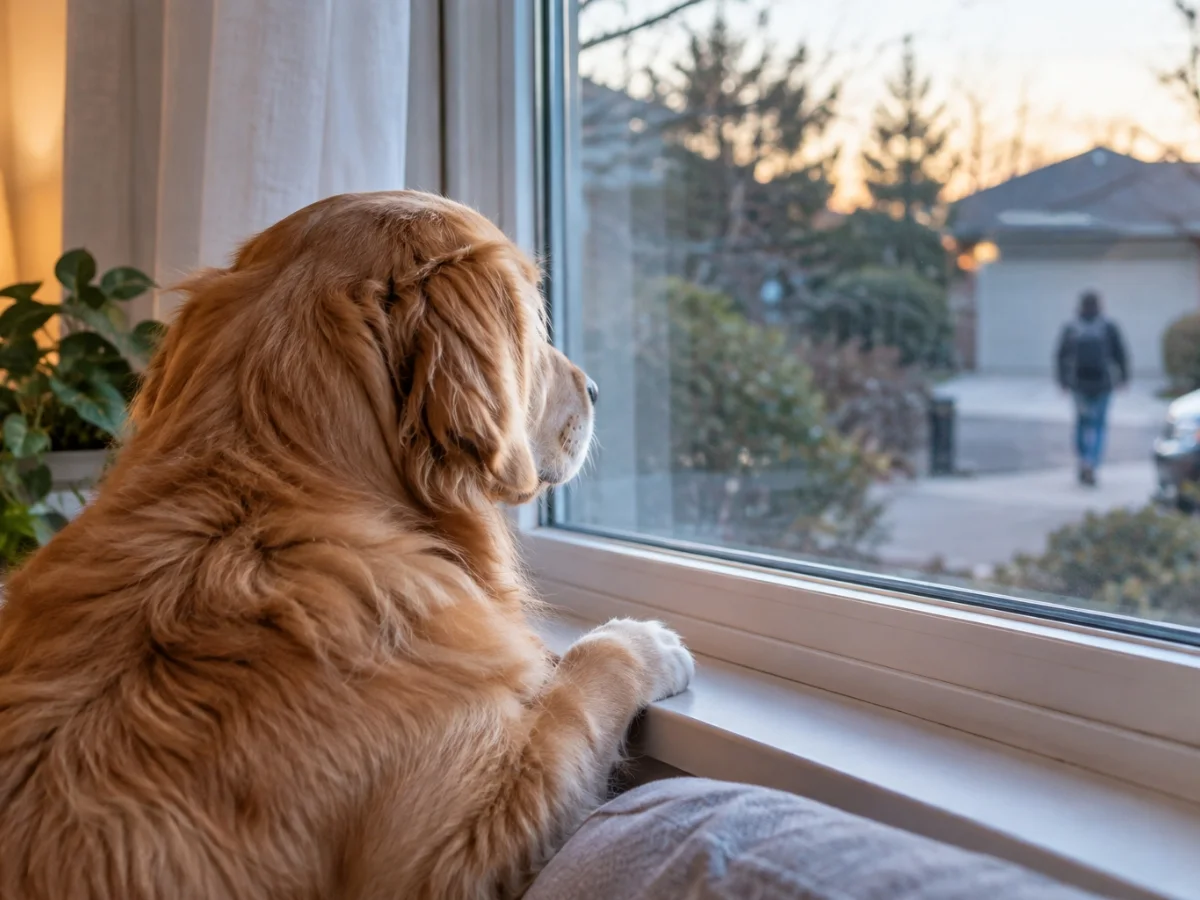
For dogs, a photo after a walk may capture a calm and alert expression. For cats, a quiet moment near a window may work better than trying to pose them.
If you want a portrait with multiple pets, photograph them separately if they rarely sit still together. Clear individual photos can sometimes be combined during the design process, depending on the product and service.
For a memorial keepsake, do not reject an older photo simply because it is not technically perfect. A meaningful expression or familiar pose may matter more than a completely polished image. Send the original file whenever possible rather than a compressed screenshot.
5. Match the Photo to the Keepsake You Want
Think about the final product before choosing your reference photo.
A close-up may work especially well for a mug, pendant, keychain, or small ceramic piece. A full-body or side-profile image may be better for wall art, a wool portrait, or a larger display item. If the product includes text or a name, leave enough space around your pet so the design does not feel crowded.
For shoppers who want to turn one good photo into something they can use or display every day, custom pet gifts made from your photo can include ceramic keepsakes, wool portraits, jewelry, leather pieces, and printed gifts. Product pages should always be checked for the available photo requirements, personalization options, and delivery details.
The most important thing is that the image looks like your real pet. A simple, well-lit photo is often more useful than an elaborate pose with distracting props.
A 10-Minute Pet Photo Checklist
Before uploading a photo, check the following:
- Is your pet calm and comfortable?
- Is the coat reasonably clean and free of visible debris?
- Are the eyes clear and in focus?
- Is the photo taken at eye level?
- Is the light soft rather than harsh?
- Are the ears and chin visible?
- Is the background simple?
- Did you avoid flash, filters, and digital zoom?
- Do you still have the original high-resolution file?
- Does the photo show your pet’s personality?
If the answer is yes to most of these questions, you probably have a strong starting image.
Frequently Asked Questions
Should I groom my pet on the same day as the photo?
Only if your pet is comfortable with it. A light brushing or gentle wipe is usually fine, but avoid a stressful haircut or unfamiliar product immediately before the photo session.
Is a phone camera good enough?
Yes. A modern phone can produce a useful reference photo when the lens is clean, the lighting is soft, and the image is in focus. Use the original file instead of a compressed screenshot.
What if my pet will not sit still?
Take several short bursts instead of trying to hold one perfect pose. Photograph your pet during a naturally calm moment, such as after a walk, during quiet play, or while resting near a window.
Can one photo be used for different pet gifts?
Often, yes, but each product has different size and framing requirements. Review the product page or ask the maker which photo format works best before ordering.A good pet photo is not about making your dog or cat look perfect. It is about preserving the expression, markings, and small details that make them yours. With gentle grooming, patient handling, and soft natural light, an everyday photo can become a keepsake you will enjoy for yea
-
Sale!

disposable Finger-shaped dental cleaning wipes for pets fresh breath
Original price was: $6.68.$3.34Current price is: $3.34. Add to cart -
Sale!
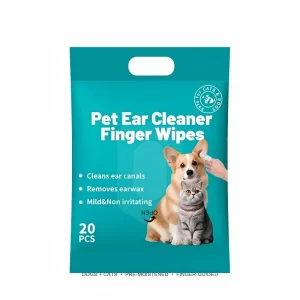
Gentle Neutral pH Round Pet Eye Wipes Tear Stain Removal
Original price was: $5.98.$2.99Current price is: $2.99. Add to cart -
Sale!
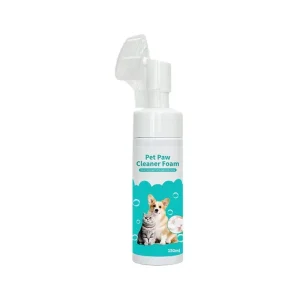
Foaming dog body cleaner with a silicone brush for pet paws no rinsing
Original price was: $8.98.$4.49Current price is: $4.49. Add to cart