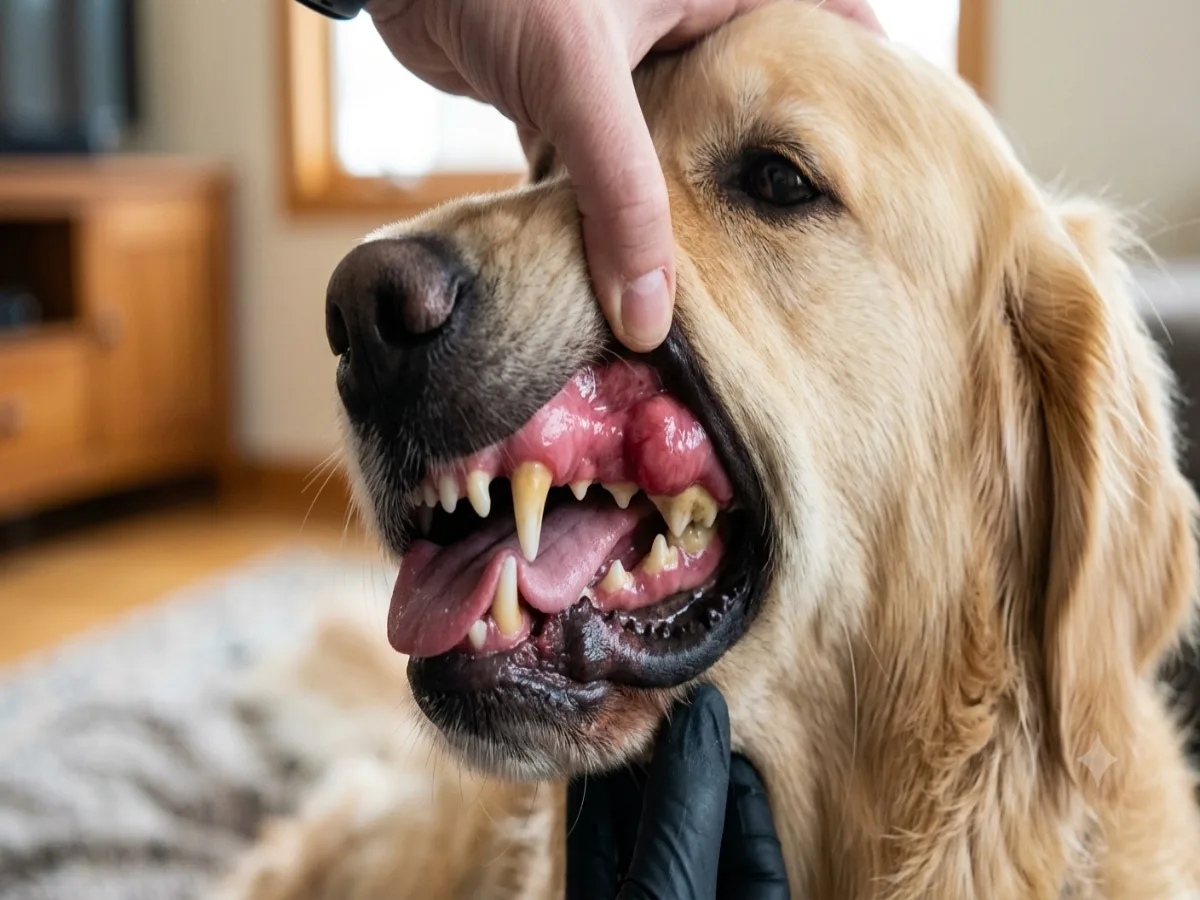

When choosing dental wipes for dogs, how should you make the right selection? Here are some practical tips: Opt for established brands and professional veterinary products—choosing time-tested brands helps reduce risks. Safe dog teeth wipes ingredients support your dog’s oral health and effectively help prevent dental diseases.
Dental wipes can remove some plaque and offer a certain level of assistance, but they cannot replace brushing. According to VOHC (Veterinary Oral Health Council), brushing remains the gold standard. Products approved by VOHC, when used as directed daily, may help reduce the severity of periodontal disease. These wipes are suitable only for removing soft plaque that has just accumulated on teeth after eating; they cannot eliminate hardened tartar. Relying on physical friction combined with ingredients like tea polyphenols, regular wiping can effectively remove newly formed soft plaque and debris, helping to reduce bad breath and freshen the mouth. However, if plaque is not cleaned within 2–3 days, it hardens and calcifies into tartar.
That is possible, but the best method is still to brush your dog’s teeth. Dogs are omnivores and don’t need daily brushing. For dogs that resist brushing, dental wipes can serve as a practical alternative and are an excellent tool for daily preventive care. They are especially useful for routine maintenance, but they cannot address or remove existing tartar.
Always check the ingredient list before purchasing! Prioritize wipes with neutral pH, non-foaming formulas, and those specifically designed for pets. Never substitute human-use wet wipes, and opt whenever possible for products with transparent ingredients from reputable brands. Keep in mind that dental wipes are only supplementary—they cannot replace professional veterinary teeth cleaning.
① Base Water: Deionized water or RO-purified water—sterile and free of impurities
② Natural Cleaners: Lysozyme and glucose oxidase help break down plaque and food debris; baking soda gently softens tartar
③ Antibacterial & Deodorizing Agents: Natural plant extracts such as tea polyphenols, green tea extract, and honeysuckle extract can inhibit bacteria and reduce bad breath
④ Auxiliary Ingredients: Glycerin and zinc gluconate make them more suitable for daily use
① Must-Avoid Ingredients: Xylitol—can cause hypoglycemia, liver failure, and even death in dogs
② Irritating Ingredients: Alcohol, artificial fragrances, and menthol may burn delicate oral mucosa; long-term use can lead to dry mouth and increase strain on the liver and kidneys
③ Cautiously Evaluated Ingredients: Chlorhexidine (frequent use may stain teeth and affect taste perception; prescription versions should only be used under veterinary guidance), propylene glycol (long-term or high-dose use carries potential risks)
④ Allergenic or Harmful Preservatives: MIT/CMIT and parabens—some pet care resources classify these as potentially problematic, especially increasing irritation or allergic reactions in sensitive animals
Regardless of whether a product is labeled “natural,” avoid xylitol, alcohol, propylene glycol, artificial fragrances, and preservatives, as they can be harmful to dogs.
| Ingredient | Explanation |
| Green Tea Extract | Natural antibacterial and anti-inflammatory properties, gently cleanses and reduces bad breath |
| Grape Seed Extract | Natural antioxidant and antimicrobial agent, commonly found in premium dental care products |
| Coconut Oil | Contains lauric acid, which helps inhibit oral bacteria; safe for daily tooth brushing |
| Lysozyme | Natural enzyme that gently breaks down plaque, ideal for dogs resistant to brushing |
| Deionized Water / Purified Water | Free from germs and impurities, a safe base that minimizes irritation |
| Glycerin | Moisturizing and gentle, reduces gum irritation |
Vet’s Best Finger Wipes: Natural enzymes + aloe vera, with a finger sleeve design that makes them easy to use—ideal for dogs resistant to brushing, great for daily breath freshening.
Maxi-Guard Wipes: Zinc ion formula focused on preventing periodontal disease, gentle and no-rinse, suitable for both cats and dogs, perfect for sensitive mouths during daily care.
HICC Pet Sensory Tooth-Cleaning Finger Wipes: Made with natural ingredients and a mild mint scent, soft yet durable material that resists tearing, suitable for both cats and dogs—super convenient for removing plaque and freshening breath daily.
Vet’s Best Veterinarian-Recommended Dental Finger Wipes: All-natural formula (aloe vera + natural enzymes), gentle and non-irritating, designed to reduce plaque buildup—highly recommended by many veterinarians for routine oral care.
I usually use Vilipets Pet Finger Wipe Sleeves for my dog, and I’ve repurchased them multiple times. The ingredients are natural, gentle, and non-irritating. Wiping my dog’s mouth after meals is super practical, and best of all, it’s affordable and very beginner-friendly.
Using this product as an example from Amazon:
① Positive Reviews:
Cleaning effectiveness and ease of use: Many users report noticeable results in oral cleaning, effectively tackling daily plaque and bad breath. The finger sleeve design is more convenient than traditional toothbrushes; if your dog isn’t resistant, you can quickly clean their teeth in just one pass—very user-friendly for beginners.
② Common Complaints:
• Strongly polarizing scent: Some find the light fragrance pleasant, while others complain the artificial smell is too strong, causing dogs to turn away immediately. For odor-sensitive dogs, check the ingredient list carefully before purchasing.
• Price-to-value debate: While some believe the price matches the performance, many feel it’s overpriced, especially due to issues like wipes drying out or developing mold. Durability is considered average by several users.
• Most common pitfalls: Wipes tend to dry out or get moldy. Many users joke that within weeks of opening, the wipes become dry or even moldy inside the container. Always make sure to close the lid tightly after use to avoid disappointment.
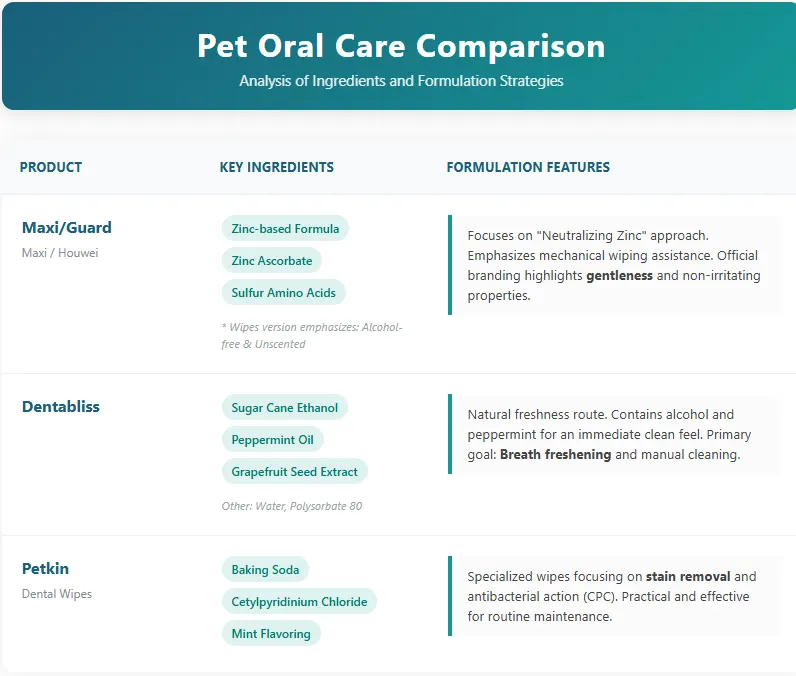
Based on publicly available ingredients, Maxi/Guard oral wipes feature a zinc-based formula with alcohol-free, gentle cleansing; Dentabliss oral wipes primarily contain water, sugarcane ethanol, peppermint oil, and grapefruit seed extract; common ingredients in Petkin dental wipes include baking soda and cetylpyridinium chloride.
It is effective.
Benefits: Moisturizes gums to prevent dryness and irritation, freshens breath without relying on artificial fragrances to soothe mild oral discomfort; helps nourish cracked paw pads and noses with multiple benefits; provides antioxidant protection for oral tissues.
Mechanism:
① Directly destroys harmful bacteria in the mouth, reducing plaque formation
② Relieves gum redness, swelling, and sensitivity, offering gentle anti-inflammatory effects
③ Forms a protective film on teeth, reducing bacterial adhesion and extending cleaning effectiveness
④ Free from irritating chemicals, making it ideal for pets who resist brushing or have sensitive mouths
Dental wipes serve as a daily oral care tool for dogs. It’s best to gently wipe your dog’s teeth after meals, aiming for at least three times per week. As a responsible pet owner, you should carefully clean down to the gum line—the area where bacteria and food debris tend to accumulate. If your dog resists initially, start with less frequent use. After each cleaning session, reward your dog with a small treat to encourage cooperation in future cleanings.
Mix coconut oil and baking soda in a 3:2 ratio. Gently apply this mixture to your dog’s teeth using a cotton swab to soften tartar. Then, use an appropriate tool to gently scrape away the softened tartar—be careful not to cause discomfort. If your dog resists touch, simply use dental wipes to gently wipe away the residue. Finally, rinse the mouth with water or spray an oral sanitizer into the mouth to kill bacteria and keep breath fresh.