
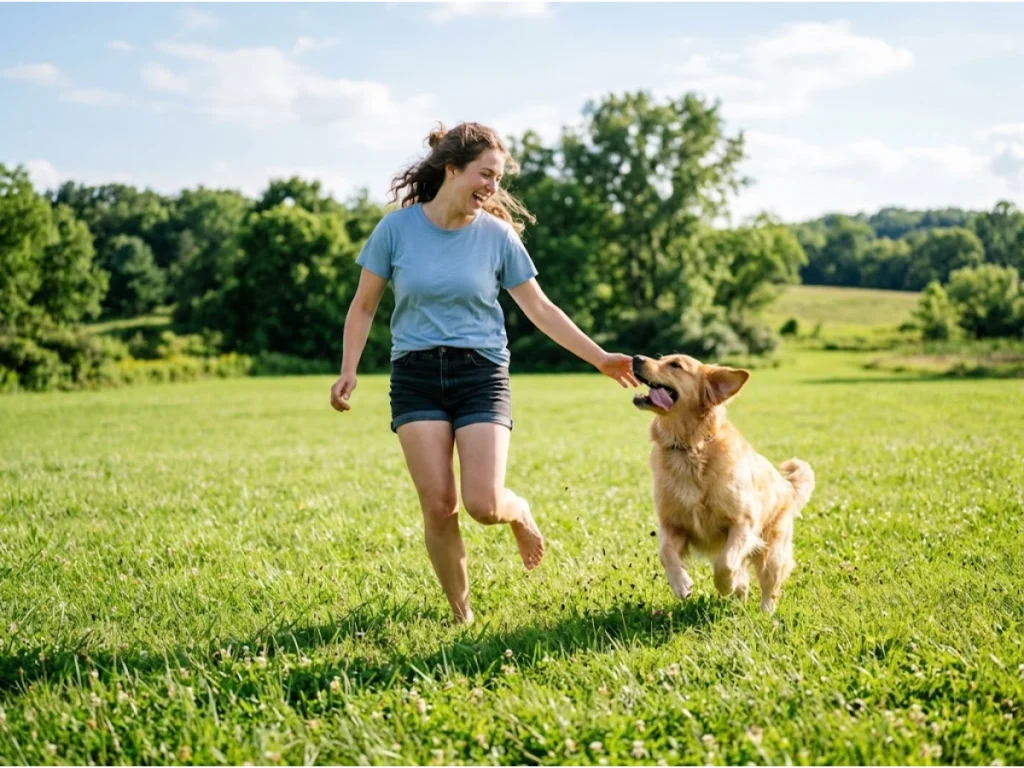
I often feel sad about my puppy’s potty training. I can’t help but feel discouraged and helpless because my puppy never listens to me—no matter how I guide or remind him, he just doesn’t seem to get what I’m trying to say. I end up following him around over and over again, always ready to clean up and correct him. This routine has left me exhausted and made me wonder if I’m not doing something right.
It wasn’t until later that I gradually realized: the vast majority of problems encountered during puppy potty training aren’t because “the dog won’t listen,” but because my own pace, steps, and observation methods were off.
Today, I’d like to share my experiences and the pitfalls I’ve encountered with you! What trouble with puppy when potty training? Common issues and my tips for solving them!
A Lack of Patience and the Habit of Long-Term Perseverance
If you’ve already started searching online for answers to questions like “How to care for a new puppy,” “My 12-week-old puppy still hasn’t learned to go to the bathroom,” or “What to do if my dog won’t learn to go to the bathroom,” then I hope you’re fully prepared—not just behaviorally, but mentally as well!
Leo was my first puppy. The day I brought him home, I was full of confidence, thinking, “Potty training is just a matter of taking him outside on a schedule, right?” As it turned out, I wiped the floor 11 times that first week. Once, at 3 a.m., I was crouched in the living room wiping up urine with wet wipes—and as I wiped, I felt like crying myself. During that time, I always kept a pack of pet wipes in my bag—not to clean the floor, but to wipe Leo’s paws after he stepped in his own urine. I’d clean them before letting him back inside, so he wouldn’t carry the scent onto the couch.
Puppy potty training is a difficult and long-term process; you won’t see noticeable results in just a day or two. It requires plenty of patience and persistence! One of the most underestimated aspects of puppy potty training is the need for consistency. If you’re strict one day and sleep in the next, or stick to a set schedule one week only to be haphazard the next, the rules your puppy learns will become unclear.
If you don’t want to constantly be following your dog around cleaning up after it, or dealing with urine and feces on the floor every day, then you need to have everything ready before you start potty training!
Incorrect Potty Training Steps
On the first day a puppy comes home, it’s naturally curious about its new environment, but this unfamiliarity can also make it fearful and timid. Its daily routines will also change to align with yours. Therefore, before you begin potty training, you need to understand the correct steps and make appropriate adjustments based on your puppy’s bathroom habits.
At first, the sequence I used to potty train Leo was: open the door → let Leo run out on his own → wait inside → he didn’t pee → come back → five minutes later, he peed in the entryway.
Later, after consulting a professional dog trainer and my neighbor, I realized I had been doing the potty training steps wrong, which is why I kept failing.
The correct steps are:
1. Lead Leo to a designated potty spot using a leash
2. Wait quietly; do not play chase with him
3. After giving the “go potty” command, wait for him to relieve himself
4. Once he’s finished, praise him immediately on the spot and give him a treat
5. Then let Leo sniff the grass, take a walk, or play for a while
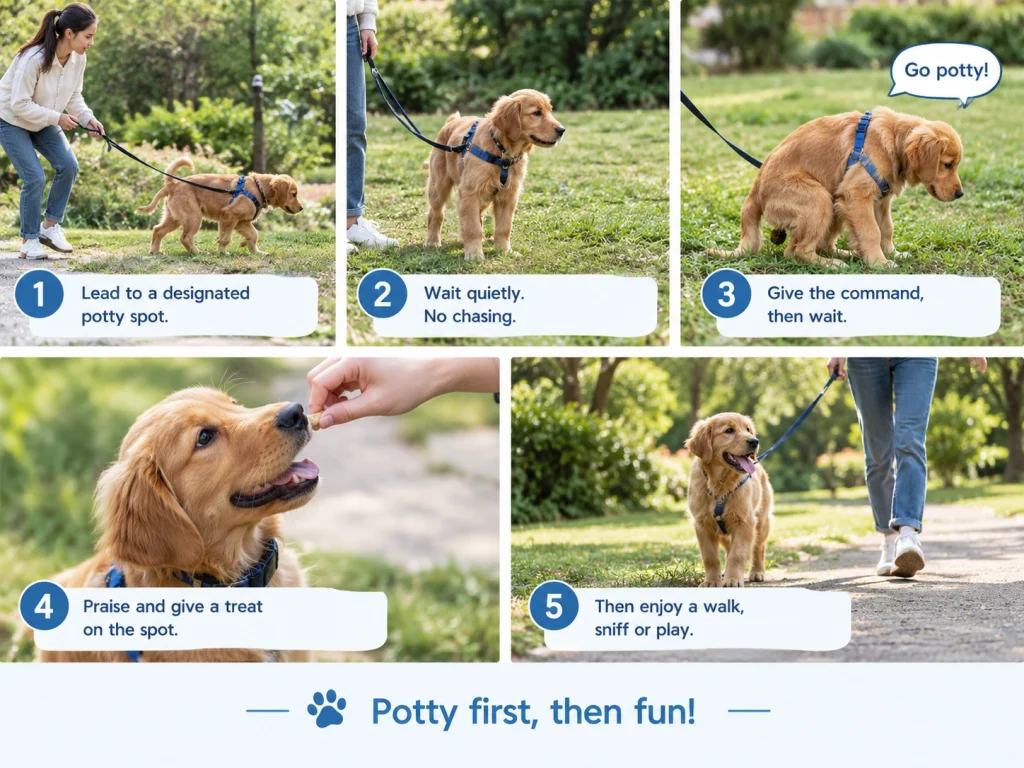
The key to this approach is correcting our potty training sequence: first complete the potty business, then allow for free exploration and fun activities.
Irregular Potty Times
If the time of the first daily outing varies, if you sometimes take the puppy out after lunch and sometimes don’t, and if potty breaks before bedtime are often overlooked, it will be difficult for the puppy to predict when it can go to the right spot.
What trouble with puppy when potty training? Puppies need fixed times for bathroom breaks; sticking to a schedule is better than waiting until they can’t hold it anymore! Puppies need a predictable routine. Fixed times are more effective than “every hour” because their bodies will gradually adjust to this rhythm.
Common times for bathroom breaks include:
- After waking up in the morning
- After every nap
- After eating
- After drinking water
- After playing indoors or engaging in vigorous play
- After being let out of a crate, playpen, or resting area
- During the last activity session before bedtime
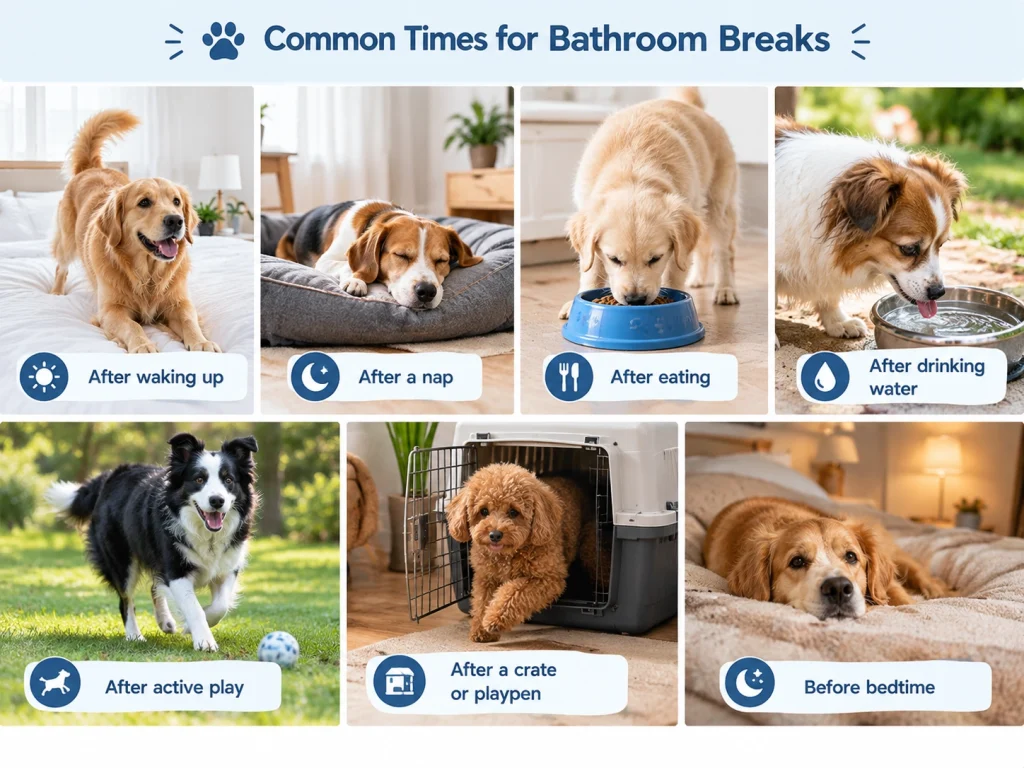
Both the AKC and animal welfare organizations recommend focusing on these key potty times: after waking up, after eating or drinking, after playing, after a nap, and before bedtime.
Too Much Space for the Puppy—The Crate Is Too Big
I bought Leo a large crate, which I filled with a bed, toys, a potty pad, a food bowl, and plenty of room to move around. As a result, on the very first night, he peed in one corner of the crate and then slept in another corner—completely unfazed, naturally treating one corner as his sleeping area and the other as his bathroom. I later realized that having too much space to roam caused him to confuse the bathroom area with the play area.
We need to help our puppy understand that the crate is not a punishment tool, but a safe and quiet place to rest. The size of the crate should be adjusted appropriately as the puppy grows.
When you can’t supervise him, use a crate, playpen, or baby gate to limit his activity area. Don’t mistake “prolonged crate time” for potty training; our puppy still needs adequate opportunities to relieve himself, exercise, play, and spend time with us.
Failing to recognize a puppy’s bathroom cues and not consistently monitoring and observing the dog’s behavior
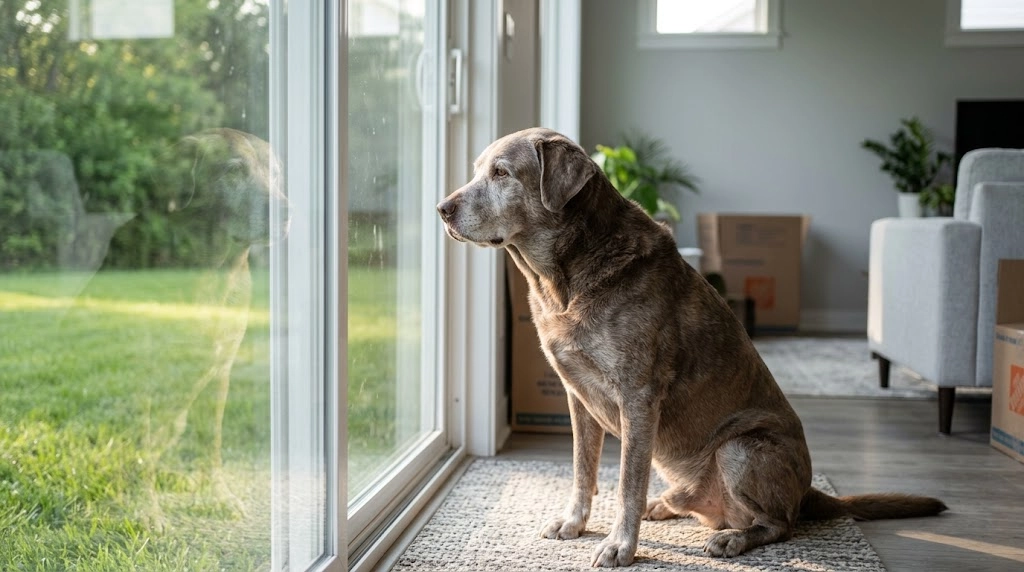
Puppies can’t speak and can’t tell you how they need to go to the bathroom; more often than not, they’ll alert you with very brief, easily overlooked movements. Leo’s common pre-elimination cues include: suddenly stopping play, sniffing close to the floor, circling in place, heading toward the door, starting to squat or lift a leg, making soft noises, showing restlessness, and pacing back and forth.
As soon as these cues appear, take your dog directly and calmly to a designated spot. This will greatly reduce the occurrence of indoor accidents. Continuous supervision indoors, along with using a leash or gate to restrict movement when necessary, is a crucial foundation for preventing accidents.
Once, while I was replying to a message, I looked up and noticed him sniffing the same spot on the carpet repeatedly; a few seconds later, he was about to squat down. Fortunately, I managed to pick him up and carry him outside just in time. That success made me realize that training the owner to observe is even more important than teaching commands.
I always keep gloves wipes handy in the entryway. I can grab one with one hand to wipe Leo’s paws and remove any loose fur, without having to scramble around looking for tissues.
Not Using Specific Potty Training Cues or Commands
Not every household needs to use a specific cue, but a consistent, short potty training cue will make things much easier later on when you’re out and about, traveling, staying at a hotel, or walking your dog on a rainy day.
When potty training, if you sometimes say “Go pee,” sometimes say “Hurry up,” or say nothing at all, your dog won’t be able to help the puppy make the connection between the action and the situation. Use a single, short, and clear command (such as “Go Pee” or “Go Pee”).
At first, I didn’t repeat the command immediately when the puppy walked onto the grass; instead, I whispered the cue while the puppy was relieving itself. After repeating this for a while, the puppy gradually made the connection between the action, the location, and the verbal cue.
No Set Feeding or Napping Schedule
Potty training isn’t just about “taking them outside”; it’s also related to a puppy’s daily routine of eating, resting, and playing. Once their eating, drinking, activity, and sleep patterns become relatively consistent, it becomes easier to predict when your dog needs to relieve itself.
The Atlanta Animal Protection Society states that regular meals and a consistent daily routine help establish a predictable potty schedule, which is especially helpful for new puppies just joining a family.
I set fixed feeding times and cleared away any uneaten food. I also tried to schedule his naps at consistent times. After a few days, Leo’s routine became much easier to predict.
Frequently Changing Potty Spots, No Designated Area
At first, Leo was easily distracted by the scents of other dogs, fallen leaves, and passersby during our walks. Later, I chose a quiet little patch of grass downstairs and made it a point to stop there first every time. After a few days, as soon as he got near that spot, he’d quickly get into the right mindset to relieve himself.
What trouble with puppy when potty training? Switching locations constantly is like starting over every time. Once you settle on a fixed spot, the scents will accumulate in that corner.
Failure to Reward Promptly
The timing of the reward is more important than the reward itself. You must give the reward the very moment your dog finishes urinating; don’t wait until you get back inside. An immediate reward reinforces the idea that relieving themselves in the right spot leads to a positive outcome.
Both verbal praise and treat rewards establish a positive association—the idea that doing their business in the right spot leads to a reward—which helps your dog make a clear connection and achieves the goal of potty training!
Failure to Control Water Intake
This doesn’t mean not letting your dog drink water, but rather controlling the timing. Remove the water bowl 1–2 hours before bedtime, and allow normal drinking during the day.
Puppies need water, but they don’t need unlimited access right before bed. Allowing your dog to drink large amounts of water right before bedtime leads to frequent accidents at night or bedwetting, which increases the cleanup workload.
Yelling at the dog after an indoor accident without properly cleaning
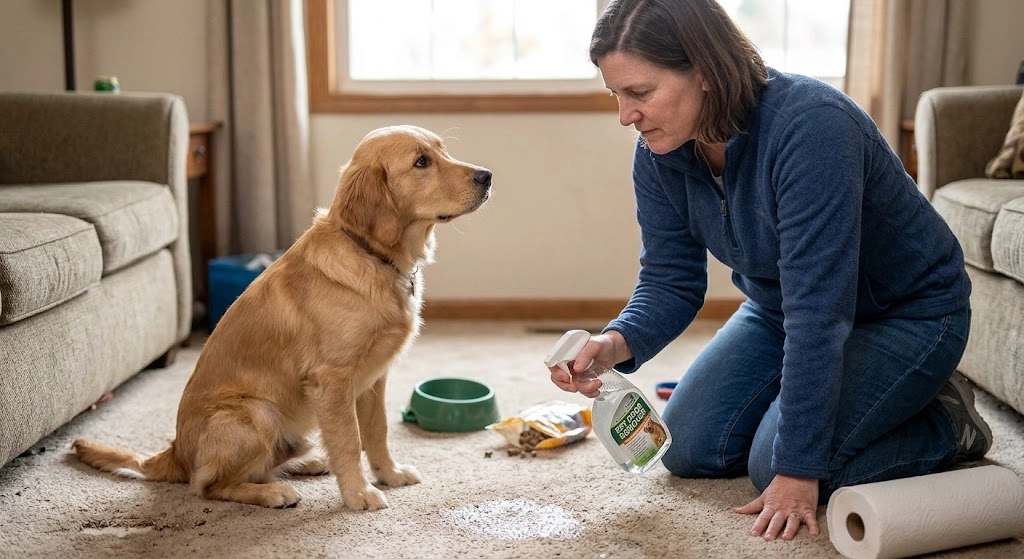
Yelling afterward is useless. Puppies can’t understand “why they’re being scolded”; they’ll only learn that “peeing shouldn’t be done in front of their owner.” After cleaning other areas, I’ll use a pet deodorizing spray to treat the spots in the house where accidents frequently occur, reducing the likelihood that Leo will be drawn back by lingering odors.
Seeking Professional Help
What trouble with puppy when potty training? Most potty training issues can be resolved by resetting the training routine, limiting the dog’s free time, rewarding correct behavior immediately, and remaining calm when accidents happen.
However, some situations are not due to training methods. If your puppy urinates frequently, has blood in its urine, emits a strong, unusual odor, shows changes in energy levels or appetite, exhibits separation anxiety, or continues to have frequent accidents even when you take it out strictly according to schedule, contact a professional pet behaviorist or veterinarian promptly for a targeted health evaluation and behavioral correction.
-
Sale!

disposable Universal multi-purpose pet cleaning wipes body fur care
Original price was: $6.28.$3.14Current price is: $3.14. Add to cart -
Sale!

Pet Dental Finger Wipes Pouch – Fresh Breath for Dogs amp Cats
Original price was: $4.78.$2.39Current price is: $2.39. Read more -
Sale!

Foaming dog body cleaner with a silicone brush for pet paws no rinsing
Original price was: $8.98.$4.49Current price is: $4.49. Add to cart