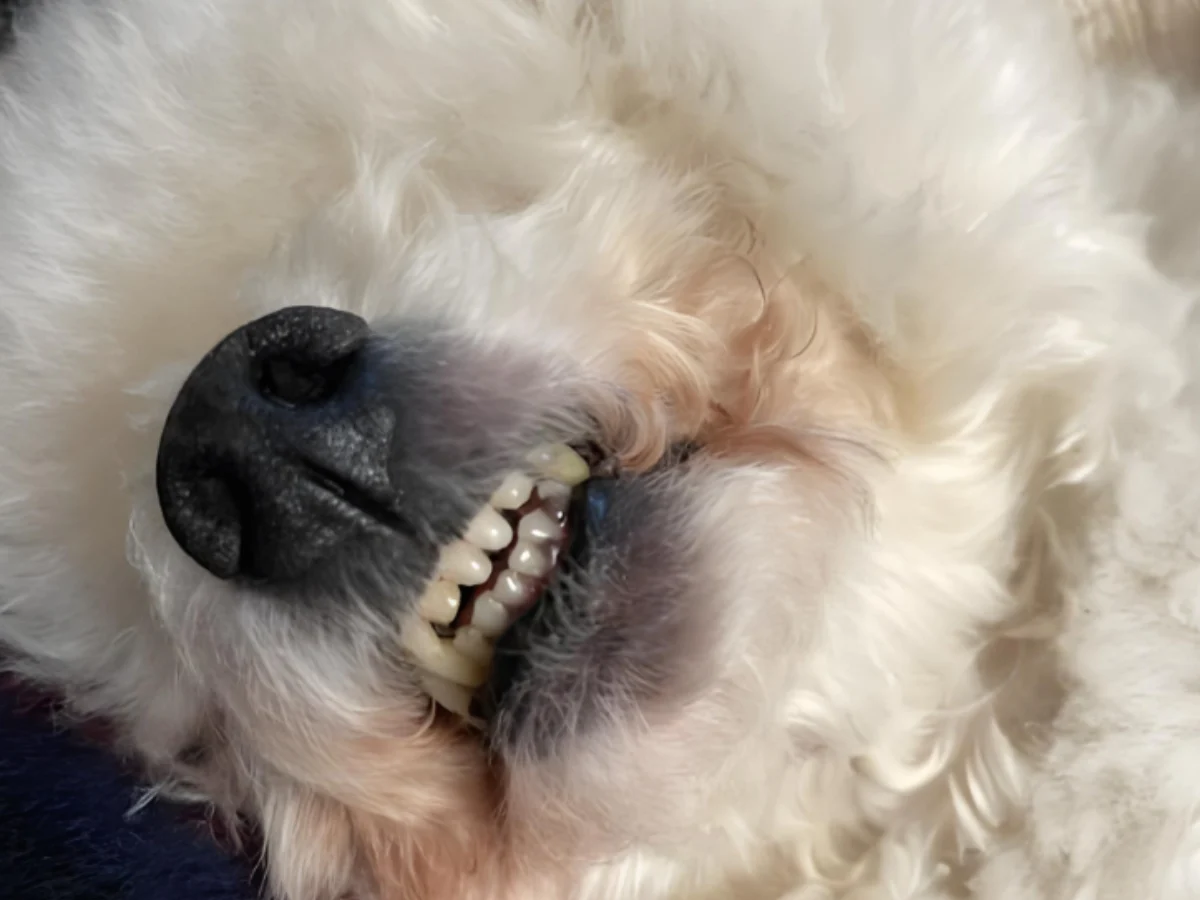

When you come home from work, the dog excitedly rushes up and wants to lick your face, but you subconsciously dodge it because the smell is unbearable. This kind of embarrassing moment is actually a real pain point experienced by many pet owners. You think it’s just simple bad breath, but when you open its lips, the red and swollen gums and yellow-brown tartar may have quietly settled down.
Bad dental care can cause plaque, tartar, and gum disease. Over time, it can even hurt your dog’s heart, kidneys, and liver. Dental chews could be an easy and special way to clean canines’ teeth naturally. Let’s learn how to choose the best dental chews for dogs!
Table of Contents
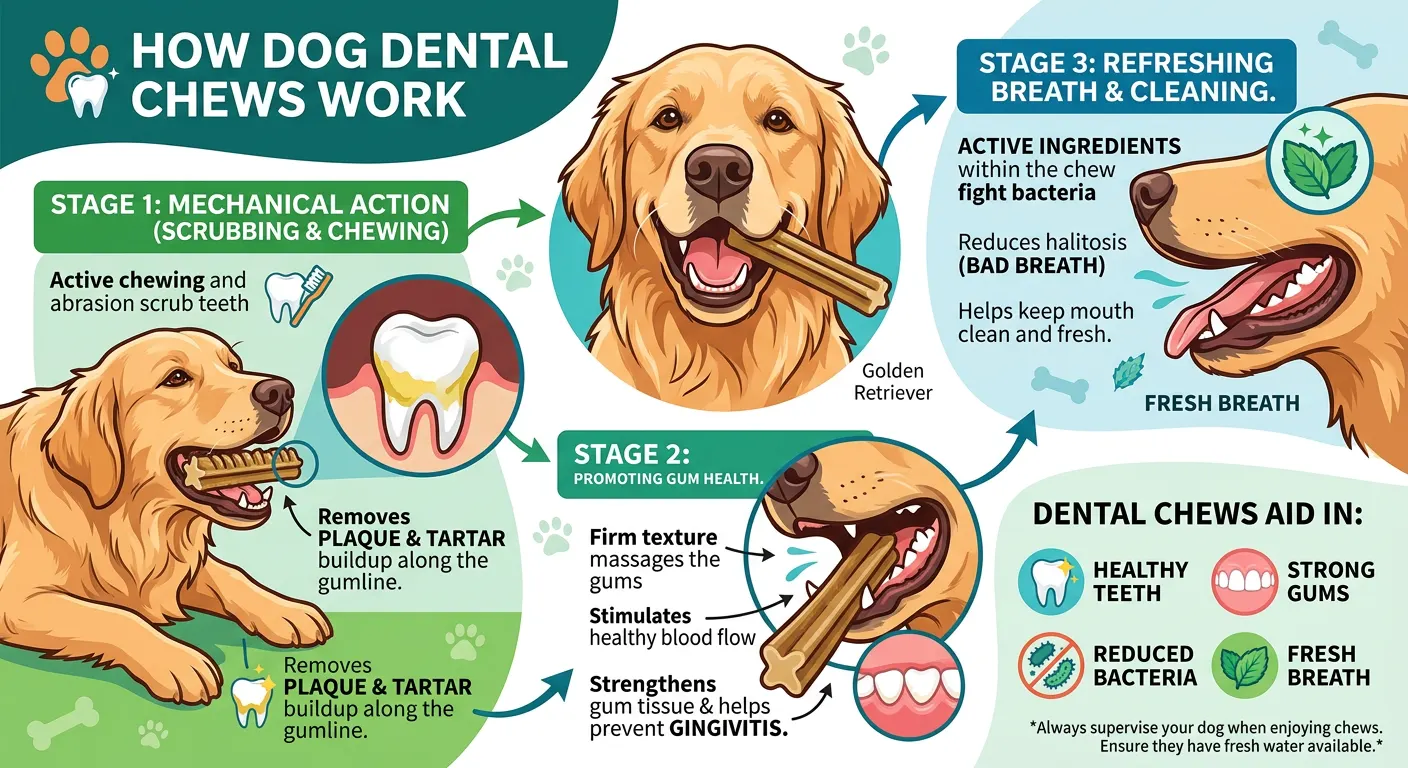
Do Dental Chews Work? How Do They Work?
Yes, they do.
Stage 1: Mechanical Action (Scrubbing & Chewing)
- Active chewing and abrasion scrub teeth
- Removes plaque & tartar buildup along the gumline.
Stage 2: Promoting Gum Health
- Firm texture massages the gums
- Stimulates healthy blood flow
- Strengthens gum tissue & helps prevent gingivitis.
Stage 3: Refreshing Breath & Cleaning
- Active ingredients within the chew fight bacteria
- Reduces halitosis (bad breath)
- Helps keep the mouth clean and fresh.
Disclaimer Note: Always supervise your dog when enjoying chews. Ensure they have fresh water available.
The concrete table below will help you understand this easily.
How to Select the Best Dental Chews?
1. Choose the right size
Choosing the wrong size can be dangerous. Match the chew to your puppy’s body size:
- Small dogs: Choose small chews that they can chew easily.
- Medium dogs: Pick medium chews that fit their mouths and help remove plaque.
- Large dogs: Use large, strong chews.
2. Check the ingredients
Pick ingredients based on your dog’s needs:
- Allergies: Hypoallergenic chews with limited ingredients.
- Sensitive stomach: Easy-to-digest chews without fillers or artificial additives.
- Weight control: Low-fat, low-calorie dental chews.
- Plant-based: Vegan or vegetarian chews.
3. Check the texture
A dental chew’s texture decides how well it cleans teeth. Smooth, hard chews do not clean well.
- Ridged, grooved, or braided shapes to remove plaque and tartar.
- Chewy, long-lasting textures.
- Enzymatic chews that fight bacteria.
Do not give very hard chews, like thick rawhide or hard nylon. They can break your dog’s teeth.
4. Consider cost
Dental chews cost money over time. Choose ones that are good quality and not too expensive. You don’t need the most expensive chews.
For daily use, buy in bulk. They cost less per chew.
How to Use Dog Dental Chews Safely & Effectively?
Even the best dental chew can be unsafe or useless if used incorrectly. Follow these simple tips to keep your dog safe and their teeth clean:
1. Start slow
Give a small piece first if your dog is new to chews.
2. Watch
Always stay with them while they chew. Take away small pieces that could be swallowed whole to prevent choking.
3. Use regularly
For best results, give one dental chew every day, usually after a meal. Regular use stops plaque and tartar.
4. Pair with brushing
Chews help clean teeth, but they do not replace brushing. Brush your dog’s teeth 2–3 times a week.
Common Mistakes Pet Parents Make
Ignoring Calorie Intake
Dental chews are treats. Do not give too many, or your dog may gain weight. Check calories on the package.
Forgetting to Check Expiration Dates
The expired chews do not work well and can be unsafe. Always check the date first.
Using Chews to Treat Serious Tartar
Dental chews help prevent tartar buildup, but they cannot fix serious dental problems. See a vet if your dog has bad tartar or gum disease.
Choose the right dental chews, and your dog can stay happy while keeping their teeth clean and healthy.
FAQs
Do any dog dental chews actually work?
Yes. They help remove plaque and clean teeth as dogs chew. They are not a replacement for brushing, but they do help.
Which dog chews to avoid?
Avoid very hard chews that can break teeth and small chews for large dogs because they can cause choking.
What actually cleans dogs’ teeth?
Brushing, vet cleanings, and safe dental chews all help keep dogs’ teeth clean.
-
Sale!
Fragrant shampoo for dogs and cats with dry skin featuring a foaming stain remover
Original price was: $7.29.$6.29Current price is: $6.29. Add to cart -
Sale!
-1-300x300.webp)
Neutral pH Pet Ear Wipes for Gentle Daily Ear Cleaning
Original price was: $4.29.$1.99Current price is: $1.99. Add to cart -
Sale!
Premium Pet Glove Wipes – Hypoallergenic Aloe for All Animals
Original price was: $3.29.$1.99Current price is: $1.99. Add to cart