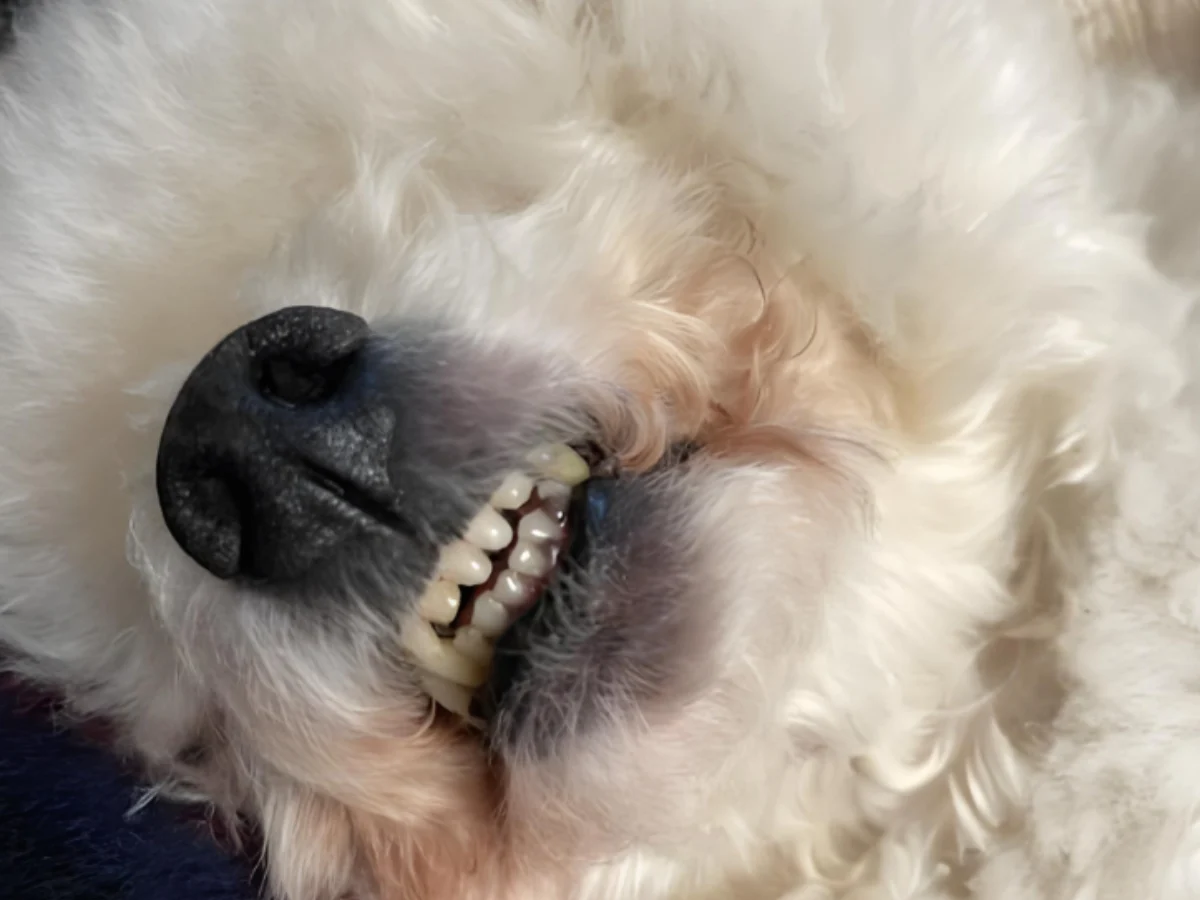

The oral health of cats cannot be ignored! About 80% of cats will encounter oral problems at the age of three; if not cleaned in time, the food residue in the mouth will form plaque and then calcify to form tartar, which will not only cause bad breath, but also the bacteria attached to it will also enter the heart, kidneys, and other organs with the blood, endangering the cat’s health. Consistent cat mouth care routines are an efficient and cost-effective way to prevent these problems.
1. Popular science knowledge of common oral diseases in cats
What are the common oral problems in cats?
Tartar: There is a yellow or brown hard shell on the surface, and the cat occasionally shakes its head when eating
Gingivitis: Red and swollen gums that bleed when brushing and resist brushing
Canker sores: Red or white ulcer spots in the mouth that cause the cat to drool
Tooth resorption: The edges of the teeth gradually become clear or defective
Periodontitis: receding gums, exposed tooth roots, obvious bad breath, and even pus in severe cases
Tooth fracture: Partially missing or cracked teeth, and bleeding may occur in the cross-section
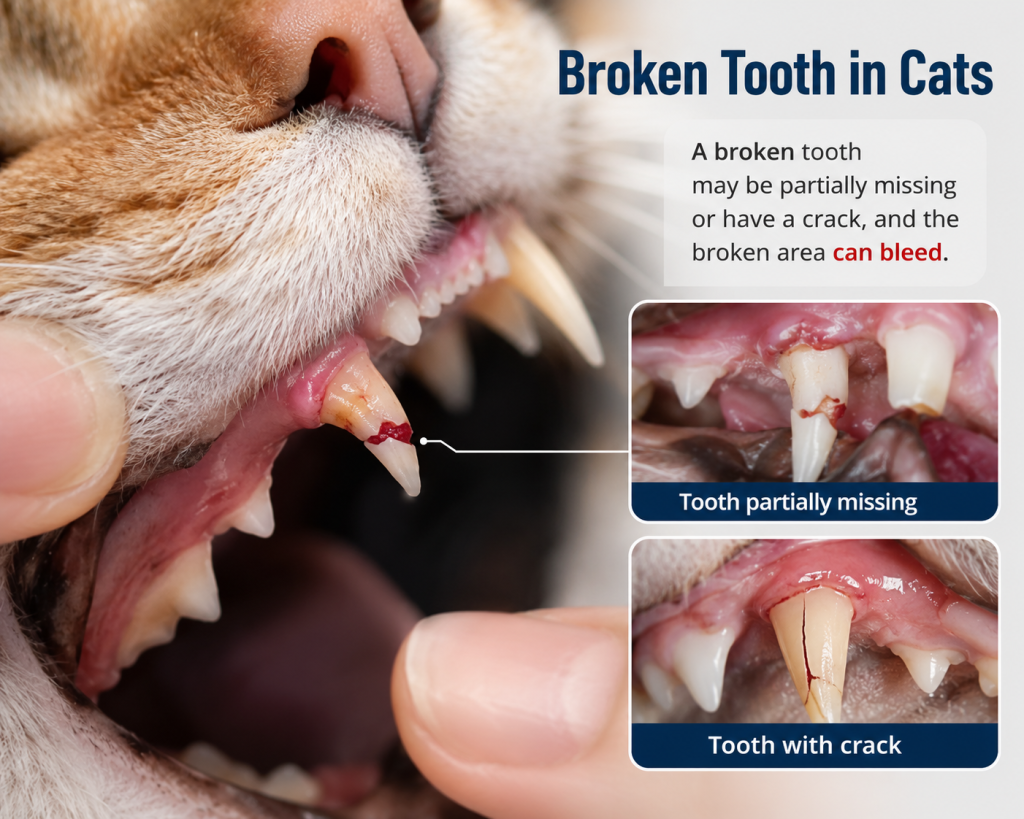
A cat with a broken tooth showing a crack and bleeding gum near the canine tooth
Statistics: Oral mucosa ulceration, red and swollen gums in the mouth, obvious drooling, refusal to eat
Oral tumors: lumps appear in the mouth, with a hard texture, accompanied by bad breath, bleeding, and inability to swallow cat food
What are the stages of dental disease in cats?
① Gingivitis: There is a yellowish soft scale on the edge of the gums, accompanied by redness and swelling. This stage is reversible through daily dental cleaning, etc.
② Mild periodontal disease: increased tartar, enlarged gum redness and swollen gum areas, and obvious bad breath.
③ Moderate periodontal disease: The gums begin to recede and bleed, the teeth may become loose, and the bad breath is very severe.
④ Severe periodontal disease: severe gum recession, exposed tooth roots, excessively loose teeth, or even teeth falling out; oral bacteria entering the bloodstream, causing health effects on the heart, liver, and kidneys.
Can cat periodontal disease be fatal if left untreated?
In the case of long-term untreated periodontal disease in cats, bacteria will penetrate into the heart, liver, kidneys, and other organs of the body through the blood, and in severe cases, it may even lead to the gradual failure of its vital organs, which will be life-threatening.
2. Oral Care Products for Cats and Treatment of Dental Diseases
What cat oral care products do vets recommend?
✔ Toothbrushes: Pet owners prefer soft hair
Many veterinarians will recommend starting with a soft-bristled toothbrush to take care of your cat’s mouth, especially if the bristles cover a wider area, which can easily remove food residues and plaque.
❤ Safety tips: Give priority to food-grade silicone materials, pay attention to the hardness of the bristles, and avoid bleeding gums that are too hard.
✔ Toothpaste: palatability and ingredients
Cat toothpaste must be selected for pets, and it is recommended to contain lysozyme, probiotic ingredients, or chicken-flavored formulas, which will be more acceptable to cats.
Efficacy: The main function is to decompose plaque, improve bad breath, and use it with brushing.
✔ Mouthwash:
If your cat is very resistant to brushing their teeth, it is recommended to try a special mouthwash for pets. Just add it directly to drinking water or food, and you don’t have to force the cat to open its mouth.
❤ Safety tips: Choose products with natural ingredients, try a small amount for the first time, and observe whether the cat has an allergic reaction.
✔ Dental cleaning snacks:
Dental cleaning treats mainly used to clean teeth through the physical friction of a cat chewing, taking away food debris on the surface of the teeth.
Are cat dental cleaning toys and dental wipes really useful?
Cats aged 3 months to 1 year old tend to itch their gums during the teeth change period, so using teeth grinders such as teeth cleaning sticks or as teething toys will make them feel comfortable. Adult cats can reduce the formation of tartar, maintain dental health, and reduce the occurrence of oral diseases by using dental cleaning sticks regularly.
Using pet dental wipes, you can choose a finger cover, which is more suitable for the owner’s fingers, helps to reach into the cat’s mouth, and gently wipes it after the cat’s daily meal, which is easy to take away food residues and helps freshen breath.
How to safely clean cat plaque and tartar?
Step 1: Prepare the tool
Ear scoop and hemostat: Choose the ones that suit your cat’s teeth online or at a pet pharmacy. Pet toothpaste: Choose safe ingredients and cleaning power. Soft-bristled toothbrush for daily cleaning. Dental cleaning snacks: freeze-dried treats, teeth-cleaning biscuits, etc.
Step 2: Brush your teeth
First, use the selected toothbrush and toothpaste to clean the cat briefly, and the attention should be gentle.
Step 3: Clean your teeth
After waiting for the tartar to soften, first let the furry child lie on his side and dig from top to bottom with an ear-picking spoon or small pliers; gently remove the tartar, pay attention to control the force, and do not hurt the cat’s gums~
In addition to brushing your teeth every day, you can also give your cat some dental cleaning snacks as an aid, and pay attention to follow-up maintenance after removing tartar! Dental cleaning snacks, such as teeth cleaning freeze-drying, can help furry cats grind their teeth on a daily basis.
3. The right way to take care of your cat’s mouth
A low-cost way to protect your cat’s dental health
For all shoveling officers, the most daily low-cost way is to develop a good habit of brushing your teeth.
☞ First, choose a quiet environment: place the cat in your arms or on a blanket, gently stroke and soothe it.
☞ Choose a special toothbrush for cats, such as soft toothbrushes, baby toothbrushes, etc. Choose the right toothpaste, containing fish- or chicken-flavored toothpaste, which has good palatability and is easy for cats to accept.
☞ The third is to squeeze an appropriate amount of toothpaste on the toothbrush, gently open the kitten’s mouth, brush from back to front, and rinse the cat’s mouth with water after brushing.
When do you need to take your cat to the pet hospital for an oral exam?
The cat’s oral problems are not taken for examination until the situation is found to be serious. The really important thing is prevention. If your cat has obvious bad breath with an ammonia smell, rancid smell, etc., and redness, swelling, and bleeding of the gums; obvious discoloration of teeth, accompanied by loosening and fracture; or obvious refusal to eat and decreased appetite, which are symptoms such as not being interested in the things around you, you need to take the cat to the hospital for an oral examination immediately. Therefore, pet owners should carefully observe their daily behavior at all times.
4. Cost and Advice on Treatment of Cat Dental Problems
How much does periodontal disease treatment cost in cats?
The cost of treatment for periodontal disease in cats is related to the region and the severity of the cat’s own dental disease. The following is for reference only:
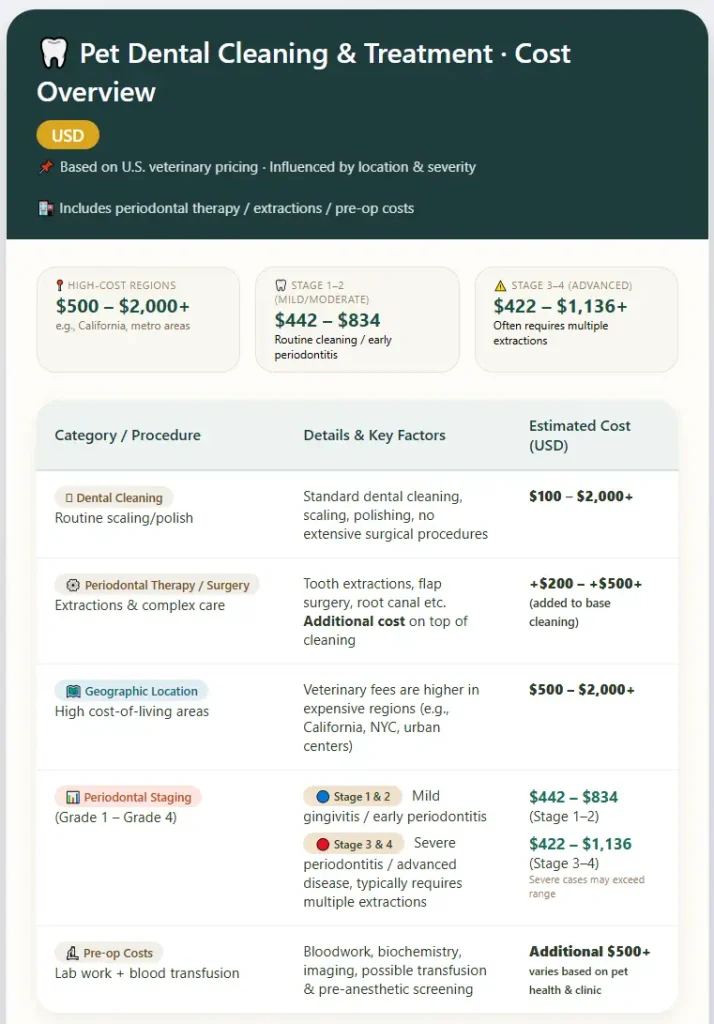
Cat Dental Cost Chart: By Procedure, Severity & Location
How to find a reliable cat oral diagnosis and treatment institution nearby?
If you want to find a reliable treatment institution nearby, give priority to AAHA-certified hospitals and AAFP cat-friendly certified clinics, and find the American Veterinary Dental College (AVDC)-certified specialist dentist directory for complex problems.
How can owners help relieve the discomfort in the cat’s mouth?
☀ Clean your mouth regularly: Use special cat toothpaste and toothbrushes to reduce the growth of oral bacteria and keep your cat’s mouth fresh.
☀ Adjust your diet: Provide your cat with soft, easily digestible food, such as wet food or soaked cat food, to help reduce the pain of chewing and swallowing. Avoid eating spicy foods to avoid getting angry.
☀ Drink plenty of water: Encourage cats to drink plenty of water and keep their mouths moist to help reduce inflammation.
☀ Use oral spray: After cleaning the mouth, use oral spray to relieve your cat’s oral discomfort and promote the healing of the oral mucosa.
Hopefully, these tips will help your cat successfully improve their oral problems!
5. FAQs
Q: Will the cat say goodbye to its owner?
Some will. Cats have a strong sense and will take the initiative to stick to their owners and accompany them silently when they know that they are about to leave.
Q: When you talk to a cat, can it understand?
I can understand your tone and tone, and I can also understand your expressions and movements, and I can fully sense your emotions over time.
Q: What coat-colored cat is the least popular?
Overall, the adoption rate of cats with solid colors, ugly faces, and messy hair is low, and many people prefer orange cats and Ragdolls with high appearances and clean coat colors.
Q: What are the abnormal behaviors of cats before they die?
I don’t like to move; I like to hide in corners. I don’t eat or drink; my body temperature becomes low, my breathing becomes shallow; I don’t like to talk to people; and my spirit suddenly becomes sluggish.
-
Sale!
Fragrant shampoo for dogs and cats with dry skin featuring a foaming stain remover
Original price was: $7.29.$6.29Current price is: $6.29. Add to cart -
Sale!
-1-300x300.webp)
Neutral pH Pet Ear Wipes for Gentle Daily Ear Cleaning
Original price was: $4.29.$1.99Current price is: $1.99. Add to cart -
Sale!

Premium Pet Glove Wipes – Hypoallergenic Aloe for All Animals
Original price was: $3.29.$1.99Current price is: $1.99. Add to cart