
When I first got my little dog, he loved chewing on things, getting into mischief, and going outside to play. He was going through the teething stage at the time, so we spoiled him quite a bit. Every day, he would run to the door and scratch at it himself, asking us to take him outside. On rainy days, his paws and body would get dirty while he was out playing. He didn’t like getting baths too often, so I usually used pet cleaning products to give him a quick cleanup and only washed his body occasionally.
I’m sure many dog owners have struggled with the same things. Based on my own everyday pet care experience, I’d like to share some practical tips on how to use dog paw cleaner and how I usually clean my dog’s paws after walks. I hope these tips can help other dog owners too.
1. Why Clean Your Dog’s Paws After a Walk?
What Do Dogs’ Paws Come Into Contact With?
When dogs go for walks, their paws come directly into contact with all kinds of outdoor surfaces. Some dogs also love running around on grass, where their paws can easily pick up dirt and other outdoor residue.
When my dog goes for a walk, his paws naturally come into contact with grass, mud, sand, and other things outdoors. Especially when he runs around on grass or at the park, his paw pads and the areas between his toes usually look much dirtier when we get home. That’s why I’ve gotten into the habit of giving his paws a quick check as soon as we come inside.
2. How to Clean Your Dog’s Paws
This method is suitable for light dust and dirt on your dog’s paws:
Choose the Right Time and Place:
① After coming back from a walk, let your dog rest for a while and have some water. Wait until they’ve settled down before you start cleaning their paws;
② Choose a quiet and comfortable spot indoors. Avoid noisy or unfamiliar places, as this can help your dog feel less nervous or uneasy.
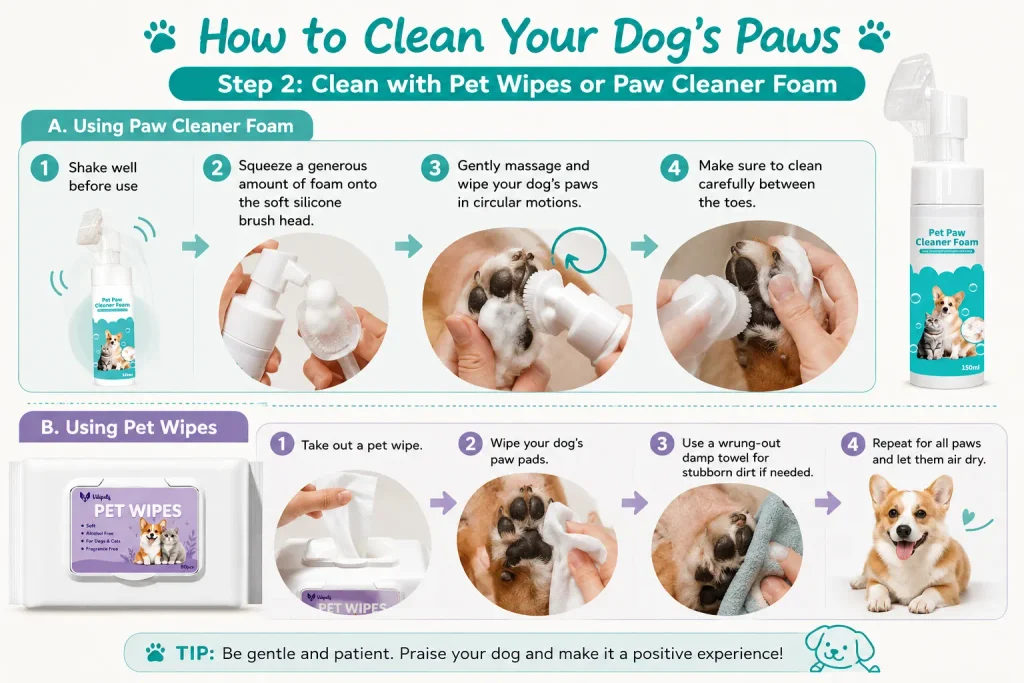
Clean with Pet Wipes or Paw Cleaning Foam:
① Take out the waterless paw cleaning foam you prepared;
② Squeeze a generous amount of foam directly onto the soft silicone brush head;
③ Gently massage and wipe your dog’s paws in circular motions with the brush, making sure to carefully clean between the toes;
④ Then, use pet wipes or a wrung-out damp towel to quickly wipe your dog’s paw pads;
⑤ Once your dog cooperates and finishes the cleaning, give them one of their favorite treats as a little reward and reassurance.
When Your Dog Is Reluctant
If your dog has sensitive paws or doesn’t like having his feet touched, like my little dog King Kong, who really doesn’t like having his paws handled, I usually let him get used to it gradually instead of holding him down and forcing him to be cleaned.
❤ Tip:
Choose pet wipes or paw cleaning foam that are formulated with a pet-friendly, pH-balanced formula, and avoid ingredients that may be harmful to dogs. Always follow the product label and directions for use when cleaning. Be gentle when wiping your dog’s paws and avoid rubbing too hard, as this can make your dog uncomfortable.
3. What Else Do I Check When Cleaning My Dog’s Paws?
Every time I clean King Kong’s paws, I also take a quick look at his paw pads and between his toes. Since he loves running around on the grass, he sometimes brings back little pieces of grass or other small things.
● Check whether the paw pads have any obvious damage
● Check between the toes for any foreign objects
● Check for unusual redness or swelling
● Check for any obvious signs of discomfort or pain
● Check whether he is constantly licking his paws
If I notice an obvious wound, ongoing pain, or anything else unusual, I won’t try to deal with it through regular cleaning. I’ll take him to the vet for a checkup instead.
4. How Often Should You Clean Your Dog’s Paws?
You don’t necessarily need to wash your dog’s paws every time, but I do recommend cleaning them after taking your dog outside for a walk.
After a normal walk, you can simply wipe your dog’s paws with a clean damp towel or pet wipes, and then wipe them again with a dry towel. On rainy days, if your dog’s paws are covered in mud or other dirt, I would give them a more thorough cleaning and make sure they are dried afterward.
5. When Should You Use Dog Paw Cleaning Foam?
If you walk your dog regularly, you probably know this struggle:
① During normal walks, your dog’s paws can pick up mud and dust. Taking your dog to the bathroom and rinsing their paws every day can be a hassle, and some dogs will struggle and end up getting water all over themselves.
② On rainy or snowy days, their paws can get covered in mud or road salt, which may irritate the paw pads. If you don’t want to wash your dog’s paws with water too often, or your dog really dislikes having their paws washed, you can use a waterless cleaning foam instead. There’s no need for water—you simply apply the foam to the paws and wipe them clean.
③ If you’re out playing with your dog or taking them for a walk and don’t have access to water, it can also be a convenient option for a quick cleanup. You can also use it to wipe away dirt from between the toes.
6. What’s the Difference Between Dog Paw Cleaning Foam, Pet Wipes, and Water?
The best cleaning method depends on the specific situation:
7. Cleaning Products I Wouldn’t Use on My Dog’s Paws
According to the American Kennel Club, everyday dog paw cleaning should not involve alcohol, disinfecting wipes, bleach, hydrogen peroxide, dish soap, or other household cleaning products.
Disinfecting wipes, disinfectant sprays, alcohol, or alcohol-based products;
Dish soap, laundry detergent, floor cleaners;
Human wipes or baby wipes;
Vinegar or other acidic home remedies;
Human shampoo, body wash, bar soap, and similar products.
8. Frequently Asked Questions About Dog Paw Cleaning
Do I Need to Clean My Dog’s Paws After Every Walk?
Not necessarily. It depends on how dirty your dog’s paws are. If there is only a little dust, you can simply wipe them clean. If it has been raining, your dog has walked through mud, or the paws are noticeably dirty, I would give them a more thorough cleaning.
What Are the Benefits of Using Dog Paw Cleaner?
After taking your dog for a walk, using pet wipes or waterless paw cleaning foam makes it quick and convenient to remove dust and dirt from their paws. It can also help reduce the amount of outdoor dirt they bring into the house and is a simple way to maintain the cleanliness of their paw pads and the areas between their toes.
Before using any paw cleaning product, I recommend checking your dog’s paws for open wounds, cracked or bleeding paw pads, obvious redness, swelling, or pain. If you notice any of these issues, it’s best to have your dog checked by a veterinarian.
-
Sale!
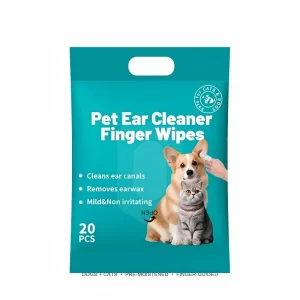
Gentle Neutral pH Round Pet Eye Wipes Tear Stain Removal
Original price was: $5.98.$2.99Current price is: $2.99. Add to cart -
Sale!
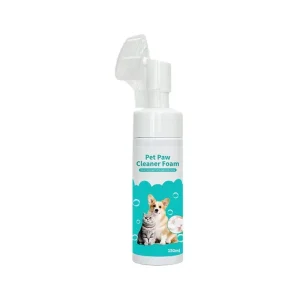
Foaming dog body cleaner with a silicone brush for pet paws no rinsing
Original price was: $8.98.$4.49Current price is: $4.49. Add to cart -
Sale!
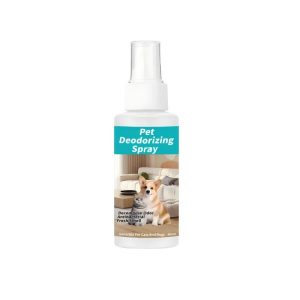
Pet Deodorizing Spray 60ml – Portable Pocket Odor Remove
Original price was: $4.19.$3.99Current price is: $3.99. Add to cart