
Every time you take your dog for a walk, their excited eyes and joyful energy are contagious. But after playing outside and getting tired, you’ll notice their paws are covered in dirt. It’s best to clean their paws right away—keeping your dog clean and your home tidy is essential. Today, let’s talk about effective ways to clean dog’s paws after a walk, helping your furry friend stay fresh and happy with a clean body and a bright smile.
Absolutely. Once, my friend and I went for our usual walk with her dog. Everything seemed normal at first, but when we got home, the puppy appeared lethargic and made whining sounds while eating. Upon closer inspection, we noticed redness and swelling in its paws, along with a small, thin wound. We immediately took it to the vet, who diagnosed interdigital dermatitis caused by a minor cut during the walk that had gone unnoticed. Bacteria had entered through the wound, leading to infection. The total cost of diagnosis and treatment was nearly $120.
Key reasons for wiping paws after walks: Remove dirt, salt, chemical residues, and foreign objects promptly to reduce irritation and injury risks.
During walks, dogs’ paws come into direct contact with the ground and inevitably pick up various contaminants. Especially when walking on damp grass, their paws easily collect mud. If not cleaned promptly, this mud can foster bacterial growth in moist conditions, sometimes even producing foul odors that affect the dog’s health. Unclean paws can also track dirt into the house, soiling floors, sofas, and other surfaces.
① Train your dog regularly to wait outside before entering the house. Use clear commands—gentle or firm depending on your dog’s personality—and have it stay at the door until you give permission.
② Prepare cleaning supplies such as pet-safe wet wipes, dry towels, and no-rinse paw-cleaning foam.
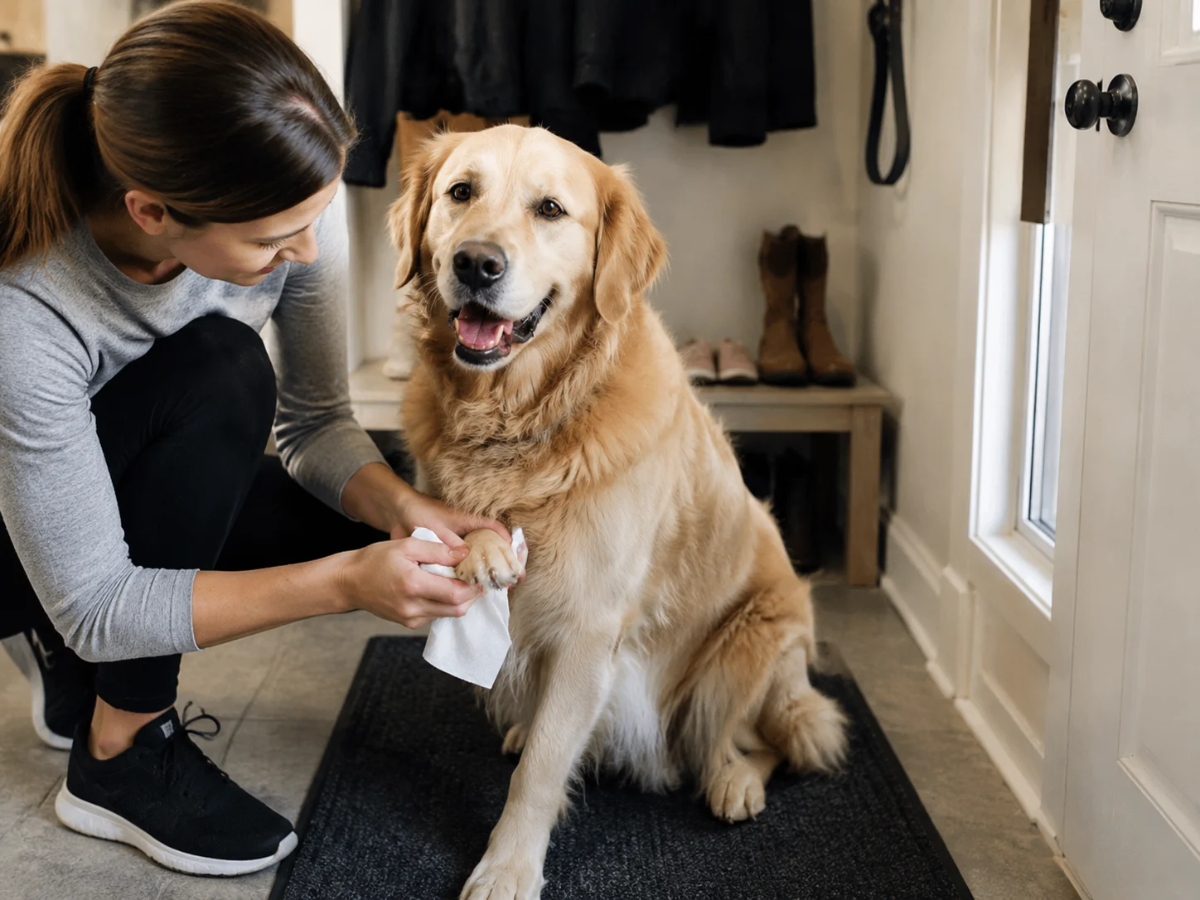
③ Gently wipe the bottom of your dog’s paws with a wet wipe, then carefully clean the pads to remove dust, dirt, and debris.
④ On rainy days, when paws are especially dirty, apply some no-rinse foam and gently massage it in, or use a paw cleaner tool first, followed by wiping with a wet wipe or damp towel.
⑤ Dry the paws thoroughly using a dry towel, paying special attention to the spaces between toes and the pads. Wet paws create an ideal environment for bacteria to grow.
⑥ Finally, inspect the bottoms of the paws for any signs of redness, cuts, abrasions, or allergic reactions.
① Try using disposable, dog-specific wet wipes to keep paws clean and hygienic.
② Soak a towel in warm water and gently wipe your dog’s toe crevices and paw pads to remove light dirt. Be sure to wash and dry the towel afterward, as damp towels can harbor bacteria and potentially infect your dog.
③ If your dog’s paws are extremely dirty, consider washing them with water. However, be sure to dry them thoroughly afterward to avoid creating a moist environment where bacteria thrive.
Based on discussions and firsthand experiences shared by dog owners on Reddit, mainstream dog paw cleaning products online generally fall into two main categories, each with its own popular favorites. Let’s take a look at users’ real-life feedback.
Silicone Foot Bath Cup Type:
Representative Product: Dexas MudBuster – A top choice on Reddit
Pros: Exceptional cleaning power! Effectively removes stubborn dirt from rainy days or fine sand from beaches. Simply fill the cup with warm water, gently place your dog’s paws inside, and swirl them around—dirt and sand are thoroughly cleaned away. This powerful product strikes fear into dirty paws.
Cons: The process is somewhat cumbersome. You need to prepare clean water in advance and promptly rinse out the silicone brush after use. For owners of large dogs, washing all four paws requires frequent water changes, making it time-consuming overall. I’d recommend this product primarily for small dog owners.
No-Rinse Foam Cleaner Type:
Representative Product: Muddy Paw Foam
Pros: No need for rinsing with water—ideal for busy professionals. Models with built-in brushes allow you to apply foam and scrub simultaneously, then wipe off with a towel. It’s perfect for apartment dwellers or households that walk their dogs frequently, offering effortless daily maintenance.
Cons: Some dogs resist the brush touching their paw pads, causing them to struggle during use. Cleaning effectiveness is limited—it’s hard to fully remove mud from rainy days, so it works best only for light dust or minor stains.
| Type | Top Pick | Pros | Cons | Best For |
| Silicone Paw Washer | Dexas MudBuster | Powerful deep cleaning for heavy mud | Requires water changes; a bit messy | Small/medium dogs, muddy or beach walks |
| No-Rinse Foam | Muddy Paw Foam | Quick, no-rinse, easy daily use | Less effective on deep, caked-on dirt | All dogs, apartment living, frequent short walks |
| Pet Paw Wipes | Pet Glove Wipes | Ultra-convenient, ready to use | Not great for thick mud or heavy dirt | All dogs, quick clean after casual walks |
Tip: Prioritize products containing natural soothing ingredients like aloe vera, which gently care for paw pads. Avoid any formulas with alcohol or strong fragrances, as they may irritate your dog’s skin.
Practice regularly by teaching your dog the “shake” command and pointing to their paws while giving verbal cues such as “wipe paws.” Patience is key. Use a wet wipe or damp cloth to simulate wiping their paws. If your dog resists initially, offer their favorite treats as rewards during training sessions. Whenever they comply calmly, reward them immediately to build muscle memory.
Paw Cleaner and No-Rinse Paw Foam: Start with basic cleaning by washing your dog’s paws in a foot bath. If the brown stains are particularly dirty, add some water to a bucket and mix in two pumps of no-rinse paw foam. For light stains, simply rinse with clean water. Finally, thoroughly dry the paws with a towel—pay special attention to drying between the toes. It’s recommended to have two towels ready; leaving paws damp increases the risk of interdigital dermatitis.
Pet Wipes: Use pet-specific wet wipes to wipe down your dog’s paws again, especially on areas where brown stains remain after initial cleaning. After wiping, use a dry towel to pat them completely dry—this helps maintain your dog’s paw health.
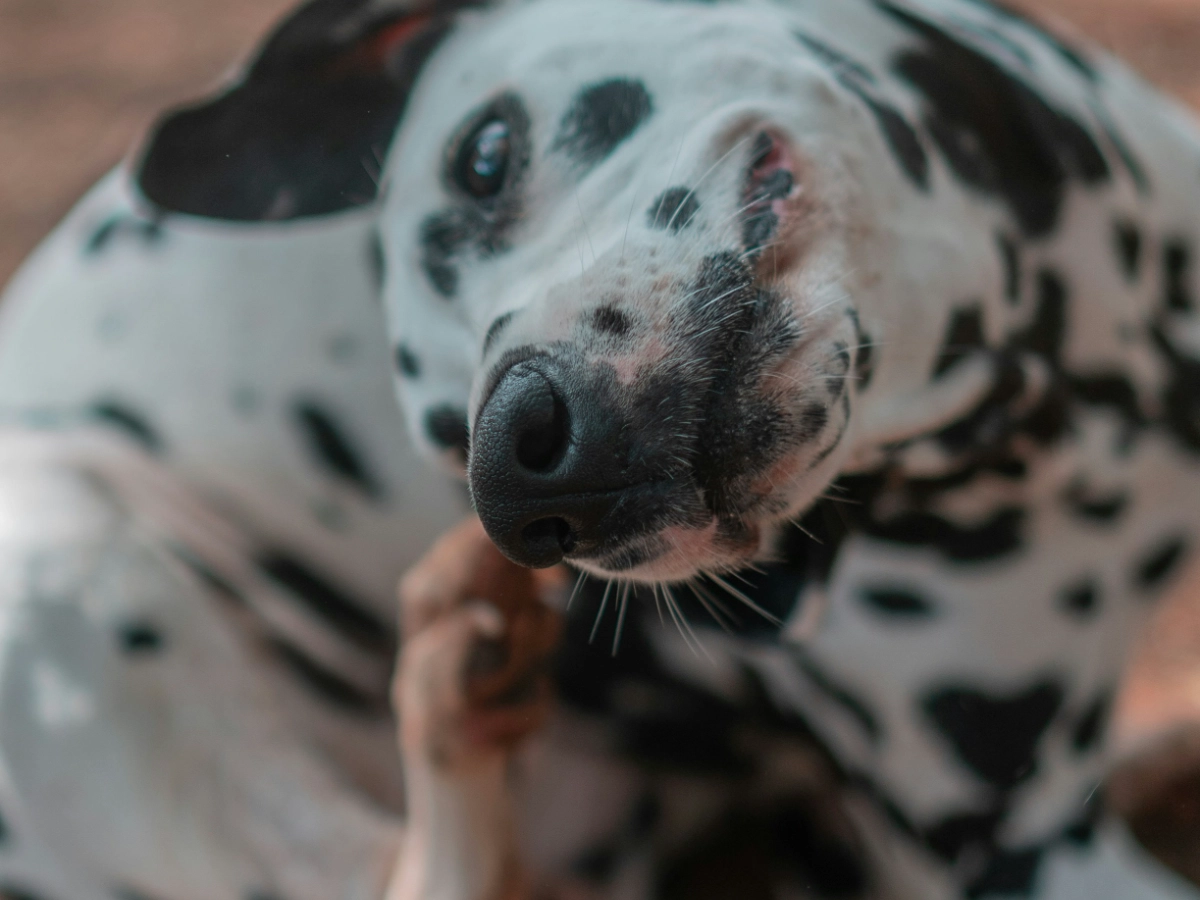
Yeast infections in dogs’ paws often lead to redness, itching, excessive licking or chewing of paws, gradual inflammation, limping, and hair loss around the feet.
● Always begin by gently rinsing the paws with lukewarm water, focusing on the spaces between toes and the pads to remove dirt and debris. Then carefully wipe with an antifungal pet-safe solution or wipes, letting it sit for several minutes before rinsing off. Be thorough—don’t miss any toe crevices or pad gaps. After washing, dry completely. Even slight moisture can encourage yeast overgrowth. For long-haired dogs, use a low-heat blow dryer to ensure full drying.
● Regularly trim the hair around the paws to reduce dirt buildup and prevent moist, stagnant conditions. When walking your puppy outdoors, wash their paws immediately upon returning home to avoid exposure to mud, sand, or allergens. Prevent frequent paw licking promptly, and if necessary, use an Elizabethan collar.
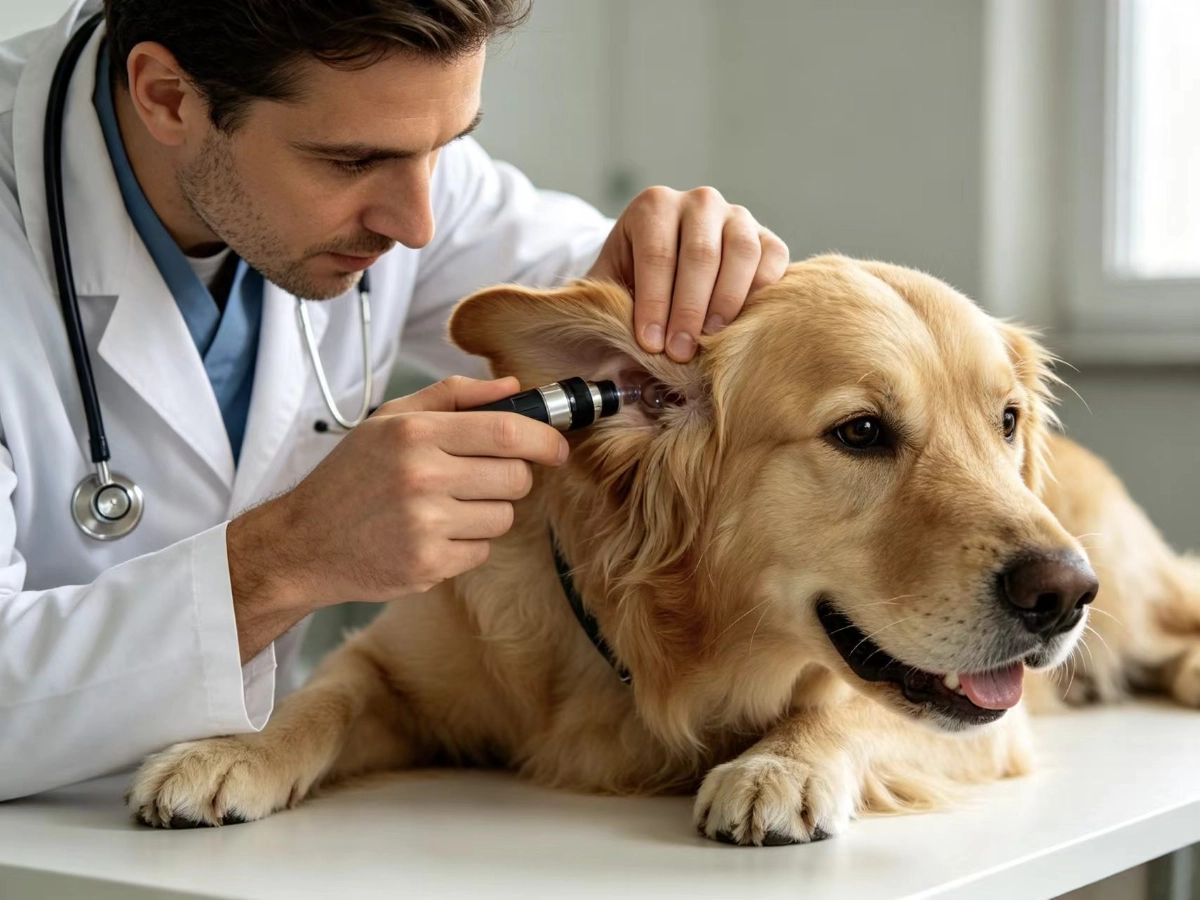
● If severe redness, strong odor, or brown discharge appears, visit a veterinarian first for diagnosis. Follow the vet’s instructions when applying prescribed topical ointments and continue proper care to minimize recurrence.
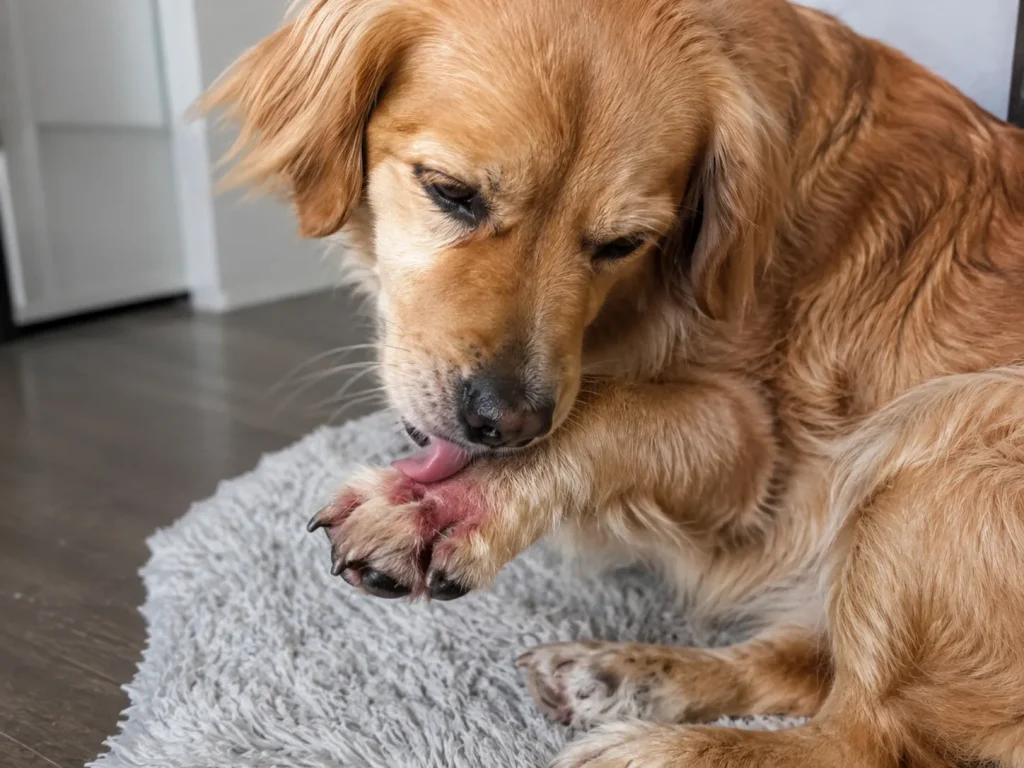
● At home, try this practical method for managing yeast infections: Soak your dog’s paws in a mild, fragrance-free soap solution to remove dirt and excess bacteria from between the toes. Alternatively, use Epsom salt water to soothe irritated, inflamed skin and help dislodge grass seeds stuck in the pads. Always stay with your dog during soaking and never let them drink the soak water.
For routine cleaning and disinfection, use pet-specific disinfectant wipes or a gentle pet-safe disinfectant solution. Gently wipe along the pads and between the toes, then thoroughly dry afterward. If paws are heavily soiled or contaminated with pathogens, briefly soak them in warm water mixed with pet-safe disinfectant, then rinse thoroughly and dry immediately.
Tip: Never use products containing high concentrations of alcohol or other harsh chemicals. If your dog has open wounds or swollen paws, consult a veterinarian before disinfecting to avoid worsening discomfort.
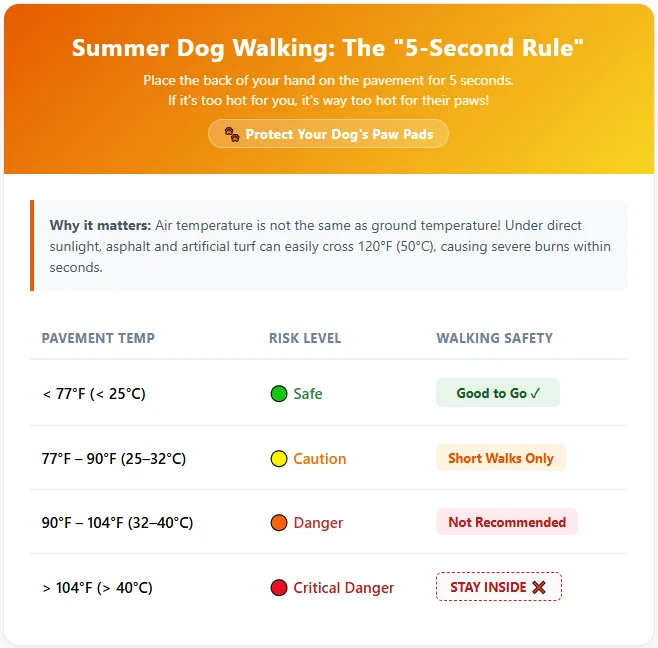
Hot pavement can burn a dog’s paw pads. Veterinarians recommend avoiding hot surfaces during extreme heat and instead walking your dog on grassy areas. Test the ground temperature by placing your hand flat against it—if you can’t comfortably hold it there for five seconds due to heat, it’s too hot. In such cases, consider using dog shoes or walk during cooler times like early morning or evening to protect your dog’s paws.
Not recommended. Dish soap is highly effective at removing grease but strips away your dog’s natural skin oils. Long-term use can damage the skin’s protective barrier, leading to dryness, flaking, and itching. Since dogs tend to lick their paws frequently, residual soap may be ingested, potentially causing gastrointestinal upset. A dog’s skin has a neutral pH between 5.5 and 7.5, while dish soap is overly alkaline and therefore unsuitable.