


My Golden Retriever, Luna, suffered for years from paw licking, ear infections, and red skin, prompting my search for the best dog food for allergies.
Research has revealed that Relief requires a structured, science-backed diet to target immune triggers. By distinguishing food allergies from digestive food intolerances, solutions like a hydrolyzed protein diet or Limited Ingredient Diet (LID) can resolve the root cause permanently.
| Breed Category | Primary Skin Allergy Symptoms | Targeted Hypoallergenic & Skin Care Advice |
|---|---|---|
| Golden Retrievers / Labradors | Frequent paw licking, red hot spots, atopic dermatitis triggered by common proteins like chicken or beef | Strictly audit protein allergens; supplement high-dose Omega-3s (EPA/DHA) to repair the damaged skin barrier |
| French Bulldogs / Pugs | Fold dermatitis on face and tail base; highly prone to systemic eczema and redness from environmental and food triggers | Clean skin folds daily and keep dry; prioritize minimalist formulas or hydrolyzed protein hypoallergenic diets |
| Poodles / Bichons | Recurrent allergic otitis (ear infections) due to dense hair and floppy ears, increased dander, and eye-area skin irritation | Regularly pluck ear hair and clean canals; avoid high-salt, high-fat ingredients and hidden allergen proteins |
| German Shepherds / Border Collies | Gut-skin allergy syndrome (food allergies triggering skin itching, shedding, and hives simultaneously) | Follow the 7–10 day safe transition rule; combine with hydrolyzed or single-protein diets; supplement probiotics and barrier nutrients |
| Miniature Schnauzers | Schnauzer comedo syndrome (clogged hair follicles on the back), food-allergic folliculitis, and dry, itchy skin | Choose low-fat, clear-ingredient hypoallergenic diets to prevent clogged follicles; supplement hydrolyzed protein or fish oil |
| English Cream Dachshunds | Contact dermatitis from belly-to-ground rubbing, long floppy ear eczema, and allergic skin redness under pale coats | Keep lower abdomen and ear canals dry; supplement salmon oil to soothe skin inflammation and nourish cream coats |
When your dog suffers from persistent discomfort, determining whether the root cause is a food allergy or a digestive sensitivity is the crucial first step toward relief.
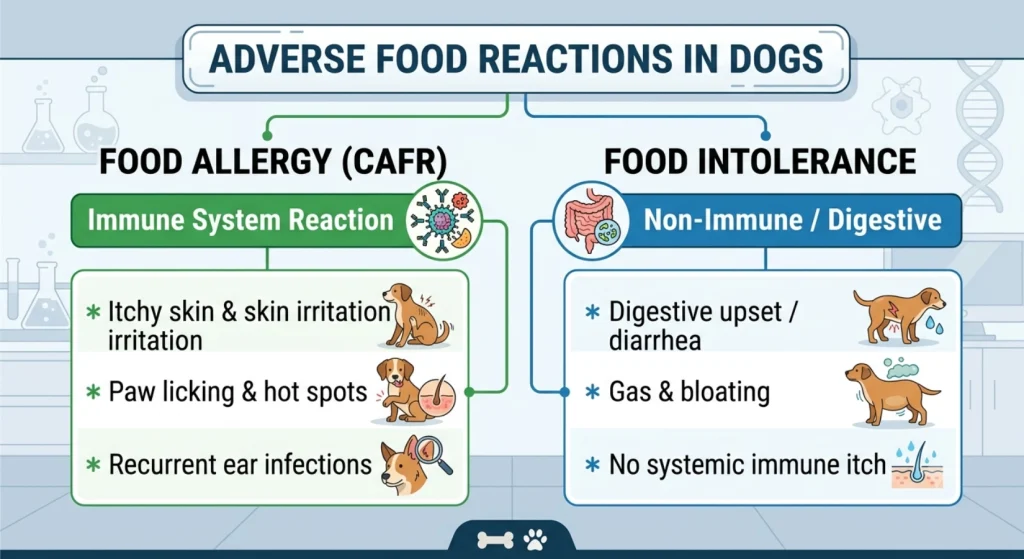
Unlike seasonal environmental allergies that peak in specific months, diet-induced allergic reactions usually persist year-round. If your dog experiences itchy skin and diarrhea at the same time, there is a strong probability of a food allergy. These symptoms typically manifest in two main ways:
Chronic skin itching and localized skin irritation are classic red flags. Affected dogs often express discomfort by incessantly licking or chewing their paws. This rapidly disrupts the skin barrier and leads to painful, oozing hot spots.
Indigestion frequently accompanies skin issues. Dogs suffering from adverse food reactions may experience chronic gastrointestinal issues or digestive upset, including frequent soft stools, vomiting, gas, or an abnormally high number of daily bowel movements.
| Feature | Food Allergy (Immune-Mediated) | Food Intolerance / Sensitivity (Non-Immune) |
|---|---|---|
| Biological Mechanism | Triggered by an abnormal immune system response that identifies a specific protein as a threat | Caused by digestive dysfunction, such as an enzyme deficiency or direct gut irritation |
| Development | Typically develops after months or years of repeatedly consuming the same ingredient | Can occur immediately after the first exposure to a hard-to-digest food |
| Primary Symptoms | Severe skin irritation, paw licking, hot spots, and ear infections (often accompanied by stomach issues) | Primarily presents as gastrointestinal distress or indigestion (diarrhea, vomiting) without severe systemic itching |
According to clinical educational resources from the Purina Institute, there is a fundamental distinction between the two:
Food Allergy: Involves an immune system reaction, causing both itchy skin and digestive issues simultaneously.
Food Intolerance: Purely digestive discomfort (similar to lactose intolerance in humans). It never causes itchy skin and typically manifests only as diarrhea or gas.
According to clinical guidelines established by the International Committee on Allergic Diseases of Animals (ICADA), the leading global veterinary allergy authority, distinguishing between food allergy and Canine Atopic Dermatitis (CAD) is highly challenging because their clinical signs frequently overlap. ICADA data shows that up to 30% of dogs diagnosed with food allergies also suffer from environmental allergies, making a strict elimination diet trial essential for accurate diagnosis.
When a dog scratches relentlessly, pet owners are often quick to blame grains or artificial preservatives. However, veterinary clinical data reveals a surprising fact: the most common food triggers in dogs are actually the everyday proteins they consume.
| Category | Specific Ingredients / Factors | Clinical Risk & Biological Mechanism | Primary Manifestations |
|---|---|---|---|
| Primary Animal Proteins | Chicken, Beef, Dairy, Lamb, Eggs | Highest Risk: Long-term consumption of commercial foods containing these ingredients leads to immune sensitization | Chronic skin itching, paw licking, hot spots, and recurrent ear infections |
| Plant Proteins & Carbohydrates | Wheat, Corn, Soy | Moderate Risk: Sensitivity to specific plant protein components or gluten | Skin irritation accompanied by GI issues (gas, diarrhea) |
| Hidden Manufacturing Risks | Cross-Contamination | Major Hazard: Trace protein transfer from shared processing equipment in standard manufacturing plants | Unexpected allergy flare-ups despite feeding OTC “chicken-free” or “grain-free” kibble |
A canine food allergy occurs when the immune system mistakenly identifies a specific protein sequence as a foreign threat. Because immune sensitization requires repeated exposure, the most widely used ingredients in commercial pet food are statistically the most likely to cause issues.
Many well-meaning dog owners purchase over-the-counter kibble labeled “chicken-free” or “alternative protein,” only to find their dog’s itching persists. Why is this? The answer lies in manufacturing cross-contamination.
Many dog owners buy over-the-counter “chicken-free” kibble, yet their dogs continue to scratch—the root cause is factory cross-contamination. Standard production lines are shared and lack thorough medical-grade cleaning, leaving residual trace chicken proteins (at parts-per-million levels) that are enough to trigger systemic inflammation in food-allergic dogs.
I learned this the hard way with Luna: after switching to a commercial “grain-free duck & sweet potato” food, her paw licking and red patches returned in less than ten days. It wasn’t until our veterinary dermatologist explained shared extrusion equipment and chicken dust contamination that I realized my mistake. That lesson taught me never again to blindly trust claims on the front of the bag!
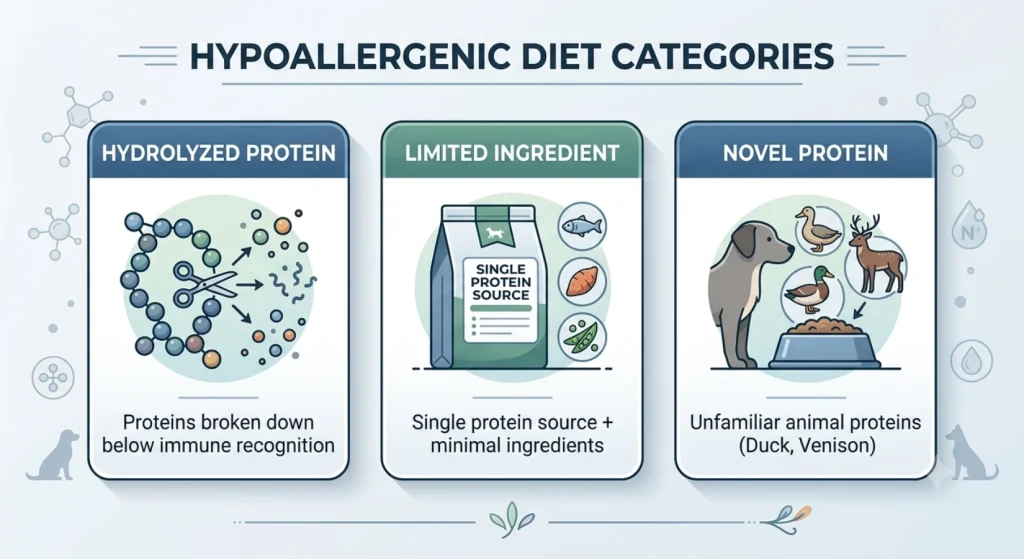
Faced with endless marketing claims like “hypoallergenic” and “natural” formulas, finding the best dog food for allergies requires understanding the distinct dietary categories available. Veterinary nutritionists broadly divide therapeutic diets into three main categories:
A hydrolyzed protein diet represents the most advanced scientific solution for managing canine food allergies.
Core Technology: Through enzymatic hydrolysis, protein molecules are broken down into tiny peptide chains with molecular weights below the threshold required to trigger an immune system response. The dog’s body absorbs essential amino acids without recognizing the original protein source.
Key Benefits & Use Cases: Key hydrolyzed protein dog food benefits include providing a clean slate for diagnostic elimination trials and offering safety for dogs with multiple protein allergies.
Prescription Status: These formulas are medical-grade prescription dog food for food allergies produced under strict safety protocols to eliminate cross-contamination risks.
| Brand & Model | Core Protein Source | Key Highlights & Benefits | Palatability | Ideal Candidate |
|---|---|---|---|---|
| Royal Canin Hydrolyzed Protein | Hydrolyzed Soy Protein Isolate | Superior skin barrier repair; strict anti-cross-contamination protocols | Dogs with stubborn skin itching, redness, and severe ear infections | |
| Hill’s z/d | Hydrolyzed Chicken Liver | ActivBiome+ technology for quick diarrhea control and gut microbiome care | Food-allergic dogs with concurrent soft stools, diarrhea, or digestive issues | |
| Purina Pro Plan HA | Hydrolyzed Soy Protein Isolate | Contains MCTs for easy absorption; extremely low antigenicity | Highly picky eaters, dogs with multiple protein allergies or malabsorption |
Royal Canin Veterinary Diet Hydrolyzed Protein
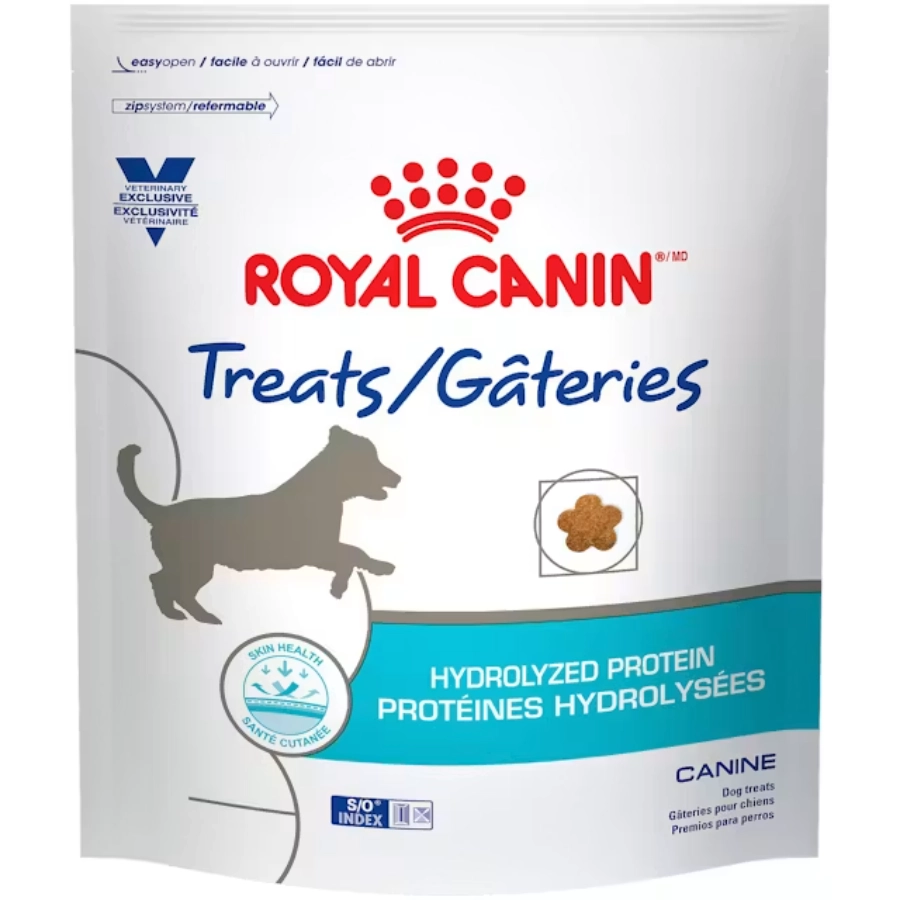
Core Protein Source: Hydrolyzed Soy Protein Isolate
Hydrolyzed Technology & Mechanism: Enzymatically breaks down soy protein into small-molecule peptides well below the immune recognition threshold (typically below IgE antibody binding sites), completely bypassing immune system detection.
Key Nutritional Highlights:
Skin Barrier Enhancement: Formulated with high levels of EPA/DHA (Omega-3 fatty acids) and a proprietary skin barrier complex (niacin, pantothenic acid) to repair skin damaged by chronic scratching.
Gastrointestinal Protection: Contains soluble fibers like FOS (fructooligosaccharides) and beet pulp to balance gut microbiome and relieve chronic diarrhea caused by food allergies.
Pharmaceutical-Grade Cross-Contamination Prevention: Produced on dedicated medical-grade production lines with rigorous line-clearing and verification protocols.
Clinical Applications:
First-choice diet for an 8 to 12-week Elimination Diet Trial;
Ideal for dogs with severe skin itching, erythema, recurrent ear infections, or Inflammatory Bowel Disease (IBD).
Reddit Community Feedback:
Hailed on r/dogs as the “lifesaving diet for allergy diagnostics.” Highly praised for its dedicated line production and reliably hydrolyzed soy protein.
Vets on r/AskVet unanimously emphasize: commercial blood/saliva allergy tests are notoriously inaccurate; a strictly executed 8–12 week elimination diet trial is the only reliable way to diagnose food allergies.
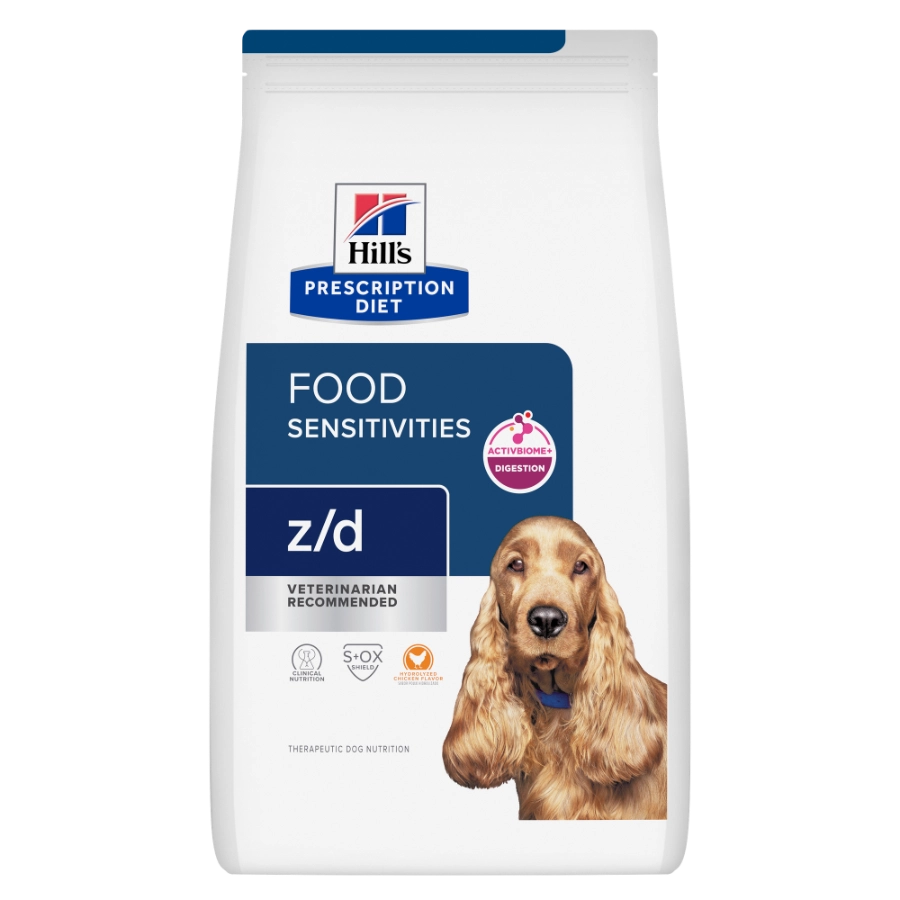
Core Protein Source: Hydrolyzed Chicken Liver / Single Hydrolyzed Animal Protein
Hydrolyzed Technology & Mechanism: Utilizes extreme hydrolysis to break chicken liver protein down below 3,000 Daltons (standard chicken protein is typically 10,000–60,000+ Daltons). This ensures that even dogs severely allergic to chicken will not react.
Key Nutritional Highlights:
ActivBiome+ Microbiome Technology: Hill’s proprietary prebiotic blend activates beneficial gut bacteria within hours, rapidly settling soft stools, gas, and diarrhea.
Antioxidants & Skin Repair: Enriched with clinical levels of natural antioxidants (Vitamins C & E) and high levels of Omega-3 and Omega-6 fatty acids to visibly improve coat quality and reduce skin inflammation.
Refined Single Carbohydrate: Uses highly purified corn starch as a single carbohydrate source, removing plant protein antigens.
Clinical Applications:
Dogs accustomed to animal protein with highly sensitive stomachs and frequent soft stools/diarrhea;
Complex cases presenting both dermatological (itching, hair loss) and gastrointestinal (vomiting, diarrhea) symptoms.
Reddit Community Feedback:
Recommended as the “go-to choice for dual skin and gut sensitivities.” Excellent feedback for dogs suffering from simultaneous diarrhea and itching.
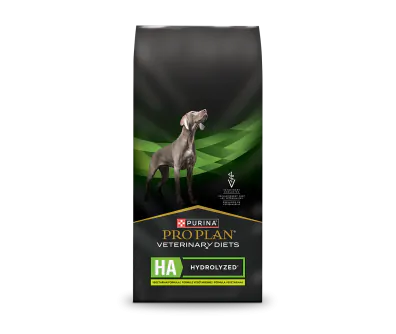
Core Protein Source: Hydrolyzed Soy Protein Isolate
Hydrolyzed Technology & Mechanism: Combines ultra-low molecular weight hydrolyzed soy protein with refined corn starch to minimize protein and carbohydrate antigenicity.
Key Nutritional Highlights:
Added MCTs (Medium-Chain Triglycerides): Contains medium-chain fatty acids (from coconut oil) that are absorbed directly by the gut without requiring complex pancreatic breakdown, significantly reducing digestive strain.
Breakthrough Palatability: Traditional hydrolyzed kibble can taste slightly bitter; Purina HA excels in flavor-coating technology, making it accepted even by picky dogs.
Ultra-Minimalist Formula: An exceptionally clean ingredient list that eliminates virtually all common food allergens.
Clinical Applications:
Severely allergic dogs that are extremely picky eaters;
Sensitive dogs with concurrent pancreatitis, lymphangiectasia, protein-losing enteropathy, or fat malabsorption.
Reddit Community Feedback:
Praised as a “lifesaver for picky dogs with allergies.” High palatability and easy digestion thanks to MCT oil make it the top choice for dogs refusing other prescription diets.
For pet parents who have identified specific triggers and want a long-term maintenance strategy, a limited ingredient dog food is often the preferred choice.
Core Concept: These formulas rely on a single protein source paired with a simplified carbohydrate base and zero unnecessary fillers or artificial additives.
Common Alternative Ingredients: Formulas frequently combine alternative proteins like salmon with gentle carbohydrates such as sweet potato or peas to minimize allergen exposure.
Primary Uses: Best for dogs with a known, single-ingredient trigger (e.g., chicken) that do not require hydrolyzed processing.
Natural Balance Limited Ingredient Diet
A novel protein diet utilizes animal protein sources that your dog has never consumed before.
Core Concept: Because canine allergies develop after repeated exposure to a specific protein, introducing an unfamiliar protein sequence prevents the immune system from reacting.
Key Ingredients: Popular novel protein sources include duck, venison, rabbit, or kangaroo.
Considerations: To be effective, the diet must strictly avoid hidden poultry or beef fats that could reintroduce common allergens.
Veterinary Endorsement (WAVD & ACVD): The World Association for Veterinary Dermatology (WAVD) and the American College of Veterinary Dermatology (ACVD) endorse hydrolyzed diets and strict elimination protocols as the primary diagnostic standard for Canine Adverse Food Reactions (CAFR). Clinical studies reviewed by board-certified dermatologists show that over 80% of dogs with cutaneous food allergies show significant symptom resolution when placed on a strict hydrolyzed protein or validated novel protein regimen
Finding the right dog food for dogs with allergies is only half the battle—how you introduce that new diet is just as critical. Switching your dog’s diet abruptly can trigger severe gastrointestinal distress, including acute diarrhea, vomiting, and abdominal pain, which can easily be mistaken for a food allergy relapse.
To give your dog’s digestive enzymes and gut microbiome time to adapt, a gradual transition is essential.
When transitioning dog food safely, patience is key. For dogs with pre-existing digestive sensitivities or cutaneous food allergies, following a structured 10-day timeline prevents unnecessary GI upset and ensures a smooth shift to their new hypoallergenic regimen.
Days 1–3 (25% New / 75% Old): Introduce a small portion of the new hypoallergenic kibble alongside their current diet. Monitor stool consistency closely.
Days 4–6 (50% New / 50% Old): Equal parts new and old food. At this stage, digestive enzymes begin adjusting to the new protein structure.
Days 7–9 (75% New / 25% Old): The new food now makes up the vast majority of your dog’s meals. Skin itching and paw licking should begin to stabilize.
Day 10 & Beyond (100% New Diet): Full transition complete. If executing a strict diagnostic elimination trial, the 8-to-12-week diagnostic clock officially starts today.
Pro-Tip for Sensitive Stomach Dogs: If at any point during the transition your dog develops soft stools or diarrhea, pause the schedule and hold at the current percentage ratio for an extra 2–3 days until bowel movements normalize before advancing to the next phase.
This article is for informational and educational purposes only and is not a substitute for professional veterinary diagnosis or treatment. Every dog’s physiology and allergy triggers are unique. Always consult a licensed veterinarian before switching to a prescription diet or conducting an elimination diet trial. If your dog exhibits severe allergic symptoms, seek immediate veterinary care.