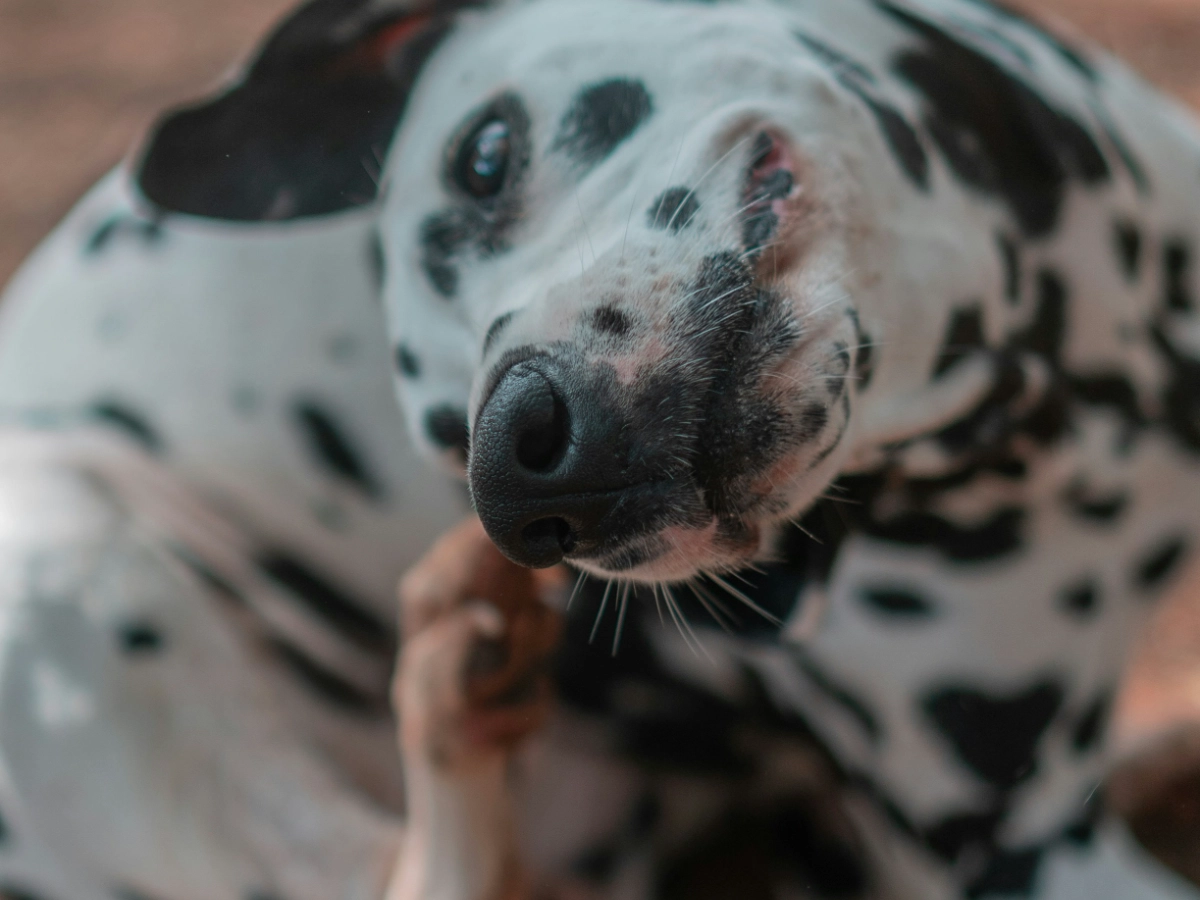

If you notice your dog frequently scratching its ears, shaking its head abnormally, or emitting an unpleasant odor, it may be a sign of ear discomfort and indicate that the ear canal needs cleaning. Conditions such as ear infections, ear mites, and aural hematomas can often be prevented and managed through regular ear care. Let’s discuss how to properly clean your dog’s ears, how often clean dog’s ears, and what factors influence cleaning frequency and routine. Please note that this article does not replace professional veterinary diagnosis—consult your veterinarian for specific concerns and appropriate treatment.
Needs cleaning. A dog’s ear canal is covered with abundant ear hair, and without regular cleaning, dirt can easily accumulate, potentially leading to ear mites in severe cases. A healthy ear canal should be clean, odorless, free of debris, and pink in color. If you notice brown discharge oozing from your dog’s ears, do not ignore it—this may signal an underlying health issue:
① Fungal infection:
Brown, greasy earwax with a sour or rotten smell, accompanied by noticeable red patches and flaking on the ear flap.
② Ear mites:
Ear mites cause dogs to scratch their ears frequently; dark, coffee-ground-like debris may appear inside the ear canal. Under a microscope, parasites feeding on the skin lining the ear canal can be observed.
③ Ear inflammation (otitis):
Discharge turns into yellow-green pus, fever may develop, and the infection could spread to the middle ear. Immediate veterinary care is required, including oral antibiotics and nutritional support. If bleeding occurs, apply pressure to stop it and seek emergency medical attention.
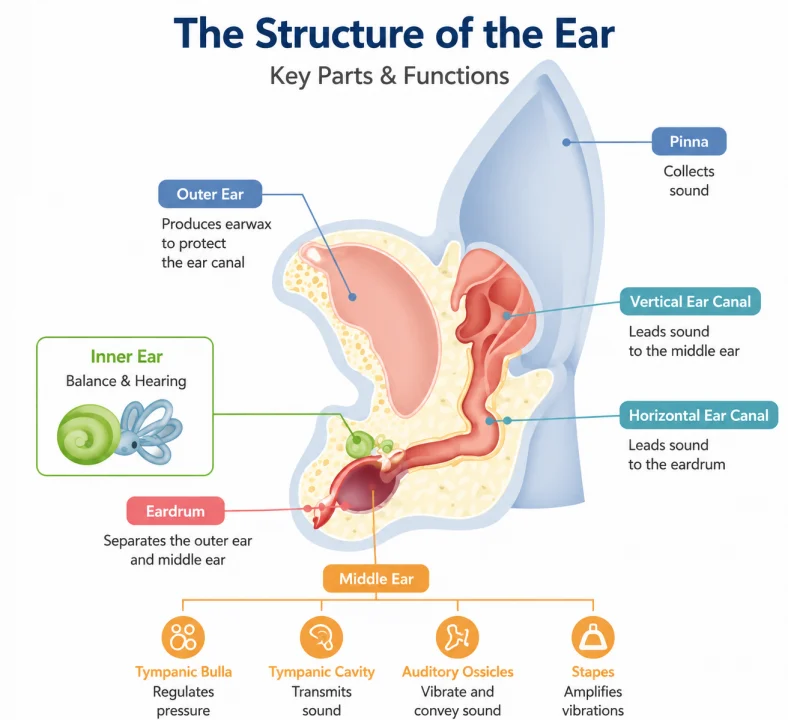
Frequent ear washing removes natural oils from the ear canal, making it more susceptible to infections. Since the canine ear canal has an L-shaped structure, improper cleaning techniques can push earwax deeper into the canal. Over-cleaning disrupts the ear’s natural acid-base balance, increasing the risk of ear inflammation and infection.
It is recommended to clean your dog’s ears once per week. If there is excessive earwax buildup, cleaning twice weekly may be necessary.
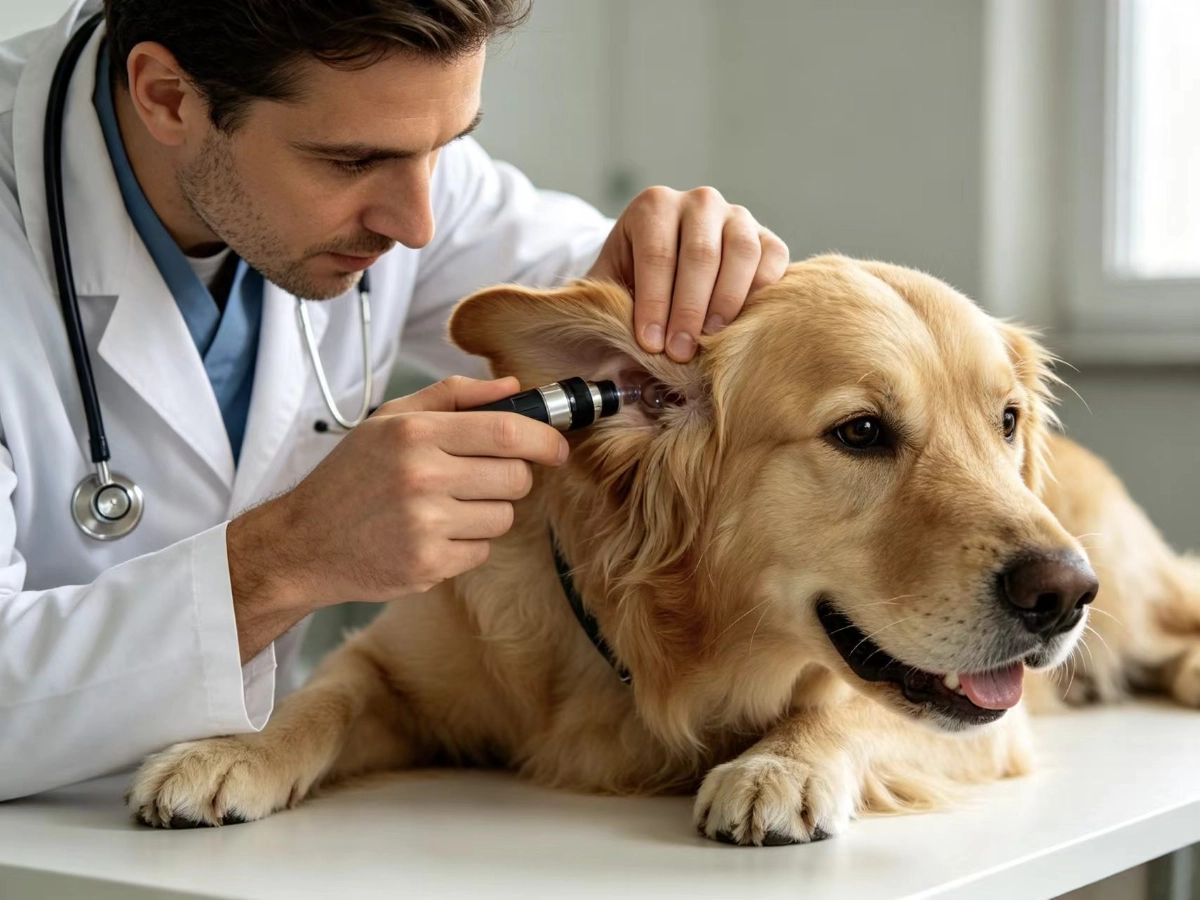
Tip: Gently touch your dog’s ear flap with the back of your hand or finger to check for intact skin, redness, swelling, or lumps. If you notice brown or gray fluid, thick waxy substance, scratches, scabs, or wounds inside the ear, avoid cleaning on your own. Consult your veterinarian first.
• Ear mite infestation: Dogs infected with ear mites produce large amounts of oily discharge that is black or dark brown and emits a foul odor. The dog may frequently scratch its ears, causing hair loss around the ears, redness, swelling, and sometimes tearing.
• Malassezia infection: Unlike the dry discharge caused by ear mites, Malassezia-induced infections result in a distinctive greasy, wax-like brown earwax. This yeast naturally lives on a dog’s skin surface but can overgrow when the ear remains damp for prolonged periods or when the dog’s immune system is weakened. It produces a thick, deep-brown, greasy discharge with a sour smell. Skin on the ear flap may show red patches, hair loss, or white flakes. These symptoms are often mistaken for allergic reactions, delaying proper treatment.
Many dog owners notice that their older dogs have significantly more earwax, but this isn’t directly caused by aging itself. As dogs grow older, their immune systems weaken, sebaceous gland metabolism changes, and the muscles in the ear canal become lax—especially in dogs with floppy ears, which tend to droop and block the ear canal. This makes them more prone to accumulating oil and debris compared to dogs with erect ears. If underlying issues such as fungal infections, ear mites, or ear inflammation aren’t addressed, dirt and buildup will continue to increase.
| ❌ Wrong operation | Harm |
| Using human alcohol or pure water, or homemade liquid to clean a dog’s ears | Alcohol irritates the ear canal mucosa and damages its protective layer; pure water can cause dampness, promoting bacterial growth and triggering otitis externa or otitis media. |
| Frequent ear cleaning | Removes natural earwax oils, disrupts the microbial balance, increases dust accumulation, and raises the risk of bacterial infection. |
| Ignoring long ear hair or forcibly plucking it | Ear hair blocks airflow in the ear canal, creating a moist environment conducive to ear mites and bacteria; manual removal may cause skin damage and inflammation. |
| Using cotton swabs or ear picks to deeply probe the ear canal | A dog’s ear canal is L-shaped; hard objects push earwax deeper, leading to buildup, deterioration, and inflammation. |
| Only wiping the outer ear flap | Leaves deep earwax residue to ferment, gradually causing itching and fungal infections. Leaves deep earwax residue to ferment, gradually causing itching and fungal infections. |
| Neglecting external parasite prevention and failing to protect against ear mites | Ear mites infest the ear canal, causing persistent itching and excessive dark brown discharge. |
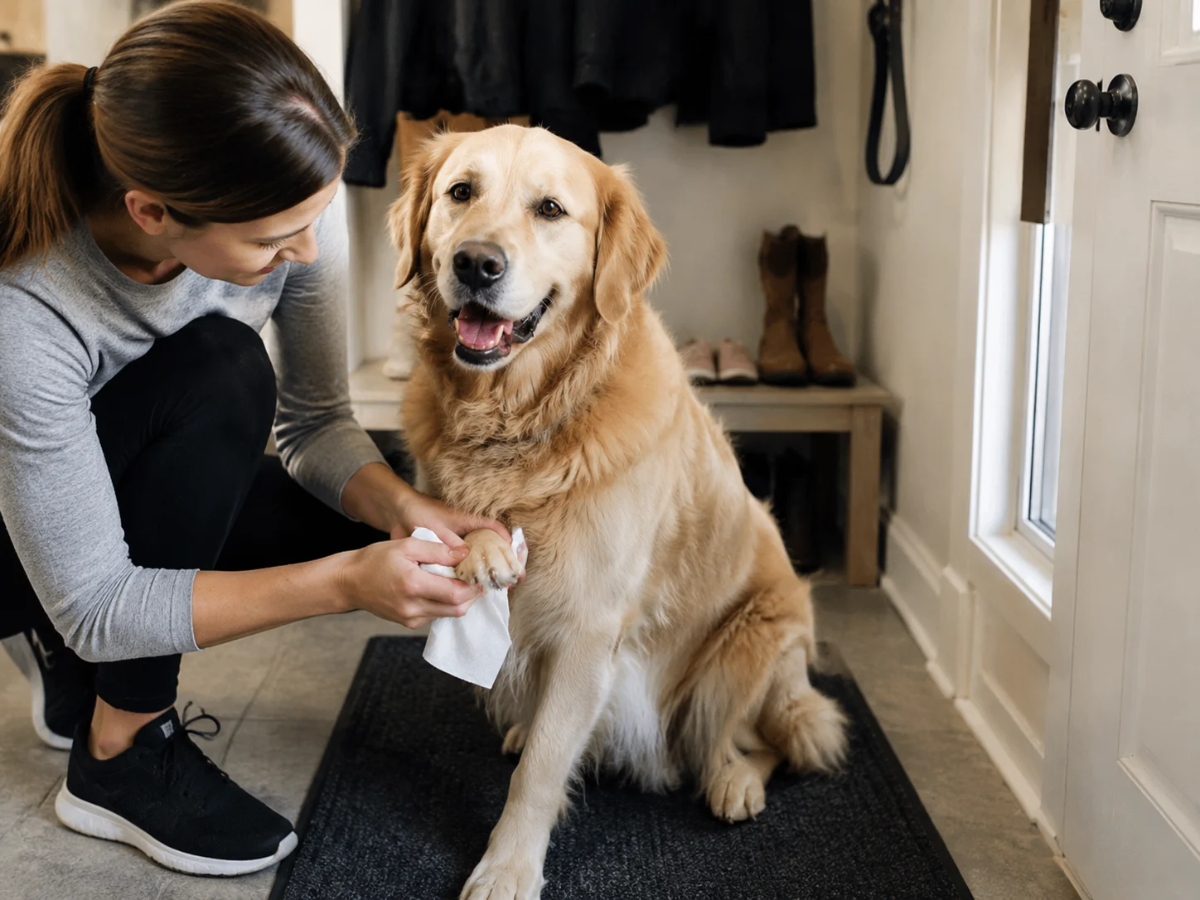
According to authoritative veterinary sources, the safest alternative when no specialized ear cleaner is available is to use a veterinarian-approved cleaning solution. For surface cleaning only, you may gently wipe the outer ear and entrance of the ear canal with a clean cotton ball, gauze pad, or pet-specific ear-cleaning wipes. Never insert cotton swabs into the ear canal, and avoid using alcohol, hydrogen peroxide, or vinegar as substitutes for ear cleaners.
Two years ago, I had a puppy that strongly disliked being given deworming drops or ear cleaner. As soon as I took out those items, it would run away. But I noticed it often sat on the floor scratching its ears and making uncomfortable noises, which really broke my heart. Later, I followed the method above to perform surface cleaning, using something unfamiliar to the dog. To my surprise, it didn’t resist at all—instead, it seemed to feel much more comfortable.
No. Vinegar is acidic and can irritate the ear canal. It may cause pain or burns, especially in inflamed or sensitive ears. ; When dogs have ear mites, ear canal abrasions, or ear infections, using vinegar can worsen the condition. If the ears are red and swollen, oozing pus with a foul odor, or the dog frequently scratches its ears and shakes its head, vinegar should be strictly avoided—seek veterinary care immediately. Veterinarians universally recommend: abandon the home remedy of white vinegar and instead use pet-specific ear-cleaning solutions.
① Use pet-specific, mildly alkaline ear wash weekly to clean the ear canal.
② After bathing, gently dry the folds around the ears with cotton balls.
③ During treatment, first use a specialized ear care solution to remove discharge.
④ Apply veterinarian-prescribed anti-inflammatory medication and gently massage the base of the ear for 30 seconds.
Yeast infections can cause foul odor, itching, and brown discharge in a dog’s ears. These require specific medications for treatment; regular cleaning alone is insufficient and may worsen the condition. It’s best to have your dog examined by a veterinarian. During treatment, follow your vet’s instructions closely and clean the ears 1–2 times per week.
① Soak a cotton ball in saline solution and gently wipe the outer ear canal to remove surface dirt and secretions. Never use cotton swabs, as they can damage the dog’s ear canal or eardrum.
② Gently pull the dog’s ear flap backward, then drop several drops of pet ear cleaner into the ear. After application, gently massage the base of the ear for a few minutes to evenly distribute the solution throughout the ear canal.
③ Allow the dog to shake its head naturally to expel debris and excess cleaner from the ear canal, then use a clean cotton ball to wipe the outer ear canal.
Below are three highly recommended ear cleaners endorsed by veterinarians:
TropiClean: A trusted American brand with an alcohol-free formula, ideal for daily use to relieve itching and remove dirt.
Kin+Kind No-Rinse Formula: Made with natural ingredients including tea tree oil and witch hazel—perfect for dogs prone to ear allergies.
HiiiGet Kojima: A century-old pet care brand specializing in preventing ear mites and maintaining daily ear hygiene.
Compared to traditional ear cleaners, pet ear wipes offer greater convenience and are especially suitable for dogs that dislike liquid ear cleaners. Simply wipe the ear flaps and visible areas gently with a wet wipe during routine cleaning after walks or baths to help remove dirt and eliminate odors.