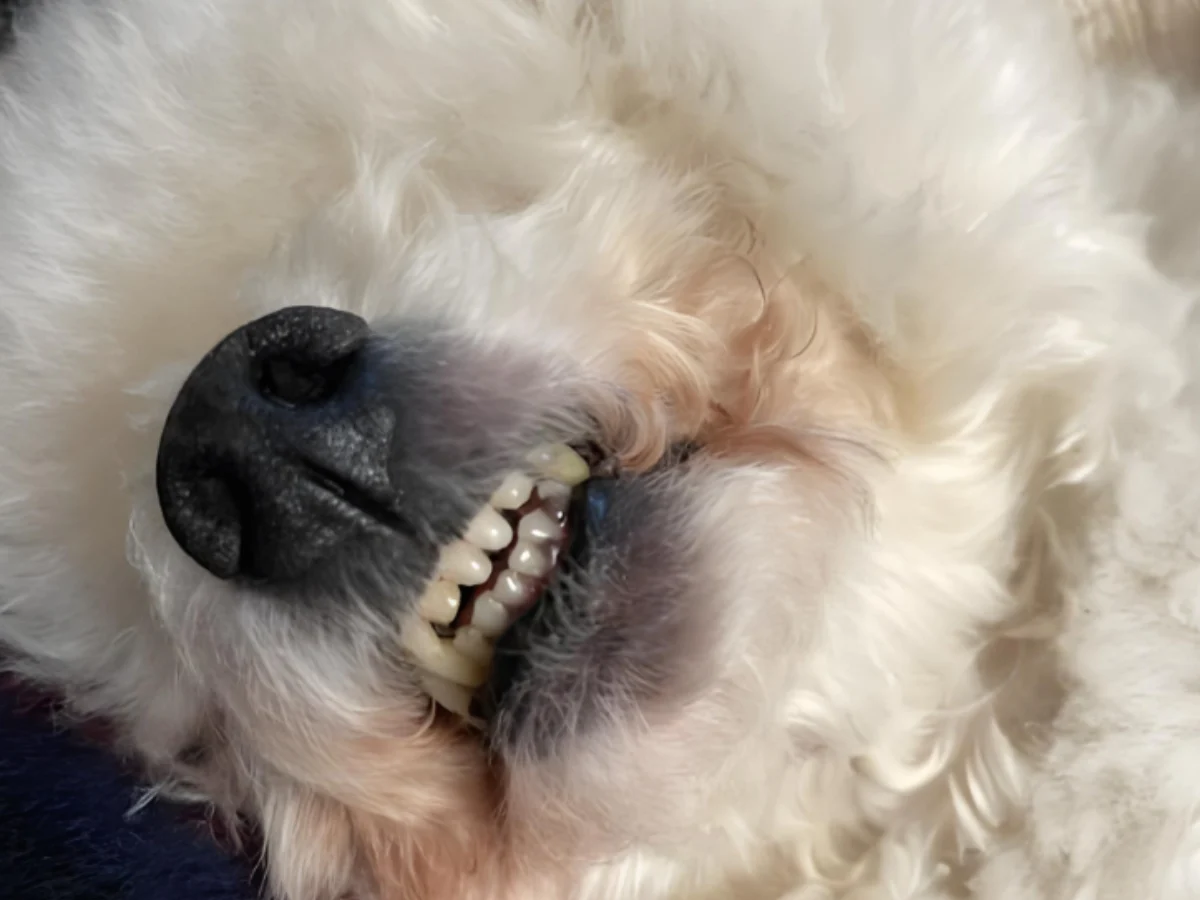

Do you regularly clean your dog’s teeth? You should know that maintaining your dog’s dental health is crucial for their overall physical and mental well-being. There are many ways to care for a dog’s teeth, and today we’ll discuss the role of dog dental cleaning toys in promoting oral hygiene. The content provided here is based on personal pet care experience and is intended for reference only. If your dog shows signs of oral inflammation, severe tartar buildup, or tooth pain, please consult a professional veterinarian promptly.
1. Why are more and more people choosing dental toys for their dogs?
1.1 Why are dogs prone to plaque, tartar, and bad breath?
The main cause of bad breath in dogs is food residue left in the mouth after eating, which ferments and promotes bacterial growth. Dental plaque adheres to the surface of a dog’s teeth; if not cleaned promptly, it gradually hardens into tartar. Tartar contains bacteria and toxins, and prolonged lack of dental care can lead to gum inflammation, which may further develop into gum recession, exposed tooth roots, and loose teeth.
1.2 How do dental cleaning toys work?
Dental toys for dogs primarily work by physically scrubbing away debris, soft plaque, and some dental plaque through chewing.
Friction cleaning: Toys such as multi-colored braided ropes use fibers that repeatedly contact the teeth, removing soft deposits from the tooth surfaces.
Groove and X-shaped scraping: Rubber or silicone toys with raised dots or grooves effectively scrape along the tooth surface when chewed.
Extended chewing time: Keeping chewing sessions between 10 to 30 minutes increases contact between teeth and the toy, generally improving cleaning effectiveness.
Auxiliary ingredients: Some dental toys contain antibacterial or oral care components, but mechanical friction remains the primary method of cleaning.
Note: Excessively hard toys may damage a dog’s teeth, potentially causing fractures.
2. Do dental toys for dogs really work?
2.1 Are dog dental cleaning toys actually effective?
Effective, serves an auxiliary role.Dental toys for dogs provide auxiliary friction-based cleaning but cannot replace brushing. The Veterinary Oral Health Council requires products to undergo evaluation for both safety and effectiveness, with proven ability to reduce plaque or tartar before they can carry the VOHC certification mark. Clinically supported dental chew products have been shown in studies to reduce plaque formation by 70%–80% and significantly decrease tartar buildup by 50%–65%.
2.2 What types of dental toys are best for cleaning a dog’s teeth?
Prioritize VOHC-certified dental chew toys, as they are more effective for maintaining your dog’s oral hygiene.
| Type | Cleaning Mechanism | Suitable For |
| VOHC Certified Dental Chew Products | Clinically proven by the Veterinary Oral Health Council, with data supporting their effectiveness | Dogs with clear, high-efficiency dental cleaning needs or those with weaker oral health |
| Rubber/Silicone Toys with Nubs, Textures, and Grooves | The raised and textured surfaces create repeated friction against teeth during chewing, physically removing plaque | All breeds; especially suitable for dogs needing daily supplementary cleaning |
| Cotton Rope and Braided Rope Toys | Fibers gently remove soft plaque from tooth surfaces through pulling and chewing | Dogs that enjoy chewing ropes |
3. Choosing Toys Based on Dog Size
3.1 What Kind of Dental Cleaning Toys Are Suitable for Small Dogs?
Choose small-sized toys to avoid being too large and difficult to chew. The surface should have bumps, grooves, or fibers—such as cotton ropes or silicone dental chews—to help clean between teeth. The material should be durable enough to withstand chewing but not overly hard to prevent tooth damage.
I usually give my dog colorful braided rope dental toys. Especially during the first month after I got him, when he was teething, he loved tearing and biting everything around. Once, when I came home from work, he had completely destroyed my shoes, leaving a mess everywhere. After switching to dental toys, he stopped causing chaos. Seeing how well-behaved he became, I filled his dog bed with pink, blue, and yellow plush toys surrounding him. Watching him sleep peacefully melted my heart.
3.2 What Kind of Dental Cleaning Toys Are Suitable for Large Dogs?
Opt for extra-large (L) size products that are tough and resistant to breaking. Choose toys with sturdy construction to prevent accidental swallowing due to small pieces. A V-shaped groove design helps clean the tooth surfaces effectively—examples include V-groove dental bones and VOHC-certified large-dog chew products.
3.3 Can Puppies Use Dental Chewing Toys?
Yes. Select toys specifically designed for puppies and use them in moderation to assist with dental cleaning. Avoid overly hard materials. Always supervise your puppy while they play, monitor their reactions closely, and limit chewing time to about 10 minutes. If signs such as diarrhea appear, discontinue use immediately to prevent gastrointestinal discomfort.
4. Comparison of Popular Dental Chewing Toys
4.1 Which Dogs Are Suitable for Chew-Type Dental Toys?
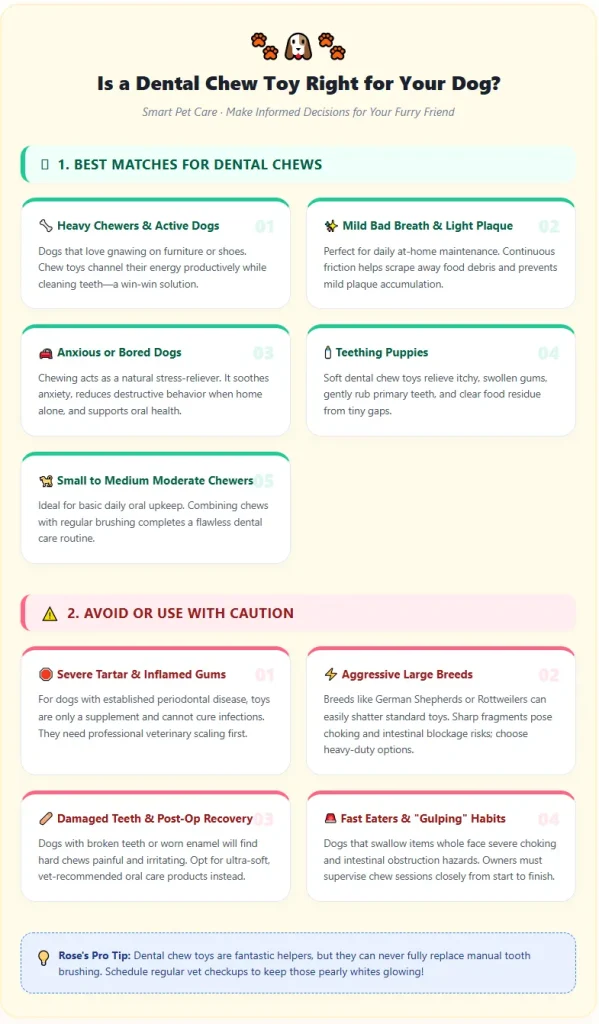
These toys are primarily suitable for dogs that enjoy chewing and biting, small to medium-sized breeds, puppies in the teething stage, and dogs needing mild oral odor cleaning on a daily basis.
4.2 Bristle Bone Dental Chew Toy: Benefits and Precautions
Below is a summary of feedback from most Reddit users regarding their dogs’ experiences with dental chew toys. Let’s take a look:
Main benefits: The bristles on the toy surface create friction when the dog chews, helping to remove plaque and soft tartar from teeth.
Precautions: Not suitable for dogs with extremely strong bite force, as the bristles may be bitten off or break apart, posing a risk of ingestion. Note that some bristle toys are very hard and could potentially cause tooth fractures. If your dog is a heavy chewer, close supervision is essential.
4.3 How to Choose Between KONG, Nylabone Durachew, and Petstages Dental Toys?
| Model | Dental Cleaning Power | Suitable Dog Types |
| KONG | Relies on rubber friction to clean tooth surfaces, ideal for basic dental care | Strong chewers, dogs that tend to destroy furniture or become anxious when left alone |
| Nylabone Durachew | Focuses on reducing plaque with strong professional cleaning power | Gentle chewers, small to medium breeds that enjoy flavored treats, owners prioritizing effective teeth cleaning |
| Petstages | Cleans teeth while playing, offering well-balanced overall performance | Puppies during teething, senior dogs, and interactive-loving dogs |
Toys can only clean areas that dogs can reach with their teeth, such as the corners of the gums, which are difficult to thoroughly clean. When you come home from a walk or after meals and don’t have time to brush your dog’s teeth, or when your dog resists brushing, you can use pet dental wipes as an alternative.
5. Common Misconceptions About Dental Chewing Toys for Dogs
5.1 What Are Good Chewing Options That Help Clean a Dog’s Teeth?
① Vegetable sticks: Carrot and apple sticks, for example, are excellent chewing options that help clean a dog’s teeth while also providing some nutritional benefits.
② Dental chews: Choosing high-quality, appropriately sized dental chews can help remove soft plaque and food debris from the surface of a dog’s teeth during chewing.
③ Rawhide bones: With veterinary guidance, rawhide bones can be given to dogs in moderation. However, it is important to select safe products to avoid potential harm from bone fragments.
5.2 Can you manually scrape plaque off a dog’s teeth?
It is not recommended to do so, and you should never attempt it on your own. Soft dental plaque on a dog’s teeth can be effectively removed through regular brushing as part of daily oral care. However, attempting to remove hardened tartar yourself may damage the dog’s gums and enamel. Instead, use a pet-specific toothbrush or finger wipes to clean your dog’s teeth after meals, establishing a routine to carefully maintain their dental health.
6. What are other oral care methods besides dental toys?
6.1 What methods effectively dissolve plaque on dogs’ teeth?
The most effective method is brushing your dog’s teeth with a dedicated dog toothbrush. Start building the habit early by introducing tooth brushing during puppyhood—begin by gently wiping the teeth and gums with your finger, then gradually transition to using a toothbrush.
If plaque has already hardened into tartar, consult a veterinarian for professional ultrasonic scaling.
6.2 What is the “333 Rule” for brushing a dog’s teeth?
① Give your dog a 3-day adjustment period: first let your dog get used to the toothpaste scent and touch around the mouth to reduce resistance;
② Establish a brushing routine: start by brushing just a few teeth at a time, control the duration and frequency, then gradually increase;
③ Take 3 months to fully adapt: progressively incorporate regular weekly brushing after meals, using consistent commands and rewards.
-
Sale!
Fragrant shampoo for dogs and cats with dry skin featuring a foaming stain remover
Original price was: $7.29.$6.29Current price is: $6.29. Add to cart -
Sale!
-1-300x300.webp)
clean food residues and dog cat blackheads non-irritating wipes
Original price was: $11.89.$9.99Current price is: $9.99. Add to cart -
Sale!
Disposable hand wipes for pet cleaning paws and body fur no irritation
Original price was: $8.98.$4.49Current price is: $4.49. Add to cart