
Just like humans, dogs’ teeth require careful attention. Neglecting dental hygiene can lead to unbearable bad breath when playing or hugging your dog. Moreover, dog teeth cleaning directly affects its oral well-being and even overall physical and mental health. This article provides practical tips on caring for your dog’s teeth, along with cost references for professional cleanings, helping you understand the essentials in an easy-to-follow way.
According to the WSAVA Global Dental Clinical Guidelines, approximately 80% of dogs suffer from various forms of periodontal disease, with some studies showing an incidence rate as high as 90%. When dogs experience tooth pain, eating becomes agonizing. They may refuse food due to discomfort or only eat soft foods, which can negatively affect their overall health. Oral problems caused by periodontal disease can also impact internal organs—bacteria from the mouth can enter the dog’s bloodstream and damage vital organs such as the heart, liver, and kidneys. This is especially true for senior dogs and breeds prone to dental issues, such as Pomeranians and Shih Tzus. Dental cleaning is not just about oral health; it is crucial for maintaining your dog’s overall well-being.
Without regular dental care, food debris and bacteria accumulate on a dog’s teeth, forming plaque over time. If left untreated, this plaque gradually hardens into tartar. Once tartar develops, if not removed promptly, it can migrate upward along the teeth, leading to gum recession and subgingival tartar. The damage to the gums is irreversible. The bacteria and toxins in tartar can cause gingivitis, which may progress to gum recession, exposed tooth roots, and loose teeth.
2.1 How to Effectively Clean Your Dog’s Teeth at Home?
Regular dental care at home can be achieved through brushing, helping your dog develop a habit and easily eliminate bad breath and plaque.
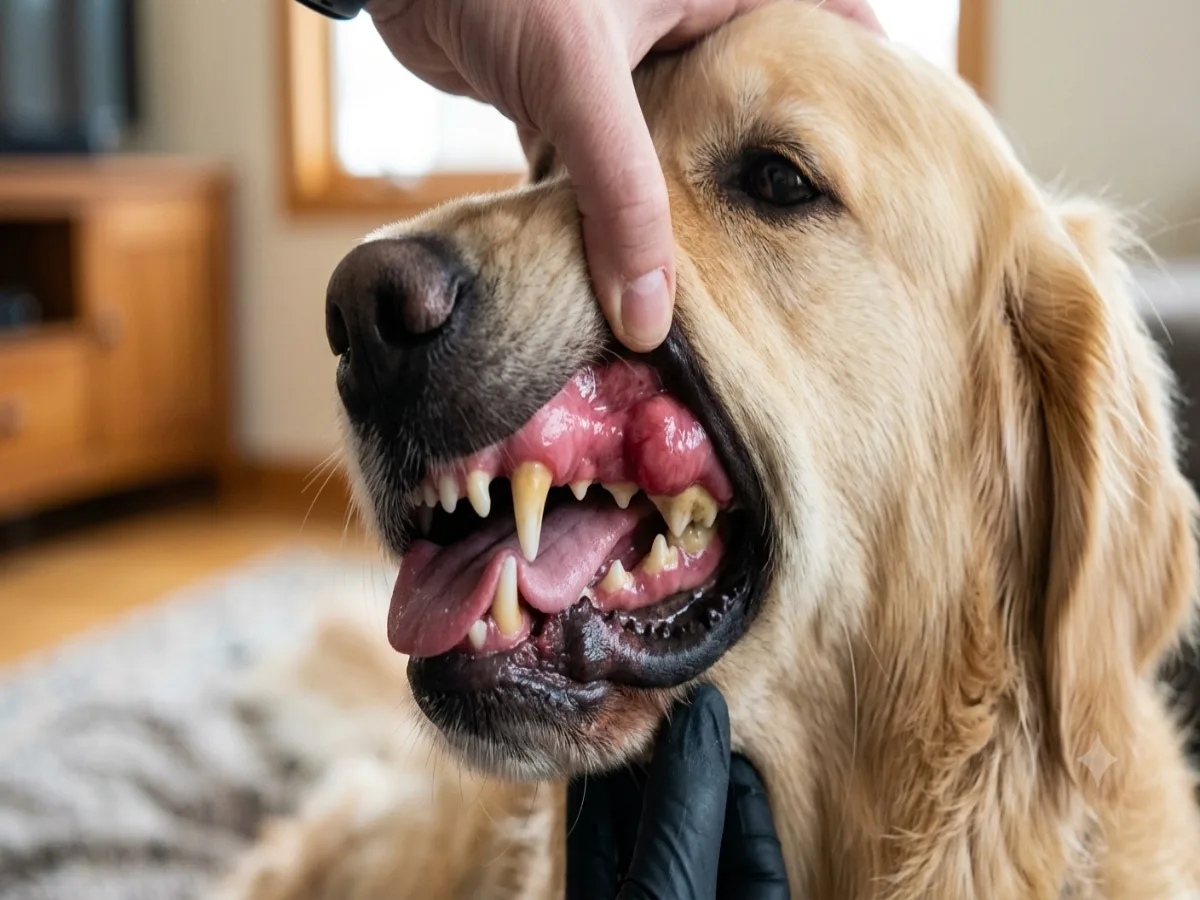
① Check teeth: Gently lift your dog’s lips to examine the teeth, checking for signs of inflammation, plaque, or tartar buildup.
② Establish a regular brushing routine: Start by gently rubbing your finger along your dog’s gums. Begin with the outer surfaces of the teeth only, and once your dog gets used to this motion, gradually open its mouth to clean the inner side of the teeth and gums. After your dog becomes comfortable with finger cleaning, wrap gauze around your finger and use it to clean the teeth and gums. Reward your dog with a small treat each time it cooperates.
③ Brushing: Once your dog is fully accustomed to the previous steps, try using a pet-specific toothbrush. Apply toothpaste—about one-third the length of the bristles—onto the brush. Hold the brush at a 45-degree angle and gently make small circular motions at the junction where the gum meets the tooth, cleaning just a few teeth at a time. Then use vertical strokes to thoroughly remove plaque from between the teeth. Finally, clean the inner side of the teeth and gums.
Tips:
Brush your dog’s teeth at least three times per week. Use a soft-bristled toothbrush designed for dogs, or temporarily substitute with a child’s toothbrush. A wave-shaped bristle pattern cleans all areas of the teeth more effectively.
Simply put, brush for three minutes each time, using gentle motions to thoroughly clean every tooth and gap. Divide brushing into three sessions—morning, afternoon, and evening—to reduce resistance. Stick to this routine for three weeks to effectively improve bad breath and other oral issues.
It’s never too late to start. After every meal, promptly clean your dog’s teeth using dental wipes or brushing. Remember to schedule regular dental checkups. Ideally, establish a brushing habit early in life, as plaque can quickly turn into tartar. The sooner you remove plaque, the better. Tartar can lead to bad breath, gum recession, tooth loss, and other serious oral problems, and may even trigger internal health issues. By the time symptoms become severe, your dog’s health could already be significantly affected.
These devices are suitable for daily preventive care and removing minor plaque buildup, provided they are used safely and correctly. Devices like PawsPik and CleanyTeeth use micro-vibrations or ultrasonic waves to soften plaque, allowing it to be gently wiped away without harsh scraping. Many models feature smart sensors that only activate upon contact with hard enamel, making them gentle on gums and tooth surfaces. They are safer than manual metal scrapers and less likely to injure your dog’s mouth.
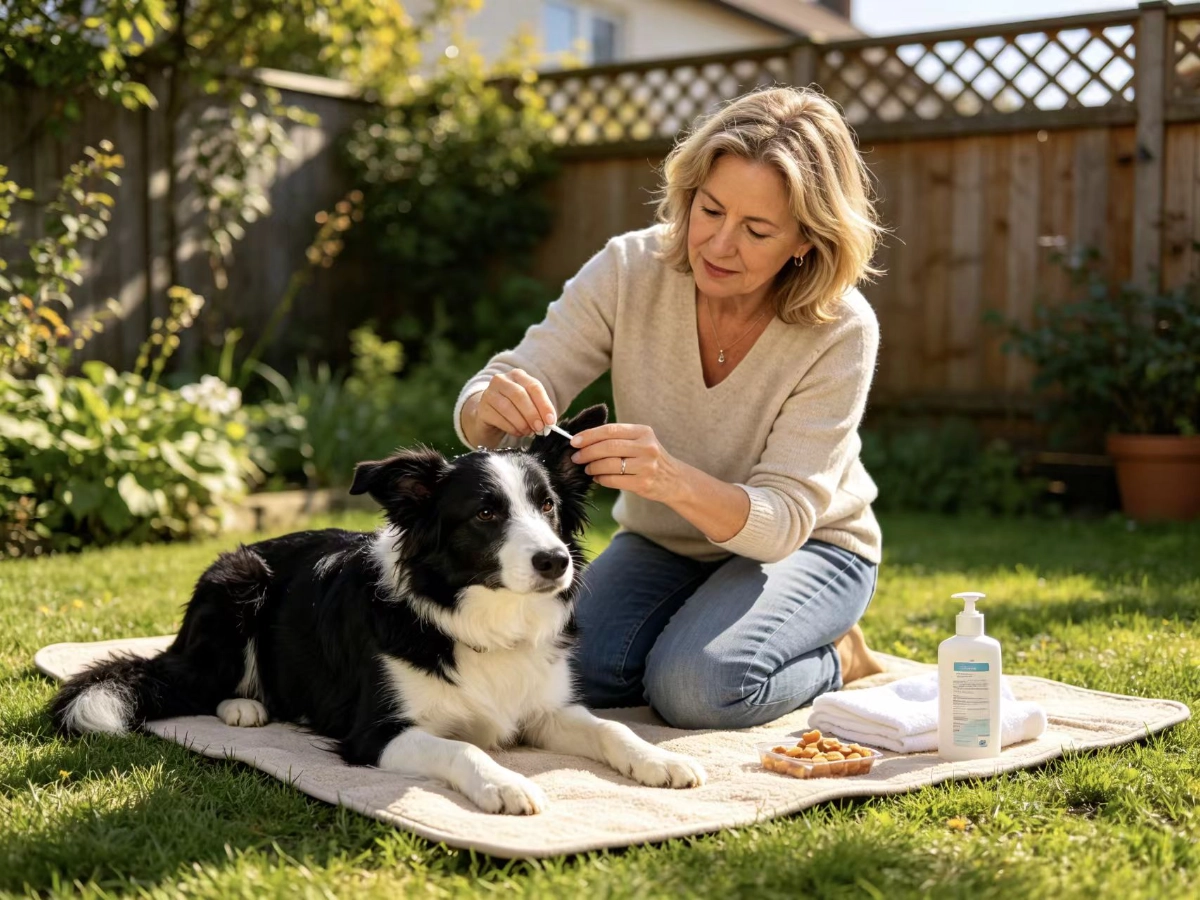
① Start by applying dental gel onto your finger and letting your dog touch it, then give the command for teeth cleaning. Gradually introduce the dental tool, maintaining a steady posture and gentle technique—never force or harm your dog. Throughout the process, offer reassurance and rewards to help your dog become comfortable and accustomed to the device.
② Brush your dog’s teeth regularly to maintain oral hygiene. Encourage drinking water after meals to help wash away food particles. Occasionally offer dental chews or bones as treats, which can enhance cleaning through chewing action. However, avoid prolonged chewing sessions, as this may unintentionally damage teeth.
You may also refer to resources from the Veterinary Oral Health Council (VOHC), which lists on their website vohc.org various products, foods, treats, and water additives that have been proven safe and effective in reducing plaque and tartar.
4.1 How much does a veterinarian charge for dental cleaning and deep cleaning for dogs?
According to publicly available data from the United States, the cost of dog dental cleaning varies significantly. A basic teeth cleaning may only cost several hundred dollars, but when anesthesia, imaging tests, and tooth extractions are included, the total cost increases substantially.
| Cost Items | Reference range | Explanation |
| Preoperative Examination | Approx. $50–$200 | Typically includes a physical exam and oral assessment; some clinics may include blood tests. |
| Anesthesia | Approx. $100–$500+ | Cost varies significantly depending on whether general anesthesia is used, duration of anesthesia, and level of monitoring. |
| X-rays | Approx. $100–$300 | Used to examine tooth roots, periodontal health, and hidden dental issues. |
| Ultrasonic Scaling and Polishing | Approx. $150–$500 | Basic cleaning cost, but usually not the total price. |
| Tooth Extraction | Approx. $50–$300+ per tooth | Total cost increases for complex extractions or multiple teeth. |
| Post-Operative Painkillers/Antibiotics | Approx. $20–$100 | Varies based on medication type and treatment duration. |
| Estimated Total Cost | Approx. $250–$1,500 | Based on publicly available data, this is the typical range for dog dental cleanings in the U.S.; costs can be higher for severe cases. |
Source: https://bbs.fcgvisa.com/t/x/51151
The specific services depend on the severity of your dog’s dental condition and typically include anesthesia, a full oral examination, and removal of plaque and tartar. Loose or damaged teeth are usually extracted to prevent pain, inflammation, and infection. The total cost varies based on the extent of treatment required, and prices differ depending on blood test requirements. It’s best to contact a nearby clinic directly to obtain a customized treatment plan and estimated quote.
As of now, there is no publicly available information from Petco disclosing official pricing for dog dental cleanings. Most search results show prices for dental chews or dental sticks rather than veterinary professional cleaning fees.
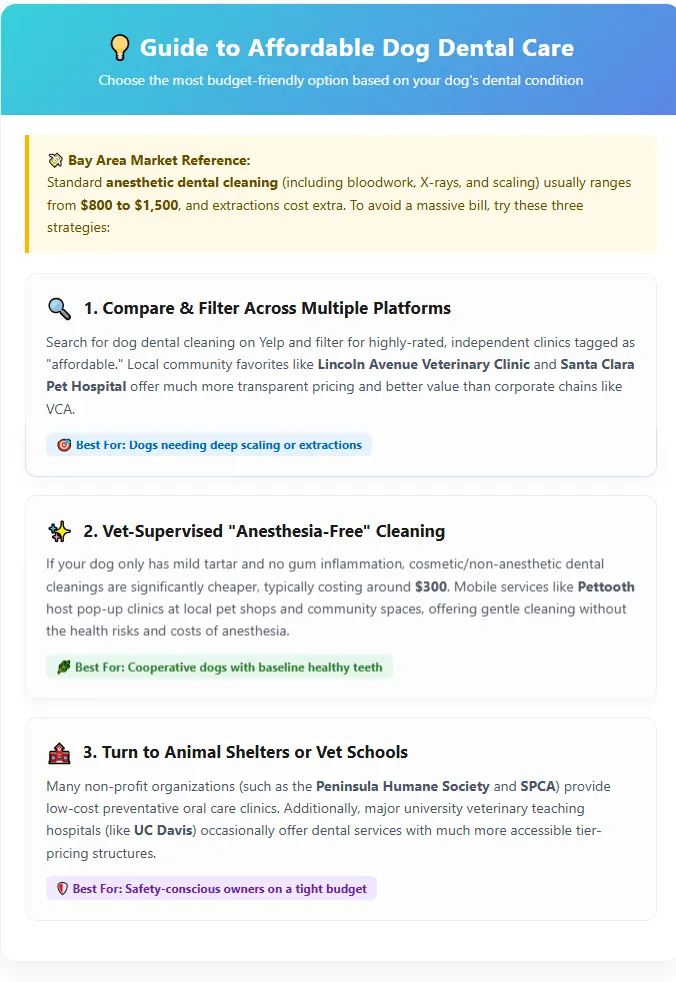
To find affordable dental cleaning options for your dog, try these approaches—choose the one that best fits your pet’s dental condition:
Under normal circumstances, professional veterinary dental cleaning rarely causes TMJ issues in dogs. However, there is a very low risk if the procedure is performed improperly. The main risks include excessive mouth opening during general anesthesia, improper use of mouth props, or excessive force during tooth extraction, which could strain joint ligaments, lead to dislocation, or cause injury.
A qualified veterinarian will strictly control the duration and intensity of mouth opening, using specialized tools to minimize this risk to nearly zero. However, if a dog already has congenital joint issues or fragile joints, or undergoes non-anesthetic cleaning at an unprofessional facility—where the dog may struggle or be forcibly held open—the risk increases significantly.
① Do not feed water or food within two hours after the procedure to prevent vomiting and choking. For the following week, avoid hard foods and toys. I recommend providing chew treats or soft fabric toys as alternatives. Avoid brushing teeth temporarily; wait until the gums have healed before gently cleaning with a finger brush.
② Check daily for any abnormal bleeding or unusual odors in the mouth, and monitor body temperature to ensure it remains normal.
③ Try to limit outdoor activities and keep sharp household objects out of reach. Let your dog stay in a familiar, comfortable space to promote faster recovery.