
Written by Anaelle Reviewed by Tina, on July 24, 2026
Yeast infections in dogs’ ears are a very common type of ear disease, and they’re often the first challenge many first-time pet parents face. Among the pet owners I know, more than half have reported that their dogs have had a yeast infection at some point.
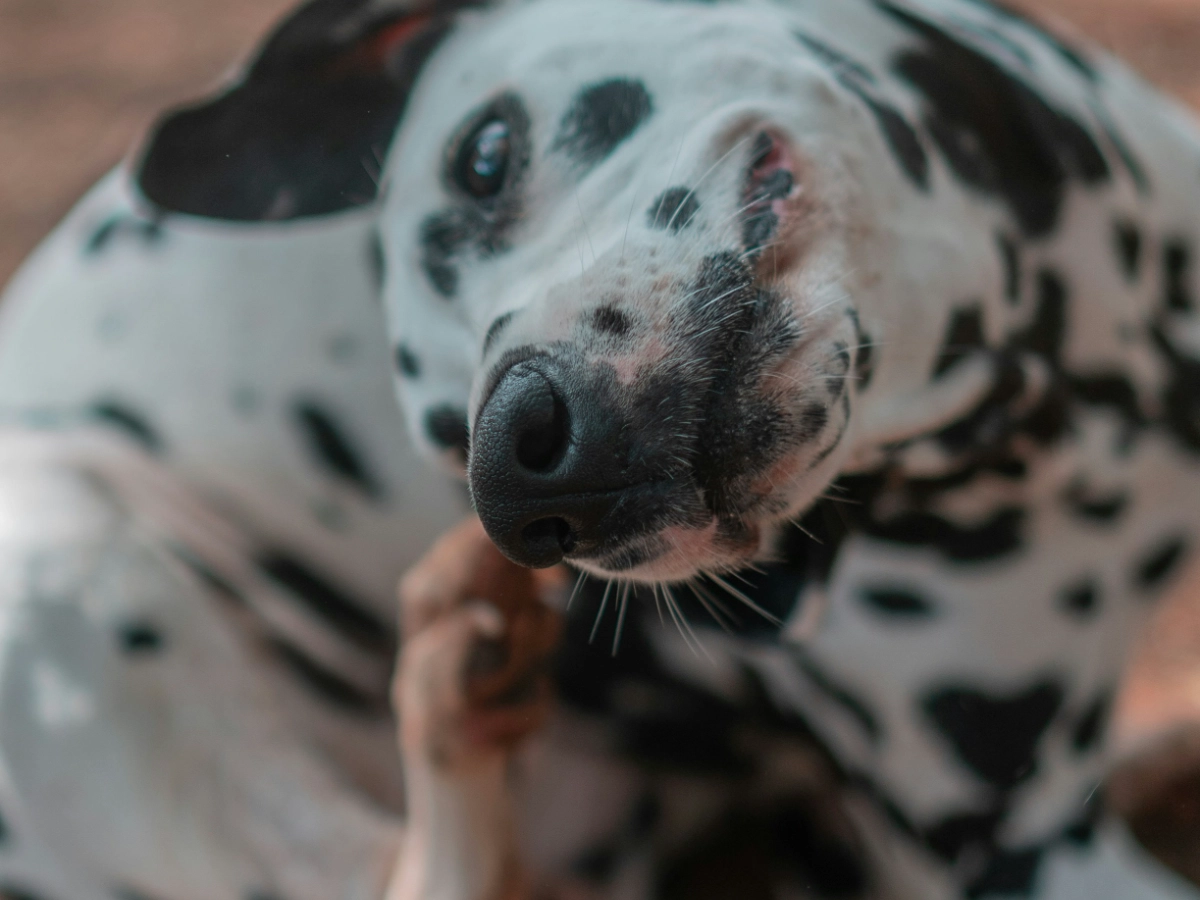
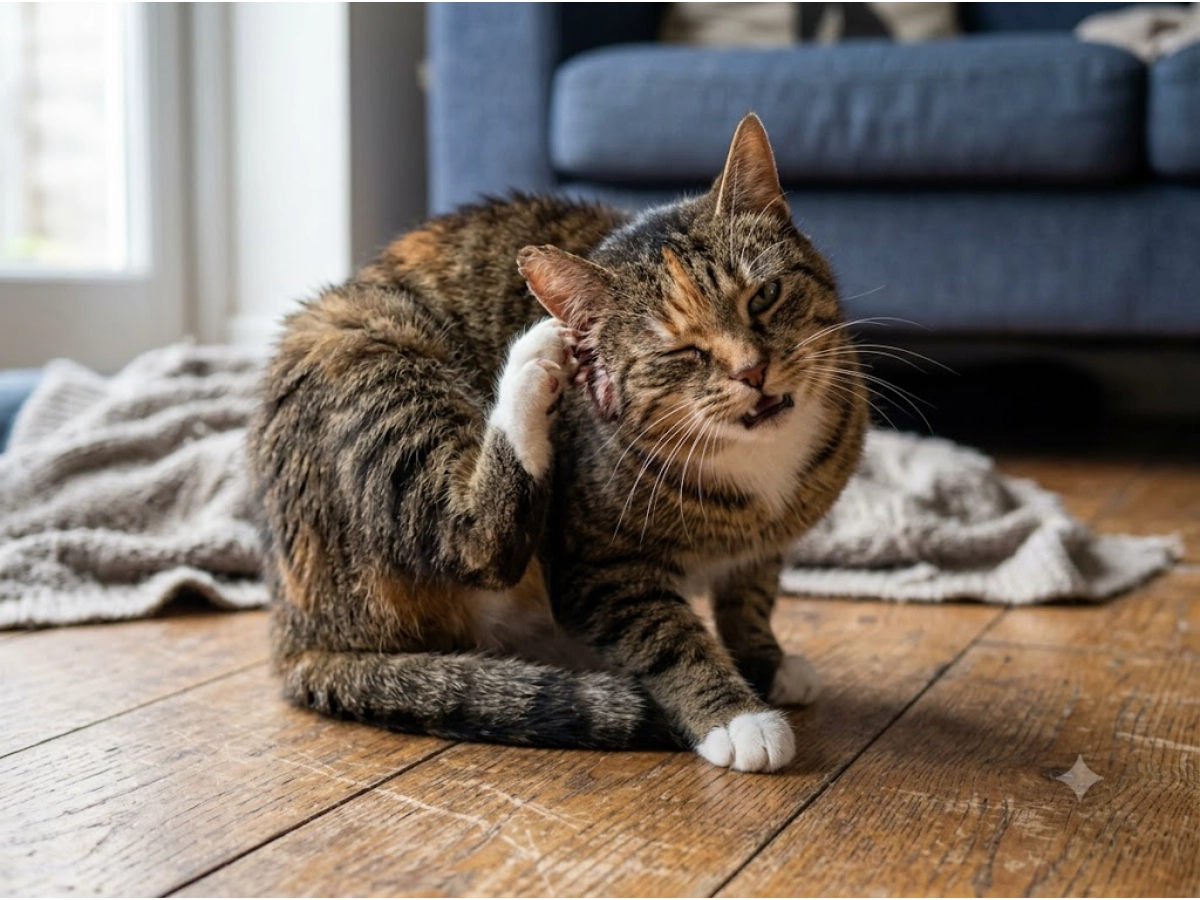
Fortunately, ear infections in dogs are usually easy to spot. Although it’s impossible to distinguish between bacterial and yeast infections with the naked eye, dogs will exhibit some obvious behavioral changes, such as shaking their heads, scratching their ears, or rubbing their heads against the floor. If you notice these symptoms in your dog, you should be on high alert and closely monitor your dog’s condition so you can seek veterinary care promptly.
This article will explain the symptoms, causes, and proper treatment of yeast infections in dogs, helping you detect the problem earlier and prevent recurring infections.
A yeast infection in a dog’s ear is a type of otitis externa caused by the overgrowth of yeast in the ear canal.
In fact, healthy dogs naturally harbor certain types of yeast, the most common of which is Malassezia. Under normal circumstances, these microorganisms do not disrupt the environment or balance of a dog’s ear canal; however, when a dog experiences a moist ear canal, allergies (a major contributing factor), or a compromised skin barrier, yeast may overgrow, leading to inflammation.
Yeast thrives in warm, moist, enclosed environments with poor air circulation, which is why it is commonly found in ears, skin folds, armpits, groins, and between the toes. Overgrowth of yeast can cause itching, redness, swelling, increased discharge, an unpleasant odor, and pain in a dog’s ear canal.
Since symptoms of various ear conditions in dogs can overlap, please do not attempt to diagnose the problem yourself or administer medication without consulting a veterinarian for professional advice.
Warning Signs: If you notice your dog tilting its head, losing balance, bleeding from the ear, or showing significant swelling of the ear flap, take it to a veterinary clinic immediately. These symptoms may indicate that the infection has spread to deeper structures.
Yeast infections in dogs’ ears are primarily linked to factors such as ear anatomy, moisture in the ear canal, allergies, and excessive cleaning. I’ll break these down for you one by one below.
Unlike humans, dogs have a unique L-shaped ear canal, which has relatively poor airflow. When moisture enters the ear canal, it tends to linger, creating an ideal environment for yeast growth.
Compared to breeds with erect ears, dogs with floppy ears, those with a lot of ear hair, and breeds with narrow ear canals are more prone to ear problems. Representative breeds include Cocker Spaniels, Basset Hounds, Golden Retrievers, and Labrador Retrievers. Their large ears can cover the entrance to the ear canal, reducing airflow and making it easier for moisture and secretions to accumulate inside the ear canal, thereby leading to infection.
However, it is important to note that ear shape is only a risk factor; not all dogs with floppy ears will develop infections.
Water itself does not directly cause yeast infections, but persistent moisture can alter the environment inside the ear canal. Since yeast thrives in moist environments, if moisture remains trapped in a dog’s ear canal and cannot drain properly—combined with poor air circulation—it may promote excessive yeast growth.
Situations that lead to moisture in the ear canal include:
These are all common everyday scenarios that are easily overlooked by pet owners. This is especially true for dogs that love to swim; if their ears are not checked and cared for promptly after swimming, prolonged moisture in the ear canal may increase the risk of otitis externa—commonly known as “swimmer’s ear.” Therefore, promptly drying and cleaning your dog’s ears after they get wet is a crucial step that you, as a pet owner, must prioritize.
According to veterinary clinical data, allergies are one of the major causes of recurrent yeast infections in dogs’ ears. Many dogs experience recurring infections even after multiple treatments, at which point you should consider whether underlying skin allergies might be contributing to the problem. In most cases, identifying and avoiding allergens can create favorable conditions for your dog’s recovery.
Common types of allergies include:
Environmental allergies, such as pollen, dust mites, mold, and dust
Food-related allergies, some dogs may be sensitive to certain food ingredients, such as food additives
Allergies to everyday products, such as ear-cleaning solutions and detergents, which can all be potential allergens for dogs
Allergies can damage the skin barrier and alter the environment inside the ear canal, thereby triggering overgrowth of yeast and bacteria. This explains why some dogs experience recurring yeast infections in their ears; even if medication provides temporary relief, the infection will return if the underlying allergens are not addressed.
Many dog owners believe that yeast infections are caused by inadequate daily cleaning, leading them to clean their dogs’ ears excessively. However, frequent use of ear-cleaning solutions or harsh cleaning products can irritate the skin inside the ear canal, disrupt the normal ear canal microbiome, and increase the sensitivity of the ear canal.
For your dog’s health and comfort, you should avoid the following practices:
❌ Cleaning the ears repeatedly every day
❌ Wiping the ear canal with alcohol
❌ Treating the ears with hydrogen peroxide
❌ Inserting cotton swabs deep into the ear canal
In fact, a small amount of earwax actually provides some protection for your dog’s ear canal. The goal of proper ear care is not to achieve completely wax-free ears but to maintain a healthy ear canal environment.
When it comes to ear problems in dogs, while some symptoms overlap, there are still many distinct manifestations. I’ve provided a visual chart to help you compare them:
| Symptoms/Presentation | Yeast infection | Bacterial infection | Ear mite infection |
| Causes | Overgrowth of Malassezia (fungus) | Bacterial infections (e.g., Pseudomonas, Staphylococcus) | Parasites (ear mites, Otodectes cynotis) |
| Odor | Distinct musty odor, sour smell of yeast fermentation | Foul, fishy odor | No noticeable odor or only a slight odor |
| Discharge | Brown/dark brown, greasy, mud-like | Yellow-green, pus-like discharge | Dry, resembling black coffee grounds or clumps of black mud |
| Contagiousness | Not contagious | Not contagious | Highly contagious among cats and dogs; very low risk of transmission to humans |
| Microscopic Characteristics | Gourd-shaped/peanut-shaped yeast cells | Rod-shaped or spherical bacteria | Live eight-legged ear mites or mite eggs |
Because symptoms of some ear problems in dogs overlap, it’s not possible to make a diagnosis based solely on visual inspection or experience. Veterinarians typically follow a standard examination protocol. According to a clinical review of canine otitis externa, otoscopy, ear swab sampling, and ear canal cytology are key steps in confirming the type of infection and developing a treatment plan:
1. Otoscopic examination: The veterinarian will use an otoscope to examine the inside of the dog’s ear canal (this is painless as long as the dog remains still). This allows them to clearly view the deepest part of the L-shaped ear canal, check whether the ear canal and eardrum are intact, and look for any discharge.
2. Ear Swab Sampling: The veterinarian will use a long, thin cotton swab to gently collect a sample of discharge from the dog’s ear canal for testing.
3. Microscopic Cytology: The veterinarian will smear the collected discharge onto a microscope slide, stain it, and examine it under a microscope. Under the microscope, if a large number of Malassezia fungi—shaped like the Chinese character “八” or a gourd—are observed, this indicates a yeast infection; if dense clusters of bacilli or cocci are seen, this suggests a bacterial infection; and if lively, eight-legged mites are observed, this indicates an ear mite infestation.
The results of this test are usually available within ten minutes, and the cost is reasonable; however, it serves as the key basis for determining the treatment plan.
Once a dog is diagnosed with a yeast infection, according to recommendations from the Merck Veterinary Manual and Veterinary Partner, otitis externa typically requires professional cleaning followed by targeted topical medication. A follow-up examination after completing the treatment course is also important.
Veterinarians usually determine a targeted treatment plan based on the severity of the infection:
Mild to moderate infections:
Topical antifungal ear drops (containing ingredients such as clotrimazole, miconazole, or ketoconazole)
Used in conjunction with an ear-cleaning solution, applied at the frequency specified by the veterinarian, a typical treatment course may last several weeks
Some veterinarians may also prescribe low-dose steroids to relieve itching and redness
Severe infections or recurrent cases:
A bacterial infection may be present, requiring the concurrent use of antibiotics
Oral antifungal medications (such as fluconazole) are used for refractory cases
If allergies are the underlying cause, concurrent allergy management may be necessary (such as dietary elimination trials, environmental control, or desensitization therapy)
Important considerations during treatment:
Administer medication strictly according to the frequency and duration prescribed by your veterinarian; do not stop treatment early, even if symptoms improve
After treatment is completed, a follow-up ear swab is recommended to confirm that the infection is under control
If there is no improvement in symptoms after one week of treatment, a follow-up visit is necessary for re-evaluation
When seeing their dog in pain due to an ear infection, many owners search online to see if human medications can be used on dogs—and that’s when you’re likely to come across medications like Monistat. Monistat (miconazole) is a human medication, and its active ingredient is indeed an antifungal agent; however, I do not recommend administering this medication to your dog on your own for the following reasons:
1. Without a professional veterinary examination, it’s impossible to determine the specific cause of your dog’s infection or whether its eardrum is intact. If the eardrum is damaged, using medication without professional guidance may increase the risk of discomfort.
2. Human ointments are designed for flat skin and are extremely difficult to apply deep into a dog’s complex L-shaped ear canal. They can easily block the ear canal, creating a hot and humid environment that actually promotes yeast overgrowth.
3. Ear infections in dogs are often a combination of yeast and bacteria. Monistat contains only a single antifungal ingredient and has no therapeutic effect on bacteria; using it may actually delay the optimal window for treatment.
Therefore, the correct approach is to first have a veterinarian conduct a professional examination and then prescribe specific medication based on the type of infection.
Home treatment is limited to dogs with mild infections, intact eardrums, and a veterinary diagnosis of Malassezia infection. You must follow your veterinarian’s instructions when performing these procedures at home. If your dog has a severe infection, I do not recommend treating it yourself at home, as this may worsen your dog’s discomfort!
1. Proper Ear-Cleaning Steps (2–3 times a week is sufficient)
① Hold your dog’s head steady, gently pull back the ear flap, and apply a few drops of an antifungal ear wash formulated for pets (if your dog is anxious, you can offer a treat to calm them down).
② Gently massage the base of the ear with your fingers for 30 seconds to dissolve deep, greasy earwax; you should hear the liquid sloshing inside the ear canal.
③ Release your dog and encourage it to shake its head on its own; most of the debris will be flung out along with the liquid.
④ Use a clean gauze pad or cotton ball to wipe away visible debris from the outer ear flap and the entrance to the ear canal. Use a cotton swab only to clean the surface—never insert it deep into the ear canal.
⑤ Let the ear canal air dry naturally for 5–10 minutes before applying the therapeutic ear drops.
2. Proper Administration
Administer the ear drops into the ear canal at the dosage prescribed by your veterinarian. After applying the drops, gently massage the base of the ear again to ensure the solution evenly coats the ear canal walls. Be sure to complete the full course of treatment—do not stop early even if the dog is no longer itchy or the ears no longer have an odor, as residual fungi can easily return.
3. Home-Based Antimicrobial Support
Keep the dog’s bed dry; regularly expose it to sunlight and treat it for mites to reduce environmental fungi. Identify allergens and keep your dog away from them.
It’s a common consensus among pet owners that prevention is far less stressful and more cost-effective than treatment. Here are some practical preventive measures I’ve summarized based on my years of pet-owning experience and ongoing communication with veterinarians. I hope you find them helpful:
✅ Always Check Your Dog’s Ears After a Bath or Swim
After your dog’s ears get wet, use a cotton ball to dry the outer ear canal thoroughly—don’t miss any spots.
If your dog swims more than once a week, consult your veterinarian to see if a preventive drying agent is needed.
✅ Establish a Reasonable Cleaning Schedule
Healthy ears: Check at home once a week; clean 1–2 times a month
Ears with a history of problems: Follow the preventive cleaning schedule recommended by your veterinarian; do not increase the frequency based on your own judgment
✅ Pay attention to diet and allergy management
If your dog has a history of allergies, stick to a single-protein diet or hypoallergenic prescription food
During seasonal changes, be mindful of peak pollen periods and reduce your dog’s time outdoors
✅ Ask your veterinarian to check your dog’s ears during routine checkups
During annual checkups, have your veterinarian examine your dog’s ears with an otoscope for early detection and treatment
For dogs with a history of recurrent infections, it’s recommended to have their ear canals re-examined every 3–6 months
✅ Keep the Ear Canals Well-Ventilated
For dogs with floppy ears, you can trim the hair around the ear canal opening as advised by your veterinarian or a professional groomer to improve airflow
Be careful not to injure the skin during trimming; it’s best to have this done by a professional groomer or veterinarian
In cases of minor ear problems, pet owners may prefer to monitor the situation at home, which is a reasonable decision. However, if your dog exhibits any of the following symptoms, don’t wait—take them to the vet immediately:
A practical rule of thumb: If symptoms persist for more than 48 hours without resolving on their own, or if you’re unsure what the problem is, see a veterinarian. Early treatment usually means simpler procedures, lower costs, and less suffering for your dog.
Q1. Can a dog’s ear yeast infection be transmitted to humans?
Generally not. Malassezia fungi found in a dog’s ears are part of the normal skin microbiome and do not spread between humans and animals like certain skin fungi do.
Q2. Will a dog’s ear yeast infection go away on its own?
Mild changes in the ear canal environment may improve after addressing moisture-related factors, but a true yeast infection usually does not simply disappear on its own.
Q3. What color is discharge from a dog’s ear yeast infection?
Common discharge colors associated with yeast infections include brown, dark brown, and yellowish-brown. However, color alone cannot determine the type of infection; bacterial infections and other ear problems may also produce similar discharge.
Q4. Why do yeast infections in dogs’ ears keep recurring?
It may not be a simple ear infection; underlying causes such as allergies or a damp environment could be involved. Simply repeating medication may only temporarily control symptoms; identifying the root cause is the key to reducing recurrences.