
With the sweltering summer heat upon us, are you thinking of taking your furry friend to the pool to cool off? Without a doubt, you’ll have an unforgettable “quality time” together. But behind all the fun lies a common health risk—“dog swimmer’s ear.”
Dogs can’t use words to express discomfort or pain, but their behavior speaks volumes. As a pet parent, understanding the risks associated with swimming in advance will help you better recognize if your dog is having a problem. In this article, I’ll provide you with information on the causes and symptoms of “swimmer’s ear” in dogs, as well as veterinarian-approved home care methods and preventive measures.
What Is Dog Swimmer’s Ear?
Residual water is the main culprit behind dog swimmer’s ear!
Unlike humans, dogs have a unique L-shaped ear canal, making it difficult for water to drain out naturally once it enters. VCA points out that when water becomes trapped in a dog’s ear canal, the warm, dark, and moist environment naturally becomes a breeding ground for bacteria and fungi. Once these microorganisms overgrow, the dog’s ears become infected, leading to inflammation—commonly known as “swimmer’s ear.” The ACVS also specifically notes in its entry on “Otitis externa” that a dog’s L-shaped ear canal causes fluid to pool, making it more prone to developing otitis externa.
In fact, many pet owners are unaware that dogs, just like humans, can get water in their ears.
Last summer, a dog-owning neighbor of mine ran into me while I was walking my dog in the garden. She asked me anxiously, “Why does my dog’s ear look clean, but the dog keeps showing signs of discomfort, like shaking its head and scratching its ear?” I asked her if this had happened suddenly, and she said yes—it started after a trip to the pool. I surmised that this might be caused by water getting into the dog’s ears that hadn’t been dried off in time. She later messaged me to say that, sure enough, the veterinarian diagnosed the dog with a mild ear infection caused by water in the ears.
Symptoms of Dog Swimmer’s Ear
Most ear conditions in dogs present with similar symptoms, so before making a diagnosis, you should first consider your dog’s recent activities (such as playing in water, swimming, or bathing) to narrow down the cause. If your dog has recently been swimming or engaged in similar activities, the following symptoms may indicate an infection or inflammation caused by water buildup in the ear canal (a definitive diagnosis still requires a veterinary ear swab test):
1. Frequent head shaking, ear scratching, and rubbing the head against the floor or furniture
Your dog may shake its head frequently and vigorously in an attempt to shake water out of the ear canal. If the inner walls of the ear canal are itchy or otherwise uncomfortable due to inflammation, your dog may try to relieve the discomfort by scratching its ears or rubbing against the floor or furniture.
2. Red, swollen, and moist ears with an unpleasant odor
If you flip back the ear flap, you’ll see that the dog’s ears have become red, swollen, and warm from scratching; fluid buildup in the ear canal creates a moist environment and causes an unpleasant or foul odor. If it’s a yeast infection, it’s usually accompanied by a sweet, yeast-like, or musty odor.
3. Abnormal discharge
Depending on the pathogen, the discharge in your dog’s ear canal may vary; it could be yellowish-green pus or black or coffee-colored, crumbly discharge.
4. Whimpering or Resistance When Touched
Inflammation of the ear canal causes pain and discomfort, so your dog is likely to whimper or resist when you touch it or may even display aggressive behavior. This is a sign that requires your immediate attention—take your dog to the vet right away.
Tips for Veterinary Examination:
If your dog is only shaking its head to one side or tilting its head to one side, it may be because only one ear canal has severe fluid buildup or inflammation. Inflammation of this severity will not resolve on its own; you need to take your dog to a veterinary clinic as soon as possible for a face-to-face consultation and a professional examination by a veterinarian. Once a diagnosis is made and a prescription is issued, be sure to strictly follow the full course of treatment and never stop the medication on your own.
Can Dog Swimmer’s Ear Heal by Itself?
The answer is generally not. In the vast majority of dogs, swimmer’s ear does not resolve on its own.
Why Can’t Dog Swimmer’s Ear Heal by Itself?
As mentioned above, a dog’s ear canal has a unique L-shaped, vertical structure. Once water enters deep into the ear canal, it is extremely difficult to expel it by shaking the head or through natural evaporation due to the lack of air circulation. If the vicious cycle of “trapped moisture + dark, enclosed environment + pathogen growth” isn’t broken, what starts as mild dampness can develop into a stubborn ear infection.
If water has simply entered the ear canal without any signs of infection, some dogs may recover on their own. However, if symptoms such as persistent head shaking, foul odor, discharge, or pain are present, the condition usually won’t resolve on its own and requires a veterinary evaluation.
Which Dogs Are More Prone to This Condition?
Dogs with floppy ears: such as Golden Retrievers, Labradors, Cocker Spaniels, and Beagles. Their floppy ears trap moisture inside the ear canal, creating an ideal environment for yeast and bacteria to multiply.
Long-haired dogs and dogs with excessive hair in the ear canal: such as Poodles and Maltese. Thick hair inside the ear canal acts like a sponge, absorbing moisture and preventing the ear canal from drying out.
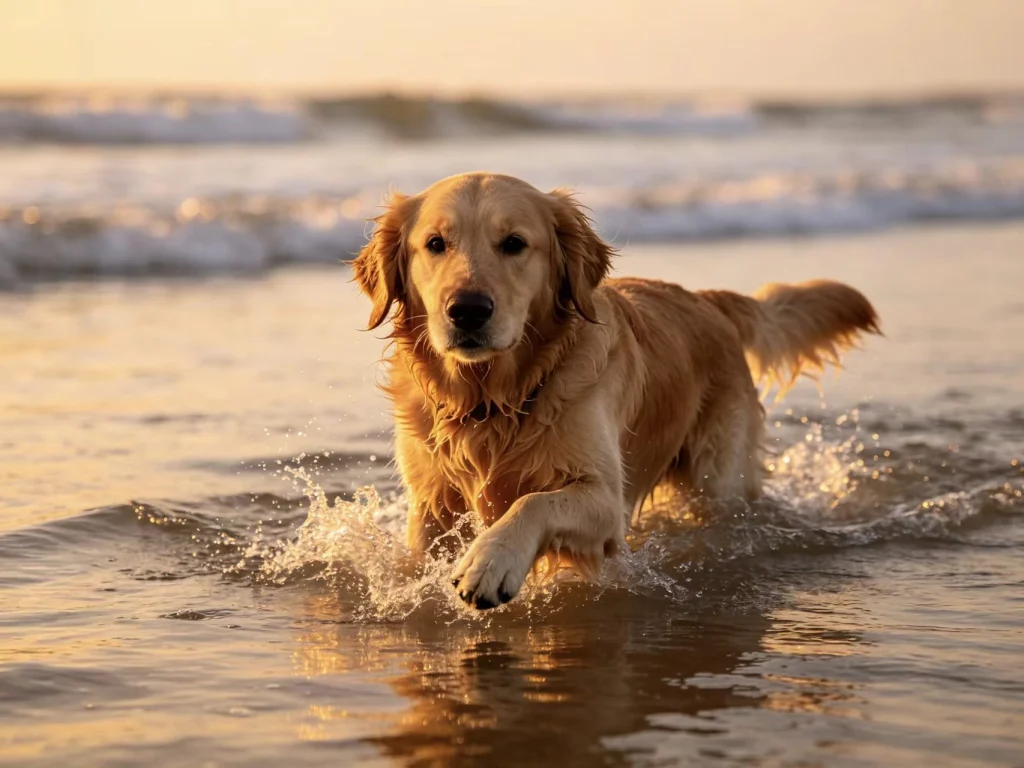
Dogs that enjoy outdoor water activities: such as Newfoundlands and water spaniels. These dogs are frequent visitors to pools and beaches, and frequent water activities greatly increase the likelihood of water entering their ear canals.
An Important Point: Not All Cases of Dog Swimmer’s Ear Are Caused by Swimming.
In its review of canine otitis externa, Merck Animal Health notes that allergies (including environmental and food allergies) are one of the most common underlying causes of otitis externa in dogs, while water entering the ear is a typical triggering factor. If a dog already has allergies or an ear mite infection, its skin’s immune barrier is already compromised. Once exposed to water, fungi and bacteria in the dog’s ears can multiply rapidly. Therefore, it’s important to consider your dog’s overall health and allergy history as part of a comprehensive assessment.
Safe vs. Dangerous Home Remedies
Safe Home Remedies
You must first stop your dog from swimming, playing in water, and other similar activities to prevent a vicious cycle.
If your dog is in the early stages of water entering its ears—simply shaking its head occasionally with no obvious signs of pain—you can try the following two approaches:
1. Gently wipe your dog’s ear flaps and outer ear canal with a soft, clean towel, and encourage your dog to shake its head naturally to remove excess water.
2. Use a veterinarian-recommended canine ear cleaner to remove earwax and excess water, but be sure to check whether these products contain any ingredients to which your dog may be intolerant.
Dangerous Home Remedies
- Do not use long cotton swabs to probe deep into your dog’s ear canal, as this will push moisture and dirt further in.
- Do not rely on any folk remedies, such as directly dripping white vinegar, alcohol, or hydrogen peroxide into the ear, as this can damage the skin inside your dog’s ear canal and worsen discomfort.
- Do not use a hair dryer on a high heat setting to dry your dog’s ears; a dog’s ear skin is very delicate, and high heat can burn it
- Do not use coconut oil or olive oil, as these substances increase the risk of residue buildup in the ear canal
How to Dry and Protect Your Dog’s Ears After Swimming
Prompt care after swimming is key to preventing swimmer’s ear in dogs. Follow these steps:
Step 1: Have a clean, soft towel ready, and immediately wipe the water from your dog’s outer ears and ear flaps after it gets out of the water.
Step 2: Gently pull back your dog’s ear flap and apply a few drops of a specialized canine ear-cleaning solution into the ear canal.
Step 3: Gently pinch the base of your dog’s ear with your fingers and massage the area for about 30 seconds.
Step 4: Encourage your dog to shake its head naturally to expel any dirt and liquid from the ear canal.
Step 5: Use a cotton ball to wipe away any debris your dog has shaken out.
How to Prevent Dog Swimmer’s Ear
To ensure your dog can swim safely and happily all summer long, the general consensus among veterinarians is that long-term preventive habits are more important than aftercare:
Avoid taking your dog to swim in stagnant or polluted water.
Check your dog’s ears weekly. If you notice unusual discharge, an unpleasant odor, redness, swelling, or persistent scratching, consult your veterinarian.
If your dog has long hair around the ear canal opening, trim it appropriately to allow for better airflow.
Clean your dog’s ears regularly using veterinary-recommended products for dogs.
If your dog is prone to allergies, work with your veterinarian to manage allergens and boost their immune system.
When to See a Veterinarian
Swimming with your dog is probably one of the most enjoyable activities for any dog owner during the sweltering summer months, and keeping your dog’s ears dry should be a must for every owner. By using specialized ear cleansers for dogs and following a proper cleaning routine, most dogs can avoid the problems associated with “swimmer’s ear.”
However, if your dog’s symptoms show no improvement after 24–48 hours of observation, or if there is noticeable pus, bleeding, or a foul odor, or if your dog is frequently yelping in severe pain and resisting touch, stop home remedies immediately and schedule an appointment with your veterinarian. Never blindly try home remedies such as hydrogen peroxide or white vinegar, as these can irritate the ear canal and even increase the risk of further damage if the eardrum is already compromised.
FAQs
Q1: Can I treat my dog’s swimmer’s ear at home with hydrogen peroxide?
It is not recommended to treat your dog’s swimmer’s ear with hydrogen peroxide on your own. Hydrogen peroxide may irritate the inflamed ear canal, and if the eardrum is compromised, improper use may increase the risk of further complications.
Q2: Will a dog’s ear infection caused by water in the ear heal on its own?
If it’s simply water in the ear canal with no signs of infection, some dogs may recover on their own. However, if your dog is persistently shaking its head, has an unpleasant odor, discharge, or pain, the condition usually won’t resolve on its own and requires a veterinary evaluation.
Q3: Do I have to clean my dog’s ears every time after swimming?
If your dog has long hair or floppy ears, it’s recommended to thoroughly dry and clean its ears after every swim.
-
Sale!
Pet Deodorizing Spray 150ml – best Natural Dog Cat Odor Remover
Original price was: $5.29.$4.99Current price is: $4.99. Read more -
Sale!
disposable Finger-shaped dental cleaning wipes for pets fresh breath
Original price was: $6.68.$3.34Current price is: $3.34. Add to cart -
Sale!

disposable antibacterial dog wipes eliminate odors suitable for ears/paws/underbody areas relieving itching
Original price was: $4.29.$2.99Current price is: $2.99. Add to cart