

Table of Contents
Cat dental drops can help the cat maintain a good oral condition. The American Veterinary Medical Association (AVMA) reports that more than 80% of cats aged 3 years and older have some form of periodontal disease. For many cat owners, brushing their cat’s teeth can be exhausting.
But there’s an important fact to know: Oral bacteria don’t just stay in the gums. They will enter the bloodstream and circulate throughout the body, damaging important organs such as the heart, kidneys, and liver, posing a real threat to cats’ long-term health.
How it works
1. Prevent tartar
The calcium in cat saliva can cause soft dental plaque to harden into tartar within one or two days. Drops can lock in these calcium ions, preventing plaque from calcifying, and the already formed minor dental calculus will gradually loosen and fall off.
2. Eliminate bad breath bacteria
Bad breath mainly comes from anaerobic bacteria in the mouth. The enzymes and antibacterial ingredients in the drops can directly kill these bad bacteria, rather than simply masking the odor, and the breath will naturally become fresher.
3. Clean the entire mouth by following the saliva
No need to brush the cat’s teeth or forcefully break its mouth. When dripped onto the corners of the mouth, the medicine will follow the cat’s saliva and flow into shadowy nooks and crannies, such as between teeth and gums, achieving a clean environment without overlooked areas or spots.
4. Soothe gums and reduce redness and inflammation
The ingredients are mild, antibacterial, and anti-inflammatory, which can relieve gum redness and bleeding and make cats eat without pain, reducing oral discomfort.
Dental Drops vs. Dental Water Additives
| Dimension | Dental Drops | Dental Water Additive |
| Active Concentration | Extremely high, delivering direct and targeted effects | Low, significantly diluted when mixed with drinking water |
| Ideal Use Case | For cats with existing oral issues: bad breath, swollen gums, and mild tartar | For long-term prevention and daily routine maintenance |
| Cat Acceptance | Moderate | Extremely high |
How to choose safe and effective cat dental drops?
When picking out dental drops for your cat, keep an eye on the ingredient list—here’s what to avoid and what to look for:
It is strictly prohibited to contain the following:
1. Xylitol: It’s super common in human oral care products, but it’s extremely toxic to cats.
2. Alcohol: Regular exposure can dry out your cat’s oral mucosa, damage tiny blood vessels in their mouth, and, over time, even cause chronic poisoning.
3. Peppermint Oil: The concentrated volatile oils are really hard on a cat’s liver—their bodies just aren’t built to metabolize them well.
Safe Ingredients:
1. Stabilized Chlorine Dioxide: Colorless, odorless, and works instantly to neutralize bad breath molecules
2. Persimmon Extract: A natural, gentle deodorizer with top-tier safety—perfect for cats with sensitive systems.
3. Chlorhexidine Gluconate: A clinical-grade antibacterial ingredient that’s great for cats dealing with mild to moderate gingivitis.
How do you use cat’s claw drops?
1. The Corner-Lip Trick: There’s no need to force your cat’s mouth open. Just gently hook the corner of the cat’s mouth with your fingers to form a small gap and drip it in quickly.
2. Build positive associations: Right after applying the drops, give your cat a freeze-dried treat or some gentle pets.
3. Pick the right moment: The best times are right after a meal or before bedtime. At these times, your cat is usually more relaxed and less likely to squirm.
Takeaway
Choose gentle and easy-to-use dental cleaning drops for your cat and stick to a simple daily care routine to give your furry friend a longer, more comfortable life without too much effort. Prevent bad breath, tartar, and gum problems before they start.
Related products
-
Sale!
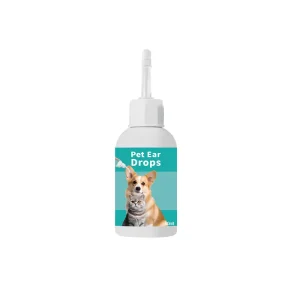
Gentle Pet Ear Drops for Dogs Cats Ear Care & Wax Removal
$6.19Original price was: $6.19.$5.99Current price is: $5.99. Add to cart -
Sale!
-1-300x300.webp)
clean food residues and dog cat blackheads non-irritating wipes
$11.89Original price was: $11.89.$9.99Current price is: $9.99. Add to cart -
Sale!
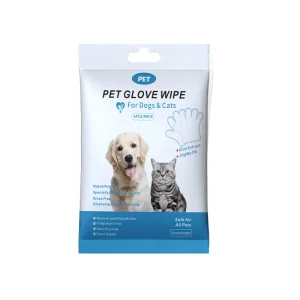
Premium Pet Glove Wipes – Hypoallergenic Aloe for All Animals
$3.29Original price was: $3.29.$1.99Current price is: $1.99. Add to cart
Related articles
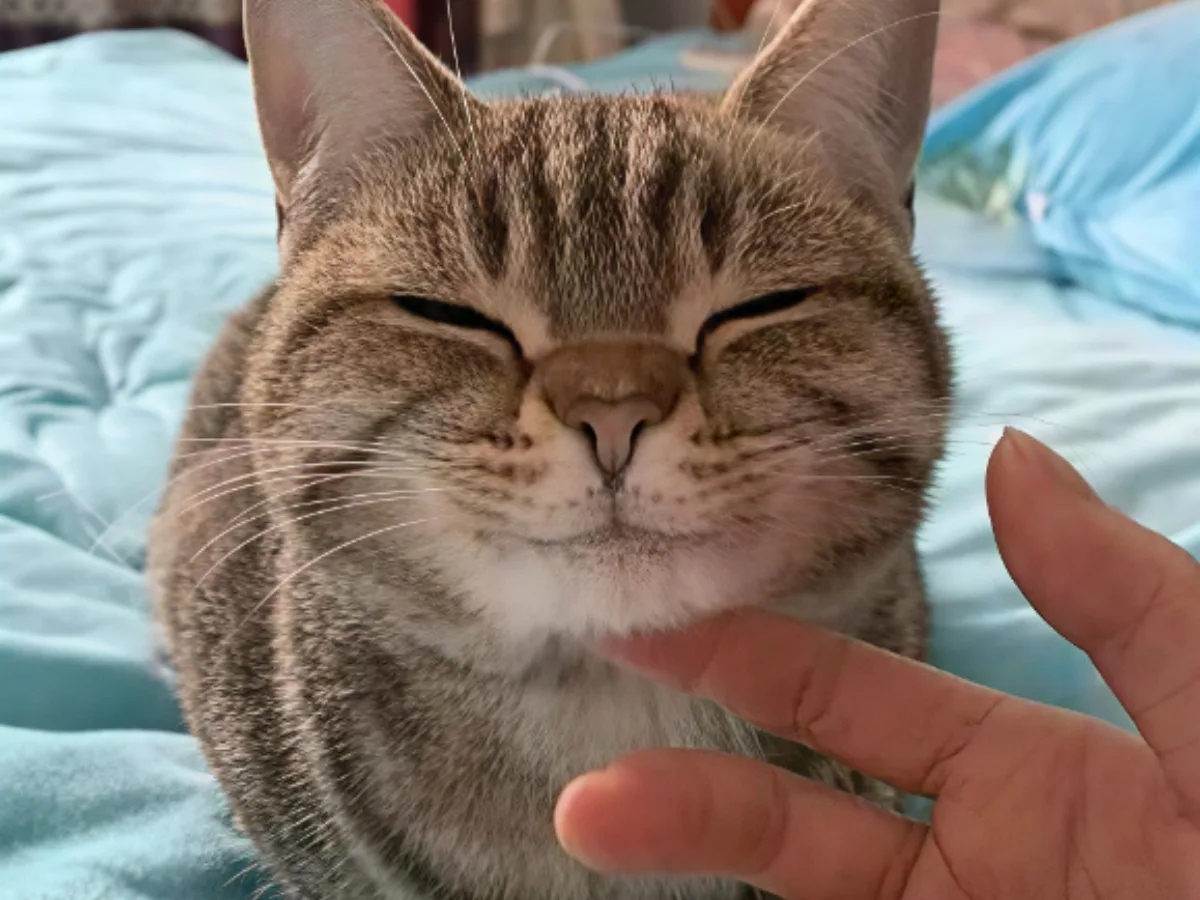
How to Make a Cat Happy? Simple Things I Do Every Day
Wondering how to make a cat happy? Here are simple things I do every day to help my cat feel safe, comfortable, and loved.

Do Dogs Have a Sense of Time?
Do dogs have a sense of time? Learn how dogs use routines, light, smells, and daily habits to understand their world and anticipate what comes next.
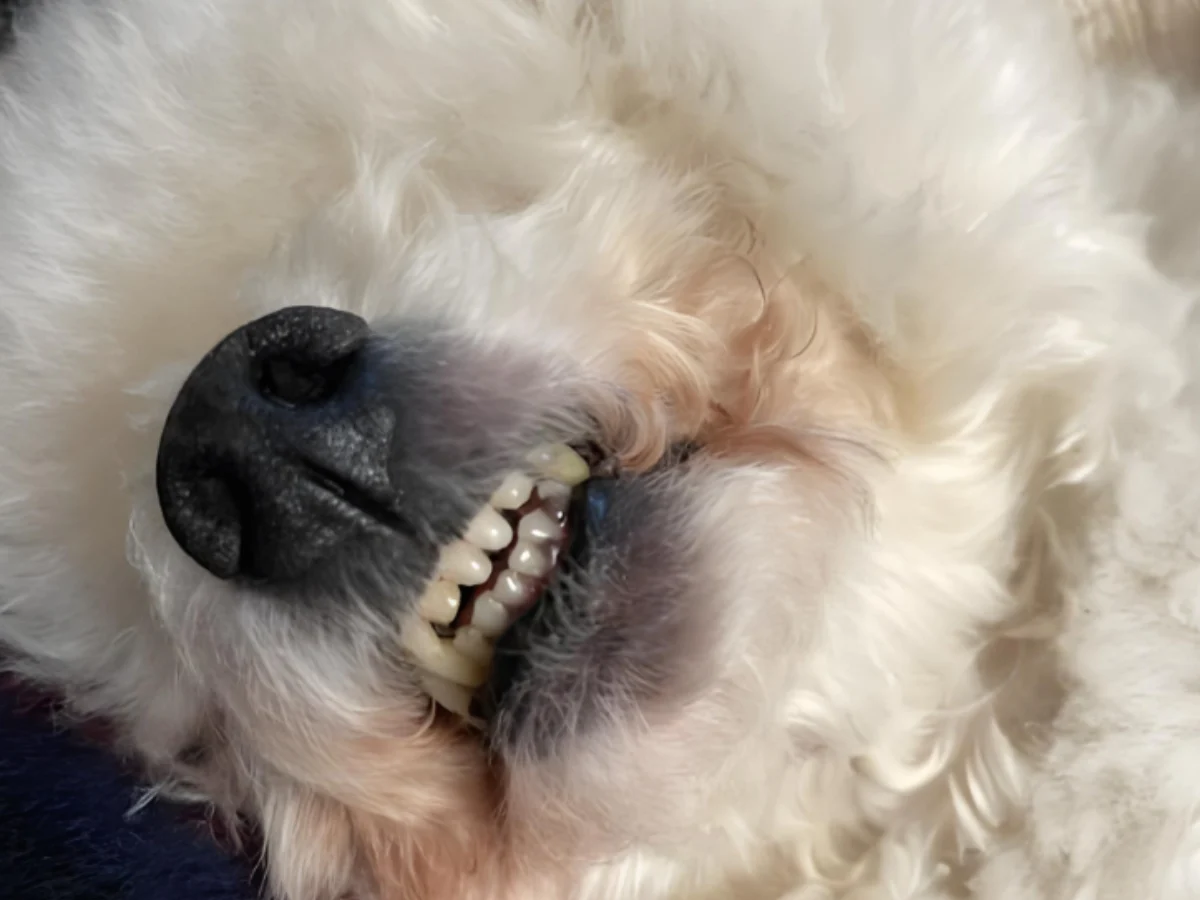
How to Clean Your Dog’s Teeth Without Brushing: Simple Daily Methods
Wondering how to clean dog teeth without brushing? Here are simple, everyday dental care tips I use for dogs who aren't fans of toothbrushes.