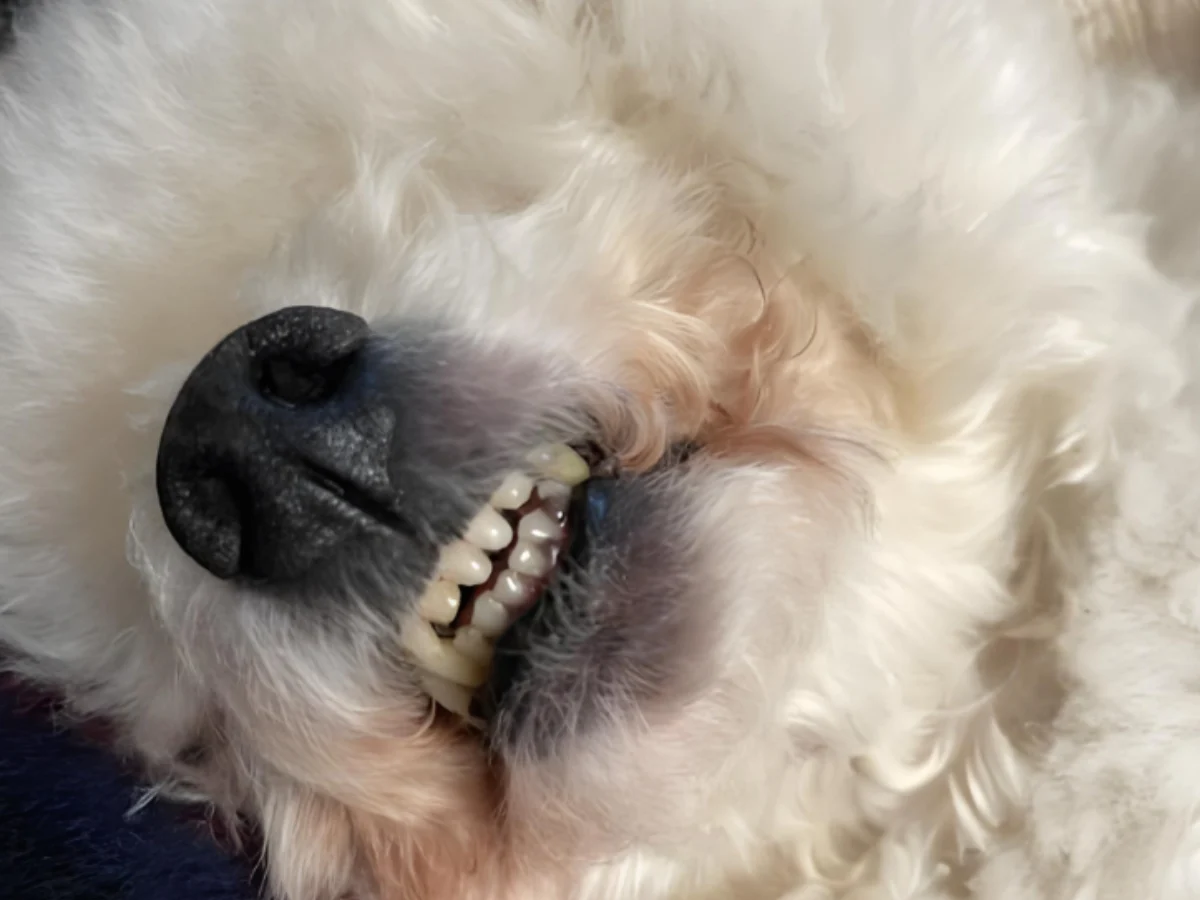

Oral health issues in cats are often overlooked, but they should be taken seriously because they can affect your cat’s overall health. According to the American Veterinary Medical Association (AVMA), more than 70% of cats over the age of three develop some form of dental disease. As cat owners, we all want what’s best for our feline companions, which often leaves us wondering about the best teeth cleaning for cats.
The truth is that there is no single product that works best for every cat. Instead, the most effective approach is choosing a combination of dental care products and routines that fit your cat’s needs. This article provides an in-depth look at the best ways to keep your cat’s teeth clean and healthy.
What Is the Best Way to Clean a Cat’s Teeth?
There is no one-size-fits-all answer when figuring out how to clean a cat’s teeth. The best method depends on your cat’s tolerance for dental care and the severity of any existing oral health issues.
Maintaining good feline oral health generally involves two key components:
- Home dental care
- Professional veterinary dental care
These two approaches work together to provide the best results.
Cat Teeth Cleaning at Home
Daily home dental care is essential. Consistent oral hygiene can significantly reduce the need for expensive veterinary treatments and help prevent painful dental problems such as plaque buildup, gingivitis, and periodontal disease.
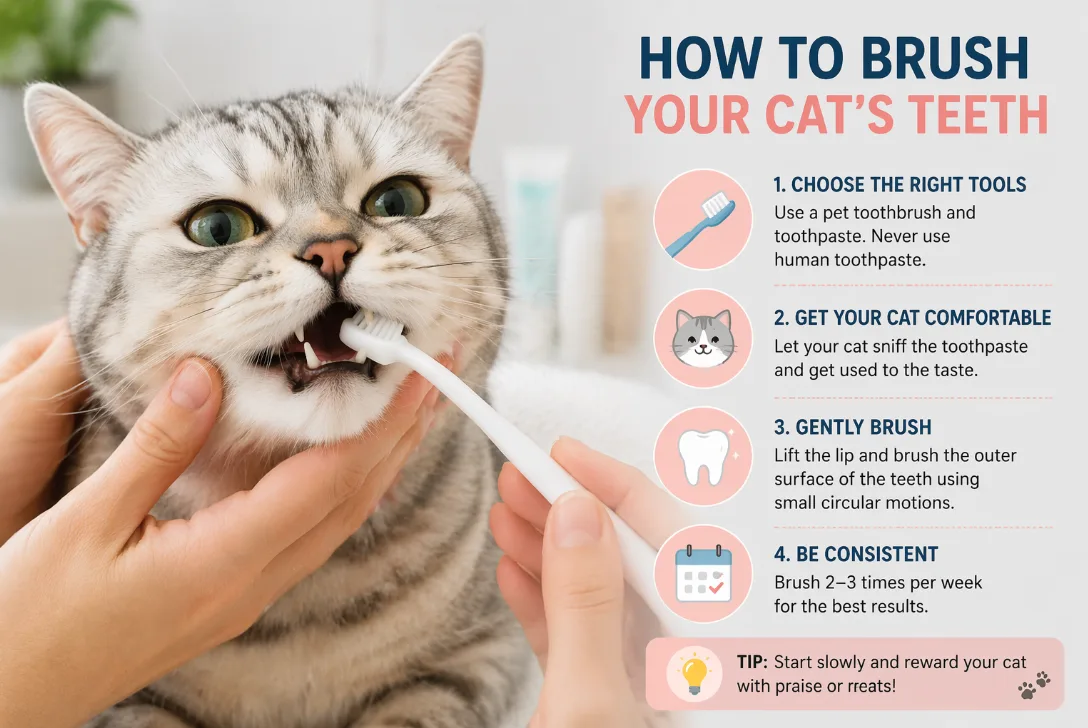
1. Primary Tools: Pet Toothbrush and Toothpaste
If your cat tolerates tooth brushing, using a pet-specific toothbrush and toothpaste is the most effective way to clean its teeth. However, never use human toothpaste, as the fluoride, xylitol, and other chemicals in it are toxic to cats.
Follow this simple 3-3-3 approach when introducing tooth brushing to your cat:
- First 3 days: Focus on helping your cat become comfortable with the process. Allow your cat to lick a small amount of toothpaste and become familiar with the taste.
- Next 3 weeks: Gradually introduce brushing by gently touching your cat’s gums with your finger or a toothbrush.
- After 3 months, most cats have adapted to the routine. At this stage, aim to brush your cat’s teeth at least three times per week.
The Cornell Feline Health Center recommends introducing dental care gradually and using positive reinforcement to minimize stress.
2. Supplementary Tools: Dental Treats, Dental Wipes, and Dental Toys
Some cats strongly resist tooth brushing. In these situations, alternative dental care products can help supplement your oral hygiene routine.
- Cat Dental Wipes: Dental wipes are a practical option for cats that dislike brushing. Simply wipe along the outer surfaces of your cat’s teeth to help remove plaque and food debris.
- Cat Dental Treats: Dental treats can help reduce plaque and tartar buildup through chewing action. When selecting treats, look for products that carry the VOHC (Veterinary Oral Health Council) Seal of Acceptance, which indicates that the product has met established standards for plaque and tartar control.
- Cat Dental Toys: Many dental toys are designed with textured surfaces that help clean the teeth as your cat chews and plays. While they cannot replace brushing, they can provide additional support for oral health.
- Cat Dental Water Additives : If your cat fights the toothbrush, water additives are a lifesaver. These are tasteless, vet-approved liquids you mix into their water bowl to help target plaque-causing bacteria daily.
Like dental treats and dental toys, water additives are best used as part of a comprehensive oral care plan rather than as a replacement for brushing.
With so many products available, mixing and matching these tools based on your cat’s personality is the best way to build a routine that actually works. If you’re feeling overwhelmed by the choices at the pet store, check out our full breakdown on how to choose the best dental care products for your cat to find the perfect fit.
Professional Veterinary Cat Dental Care
In addition to daily home care, professional dental cleanings performed by a veterinarian remain one of the most important aspects of feline oral health care.
Veterinarians generally recommend scheduling at least one comprehensive oral examination per year, although some cats may require more frequent evaluations depending on their age, medical history, and oral health status.
Is Professional Teeth Cleaning Worth It?
Absolutely.
Professional dental cleanings are particularly valuable for senior cats and cats with existing dental disease.
Benefits include:
- Reducing the risk of periodontal disease
- Improving comfort while eating
- Supporting overall health
- Preventing periodontal disease and other oral conditions
- Allowing veterinarians to identify hidden dental problems that may not be visible during a routine examination
Finding a Veterinary Dental Cleaning Service
You can search online for “cat dental cleaning near me” or ask your veterinarian whether professional dental cleaning is recommended for your cat’s current oral health condition. Your veterinarian can help determine whether a professional dental procedure is necessary and recommend appropriate treatment options.
Recommended Frequency
Most veterinarians recommend a comprehensive oral examination once per year, although some cats may require more frequent evaluations based on their age and dental condition.
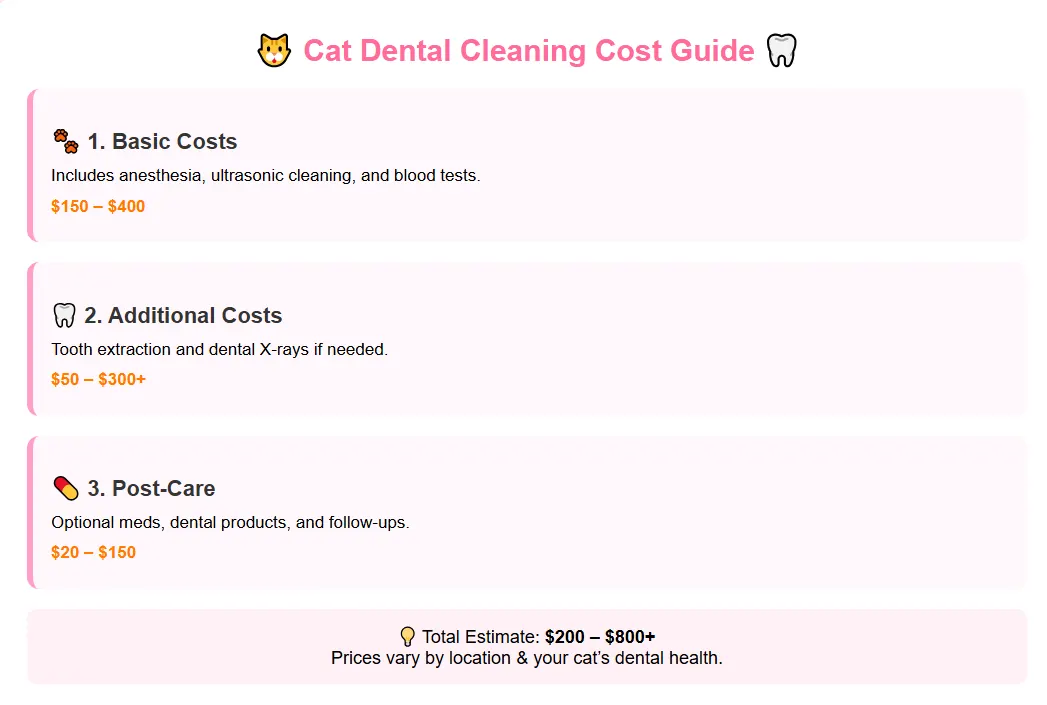
Cat Teeth Cleaning Cost
Dental cleaning costs vary depending on several factors.
Basic Costs
These commonly include:
- Pre-anesthetic examination
- Blood work
- Anesthesia
- Professional dental scaling and polishing
Additional Costs May Apply For:
- Dental X-rays (often necessary to identify disease below the gumline)
- Tooth extractions
- Treatment of advanced dental disease
Post-Procedure Care
Additional medications or follow-up visits may increase the total cost depending on your cat’s individual needs.
In Conclusion
When it comes to maintaining your cat’s oral health, no single product can do everything. A comprehensive dental care routine is the most effective solution. An ideal routine should include:
- Annual professional veterinary dental cleaning.
- Brushing your cat’s teeth at least three times per week.
- Using dental treats, water additives, and dental toys as part of your regular oral care routine.
By creating a consistent dental care routine, you can help your cat maintain cleaner teeth, healthier gums, and a better quality of life for years to come.
Veterinary Disclaimer
This article is intended for informational and educational purposes only and should not be considered a substitute for professional veterinary advice, diagnosis, or treatment. Always consult your veterinarian if you have concerns about your cat’s oral health or before making changes to its dental care routine.
-
Sale!

Pet Wipes Cat Dog Circle Wipes for Cleaning Eyes
Original price was: $6.99.$2.99Current price is: $2.99. Read more -
Sale!
50 Pcs Top Nose Cleaning Finger Wipes Natural & Non-Irritating
Original price was: $6.89.$3.45Current price is: $3.45. Add to cart -
Sale!
Gentle Pet Ear Drops for Dogs Cats Ear Care & Wax Removal
Original price was: $6.19.$5.99Current price is: $5.99. Add to cart