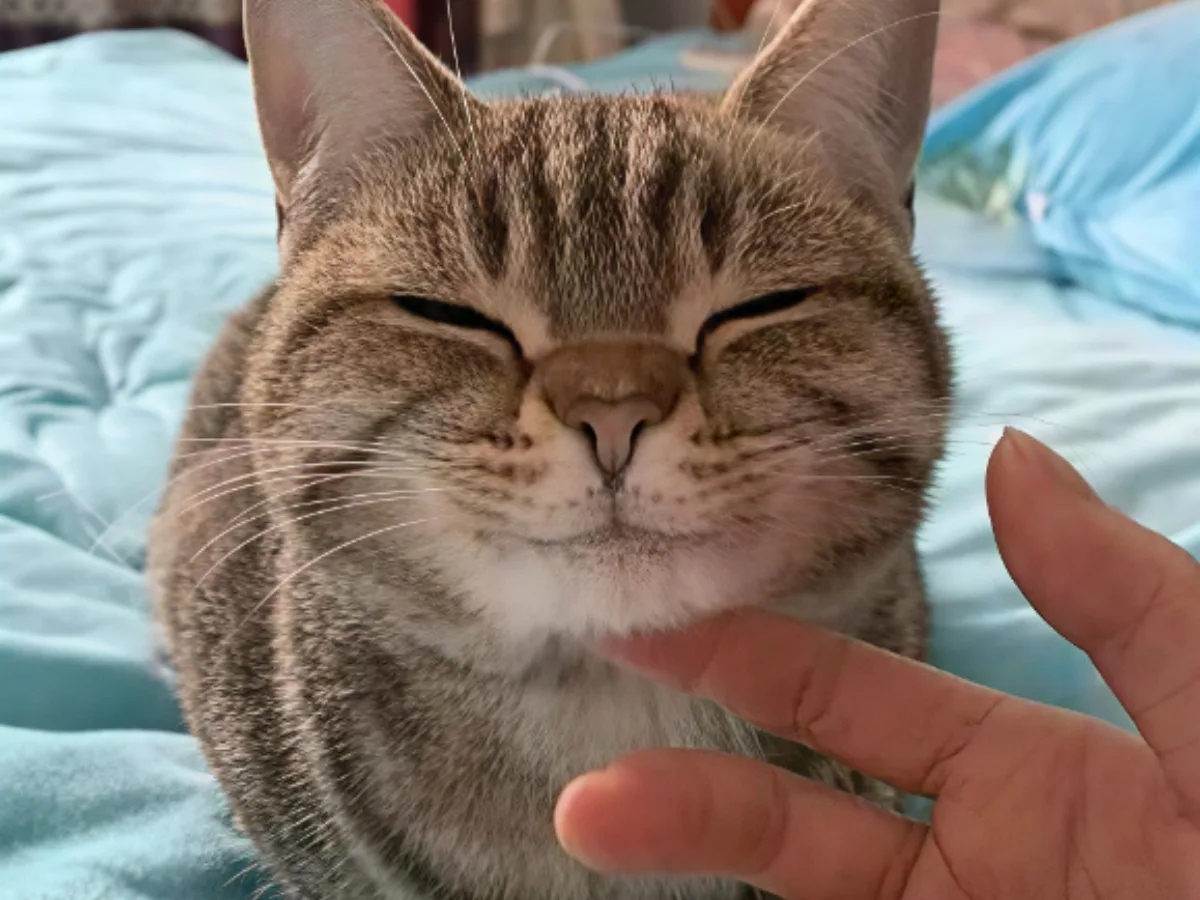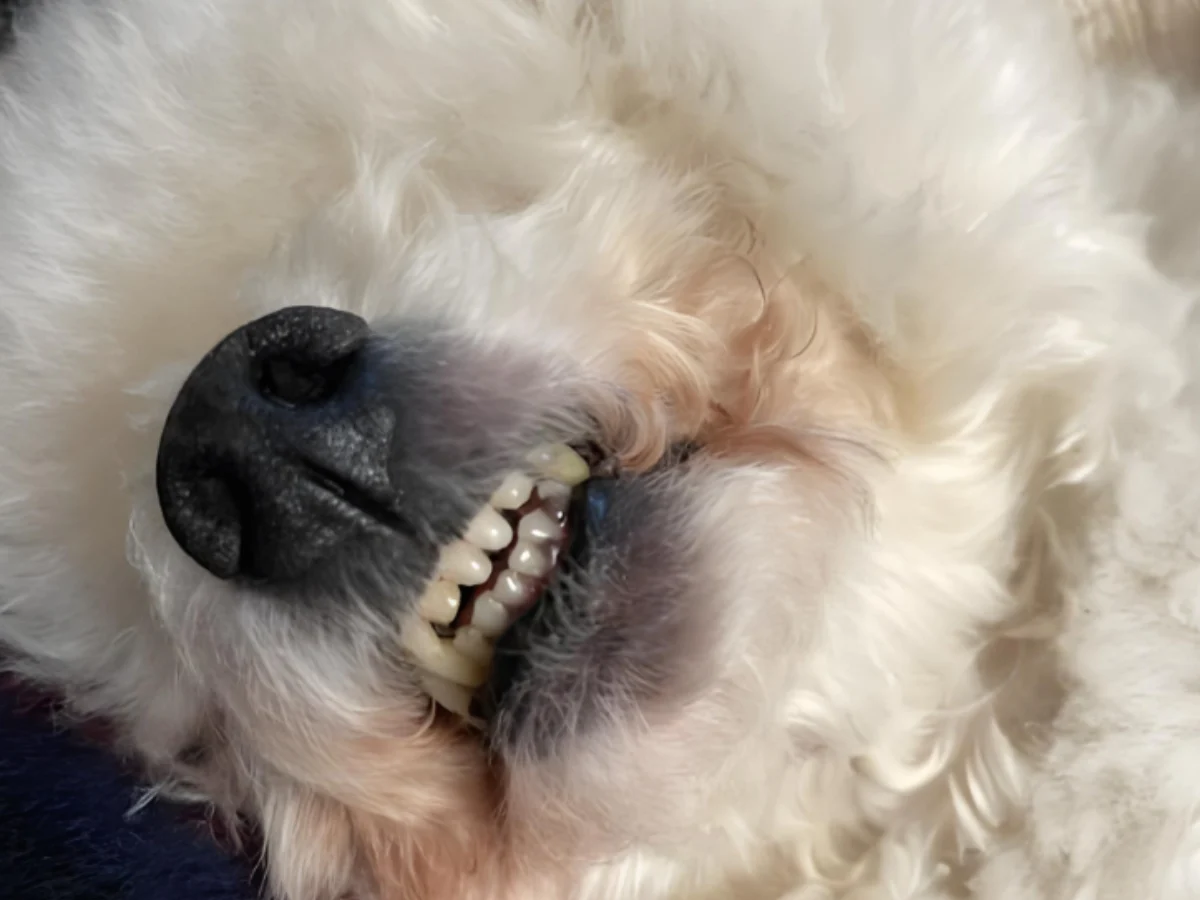

Do many parents like to see how their teeth are different from ours when they play with cats, especially when kittens show their white teeth and smile at you? Do you feel very healed? Of course, if you want your cat to have good teeth all the time, you must take care of your cat oral health.
1. Teach you to distinguish the quality of a cat’s mouth at a glance
① Look at the oral cavity:
Normal gums are pink, without redness, swelling, hyperemia, or ulceration; the teeth are white; there is no accumulation of tartar or plaque; and the oral mucosa is smooth and undamaged.
Cats with stomatitis will have purple-red gums and may be red, swollen, and bloody, with ulcers, etc., and may even atrophy; periodontal accumulation of tartar or plaque, congestion, and redness of the oral mucosa, and possible loss of epithelium.

Cat’s healthy gums vs. swollen gums with tartar and ulcers.
② Observe appetite:
A cat’s normal appetite will manifest as a smooth feeding process, no drooling, being lively and active, being sensitive and curious about things around them, and liking to play around.
Appetite decreases and disappears completely, which will manifest as poor spirits, reduced play activities, sensitivity to things around it that cannot attract it, and drooling a lot during feeding.
③ Observe behavioral habits:
A healthy cat’s mouth will show that its hair is neat, there is no abnormal hair loss or dirt, it is moderately wheezing, and there is no abnormally rapid breathing.
Hair may become dull due to loss of appetite, resulting in weight loss and other systemic symptoms, such as abnormal breathing, fever, etc.
How to effectively improve your cat’s oral health?
Oral mouthwash made from banlan root: Banlan root has antibacterial, anti-inflammatory, and antioxidant effects, and moderate use can relieve the symptoms of gingivitis. You can rinse your cat’s mouth once a day, which is conducive to keeping your cat’s mouth clean.

Cat receiving Banlan root mouthwash with key benefits highlighted.
Use watermelon cream to spray the surface of the cat’s gums: it plays an antibacterial role and relieves the pain of the cat’s gums. Pay attention to the moderate amount; spraying too much can easily cause the cat to drool.
Brush your teeth regularly: It’s best to brush your cat when you have time, and don’t wait until you have inflammation. Buy some toothpaste for pets, add vitamin C powder and vitamin B, and use it to brush your cat’s teeth, which can effectively remove some bacteria in it and keep your cat’s teeth in a very healthy state.
Treat mild stomatitis: Take some vitamin B complex and oral gel to promote the healing of gingivitis in cats.
How to help a cat remove plaque from teeth?
According to American veterinary sources, the core of home oral care for cats is daily brushing, and pet toothbrushes and toothpaste with bristles should be used; Gauze and cotton swabs are mostly used for transitional training and cannot replace real brushing, nor can they be expected to clear tartar that has already formed
Veterinary sources generally believe that the key to cleaning a cat’s mouth is not simply applying toothpaste to the tooth surface, but using a toothbrush to mechanically rub the toothbrush at the junction between the outside of the teeth and the gums; Gauze and cotton swabs can at most serve as training tools and cannot replace real brushing.
2. Home remedies for easy care of your cat’s teeth at home
What are some natural ways to clean your cat’s teeth?
Dental cleaning water and dental powder: Convenient for daily use at home, just add to your cat’s drinking water or food.
☞ Daily brushing: Affordable and long-term adherence is good, but pay attention to the cooperation of the cat; the action force is gentler, and the slightest carelessness may hurt the gums and cause bleeding.
☞ Dental cleaning snacks: Choose highly acceptable dental cleaning snacks according to your cat’s preferences, such as freeze-dried chicken necks. You can clean your teeth while playing or eating.
☞ Physical dental cleaning: It is recommended to use physical dental cleaning tools for cats; no anesthesia is required. Parents can buy dental cleaning tools at home for operation or consult a nearby pet store for help.
Is it too late to start brushing your cat’s teeth now?
It’s not too late yet. Some dog’s owner see that the cat is in pain when brushing its teeth, so they never brush the cat’s teeth. Up to 85% of cats over 3 years old suffer from oral problems such as tartar and gingivitis, and cat oral health affects the overall physical and mental health, so it is still necessary to brush the cat’s teeth regularly, and now it is too late to brush the teeth. You can also give your cat some teething snacks or use cat dental wipes to wipe their teeth.
3. Choosing the right cat dental care products is very important
It is best to start with the kitten’s tooth replacement period, starting from prevention, and jointly protect the oral health of kittens!
Oral cleaning: Choose a finger toothbrush and chicken-flavored toothpaste, and use a finger toothbrush or a soft toothbrush to avoid bleeding. Choose medical wet gauze wrapped around your fingers, and gently rub the cat’s gums to inhibit bacteria once a day. Stop using your toothbrush if your gums are bleeding! Use pet mouthwash instead. Pour it into drinking water to inhibit bacteria.
Teething products: Choose wooden smartweed sticks or carrots, or you can place catnip in a silicone toy to freshen your breath every day.
The following abnormalities require immediate consultation:
Suppuration of the gums, redness, swelling, and bleeding are often accompanied by bad breath and fishy smell, possibly infection, refusal to eat for more than 48 hours, and lethargy.
4. Most shoveling officers don’t know about cat oral care knowledge
Distinguish between healthy and unhealthy teeth in cats at a glance
The teeth of a healthy cat should be off-white, and the gums should be pale pink and slightly moist. If you find yellow or colored teeth, don’t be nervous; dark-haired cats may have dark gums, which is normal pigmentation. If the gums are red, it may be an inflammatory reaction throughout the body, and it is normal for the cat to have a fishy and meaty smell in its mouth. If you smell rancid or fishy, there may be a problem with your mouth.

Cat oral health infographic: healthy vs. unhealthy gums/teeth and breath.
The best time for cats to brush their teeth
The best time is to get into the habit of brushing your cat’s teeth while it is still a kitten.
Start establishing the habit of brushing your cat’s teeth every day from an early age so that it can slowly adapt to the process of brushing its teeth. Choose a brushing tool specifically designed for cats, such as a soft-bristled toothbrush or a finger toothbrush, to make brushing easier. Before brushing, gently stroke your cat to relax it. Let it gradually get used to the feel of a brushing tool at the back.
How to use oral supplements for cats effectively?
In fact, if you want your cat’s oral supplements to really work, the key is not how expensive the brand is but the right method. It is best to strictly control the dosage according to the cat’s weight; don’t sprinkle it casually based on feelings. Mix it into canned or wet food every day to feed it. The cat is more receptive and will not resist; insist on feeding regularly every day for a period of time instead of only using it when you think about it, and at the same time with simple brushing and daily care, take supplements as a helper to assist in improvement rather than a substitute for professional care so as to really improve bad breath and relieve gum discomfort, and the effect will be more obvious.
5. Answers to popular questions about the cat’s oral cavity
Q: What is the number one cause of cat death?
According to a large amount of clinical data, kidney disease is the first, followed by heart disease, tumors, and aging-related problems. Although oral diseases can affect the health of the whole body in severe cases but are not the primary cause of cat death, but with a good job of oral care, cats can indeed suffer less and live longer.
Q: What is quidding in cats?
It is the cat’s normal nibbling and grinding of food. If the cat has a situation of eating and shaking its head, dropping food, avoiding food after two bites, etc., this situation is also called “quidding” by veterinarians, most of which is due to toothache, gum inflammation, or mouth ulcers, and it hurts when food is chewed.
Q: What supplements help cats’ mouths?
For example, common dental powders, oral probiotics, and some nutrients containing vitamin B are all beneficial to reduce gum redness and swelling, reduce bad breath, and inhibit plaque growth.
-
Sale!
50 Pcs Pet Ear Cleaning Finger Wipes for Dogs and Cats
Original price was: $5.19.$4.99Current price is: $4.99. Add to cart -
Sale!

disposable Universal multi-purpose pet cleaning wipes body fur care
Original price was: $6.28.$3.14Current price is: $3.14. Add to cart -
Sale!

disposable Finger-shaped dental cleaning wipes for pets fresh breath
Original price was: $6.68.$3.34Current price is: $3.34. Add to cart