

Table of Contents
Do you know what dog teeth cleaning without anesthesia is? Just like humans, dogs eat three meals a day, but they cannot clean their teeth on their own like we do. Therefore, regular dental cleanings are an important way to protect your dog’s teeth. Many veterinary clinics and pet grooming salons offer non-sedated dental cleanings for dogs, but I suspect that most dog owners, upon hearing about this approach, don’t immediately feel reassured—instead, they tend to feel hesitant and concerned.
After reviewing veterinary opinions and real reviews from dog owners, you’ll find that there has always been a clear divide in opinions regarding non-sedated dental cleanings for dogs. Some owners believe it effectively addresses tartar buildup and bad breath, while others feel it’s more of a “surface-level cleaning” that fails to truly resolve deeper oral issues within the gums. So you might be asking: Can my dog undergo a non-sedated dental cleaning? Can I trust this method? This article will provide detailed answers and offer some practical tips for cleaning your dog’s teeth at home.
What Is Dog Teeth Cleaning Without Anesthesia?
Unlike traditional dental cleanings, a dental cleaning without anesthesia refers to the removal of plaque and tartar from a dog’s teeth without the use of general anesthesia. Oral health is often one of the most overlooked aspects of a pet’s overall well-being. Without regular dental care, plaque and tartar can build up on a dog’s teeth, leading to conditions such as gingivitis and periodontal disease. During the procedure, the dog remains awake and is secured on an examination table while a technician uses manual instruments to clean the surface of the teeth.
However, this method has a significant drawback: it cannot remove plaque or tartar located below the gum line or between the teeth.
How Is Anesthesia-Free Dental Cleaning Performed on Dogs?
Generally, veterinary clinics follow a relatively gentle standard procedure:
1. Calming the Dog: Ensure the dog remains calm during the procedure and does not struggle violently to prevent injury from panic.
2. Oral Examination: The technician will thoroughly examine the dog’s oral health to assess which areas require cleaning.
3. Tartar Removal: Professional manual instruments are used to remove tartar and scrape away plaque.
4. Teeth Polishing: The teeth are polished using polishing paste and tools to smooth the tooth surfaces and delay the re-accumulation of plaque.
5. Rinsing and Cleaning: The mouth is rinsed with clean water or saline solution to remove loose debris and particles.
6. Post-Procedure Care: After the teeth cleaning, the technician will re-examine the dog’s teeth and provide the owner with professional care recommendations.
Having a dog’s teeth cleaned without anesthesia may cause the dog to feel anxious in an unfamiliar environment or around strangers. In practice, a dog’s acceptance of this procedure often depends largely on its temperament. Dogs that are gentle, highly obedient, and friendly toward strangers typically go through the entire process more smoothly. However, dogs that are nervous, sensitive, or highly alert are more likely to experience stress reactions due to anxiety, even though the entire procedure only takes 20–30 minutes.
Teeth Cleaning Without Anesthesia vs. Teeth Cleaning With Anesthesia
Both teeth cleaning without anesthesia and teeth cleaning with anesthesia have their own advantages and disadvantages. Dog owners should choose the appropriate method for their dog based on the dog’s individual condition and after consulting a professional veterinarian. This analysis is for reference only and should not be followed blindly.
| Service | Teeth Cleaning Without Anesthesia | Teeth Cleaning With Anesthesia |
| Advantages | 1. Relatively affordable 2. Eliminates the risks associated with general anesthesia, making it suitable for dogs with poor cardiovascular or respiratory function or older dogs, and helping to avoid potential complications 3. Recovery time after treatment is short, and daily care is convenient | 1. It allows for a comprehensive and thorough examination of your dog, effectively removing plaque and tartar from beneath the gums. 2. Dogs experience less psychological stress, which helps prevent accidental injuries from equipment and safety issues. 3. It reduces the likelihood of oral bacteria entering the bloodstream, thereby lowering the risk of systemic infection. |
| Disadvantages | 1. It focuses primarily on surface cleaning and maintenance and cannot thoroughly remove tartar and bacteria below the gum line. 2. It can cause significant psychological stress for the dog, potentially leading to stress-related reactions, which poses risks to both the dog and the practitioner. 3. It does not allow for comprehensive examinations, such as X-rays, making it easy to overlook potential dental health issues. | 1. The cost is relatively high. 2. After anesthesia, unexpected complications such as allergic reactions or a drop in blood pressure may occur, especially in dogs with heart, liver, or kidney disease. 3. The postoperative recovery period is long, and daily care requires close attention. |
| Price | $150–$400, depending on the dog’s size and the dental clinic | $300–$1,500, depending on the dog’s size and the condition of its teeth |
Which Dogs Are Suitable for Anesthesia-Free Dental Cleaning?
In reality, non-sedated dental cleaning is better suited as a form of “routine maintenance” rather than a solution for serious dental problems. If the issue is only mild tartar or plaque buildup, many owners will be satisfied with the results; however, if their dog is already showing signs of noticeable bad breath, red and swollen gums, or loose teeth, many owners will ultimately opt for sedated dental cleaning to allow for a more thorough examination and treatment. If you plan to take your dog for a non-sedated dental cleaning, your dog should ideally possess the following characteristics:
1. The dog’s teeth should have only mild surface plaque or visible tartar—this is the ideal condition
2. The dog has a gentle temperament, is responsive to commands, remains calm and obedient in unfamiliar environments, and does not display aggression.
3. The dog is in good overall health and has no serious dental diseases.
4. The owner is sufficiently familiar with the dog’s dental condition and can provide relevant information to the veterinarian.
When Does a Dog Need a Dental Cleaning Under Anesthesia?
For severe periodontal disease or situations where the dog cannot cooperate with the procedure, a dental cleaning under anesthesia is still recommended. Additionally, if there is a complex tooth fracture or other emergency, your pet may also require anesthesia. Please consult your regular veterinarian for specific circumstances and make a decision after seeking their professional advice.
Many authoritative organizations view non-sedated dental cleanings with caution. Major organizations such as the American Veterinary Medical Association (AVMA) and the American Animal Hospital Association (AAHA) recommend against non-sedated dental cleanings for most pets. The World Small Animal Veterinary Association (WSAVA) Global Small Animal Dental Clinical Guidelines emphasize that small animal dental care must prioritize anesthesia and welfare requirements. Furthermore, common clinical guidelines explicitly state that dental cleanings for dogs are typically performed under general anesthesia to ensure thorough cleaning and to assess the condition of the gums and tooth roots.
How can I clean my dog’s teeth at home?
For general surface plaque, pet owners can try brushing their dog’s teeth, but they must ensure the dog does not resist the process and must use specialized dog toothpaste. Human toothpaste contains substances harmful to dogs and should never be used on them. If the dog absolutely cannot tolerate brushing, owners can try using finger-sleeve dental wipes to wipe the surface of the dog’s teeth and gums.
Another gentler method is to use a gauze pad dipped in plain water to wipe the surface of your dog’s teeth. This can remove newly formed plaque. Since water is colorless and odorless, dogs are generally more accepting of it, though this method has limited effectiveness.
In addition to manual intervention, there are more hands-off approaches. Since puppies naturally love to chew, owners can provide them with foods of moderate hardness that won’t damage their teeth to help clean them. VOHC-certified dental chews and/or prescription diets are typically the first choice recommended by veterinarians. However, if you don’t have these on hand, carrots and apples are also good options—especially when slightly frozen, as the increased hardness provides better abrasion. This not only cleans your dog’s teeth but also satisfies their natural chewing instinct, killing two birds with one stone.
Real User Reviews of Anesthesia-Free Dental Cleaning
After reviewing genuine comments on pet communities and forum discussions, we found that opinions on anesthesia-free dental cleaning are polarized. Overall, there are more negative and skeptical voices; this group believes that anesthesia-free dental cleaning is merely a superficial fix that addresses symptoms rather than the root cause. Those in favor, however, view it as a good method for a dog’s routine care, though their voices are relatively quiet. Most importantly, when reviewing these opinions, you need to exercise discernment and be wary of advertising and marketing. Therefore, we remind you once again that choosing a teeth cleaning method for your dog must be based on your dog’s specific circumstances and your veterinarian’s professional advice.
FAQ
1. How often should my dog have a dental cleaning?
Generally, it is recommended to have your dog undergo a professional dental cleaning once a year. However, if your dog has severe dental issues, we recommend following your veterinarian’s advice for regular check-ups.
2. Can I sedate and clean my dog’s teeth at home?
Please do not attempt this. Sedating a dog involves professional medical procedures and must be performed by a licensed veterinarian at a qualified facility. For your dog’s safety, please do not attempt to sedate and clean your dog’s teeth at home.
Related products
-
Sale!
-1-300x300.webp)
clean food residues and dog cat blackheads non-irritating wipes
$11.89Original price was: $11.89.$9.99Current price is: $9.99. Add to cart -
Sale!

Pet Dish Wash Mousse Environmentally friendly and non-irritating
$10.99Original price was: $10.99.$6.79Current price is: $6.79. Add to cart -
Sale!

Natural Cat Repellent Spray Safe for Pets and Furniture
$8.99Original price was: $8.99.$6.99Current price is: $6.99. Read more
Related articles
How to Make a Cat Happy? Simple Things I Do Every Day
Wondering how to make a cat happy? Here are simple things I do every day to help my cat feel safe, comfortable, and loved.
Do Dogs Have a Sense of Time?
Do dogs have a sense of time? Learn how dogs use routines, light, smells, and daily habits to understand their world and anticipate what comes next.
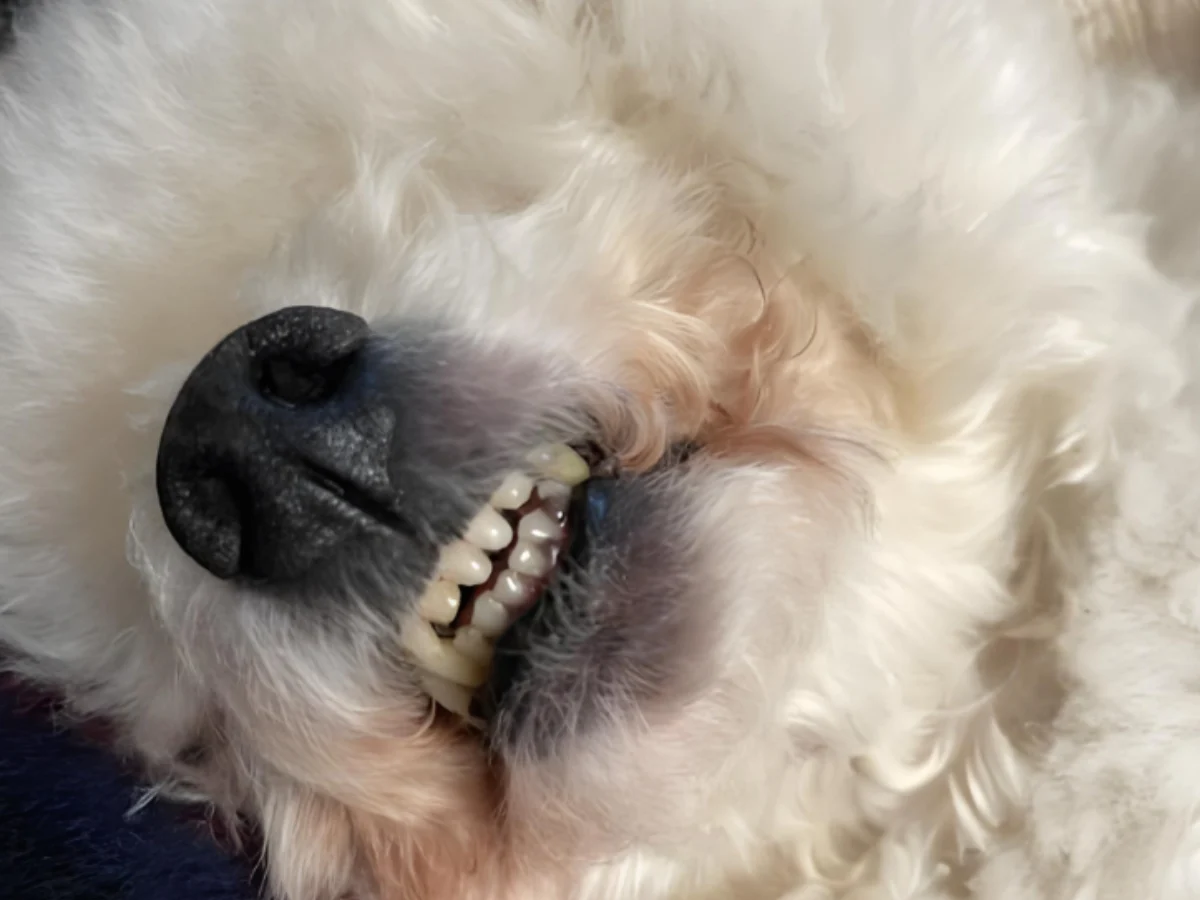
How to Clean Your Dog’s Teeth Without Brushing: Simple Daily Methods
Wondering how to clean dog teeth without brushing? Here are simple, everyday dental care tips I use for dogs who aren't fans of toothbrushes.