

When you are cooking with rosemary and your dog looks up at you with those pleading puppy eyes, begging for a bite, you might find yourself wondering: Is rosemary actually safe for dogs?
First, let me put your mind at ease. According to official guidelines from the ASPCA (American Society for the Prevention of Cruelty to Animals), rosemary is explicitly classified as entirely non-toxic to both dogs and cats. In daily feeding, as long as you stick to the golden rule of “small amounts in moderation,” rosemary is not only completely safe but also provides exceptional antioxidant, digestive, and natural antimicrobial benefits for your pup.
As a Dog Mom to my Golden Retriever, Luna, my journey mirrors that of many other pet parents. The first time I truly took notice of rosemary wasn’t while looking at human recipes in my kitchen, but rather while reviewing the ingredient list on a bag of premium, all-natural kibble I was picking out for Luna.
Today, stepping into my dual role as a veteran pet blogger and Luna’s mom, I am going to take you on a deep dive from the perspectives of pet nutrition and clinical veterinary medicine to thoroughly break down the “goods and bads” of rosemary.
The Benefits and Risks of Rosemary for Dogs
Both fresh and dried rosemary are completely non-toxic and safe for dogs. A study on the biological functions of rosemary extract in animal nutrition published by PMC in 2025 points out:
- Fresh Rosemary: Contains a richer concentration of volatile antioxidant compounds, such as rosmarinic acid.
- Dehydrated/Dried Rosemary: Its dietary fiber is much easier to grind down, making it perfect to mix into kibble in micro-dosages as a herbal dietary supplement.
While there is no fundamental difference in their core safety, rosemary does contain highly active neuro-chemical compounds that can pose hidden dangers under specific health conditions.
4 Unexpected Health Benefits of Rosemary for Dogs
1. A Powerhouse Source of Cellular Antioxidants
Rosemary is rich in highly bioavailable polyphenols, particularly rosmarinic acid and carnosic acid. These active compounds act as potent free-radical scavengers, helping to prevent premature cellular aging, chronic inflammation, and immune system decline.
2. Advanced Gastrointestinal and Digestive Support
Rosemary can serve as a gentle, natural remedy. The volatile compounds found in the herb possess excellent carminative properties. They work by relaxing the smooth muscles of the gastrointestinal tract, which helps smooth out peristalsis and allows trapped gas to dissipate. This effectively relieves doggy gas, painful abdominal bloating, and minor stomach cramping.
3. Natural Antimicrobial Efficacy and Commercial Preservation
In the premium pet food industry, manufacturers have largely abandoned synthetic chemical preservatives (like BHA and BHT) due to concerns over long-term toxicity. Instead, they now rely on rosemary extract. Thanks to its robust antimicrobial and antifungal properties, it naturally prevents lipid oxidation—the process that causes fats in dog food to spoil and go rancid.
4. Enhancing Canine Dental Hygiene and Fresh Breath
Periodontal disease is the single most common clinical condition in adult dogs, frequently leading to gums lesions and even systemic health complications. Rosemary contains natural antiseptic components that directly target the oral microbiome. By inhibiting the proliferation of pathogenic oral bacteria, it prevents the matrix formation of tartar and plaque buildup along the gumline, keeping your dog’s breath significantly fresher.
Critical Medical Risks and Warnings
1. The Seizure Risk (A Strict Medical Contraindication)
Is rosemary safe for dogs with seizures? The definitive clinical answer is NO.
- The Pathophysiology: Rosemary naturally contains monoterpenes and camphor, volatile chemicals that act as central nervous system (CNS) stimulants. In healthy dogs, these compounds are easily metabolized. However, in dogs suffering from epilepsy or idiopathic neurological conditions, they can cross the blood-brain barrier and trigger severe, involuntary muscle twitching and tremors.
- NIH Research Insights: Studies from the National Institutes of Health (NIH) demonstrate that camphor and 1,8-cineole found in rosemary act as natural GABA (gamma-aminobutyric acid) receptor antagonists. This pharmacological property means they block the “calming signals” in the brain, triggering abnormal neuronal firing. In controlled experiments on animals with induced epilepsy, high-dose exposure to these volatiles significantly increased the frequency of myoclonus (twitching) and shortened seizure latency. Consequently, in companion animal pharmacology, this is considered a strict dietary and medical contraindication for affected dogs.
2. The Toxic Potential of Rosemary Essential Oil
Pet parents must carefully differentiate between the whole, fresh herb and rosemary essential oil. Is rosemary oil safe for dogs? The answer is that oral ingestion is strictly prohibited.
- Extreme Concentration: Essential oils are highly concentrated, distilled volatile extracts. A single drop can contain the chemical equivalent of dozens of rosemary plants. If accidentally ingested, these highly concentrated oils can cause acute chemical burns in the mouth and esophagus, severe hypersalivation (drooling), profound gastrointestinal distress, and can severely overload hepatic and renal metabolic pathways, leading to acute liver or kidney toxicity.
- My Firsthand “Diffuser Mistake”: To be perfectly honest, as Luna’s Dog Mom, I also stumbled when I first got into home aromatherapy years ago. To combat the pet odor brought on by days of endless rain, I closed the bedroom door and turned on a rosemary essential oil diffuser.
before long, I noticed Luna becoming restless and frequently licking her nose—a classic stress behavior in dogs indicating that their nasal passages are highly irritated and they are trying to self-soothe. That lesson made me realize that we cannot project human sensory standards onto our fur babies.
Since then, if I must use botanical aromatherapy indoors, I strictly follow the iron rule of “leaving a door open and a window cracked.” I ensure absolute air circulation and always give Luna the freedom to stand up and leave the room whenever she chooses.
3. Is Rosemary Safe for Dogs with Kidney Disease?
The answer is: Not absolutely safe.
If your beloved pup has been diagnosed with chronic kidney disease (CKD) or renal insufficiency, you must exercise extreme caution. For dogs with kidney disease, the dosage of rosemary must be kept strictly to a minimum under the direct supervision of a vet, or avoided entirely to prevent accelerating renal decline.
How Much Rosemary Can Dogs Have?
Now that we understand rosemary’s dual medical profile, practical application is everything. Just like the eternal golden rule of pet nutrition states: “Moderation is key.” Even with the best herbs, overfeeding will inevitably cause gastrointestinal distress in dogs.
Safe Dosage and Feeding Guidelines
To give pet parents precise control rather than relying on a vague “pinch,” I have broken down the vet-recommended daily safe dietary supplement amounts into clear metrics.
Here is a highly scannable feeding chart. I highly recommend taking a screenshot to save it for easy reference in your kitchen:
| Dog Size | Safe Fresh Rosemary Dosage (Finely Chopped) | Safe Dried Rosemary Dosage |
| Small Dogs (<20 lbs) | A tiny pinch (strictly less than 1/8 tsp) | A micro pinch |
| Medium Dogs (20-50 lbs) | 1/4 teaspoon | 1/8 teaspoon |
| Large Dogs (>50 lbs, e.g., Luna) | 1/2 teaspoon | 1/4 teaspoon |
Pro Tip: If you are feeding your dog rosemary for the very first time, start with just 1/4 of the recommended dosage above as a micro-trial. Monitor your dog continuously for 48 hours to ensure there are no signs of soft stool, diarrhea, or skin redness (allergic reactions) before gradually working up to the standard safe amount.
How to Make Homemade Dog Food with Rosemary
If you are just like me and love whipping up various nutritious, homemade meals for your dog, I am thrilled to share this recipe that has become incredibly popular in the pet blogging community: “Rosemary Calming Frozen Delight.” When Luna comes home after a long, intense day of socializing at doggy daycare, or when she feels a bit anxious during seasonal transitions, this homemade treat is the ultimate de-compression tool.
Nutritional Ingredients
- Plain, Unsweetened Greek Yogurt: Serves as an excellent base for high-quality calcium and probiotics to nurture gut health.
- All-Natural Pure Pumpkin Puree: Rich in dietary fiber with a subtly sweet taste that dogs absolutely adore.
- Fresh hopped Rosemary: Kept strictly under 1/2 teaspoon (since Luna is a large Golden Retriever over 50 lbs), utilizing its natural antioxidant and breath-freshening properties.
Step-by-Step Directions
- Step 1: Thoroughly mix the plain Greek yogurt and pure pumpkin puree together at a 2:1 ratio.
- Step 2:Take fresh, washed rosemary leaves, chop them up incredibly finely, sprinkle them into the mixture, and stir gently.
- Step 3:Spread the blended mixture evenly across your dog’s favorite licking pad.
- Step 4: Place it flat in the freezer for 2 to 3 hours until it is completely solid.
Expanding the Herb Garden: What Other Herbs Are Safe (and Unsafe)?
When we build a green backyard haven for our fur babies, rosemary is merely the tip of the iceberg. Many pet parents want to expand their gardens, but the plant kingdom is home to complex biochemical properties. When expanding your herb garden, you must strictly differentiate between “safe alternatives” and the “deadly blacklist.”
Safe Herbs for Canine Wellness
If your garden needs more dog-friendly additions, these herbs are backed by veterinary science and offer unique health benefits:
- Thyme: Is thyme safe for dogs? Yes, thyme is incredibly safe for dogs. In pet nutrition, thyme shares many similar active components with rosemary. It is packed with thymol, which boasts fantastic antifungal and anti-inflammatory properties that effectively relieve canine flatulence and offer similar soothing benefits to the bronchial and respiratory systems.

Parsley: Parsley is a natural deodorizer rich in chlorophyll, vitamin C, and antioxidants. Incorporating a moderate amount of standard parsley flakes into their daily diet is one of the most effective, practical ways to help pet parents say goodbye to foul doggy breath.
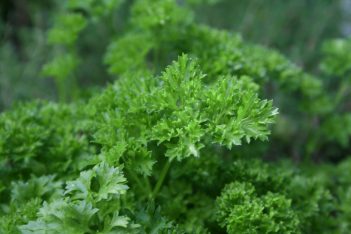
Note: You must choose Curly Parsley, and absolutely never confuse it with “Spring Parsley” or Flat-Leaf Parsley. Spring parsley contains high concentrations of furanocoumarins, which carry phototoxic properties that can make a dog’s skin extremely light-sensitive or trigger severe dermatitis.

What Herbs Are NOT Safe for Dogs?
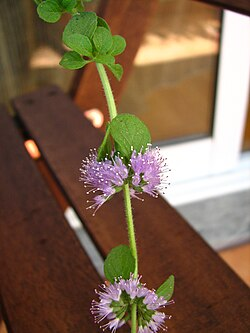
- Pennroyal (A Fatal Liver Toxin): While regular mint can be harmless to some dogs in microscopic amounts, Pennyroyal—which belongs to the mint family—is a top-tier toxic hazard zone. It contains high concentrations of pulegone, which causes irreversible, acute toxic damage to a dog’s liver. If a fur baby accidentally ingests this in the garden, it can easily trigger acute liver failure and become life-threatening.
- Garlic & Onions (The Red Blood Cell Killers of the Allium Family): All plants in the Allium family, including garlic, onions, leeks, and chives, are exceptionally hazardous to dogs and cats. They contain thiosulfates that a dog’s digestive system simply cannot metabolize, which directly destroy red blood cell structures and lead to Heinz body anemia and hemolytic anemia. Whether cooked in table scraps or given as garlic powder, these must never enter your dog’s bowl.
- Cocoa Powder / Cocoa Shell Mulch (The Hidden Backyard Poison): Many landscape gardeners and pet parents love to lay down a beautifully fragrant layer of “cocoa shell mulch” across the soil surface of their herb gardens or use fertilizers containing cocoa byproducts. This is a highly dangerous backyard trap! The residual theobromine left in these mulches works on the exact same principle as chocolate poisoning. Dogs have an incredibly poor capacity to metabolize theobromine; if they accidentally consume it while digging in the yard, it can lead to severe neurological hyperactivity, tachycardia (racing heart rate), vomiting, and even fatal toxic reactions. When designing a pet-friendly yard, always opt for entirely non-toxic coverings like pine bark or coco coir instead.

FAQ:
Q1: Can dogs eat food cooked with rosemary?
A: Yes, provided that the rosemary was used in small amounts strictly for seasoning. However, you must ensure that the food was not prepared with ingredients harmful to pups, such as onions, garlic, excessive salt, or heavy butter.
Q2: Is rosemary safe for cats as well?
A: Yes. According to the ASPCA, fresh and dried rosemary are non-toxic to felines. However, cats lack certain liver enzymes needed to safely metabolize essential oils, so they must be kept strictly away from concentrated rosemary essential oil.
Q3: What should I do if my dog eats a whole rosemary plant?
A: While rosemary itself is non-toxic, consuming a massive amount of plant fiber can result in mild vomiting or diarrhea. Keep a close eye on your pup, make sure they have plenty of fresh water, and consult your veterinarian if their symptoms persist.
Q4: Can dogs hear you when you talk to them about their food?
A: Yes! Dogs are highly attuned to human vocal tones and vocabulary. Talking about their dinner or using high-value words like “treat” sparks cognitive excitement, which is why sharing safe, healthy herbs can double as a fun bonding experience.
Disclaimer
This article is intended solely for personal experience sharing and educational purposes; it does not constitute professional veterinary diagnosis, treatment, or medical advice. Every fur baby has a unique constitution and underlying health profile. Before introducing rosemary or making any changes to your pet’s diet, please consult a licensed veterinarian. This website assumes no legal liability for any pet health issues resulting from self-feeding.
-
Sale!

Gentle Neutral pH Round Pet Eye Wipes Tear Stain Removal
Original price was: $5.98.$2.99Current price is: $2.99. Add to cart -
Sale!
150ml No-Rinse Pet Paw Cleaner Foam – Waterless Paw Washer
Original price was: $7.19.$5.99Current price is: $5.99. Add to cart -
Sale!

disposable Finger-shaped dental cleaning wipes for pets fresh breath
Original price was: $6.68.$3.34Current price is: $3.34. Add to cart