
Ear mites are one of the most common ear problems in cats, but many cat owners aren’t sure how to deal with them. Because a cat’s ears can easily trap dirt, wax, and debris, skipping regular parasite prevention or ear cleaning can create the perfect environment for ear mites to thrive. In this guide, I’ll share practical methods for ear mite treatment for cats, along with a few important tips I’ve learned along the way, to help keep your cat’s ears healthy.
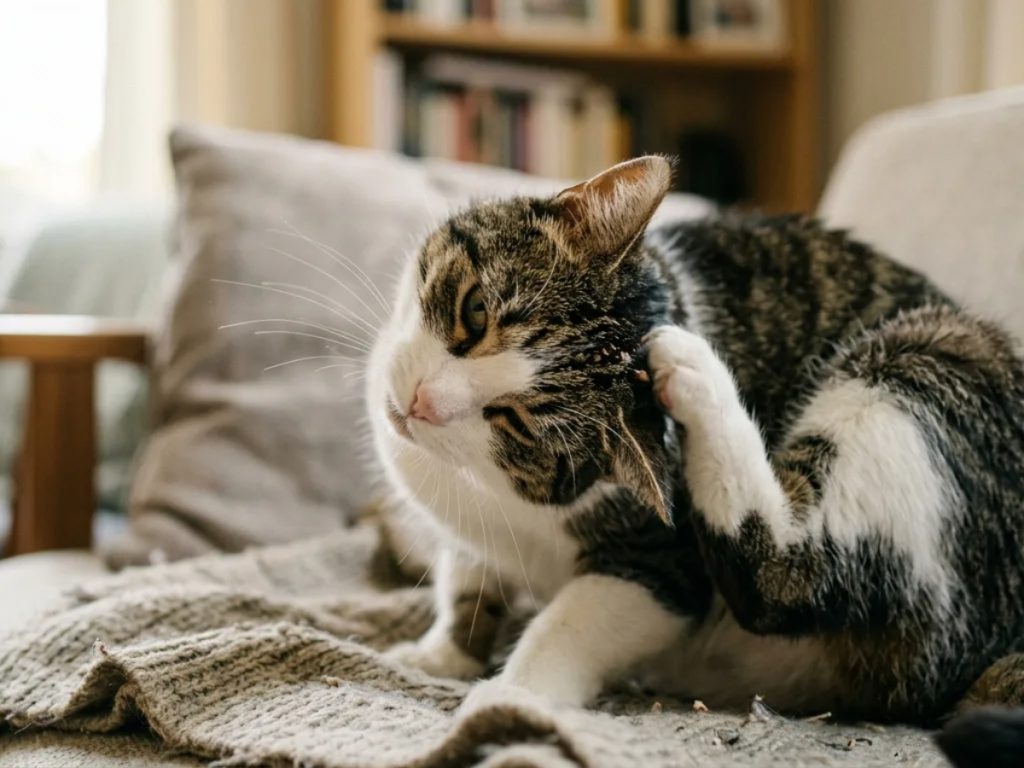
Common signs of ear mites include:
Red, swollen ears, and in severe cases, hair loss or inflammation around the ears
Dark brown or black ear discharge
A strong odor coming from the ears
Frequent ear scratching or constant head shaking
Large amounts of dry, coffee-ground-like ear debris
One weekend after dinner, I was curled up on the couch watching TV with my cat when I noticed some dark debris inside one of her ears. I gently picked out a small piece of earwax and rubbed it between my fingers. It felt rough and crumbly rather than soft, and it came with quite a bit of dark brown discharge. Under a magnifying glass, I could actually see tiny brown ear mites.
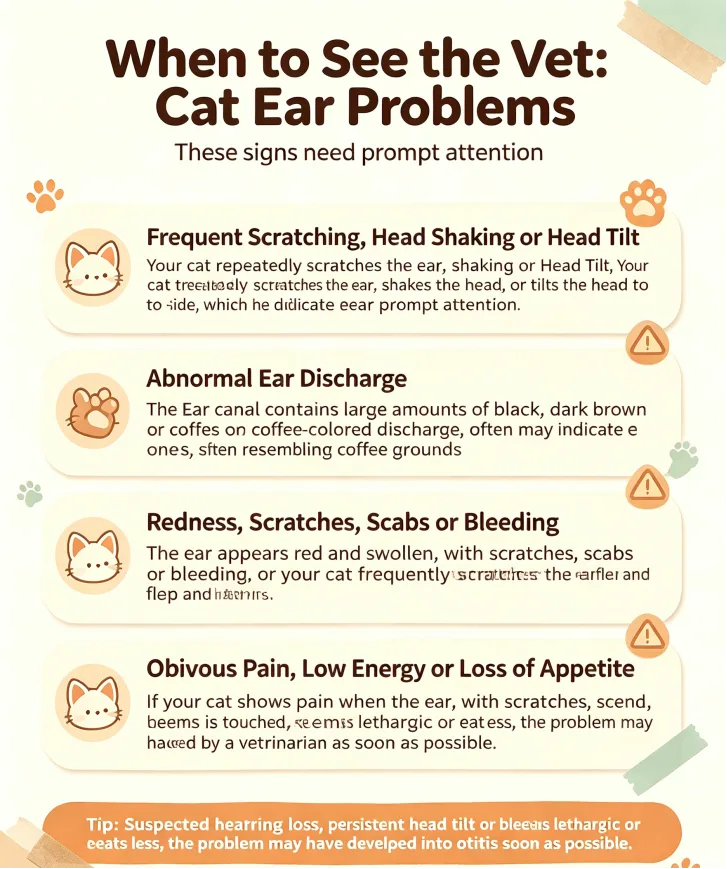
If your cat is constantly scratching their ears, shaking their head, has dark brown or black ear discharge, or the ears appear red and swollen, it’s best to schedule a veterinary visit as soon as possible. Early treatment can help prevent ear mites and secondary ear infections from becoming more serious.
According to preventive care recommendations from the AAHA, AVMA, and AAFP, adult cats should receive a wellness exam at least once a year, while senior cats should be examined every six months.
① Gently Restrain Your Cat
Wrap your cat in a towel to keep them calm and prevent sudden movements while exposing one ear at a time.
② Clean the Outer Ear
Use a cotton swab lightly moistened with povidone-iodine to gently wipe the outer ear flap. Use only a small amount and avoid inserting the swab into the ear canal.
③ Apply an Ear Cleaner
Place the ear-cleaning solution against the inside wall of the ear canal and gently squeeze in the recommended amount. Massage the base of the ear for about 30 seconds before letting your cat shake their head naturally.
④ Wipe Away the Debris
Use a clean cotton ball or disposable cotton swab to gently remove any remaining earwax and cleaning solution from the outer ear.
⑤ Apply Ear Mite Medication
After the ear has been cleaned, apply the prescribed ear mite medication into the ear canal and gently massage the base of the ear again. Once your cat finishes shaking their head, wipe away any excess medication from the outer ear. Continue treatment once daily or exactly as directed by your veterinarian.
⑥ Keep Up With Parasite Prevention
Regular internal and external parasite control helps prevent ear mites as well as other common parasites.
Clean the Ear Canal:
Start by cleaning your cat’s ears with a pet-specific ear cleaner once or twice a day. This helps loosen debris and remove wax buildup, making treatment more effective.
Topical Ear Medication:
Use veterinarian-recommended ear medications for at least three weeks or for the full treatment period prescribed.
Keep the Environment Clean:
Maintain a clean, dry, and well-ventilated home. Regular cleaning and disinfecting can help reduce moisture and lower the risk of reinfestation.
Support Your Cat’s Immune System:
A balanced diet with adequate vitamins, such as vitamins A and B, may help support your cat’s overall health and immune function.
Routine Parasite Prevention:
Use veterinarian-approved parasite preventatives on schedule to reduce the risk of ear mites and other parasites.
Medicated Baths:
If recommended by your veterinarian, medicated bathing products may help improve overall skin hygiene and reduce parasite-related skin issues.
If your cat’s symptoms are severe or don’t improve after treatment, don’t try to manage the condition on your own. Take your cat to a veterinarian for a proper diagnosis and treatment plan.
After reading through Reddit discussions, I found that many cat owners shared similar experiences.
Some owners said that newly adopted cats arrived with ear mites. They applied mineral oil to the ears and gently cleaned them with cotton balls dampened with hydrogen peroxide. After about three days, they noticed noticeable improvement.
Others mentioned that ivermectin is one of the most effective treatments for ear mites and is commonly prescribed by veterinarians. Several users also recommended cleaning the ears once a week with a chlorhexidine solution. The suggestion was to fill the ear canal with the solution, gently massage the base of the ear, let the cat shake out the debris, and then wipe away any excess liquid. This helps remove larger pieces of wax and debris before applying medication.
It depends on how severe the infestation is. If your cat only scratches their ears or shakes their head occasionally and has a small amount of dark brown earwax without obvious redness, swelling, discharge, or a foul odor, the infestation may be mild. After consulting your veterinarian, you can usually treat it at home with a cat-specific ear cleaner and parasite medication, following the recommended treatment schedule.
That said, I wouldn’t recommend treating ear mites completely on your own without first getting veterinary advice.
Calm your cat before you begin. If your cat tends to struggle, gently wrap them in a towel to keep them from scratching or moving around.
Hold the ear cleaner against the inner wall of the ear and slowly apply the recommended amount.
Gently massage the base of the ear for 10–20 seconds. If you hear a soft squishing sound, that’s a good sign the cleaner has reached the ear canal.
Let your cat shake their head naturally to loosen debris.
Wipe away any remaining wax or residue from the outer ear using cat ear wipes or a cotton ball.
Recommended frequency: About once a week for routine ear care.
Apply the ear cleaner along the inside wall of the ear canal.
Massage the base of the ear for 10–20 seconds, then allow your cat to shake out the loosened debris.
If a large amount of dark brown discharge is still present, repeat the cleaning until the ear canal is much cleaner before applying medication.
For more severe cases, apply veterinarian-recommended ear medication into the ear canal, gently massage the base of the ear for about 30 seconds, and allow your cat to shake out any excess medication.
Finally, wipe away any remaining debris or medication from the outer ear.
Tip: Clean the ears before each medication application during treatment. Once the infection has cleared, reduce cleaning to once a week for maintenance.
Yes. Keeping your home clean is an important part of preventing reinfection. Focus on the areas where your cat spends the most time, as this can significantly reduce the chance of ear mites spreading or coming back.
| Area | Items to Clean | Recommended Cleaning Method |
| Frequently Used Fabrics | Cat beds, blankets, towels, cushions | Wash in hot water whenever possible and dry thoroughly in the sun or a dryer |
| Everyday Accessories | Toys, brushes, collars | Wash thoroughly and disinfect with a pet-safe disinfectant if appropriate |
| Favorite Resting Areas | Sofas, carpets, window perches, cat trees, floors | Vacuum carefully, wipe down surfaces, and keep the environment clean and dry |
| Multi-Pet Households | Other cats and dogs | Check all pets for symptoms and separate infected pets when necessary to prevent cross-infection |
Most cats need 2–4 weeks of treatment to completely eliminate ear mites. Many cats start feeling better within a few days, but that doesn’t mean the mites are gone. Always finish the full course of treatment, even if the symptoms improve early, to help prevent reinfestation.
After cleaning your cat’s ears, gently dry the ear canal to reduce moisture that can encourage ear mites to thrive.
Use a cat-specific ear cleaner as part of your regular grooming routine to remove excess wax and debris before mites become a problem.
Use veterinarian-recommended parasite prevention products consistently to protect your cat from ear mites and other parasites.
Vacuum regularly, disinfect your cat’s living areas, and keep bedding and frequently used items clean to reduce the risk of ear mites and other germs.
Generally, no. Cat ear mites aren’t considered contagious to humans, but they spread very easily between pets. If one cat in the household has ear mites, other cats—and even dogs—can become infected through close contact or shared bedding.
My advice is simple: if you suspect your cat has ear mites, start treatment as early as possible and complete the full course.
Many people think ear mites are just a little dirty earwax, but the problem can become much more serious if left untreated. The itching usually gets worse, causing constant scratching and head shaking. Over time, this can lead to ear infections, inflammation, and even an aural hematoma from excessive scratching.
Ear mites are also highly contagious. If you have multiple pets, one infected cat can quickly spread them to the others. The sooner you treat the problem, the easier it is to get it under control.