
Are you also struggling with your cat’s matted hair? Tangled and clumped fur not only affects your cat’s appearance but can also make them feel uncomfortable. This is especially common in long-haired cats, during shedding seasons, or when their coat hasn’t been brushed regularly for a while. Areas like the back, neck, and legs are more likely to develop small mats.
Today, I’m sharing some practical tips to help you learn how do you get rid of matted cat hair and safely remove those annoying tangles. I hope these tips can help you and your furry friend.
1. Why Does Cat Fur Get Matted?
Not Brushing After Bathing
If your cat has long fur, their coat can easily become tangled if it is not brushed properly after a bath.
Shedding
During shedding seasons, cats lose a lot of loose fur. If the fallen hair is not removed regularly, it can become trapped in the coat and gradually form mats.
Environmental Factors
If cats live in a dusty or unclean environment, their fur can collect dirt and debris, which may increase the chances of matting.
Other possible causes include dry skin, poor nutrition, and other coat-related issues.
2. How Do You Get Rid of Matted Cat Hair?
① Help your cat relax first and keep them in a comfortable position.
Before removing mats, make sure your cat feels calm and safe. A relaxed cat is much easier to work with and less likely to resist brushing.
② Use your fingers to gently separate the loose hair around the mat and check how large it is and whether it is close to the skin. Avoid pulling on the mat directly.
Never forcefully tug on tangled fur, as this can pull on your cat’s skin and make the grooming experience painful.
③ For small mats, start with a wide-tooth comb to gently loosen the tangled hair, then use a slicker brush to smooth the outer coat. Brush slowly from the roots toward the ends, avoiding strong pulling, especially around the middle and back areas of the body.
Always use gentle movements and give your cat breaks if they become uncomfortable.
④ Use grooming products to help loosen the mats:
You can use a pet-safe detangling spray on tangled or clumped areas. Let it sit for a short time to work, then gently brush through the fur following the direction of hair growth.
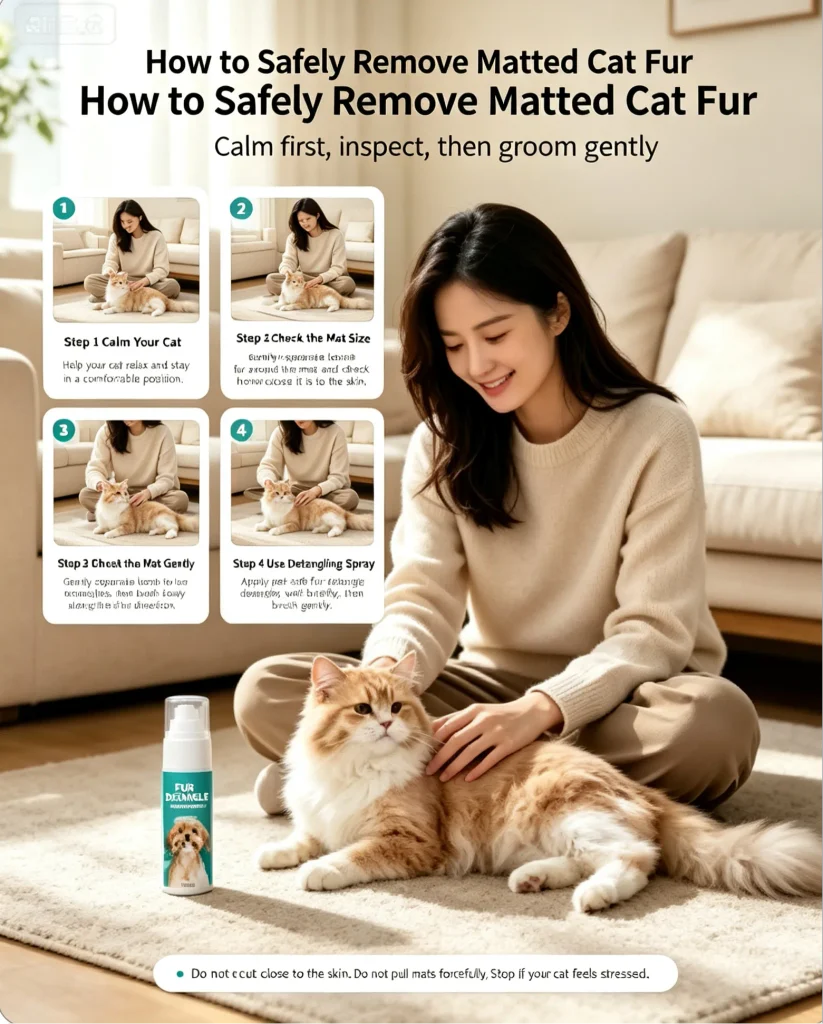
When dealing with dry or easily tangled fur, I personally like using a pet-safe detangling spray because it helps reduce friction and makes brushing much easier.
When choosing grooming products, I pay attention to whether the ingredients are gentle and suitable for my cat’s skin pH. Leave-in formulas are especially convenient for someone like me who is often busy with work but still wants to keep my cat’s coat clean and well cared for.
3. Do You Always Need to Cut Off Matted Cat Hair?
Not necessarily. Not every cat mat needs to be cut off.
When You Can Try Brushing It Out:
If the mat is small, not tightly attached to your cat’s skin, and your cat does not resist brushing, you can patiently try to loosen it little by little with the right tools.
When It’s Better to Remove It Professionally:
For severely matted cat hair that has formed a tight, felt-like clump and is stuck close to your cat’s skin, it may not be safe to brush it out at home. In these situations, it is better to have it handled by a professional groomer using proper tools.
VCA Animal Hospitals advises that mild mats can often be gently worked out at home with suitable grooming tools. However, if the mat is tightly attached to the skin, or your cat shows signs of pain or discomfort when touched, you should avoid pulling on it. Severe mats can make cats uncomfortable and may affect skin health, so it is best to seek help from a veterinarian or professional groomer in these cases.
4. How to Prevent Cat Hair From Matting? Follow a Regular Grooming Routine
● Make brushing part of your cat’s regular care routine. Long-haired cats usually need daily brushing, while short-haired cats can benefit from brushing several times a week, especially during shedding seasons.
● Pay attention to areas that are more likely to develop mats, such as behind the ears and under the armpits. Regularly checking and brushing these areas can help prevent serious matting caused by long periods without grooming.
● Maintain a proper bathing routine, use cat-specific shampoo, and always make sure your cat’s coat is completely dried after bathing.
● Provide your cat with proper nutrition to support healthy skin and fur.
● Keep up with regular internal and external parasite prevention.
● Maintain a comfortable indoor humidity level to help reduce static electricity, and keep your home clean and tidy.
5. Frequently Asked Questions About Matted Cat Hair
Is Matted Fur Painful for Cats?
Yes, it can be.
Mats can pull tightly on a cat’s skin, especially when they move, stretch, or roll around. Over time, this constant pulling can make cats feel uncomfortable or even painful.
Do Cats Feel Better After Mats Are Removed?
Yes, many cats feel much more comfortable after their mats are removed.
Matted fur can constantly pull on the skin and cause discomfort. Once the mats are carefully removed, many cats become more relaxed. Some cats may immediately start rolling around, stretching their bodies, or coming closer to their owners for attention, showing that they feel more comfortable and relieved.
Can Cats Get Rid of Their Own Matted Fur?
No, cats cannot remove already formed mats by themselves.
Cats can use grooming to clean loose hair on the surface of their coat, but their tongues cannot untangle tightly clumped fur. In some cases, repeated licking may even make the mat tighter and closer to the skin.
When Should You Consult a Veterinarian?
If you notice any of the following signs around your cat’s mats, avoid trying to forcefully brush them out or handle them yourself. It is best to consult a veterinarian:
● Redness or abnormal-looking skin around the mat
● A noticeable unpleasant odor
● Frequent licking, biting, or scratching at the matted area
● Wounds, scabs, or damaged skin underneath the mat
-
Sale!
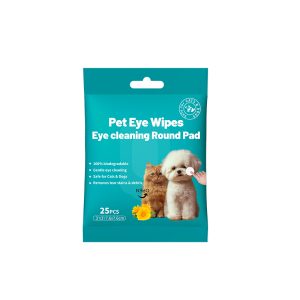
Gentle Neutral pH Round Pet Eye Wipes Tear Stain Removal
Original price was: $4.19.$3.99Current price is: $3.99. Add to cart -
Sale!
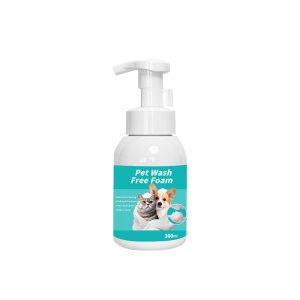
Pet Dry Cleaning Foam Stain Removal Fragrance Shampoo
Original price was: $7.19.$6.99Current price is: $6.99. Add to cart -
Sale!
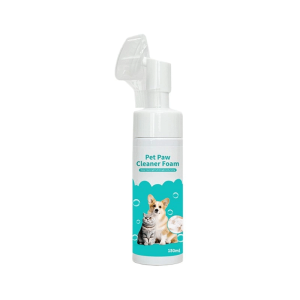
No-Rinse Pet Paw Cleaner Foam with Silicone Brush All-Year
Original price was: $7.12.$6.89Current price is: $6.89. Add to cart