
Maintaining a dog’s oral health is a crucial component of its overall health, but ordinary dog toys focus solely on entertainment and lack oral care benefits. Dog dental toys are pet products specifically designed for dogs, primarily utilizing their chewing instinct to clean their mouths through chewing. Unlike traditional plush or soft toys, dog dental toys feature specific textures, durable materials, and functional designs to ensure oral hygiene through interaction with the dog’s teeth and gums during daily play.
What are dog dental cleaning toys?

How do dog teeth-cleaning toys work?
Dog dental toys primarily clean teeth through physical and mechanical action during daily chewing and biting. When a dog bites into the textured rubber surface or chews on the woven rope fibers, the resulting physical friction helps loosen and remove loose food debris and plaque exposed on the teeth. Furthermore, the chewing action stimulates saliva production, a natural oral rinsing agent that helps wash away residual food particles.
Dog dental toys vs Regular dog toys
While regular dog toys are primarily used for training and relaxation through tossing and catching games, and are mainly designed to please dogs, specialized dog dental toys incorporate functional surface designs such as raised dots, ridges, grooves, and woven fibers.
Ordinary toys are easily torn and tend to accumulate moisture, but professional Dee rubber dog teeth cleaning toys are made of a tough, non-porous material that can withstand repeated biting while providing gentle mechanical contact to the dog’s teeth.
Are dental cleaning toys good for dogs?
Yes, if used and selected correctly, dental toys are very beneficial products for daily dog care. They provide a low-stress and easily accepted way for dogs to develop good chewing habits while promoting daily oral hygiene.
What benefits do teeth-cleaning toys offer?
Besides their basic entertainment function, dog dental toys also offer several daily health benefits:
- Cultivate positive chewing habits: Provide dedicated dental toys to redirect your dog’s natural chewing instincts to safe and sturdy objects, rather than furniture or personal items.
- Raise awareness of daily oral care: Regular chewing helps dogs get used to mouth movements and tactile pressure around their gums, making it easier for owners to perform manual oral examinations.
- Mental stimulation and play: Biting on textured surfaces can provide healthy cognitive stimulation and help reduce feelings of boredom and destructive behavior.
Can teeth-cleaning toys replace toothbrushes?
Dental toys should never be considered a complete replacement for a dog’s toothbrush. While dental toys can scrape away debris from the surface of teeth, they cannot clean below the gum line or reach the closely spaced gaps between molars. Dental toys should be considered as supplementary tools for daily oral care.
Types of dog dental cleaning toys
When choosing the best dental cleaning toys, understanding the different types of materials can help you select the right product based on your dog’s preferences and chewing habits.
Rubber dog teeth cleaning toys
Rubber dog dental toys are popular because they are made of flexible and durable synthetic or natural rubber compounds. They have good elasticity and flexibility, making them ideal for dogs with mild or severe chewing tendencies, providing a firm tactile feedback without causing severe impact to their teeth.
Rope Knot Teeth Cleaning Toy
Knot toys are made of tightly twisted cotton or synthetic yarn. When dogs chew on the knotted fibers, the material acts similarly to soft string, providing gentle surface friction against their front teeth and incisors. However, knot toys require close supervision to prevent dogs from swallowing loose threads.
Teeth cleaning toys
Dog chew toys are typically made of high-density nylon or tough rubber composites and are designed for sustained chewing. They usually have a shape that fits perfectly, allowing dogs to hold the toy with their paws and focus on grinding their molars.
Textured dog teeth cleaning toys
These toys feature raised dots, micro-grooves, or rubber bristles, specifically designed to create friction on the surface of teeth. Textured dog dental toys massage gums during daily play and provide a variety of physical sensations, keeping dogs interested for longer.
Teeth cleaning toys that dispense/hide food
This multi-functional dog teeth cleaning toy features a hollow center or deep side grooves, allowing owners to insert dog food, treats, or other food. It uses food as an incentive to prolong chewing time and maximize the production of natural saliva.
How to choose the right dog teeth cleaning toy
When choosing a dog’s dental cleaning toy, it is necessary to comprehensively evaluate the dog’s physiological characteristics, jaw structure, behavioral habits, safety, and practicality in order to find the most suitable dental cleaning toy for the dog.
Choose the appropriate size
Size selection is crucial for both comfort and safety. Toys that are too small pose a serious choking risk or may be swallowed whole; while toys that are too large may put extra strain on a dog’s jaw muscles, causing them to lose interest in playing. Therefore, when choosing dental toys for your dog, please make sure the toy is larger than the width of your dog’s open mouth.
Consider the dog’s chewing style
Dogs can generally be categorized into three different types of chewing:
- Mild biting type: Prefers soft rubber or flexible textured toys. They like to hold the toys in their mouths or gently lick them.
- Moderate biting type: Suitable for flexible rubber toys with a certain degree of deformation and elasticity, as well as rope combination toys.
- Heavy chewing type: requires thick and durable synthetic rubber, or hard, high-strength nylon dog dental toys designed to withstand strong bite forces.
Looking for dog-friendly materials
Prioritize materials that are non-toxic and free of BPA and phthalates. Look for materials that are both flexible and durable—when pressed firmly, the toy should dent slightly, rather than feeling as hard as cement.
Choose a design that your dog truly wants to use.
The best toys are those that dogs willingly play with. No matter how ingeniously designed a toy is, it’s useless if the dog completely ignores it. We can observe which shapes of toys our dogs prefer and choose products that match their tastes.
How to use dog dental toys
Properly introducing and maintaining dog dental toys can ensure long-term, safe, and durable use for your dog.
Introduce dog dental toys gradually
Don’t just throw a new toy on the ground and walk away. Show the toy to your dog when he is calm, and then you can use a simple toss and catch game to pique his interest, or you can gently hold the toy near his mouth so he can feel its texture and smell.
Let the dog chew at its own pace.
Chewing should always be a relaxed and voluntary activity. Never force toys into a dog’s mouth or force them to play immediately.
Allow your dog to explore toys at its own pace.
Clean toys regularly
Saliva, food residue, and floor dust can quickly accumulate on textured surfaces. Rubber and synthetic toys should be washed frequently with warm water and mild detergent, and rinsed thoroughly. Dishwasher-safe rubber toys can be placed on the top shelf for sterilization.
Replace toys promptly when they show signs of wear.
Regularly check the condition of the toy. If the rubber starts to crack, parts fall off, or knots become severely unraveled, discard the toy immediately and replace it with a new one to prevent your dog from accidentally ingesting foreign objects.
Choose a dental cleaning toy based on your dog’s specific needs.
Suitable for small dogs
Choose lightweight, small toys made of flexible materials with shallow grooves, which can easily fit their small mouths without causing jaw fatigue.
Suitable for large dogs
Choose toys with large diameters and high strength, and ensure they have sturdy structural walls to prevent them from being swallowed whole or getting stuck in the throat.
Suitable for puppies
puppy dental cleaning toy designed specifically for puppies . The material should be ultra-soft rubber or a material that can be chilled for cold compresses to relieve gum discomfort during the teething period .
Suitable for dogs with strong chewing ability
We are specifically looking for powerful chewable dog teething toys made of high-density natural rubber or ultra-durable composite materials , without any thin protrusions or easily broken sound-producing parts .
Suitable for dogs that get bored easily
Choose interactive toys that can be dispensed or multi-textured puzzle toys to provide rewarding intellectual challenges while chewing.
Comparison of dog dental toys with other oral care tools
Understanding the role of dental toys in the overall pet oral hygiene system can help owners create a comprehensive daily care plan.
| Nursing tools | Main function | Core advantages | limitation |
| Teeth cleaning toys | Daily enrichment and surface physical friction | Dogs are highly receptive, interactive, and stress-relieving. | Unable to reach below the gum line or in tight gaps |
| Manual brushing | The gold standard of mechanical cleaning | It can directly clean the gum line and the inner surface of teeth. | Training and the dog’s cooperation are required. |
| Dental wipes | Surface plaque removal for sensitive dogs | Gentle and easy to control precisely with your fingers | Difficulty in reaching the deep molars at the back |
| Dental chews/chewy snacks | Edible plaque reduction and fresh breath | Excellent taste and easy-to-digest formula | It will increase daily calorie intake; the chewing time is shorter. |
FAQ
Can puppies use dental toys ?
Yes ! Specialized puppy teething toys made of soft, flexible rubber are perfect for relieving teething discomfort and establishing positive chewing habits early in life.
Are rubber teeth-cleaning toys better than rope toys ?
Rubber toys are generally more durable, easier to sterilize, and safer to use under supervision. Knot toys offer excellent surface friction, but require constant supervision to ensure that loose threads are not swallowed.
How long should a dog chew on a dental toy each time ?
Once or twice a day for 10 to 20 minutes each time, is usually sufficient to provide adequate physical activity and mental stimulation without causing jaw muscle fatigue.
When should you replace your dog’s dental toys ?
If a dental cleaning toy is found to have cracks, loose parts, severely worn threads, or serious damage that affects its structural integrity, it should be replaced immediately.
-
Sale!
Cat Chin Blackhead Cleaning Wipes for Cats
Original price was: $11.19.$9.99Current price is: $9.99. Add to cart -
Sale!
Pet Deodorizing Spray 60ml – Portable Pocket Odor Remove
Original price was: $4.19.$3.99Current price is: $3.99. Add to cart -
Sale!
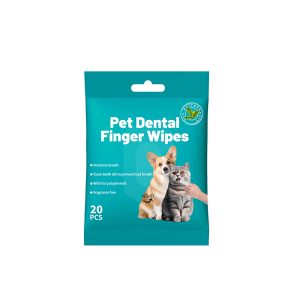
Pet Dental Finger Wipes Pouch – Fresh Breath for Dogs & Cats
Original price was: $3.29.$2.99Current price is: $2.99. Add to cart