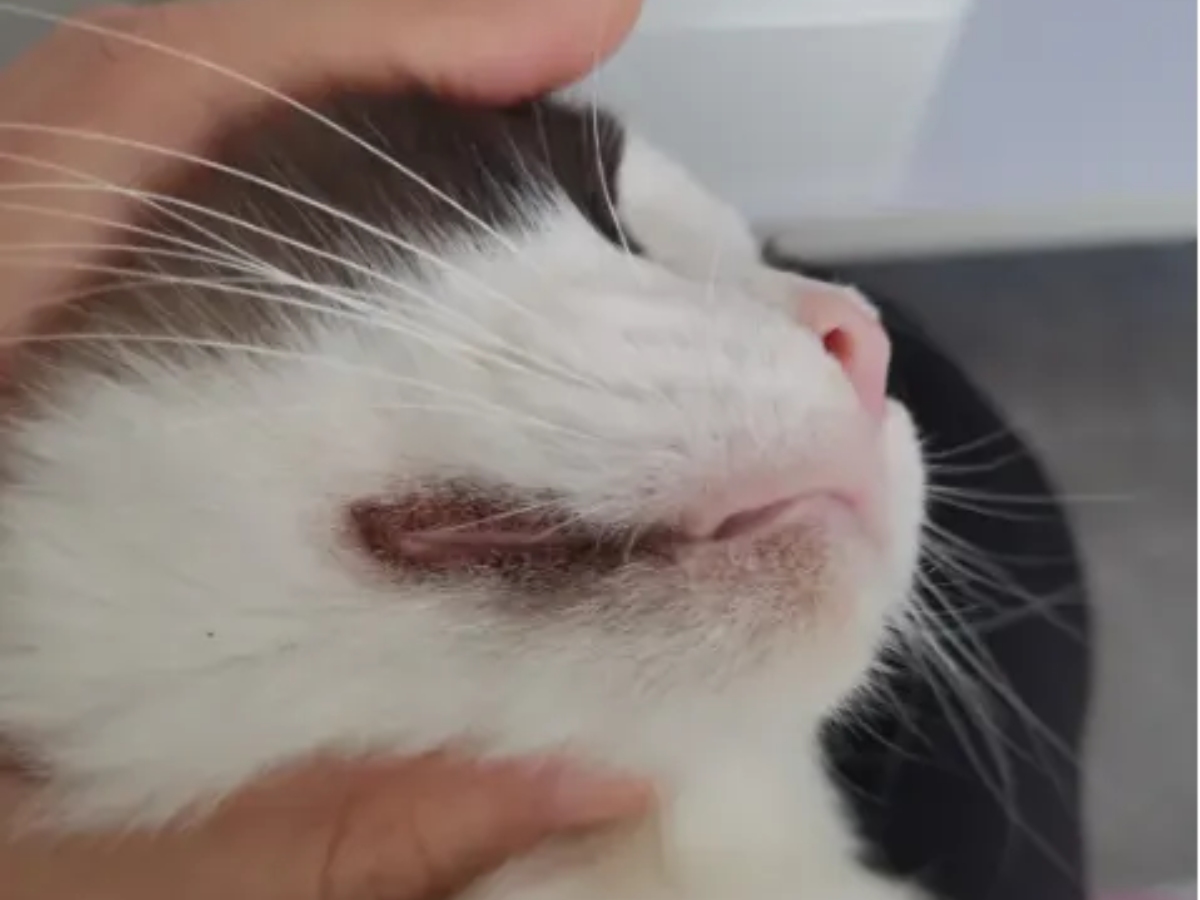

Have you ever attempted dog teeth brushing only to find yourself in a chaotic game of dodgeball? You grab the toothbrush, and suddenly your sweet, cuddly pup turns into a professional athlete—backing away, hiding behind the couch, or twisting their head like they’re saying, “Absolutely not today.”
If this sounds familiar, you’re not alone. Many owners assume their pets are just being stubborn, but dog teeth brushing is a completely unfamiliar experience for most pups. They aren’t born knowing that a toothbrush is safe—they need time, patience, and positive reinforcement to accept it.
The good news? Dog teeth brushing doesn’t have to feel like a daily struggle. With a gentle desensitization approach, you can easily turn dental care into a calm, rewarding bonding routine for both you and your dog.

Why Does My Dog Hate Tooth Brushing?
Before we blame our dogs for running away from the toothbrush, it helps to see things from their point of view.
Imagine someone suddenly putting a strange object near your mouth, rubbing it against your teeth, and expecting you to sit still without knowing what is happening. For many dogs, that is exactly how tooth brushing feels at first.
1. The Toothbrush Is a Strange Object
Dogs understand the world mainly through smell, touch, and experience. A toothbrush may look harmless to us, but to a dog, it is a completely unfamiliar tool.
The texture, movement, and sound of brushing can feel unusual. Some dogs may sniff it, lick it, or immediately walk away because they are simply trying to figure out: “What is this thing?”
This reaction does not mean your dog is stubborn. It is just a normal response to something new.
2. Their Mouth Is a Personal Space
Most dogs love being petted, but the mouth is different.
Having someone touch their lips, lift their gums, or place a brush near their teeth can feel uncomfortable — especially if they have never experienced it before.
Many dogs naturally protect sensitive areas of their body. Just like some dogs dislike having their paws handled or their nails trimmed, others need extra time before accepting mouth care.
3. They May Have Learned to Avoid It
Dogs are excellent at making connections. If the first few attempts at brushing involved holding them still, chasing them around the house, or forcing the toothbrush into their mouth, they may quickly associate the toothbrush with stress. Soon, the toothbrush itself becomes the signal: “Something uncomfortable is about to happen.” That is why some dogs start hiding the moment they see the toothbrush.
4. They Need a Routine, Not a Battle
One of the biggest mistakes owners make is expecting their dog to accept tooth brushing immediately. For most dogs, dental care is not something they naturally understand. It is a habit that needs to be introduced slowly and positively. A successful dental routine is less about forcing your dog to cooperate and more about helping them feel safe.
The 4-Step Desensitization Method
If your dog runs away every time you pick up a toothbrush, the solution is not to chase them around the house.
The secret is to change the way your dog thinks about dental care. Instead of making tooth brushing a stressful event, turn it into a simple bonding activity — something that feels more like a gentle petting session than a cleaning routine.
Step 1: Start With Touch, Not the Toothbrush
Before introducing any tools, help your dog become comfortable with having their mouth area touched. Start with something your dog already enjoys, such as gentle petting around the head, cheeks, and chin. When your dog stays relaxed, offer praise or a small reward.
The goal is simple:
“Hands near my mouth = good things happen.”
Do not rush this step. For some dogs, especially those who are not used to handling, building this comfort can take several days or even longer.
Step 2: Let Your Dog Investigate the Toothbrush
The first introduction to a toothbrush should not involve brushing. Let your dog sniff it, look at it, or even lick it if they want. You can place a small amount of dog-friendly toothpaste on the brush and allow your dog to explore the taste. This helps remove the mystery. Instead of: “Here comes the scary toothbrush.” Your dog starts thinking: “Oh, this thing brings interesting smells and rewards.”
Step 3: Practice Short “Pretend Brushing” Sessions
Once your dog accepts the toothbrush, begin with very short sessions. You do not need to brush every tooth on the first try. A few gentle touches along the outside of the teeth are enough at the beginning.
Keep the experience positive:
- Stay calm
- Use a happy voice
- Stop before your dog becomes uncomfortable
Ending the session early while your dog is still relaxed is often better than pushing until they resist.
Step 4: Build It Into a Daily Bonding Routine
The easiest habits are the ones that become part of everyday life. Try connecting dental care with moments your dog already enjoys:
- After a walk
- During cuddle time
- Before a favorite activity
- As part of a nighttime routine
Over time, your dog learns that dental care is not a strange event — it is simply another way you spend time together.
Remember: Progress Matters More Than Perfection
Some dogs accept tooth brushing within a few days. Others need weeks of gentle practice. The goal is not to “win” against your dog. The goal is to create a routine where your dog feels safe, comfortable, and rewarded.
Alternatives If Your Dog Refuses Brushing: Simple Dental Care Options That Still Help
Let’s be honest — some dogs treat a toothbrush like their greatest enemy.You may have followed all the training steps, introduced the toothbrush slowly, and tried your best to make the experience positive. But your dog still turns away, hides, or refuses to cooperate.
If that sounds familiar, don’t feel discouraged. The goal of dental care is not to win a battle with your dog. It is to create a healthy routine that works for both of you.
While brushing remains one of the most direct ways to care for your dog’s teeth, there are other everyday options that can support your dog’s dental habits. Think of these alternatives as helpful tools — not magic replacements.
1. Dental Chews and Chewing Toys: Making Dental Care Fun
Many dogs naturally love chewing. Instead of seeing chewing as a problem, owners can use that natural behavior as part of a daily routine.
Dental chews and chew toys can provide:
- A fun activity to reduce boredom
- A way for dogs to satisfy their natural chewing instincts
- Gentle physical contact between chewing surfaces and teeth
For many dogs, chewing is not just about their mouth — it is also entertainment and mental stimulation.
The key is choosing products that match your dog’s size, chewing style, and preferences.
A small dog who gently chews may need something very different from a powerful chewer who destroys toys in minutes.
Remember: A dental chew is a fun addition to your dog’s routine, not a replacement for regular dental care.
2. Dental Wipes and Finger Wipes: A Faster Option for Busy Owners
Some dogs dislike toothbrushes because the tool itself feels unfamiliar. Dental wipes can be a simpler introduction because they feel more like gentle handling rather than brushing.
They can be useful for:
- Dogs that avoid toothbrushes
- Puppies learning to accept mouth handling
- Owners who travel frequently
- Quick daily care when time is limited
For many owners, wipes are a practical middle step:
First → get your dog comfortable with mouth touching
Then → introduce wipes
Later → try brushing again if your dog becomes more relaxed
Sometimes the easiest routine is the one you can actually maintain.
3. Water Additives: The “Set It and Forget It” Option
For owners looking for maximum convenience, water additives are another popular choice. These products are designed to be added to your dog’s water bowl as part of their normal daily routine.
Many owners like them because:
- There is no extra brushing session
- They are easy to include in everyday life
- They can help support fresher breath
However, they should be viewed as a supportive tool rather than a complete substitute for brushing.
The Best Dental Routine Is the One Your Dog Will Accept
Every dog has a different personality. Some dogs happily open their mouths for brushing. Others need a slower approach or prefer alternative options. The most important thing is consistency.
A routine that your dog enjoys and that you can maintain long term is often more successful than a “perfect” routine that creates stress for both of you.
Dental chews (VOHC), wipes, and water additives are not shortcuts — they are simply different ways to make everyday dental care easier, more convenient, and more enjoyable for you and your dog.
How Often Should You Brush Your Dog’s Teeth?
One of the biggest questions dog owners have is: “How often should I brush my dog’s teeth?”
The answer is not just about a number. The real goal is building a routine that feels natural for both you and your dog. Dental care works best when it becomes a normal part of everyday life — just like feeding time, walks, or cuddle time.
The Ideal Goal: Once a Day
For many dog owners, brushing once a day is the ideal routine. Think about how humans build habits. We do not brush our own teeth once a month and expect it to become part of our lifestyle. The same idea applies to dogs. A short, calm brushing session each day can help your dog see dental care as a normal activity instead of a special event. The goal is not to make every session perfect.
The goal is simply:
“Let’s make this a normal part of our day.”
New to Dog Teeth Brushing? Start With 2–3 Times a Week
If your dog has never experienced tooth brushing before, jumping straight into a daily routine may feel overwhelming. For beginners, a few positive sessions each week can be a better starting point.
This allows your dog to gradually learn:
- Having their mouth touched is safe
- The toothbrush is not something scary
- Dental care can be a rewarding experience
Remember, building trust is more important than forcing a perfect schedule from day one.
A dog who happily accepts brushing two or three times a week is already making great progress.
Consistency Matters More Than Perfection
Many owners quit because they feel they are not doing enough.
- Maybe they miss a day.
- Maybe their dog refuses one session.
- Maybe the routine is not perfect.
That is completely normal.
Successful dental care is not about having a flawless schedule. It is about creating a habit that you and your dog can continue long term. A simple routine you enjoy together is often better than a complicated plan that creates stress.
Make Tooth Brushing Feel Like Bonding Time
The easiest habits are the ones connected to positive experiences. Try making dental care part of moments your dog already enjoys:
- After a walk
- During quiet evening time
- Before a favorite treat
- As part of your regular grooming routine
When brushing becomes associated with attention, praise, and comfort, your dog is more likely to accept it.
A Simple Routine for Different Stages
Every dog starts from a different place.
New to brushing:
- Practice touching the mouth area
- Introduce the toothbrush slowly
- Focus on positive experiences
Getting comfortable:
- Brush a few times per week
- Keep sessions short
- Reward cooperation
Established routine:
- · Work toward daily brushing if possible
- · Keep the experience calm and predictable
The Best Schedule Is the One You Can Maintain
There is no single routine that works perfectly for every dog. Some dogs quickly accept daily brushing. Others need more time and patience. The most important thing is to create a positive habit that fits your lifestyle. Because when dental care feels like a normal part of life — instead of a stressful chore — both you and your dog are more likely to stick with it.
FAQ
Can I just use human toothpaste?
Absolutely not! Human toothpaste produces a lot of foam and contains strong, intense flavors like mint. Because dogs can’t spit or rinse, swallowing it can easily cause stomach upset. On top of that, the overpowering smell of mint can overwhelm sensitive dogs and give them a lasting aversion to brushing altogether.
What’s the best age to start building this habit?
The prime golden period is during puppyhood (around 2 to 4 months old). At this stage, it’s mostly about getting them used to the feeling of having their mouth handled. But if your pup is already all grown up, don’t worry—it’s never too late! As long as you follow the desensitization steps above, adult dogs can learn just as easily.
What if my dog swallows all the pet toothpaste?
No need to worry at all! High-quality pet toothpaste is formulated specifically to be safe for consumption. Swallowing it isn’t just completely harmless—it’s actually the “secret weapon” that motivates your pup to cooperate during training!
Conclusion
At its core, brushing your dog’s teeth is a bonding ritual built on trust. As long as you let go of the pressure to achieve “perfection” every single time and approach it with patience and a light heart, you’ll find that this once-chaotic ordeal can transform into one of the sweetest, most comforting moments of your daily routine together.
-
Sale!

Gentle Neutral pH Round Pet Eye Wipes Tear Stain Removal
Original price was: $5.98.$2.99Current price is: $2.99. Add to cart -
Sale!

disposable antibacterial dog wipes eliminate odors suitable for ears/paws/underbody areas relieving itching
Original price was: $4.29.$2.99Current price is: $2.99. Add to cart -
Sale!
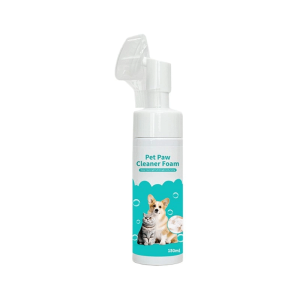
150ml No-Rinse Pet Paw Cleaner Foam – Waterless Paw Washer
Original price was: $7.19.$5.99Current price is: $5.99. Add to cart