

Table of Contents
For today’s pet parents, keeping a dog’s coat clean, soft, and fresh-smelling is an important part of everyday care. A healthy coat starts with proper nutrition, regular brushing, and an appropriate bathing routine. However, according to guidelines from the ASPCA, most healthy dogs do not require frequent baths.
So how can you keep your dog smelling fresh and looking well-groomed between baths?
This is where grooming sprays can be incredibly useful. While they should never replace essential grooming practices, the right dog grooming spray can make brushing easier, reduce static and frizz, and help maintain a healthy-looking coat between full grooming sessions.
In this guide, we’ll help you choose the grooming spray that best suits your dog’s needs. The best dog grooming spray isn’t necessarily the most expensive one—it’s the product that effectively addresses your dog’s specific coat condition, skin sensitivity, and daily grooming routine.
Understanding the Deep Differences Between Dog and Human Skin
A dog’s skin is significantly different from human skin, which is why products designed for people should never be used as a substitute for pet grooming products.
Differences in Skin pH
A dog’s skin is typically neutral to slightly alkaline, with a pH ranging from approximately 6.2 to 7.5. Human skin, by comparison, is naturally more acidic, averaging around pH 5.5.
Using human grooming products on dogs can disrupt their natural skin balance, weaken the protective skin barrier, and increase the risk of irritation and microbial imbalance.
Differences in Skin Thickness
Canine skin is considerably thinner and more delicate than human skin. While human skin generally consists of 10–15 cell layers, a dog’s skin often contains only 3–5 layers.
Because of this, dogs are more susceptible to irritation from ingredients such as alcohol, artificial fragrances, concentrated essential oils, and other harsh chemicals.
High-quality grooming sprays formulated specifically for dogs are designed with these differences in mind, helping minimize the risk of skin irritation while supporting healthy coat maintenance.
Choosing the Right Dog Grooming Spray for Your Needs
When picking a grooming spray, don’t just blindly follow trends; different types of sprays yield varying results for different coat types and specific grooming needs. To help you quickly find the perfect match for your pup, we’ve organized the table below, mapping out spray types, ideal breeds, usage scenarios, and recommended ingredients at a glance:
| Spray Type | Best For | When to Choose It | Key Ingredients to Look For |
| Detangling Spray | Poodles, Doodles, Maltese, Yorkshire Terriers | Frequent matting and tangling; brushing causes pulling or discomfort | Aloe vera, hydrolyzed silk protein, vegetable glycerin |
| Deodorizing Spray | Labrador Retrievers, Basset Hounds, active outdoor dogs | Coat develops odor between baths | Zinc ricinoleate, gentle botanical distillates |
| Quick-Dry Spray | Siberian Huskies, Golden Retrievers, Newfoundlands | Thick double coats that take a long time to dry after bathing | Cosmetic-grade volatile silicones (safe, fast-evaporating ingredients that cut drying time without leaving heavy residue), specialized polymers |
| Conditioning Spray | Dogs with dry skin, brittle coats, or dandruff | Dull coats, dry winter weather, flaky skin | Oat extract, panthenol (Pro-Vitamin B5), jojoba oil |
| Shine & Finishing Spray | Show dogs and freshly groomed dogs | Enhancing coat shine and reducing static | Lightweight conditioning proteins, chamomile extract |
If your focus is specifically on coat repair, softness, and long-term hydration, you may also find this guide useful on how to choose the best dog hair conditioner for dogs, which explains how conditioners work together with grooming sprays in a complete coat-care routine.
Ingredients to Avoid in Dog Grooming Spray
Through professional grooming and home care experience, we’ve found that many pet owners notice skin redness, itching, or coat dryness when using sprays containing certain ingredients. To help you avoid these common headaches, here is a summary of key ingredients to avoid and their potential risks:
| Ingredient | Potential Risk | Empirical Observation / Field Notes |
| Artificial Fragrances & Dyes | Contact dermatitis, skin allergies, respiratory irritation | Most long-haired dogs develop minor red spots on their head or back after using fragranced sprays; continued use can worsen skin sensitivity |
| Isopropyl Alcohol | Dry skin, strips the sebum layer, potential toxicity if licked | If alcohol-containing sprays are frequently used during home blow-drying, the undercoat dries out, making the dog prone to scratching |
| Parabens | Long-term exposure risks | Though it doesn’t cause an immediate skin reaction, long-term use may have potential effects on a sensitive dog’s hormone levels |
| High-Concentration Essential Oils | Tea tree oil, ylang-ylang oil, and peppermint oil can cause neurological or liver damage | Some small dogs exhibit vomiting or lethargy immediately after being sprayed directly with products containing concentrated essential oils; stop use immediately |
| Phthalates | Potential risks; should be strictly avoided for puppies or pregnant dogs | Long-term exposure in puppies or pregnant dogs may impact development or skin tolerance |
In practice, even low concentrations of fragrance or alcohol can trigger minor skin reactions, especially in long-haired, sensitive, or young dogs. Therefore, when choosing a dog grooming spray, it’s highly recommended to prioritize fragrance-free, low-irritant, dog-specific formulas. Always perform a patch test on a small area of the coat or the belly before the first use, and observe for 24 hours for any adverse reactions.
How Professional Groomers Use Sprays
To professional groomers, dog grooming sprays are an indispensable asset in their routine, making the entire grooming process significantly more efficient.
Professional Grooming Workflow
- Pre-Bath Brushing: Untangle loose matts and check the dog’s skin for wounds, hot spots, or external parasites.
- Bathing and Thorough Rinsing: Use a pH-balanced, mild, pet-specific shampoo to wash the entire body, then rinse multiple times to ensure no soap residue remains. This prevents residual shampoo from irritating the dog’s skin. Notably, as emphasized by the AKC Bathing Guidelines, try to avoid the dog’s head when applying shampoo; simply use a damp cloth to gently wipe away dirt and debris from the face.
- Targeted Spray Application: Apply a targeted-benefit spray while the coat is damp (half-dry) to lock in moisture effectively.
- Blow-Drying and Styling: Use a high-velocity dryer to dry the coat, then finish with a shine or styling spray to minimize the risk of static and frizz.
Pro-Tips for Using Grooming Sprays on Different Coat Types
During routine grooming, many owners find that how you apply the product matters just as much as the product itself. Even if you pick the right spray, incorrect application can leave the coat greasy, overly damp, or difficult to brush. Conversely, when the spray type matches the coat’s unique characteristics, it elevates grooming efficiency and enhances the coat’s condition.
Below are the core usage techniques compiled from common grooming practices for different coat types:
- Short, Smooth Coats (e.g., Labradors, Boxers, Beagles)
Lightly mist from about 12 inches (around 30 cm) above the coat. Use a rubber grooming mitt or a bristle brush to comb in the direction of hair growth, working the product down to the skin surface while efficiently removing dead hair and dander.
- Double Coats (e.g., Huskies, German Shepherds, Pomeranians)
Section the thick coat horizontally (the line-brushing method), then gently spray and brush through the undercoat section by section. Never completely soak the undercoat, as trapped moisture against the skin can trigger fungal issues.
- Long, Silky, or Curly Coats (e.g., Poodles, Doodles, Maltese)
Never dry-brush this type of coat. You must lightly mist the tangled areas first, divide them into small sections, and use a steel comb to gently brush from the tips of the hair working your way up to the roots. This avoids aggressive pulling that hurts the dog and causes hair breakage.
Safe DIY Dog Grooming Sprays
Many pet parents consider DIY dog grooming sprays, especially those wanting to avoid artificial fragrances and preservatives. However, because homemade formulas lack stability testing and a preservative system, proper preparation and storage conditions are crucial. Here are two common household recipes—one for hydration and one for deodorizing:
Recipe A: Soothing Hydration Spray (For Dry Skin)
Ingredients: 2 cups distilled water, 1 tbsp pure organic aloe vera gel (alcohol-free), 1 tsp plant glycerin.
Preparation & Use: Pour into a sterilized spray bottle and shake well before each use. Since it contains no chemical preservatives, store it in the refrigerator and use it within 2 weeks. If you notice any discoloration or an unusual odor, discard it immediately.
Recipe B: Apple Cider Vinegar Deodorizing Spray
Ingredients: 2.5 cups distilled water, 0.5 cup natural, unfiltered raw apple cider vinegar (ACV).
Preparation & Use: Mix thoroughly. Spray onto your hands or a clean cloth, then wipe down your dog’s back and torso.
Warning: Strictly avoid any open wounds, scratches, or irritated skin, as the vinegar will cause a sharp, stinging pain.
Friendly Reminder
Many DIY beginners learn this the hard way: making a massive batch all at once that can’t be stored long-term, leading to pure waste.
As a veteran dog owner, I highly recommend making DIY sprays in small batches. This is both safer and ensures the freshness and efficacy of the product. Another critical point: always do a small patch test first and observe your dog for 24 hours for any adverse reactions. Moving forward, if your dog experiences persistent skin irritation, constant scratching, or stubborn, recurring odors, stop use immediately and consult a professional veterinarian.
FAQ
Can I use human “men’s grooming spray” on my dog?
Absolutely not. As mentioned in the opening section, human skin is naturally acidic (pH ~5.5), whereas a dog’s skin is close to neutral or weakly alkaline (pH 6.2–7.5). Human products will rapidly strip a dog’s natural protective sebum layer, increasing the risk of skin irritation and microbial imbalance.
Why does my dog smell bad again so soon after using a name-brand deodorizing spray?
If the odor returns within 24 hours, it is usually an underlying health issue rather than a product failure—such as an ear infection, clogged anal glands, periodontal disease, or a yeast infection on the skin. You should consult a veterinarian.
How often should I use a dog grooming spray?
It depends on the purpose of the spray. Lightweight detangling and hydrating sprays can be used daily during your normal brushing routine. However, heavy deodorizing or heavily fragranced sprays should be limited to 1–2 times a week to avoid overwhelming your dog’s sensitive sense of smell or causing buildup.
Can puppies have allergic reactions?
Yes, they can. It’s recommended to use fragrance-free, low-irritant sprays specifically formulated for puppies. For the first application, always perform a 24-hour patch test on the belly to ensure the spray is safe for your puppy.
Final Thoughts
The key to getting the best results from a grooming spray is matching the product to your dog’s specific coat type, rather than blindly following trends or buying into marketing hype. Choosing the right dog grooming spray and applying it correctly—combined with regular brushing and a proper bathing routine—will keep your dog’s coat healthy, shiny, and soft for the long haul, making grooming a breeze for both of you.
Disclaimer
This article is for informational purposes only and is not veterinary advice. Always test grooming products on a small area first and stop use if your dog shows irritation. For persistent skin issues, unusual odor, or health concerns, consult a licensed veterinarian.
Related products
-
Sale!
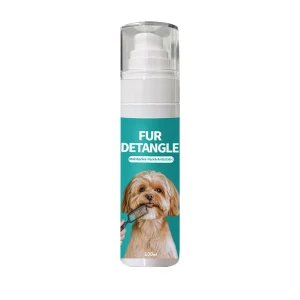
Multipurpose pet hair cleansing spray anti-static for detangling knots
$7.98Original price was: $7.98.$3.99Current price is: $3.99. Add to cart -
Sale!

Gentle Neutral pH Round Pet Eye Wipes Tear Stain Removal
$4.99Original price was: $4.99.$1.99Current price is: $1.99. Add to cart -
Sale!
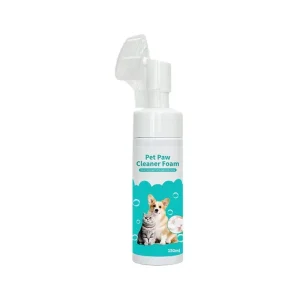
Foaming dog body cleaner with a silicone brush for pet paws no rinsing
Rated 5.00 out of 5$8.98Original price was: $8.98.$4.49Current price is: $4.49. Add to cart
Related articles
How to Make a Cat Happy? Simple Things I Do Every Day
Wondering how to make a cat happy? Here are simple things I do every day to help my cat feel safe, comfortable, and loved.
Do Dogs Have a Sense of Time?
Do dogs have a sense of time? Learn how dogs use routines, light, smells, and daily habits to understand their world and anticipate what comes next.
How to Clean Your Dog’s Teeth Without Brushing: Simple Daily Methods
Wondering how to clean dog teeth without brushing? Here are simple, everyday dental care tips I use for dogs who aren't fans of toothbrushes.