

Table of Contents
If your dog’s coat feels dry, tangles easily, or still looks dull after a bath, the problem may not be the shampoo.
Many pet owners focus solely on getting their dogs clean while overlooking an equally important step: dog hair conditioner. Shampoo is designed to remove dirt, debris, and excess oils. But if you want your dog to have a healthy, soft, and manageable coat, a quality dog conditioner is essential. It helps lock in moisture, improve coat smoothness, and reduce friction between hair strands.
This is especially important for long-haired, curly-coated, double-coated, or tangle-prone dogs. A good conditioner can make grooming easier, more comfortable, and less stressful while keeping your dog’s coat soft and manageable between baths.
In this guide, you’ll learn what dog conditioner does, which dogs benefit from it the most, how to choose the right formula, and how to avoid common grooming mistakes.
What Is Dog Hair Conditioner?
Dog conditioner is a grooming product designed to improve the texture, appearance, and manageability of your dog’s coat after bathing.
Unlike shampoo, which focuses on cleansing, a high-quality conditioner offers several additional benefits:
- Restores moisture to dry coats
- Improves softness and natural shine
- Helps reduce tangles and matting
- Minimizes static and frizz during dry weather
- Makes brushing and grooming easier and more efficient
Does Your Dog Really Need Dog Hair Conditioner?
Not every dog requires conditioner after every bath. However, for certain coat types, it can make a significant difference in coat health and maintenance.
Dogs That Benefit Most from Conditioner
- Long-haired breeds such as Shih Tzus, Yorkshire Terriers, Maltese, and Afghan Hounds
- Curly-coated breeds such as Poodles, Bichon Frises, and Poodle mixes
- Double-coated breeds such as Siberian Huskies, Golden Retrievers, and Samoyeds
- Dogs that frequently develop tangles around the ears, legs, chest, or tail
Signs Your Dog May Need Conditioner
Your dog may benefit from a conditioning treatment if:
- The coat feels rough, dry, or brittle
- The fur looks dull after bathing and drying
- Brushing frequently leads to snags and resistance
- Dry weather causes excessive static or frizz
Comparing the Most Common Types of Dog Hair Conditioners
Several types of dog conditioners are commonly available today, including rinse-out conditioners, leave-in conditioners, conditioning sprays (you can learn more in our guide on choosing the best dog conditioning spray), and detanglers.
Based on years of personal dog grooming experience and common feedback shared by dog owners across online communities such as Reddit, the table below provides a practical comparison of the most popular conditioner types and when each one works best.
| Feature | Conditioning Spray | Leave-In Conditioner | Rinse-Out Conditioner | Detangler |
| Daily Use | Excellent | Very Good | Not Recommended for Daily Use | Occasional Use Only |
| Deep Moisturizing | Moderate | Very Good | Excellent | Very Good |
| Detangling Ability | Very Good | Very Good | Moderate | Excellent (for stubborn mats) |
| Convenience | Excellent | Very Good | Moderate | Very Good |
| Requires Bathing | No | No | Yes | No |
| Best For | Quick coat refreshes between baths | Routine coat maintenance | Deep hydration and coat repair | Removing stubborn mats and tangles |
How to Choose the Best Dog Hair Conditioner
Start with Your Dog’s Coat Type
According to grooming recommendations from VCA Animal Hospitals, different coat types require different levels of care. Dogs with continuously growing hair or thicker coats typically need more frequent grooming and conditioning to keep their coats healthy and manageable.
Over the years, I’ve found that choosing a conditioner based on coat type is one of the easiest ways to improve grooming results. The chart below outlines the conditioner types I typically recommend for different coat textures, helping you find the best match for your dog’s specific needs.
| Coat Type | Common Breeds | Recommended Conditioner Type |
| Long Coat | Shih Tzu, Yorkshire Terrier, Maltese, Afghan Hound | Moisturizing conditioner with detangling properties |
| Curly Coat | Poodle, Bichon Frise, Irish Water Spaniel | Deep-conditioning, anti-frizz formula |
| Double Coat | Golden Retriever, Samoyed, Siberian Husky, Border Collie | Lightweight rinse-out conditioner with no residue |
| Short Coat | Pug, Labrador Retriever, Chihuahua, French Bulldog | Lightweight conditioning spray |
| Wire Coat | Schnauzer, Wire Fox Terrier, West Highland White Terrier | Occasional use of a lightweight conditioner to preserve coat texture |
| Matted Coat | Any neglected long-haired, curly-coated, or heavily feathered breed | High-slip detangling conditioner |
Look for High-Quality Ingredients
The ingredients in a dog hair conditioner often determine how effective it will be.
Aloe Vera
Aloe vera provides deep hydration for the skin and coat. It is also known for its soothing and calming properties, making it a great option for dogs with sensitive skin.
Oatmeal
Oatmeal is especially beneficial for dogs with dry or itchy skin. It helps form a protective barrier that locks in moisture and reduces irritation.
Coconut Oil and Shea Butter
These ingredients are rich in fatty acids that help smooth the hair shaft, improve manageability, and restore softness and shine to dry coats.
Vitamin E
Vitamin E is a powerful antioxidant that helps protect skin cells from environmental stress, supports healthy hair follicles, and may help strengthen the coat against breakage.
Ingredients to Avoid
To minimize the risk of skin irritation and sensitivities, try to avoid products that contain:
- Excessive artificial fragrances
- Artificial dyes
- Drying alcohols
- Harsh sulfates
Gentle, pet-specific formulas are usually the safest choice for routine grooming.
How to Use Dog Hair Conditioner Correctly
Using a quality conditioner is only half the equation. Proper application can make a significant difference in the final results.
Step 1: Start with a Thoroughly Clean Coat
Before applying conditioner, make sure all dirt, debris, excess oil, and shampoo residue have been completely removed.
Step 2: Remove Excess Water
Gently squeeze excess water from your dog’s coat before applying conditioner.
If the coat is still dripping wet, the product may become diluted and slide off before it has a chance to work effectively.
Step 3: Focus on the Hair, Not the Skin
Work the conditioner primarily through the mid-lengths and ends of the coat.
Unless you’re using a medicated or skin-conditioning formula specifically designed for direct skin application, avoid applying large amounts directly to the skin, as residue buildup may occur.
Step 4: Let It Sit for 3–5 Minutes
Don’t rinse immediately.
Allow a rinse-out conditioner to remain on the coat for three to five minutes so the conditioning ingredients have time to penetrate the hair shaft.
This is also a great opportunity to give your dog a relaxing massage.
Step 5: Rinse Thoroughly
Unless you’re using a leave-in product, rinse thoroughly with lukewarm water until the coat feels clean and residue-free.
Step 6: Dry and Brush at the Same Time
While blow-drying—or when the coat is about 70% to 80% dry—use a slicker brush or pin brush to gently brush through the coat.
This technique helps create a smoother, fuller finish and reduces the likelihood of new tangles forming.
Once the coat is completely dry, perform one final brushing session to ensure no knots remain.
Pro Tip
Pay extra attention to areas that experience frequent friction, as these are often the first places where mats develop.
Common trouble spots include:
- Behind the ears
- Under the front legs
- Around the collar area
- The chest
- The tail
Four Common Mistakes Pet Owners Make
Using Human Hair Products
The American Kennel Club’s grooming guidelines emphasize that you should never use human grooming products on dogs. Instead, always use veterinarian-approved products specifically formulated for canines.
Using Too Much Product
More conditioner doesn’t necessarily mean better results.Overapplication can leave the coat heavy, greasy, and difficult to dry.
Failing to Rinse Thoroughly
Conditioner residue can leave a film on the coat that attracts dirt and debris, causing the coat to become dirty more quickly.
Choosing Based on Fragrance Alone
A strong floral or fruity scent may indicate a high concentration of artificial fragrance.When selecting a conditioner, ingredients and performance are far more important than scent.
DIY Dog Hair Conditioner: Is It Worth Trying?
Some pet owners look for homemade conditioning recipes as a more natural alternative.
Common DIY ingredients include oatmeal, aloe vera, and coconut oil.
While homemade mixtures may temporarily soften the coat, they are often less balanced than professionally formulated products. Consistency, rinseability, and long-term performance can vary significantly from batch to batch.
For dogs with sensitive skin, chronic tangles, or ongoing grooming needs, professionally formulated dog conditioners are generally the safer and more predictable option.
FAQ
What Can I Use to Moisturize My Dog’s Coat?
The safest option is a conditioner specifically formulated for dogs. These products are designed to support coat health without disrupting your dog’s skin barrier.
Can Puppies Use Conditioner?
Yes. However, choose a product that is clearly labeled as safe for puppies and avoid getting the product near the eyes, ears, nose, or mouth.
Does Conditioner Help Reduce Shedding?
Conditioner will not stop normal seasonal shedding. However, it can help loosen dead hair and make brushing more effective, which may reduce the amount of loose fur left around your home.
Can Conditioner Remove Severe Mats?
Conditioners and detangling sprays can help with mild to moderate tangles.However, severe mats that are tightly packed against the skin should be handled by a professional groomer. Attempting to pull them apart or cut them out at home can increase the risk of skin injury.
Disclaimer
This article is for educational and grooming information purposes only and is not intended to replace professional veterinary advice. If your dog has persistent skin irritation, excessive itching, hair loss, or other health concerns, consult your veterinarian for proper diagnosis and treatment.
Final Thoughts
Dog conditioner is far more than an optional finishing step after a bath. It is an important grooming tool that helps maintain coat quality, improve comfort, and prevent painful tangles from developing.
By understanding your dog’s coat type, choosing high-quality ingredients, and paying special attention to mat-prone areas, you can achieve professional-looking grooming results at home and keep your dog’s coat looking and feeling its best between baths.
Related products
-
Sale!
Gentle Neutral pH Round Pet Eye Wipes Tear Stain Removal
$5.98Original price was: $5.98.$2.99Current price is: $2.99. Add to cart -
Sale!
disposable Multipurpose pet Body cleaning glove Wipes
$9.44Original price was: $9.44.$4.72Current price is: $4.72. Add to cart -
Sale!
10 Pcs Individually Wrapped Dog Wipes – Portable Travel Size
$3.59Original price was: $3.59.$2.99Current price is: $2.99. Add to cart
Related articles
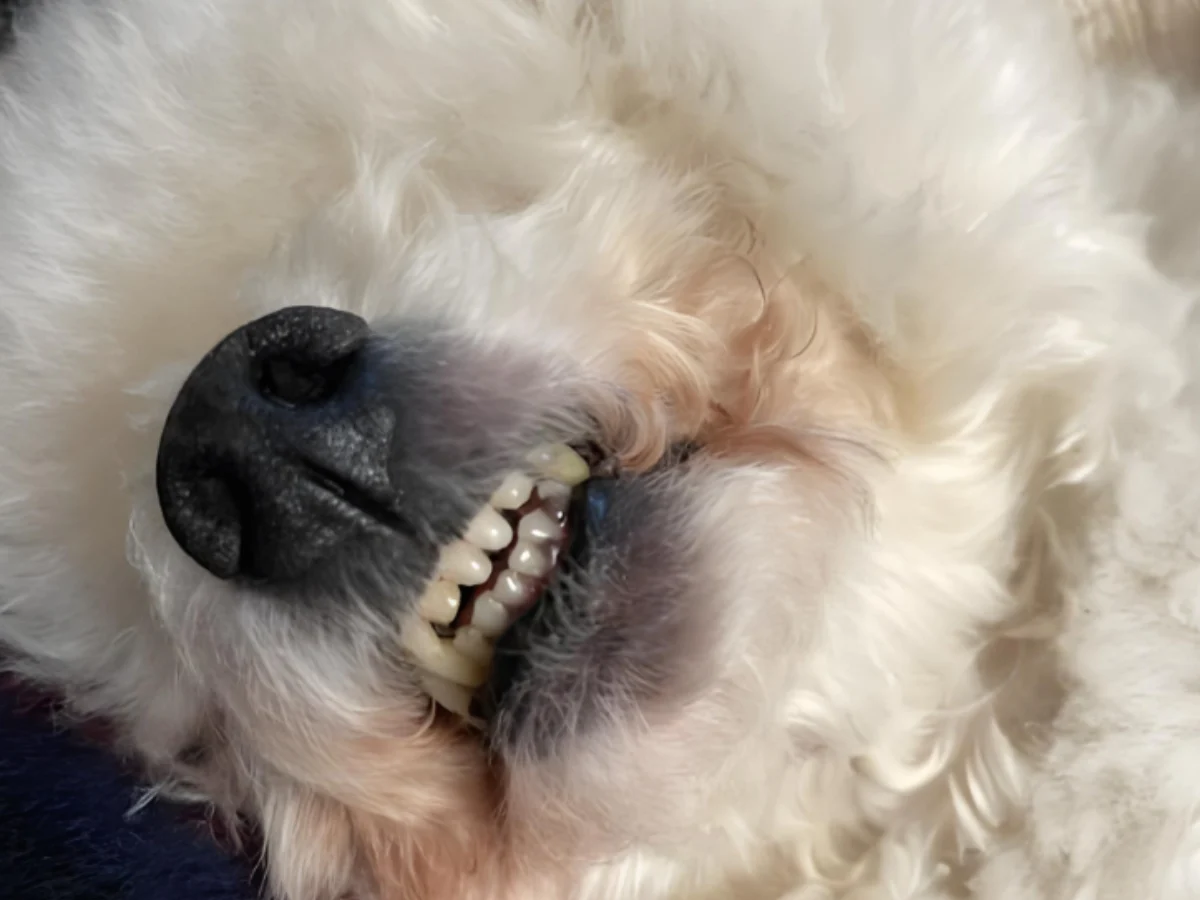
How to Clean Your Dog’s Teeth Without Brushing: Simple Daily Methods
Wondering how to clean dog teeth without brushing? Here are simple, everyday dental care tips I use for dogs who aren't fans of toothbrushes.
How to Clean Cat Teeth at Home? A Gentle Daily Routine for Beginners
Learn how to clean cat teeth at home with gentle brushing tips, dental wipes, and simple routines that make dental care easier for your cat.
What Trouble with Puppy When Potty Training? 12 Common Problems and Tips
What trouble with puppy when potty training? Learn why accidents happen, common potty training mistakes, and simple daily habits to help your puppy succeed—making potty training a breeze!