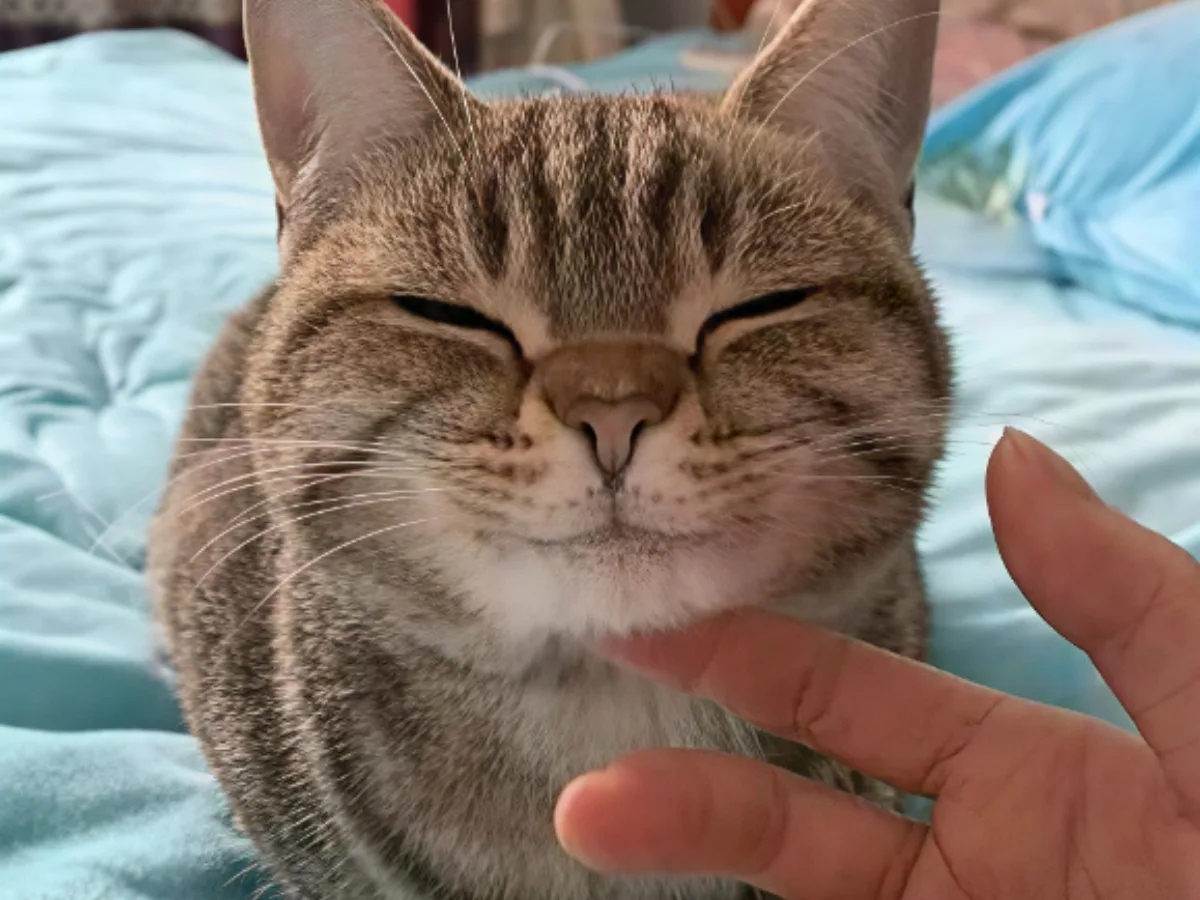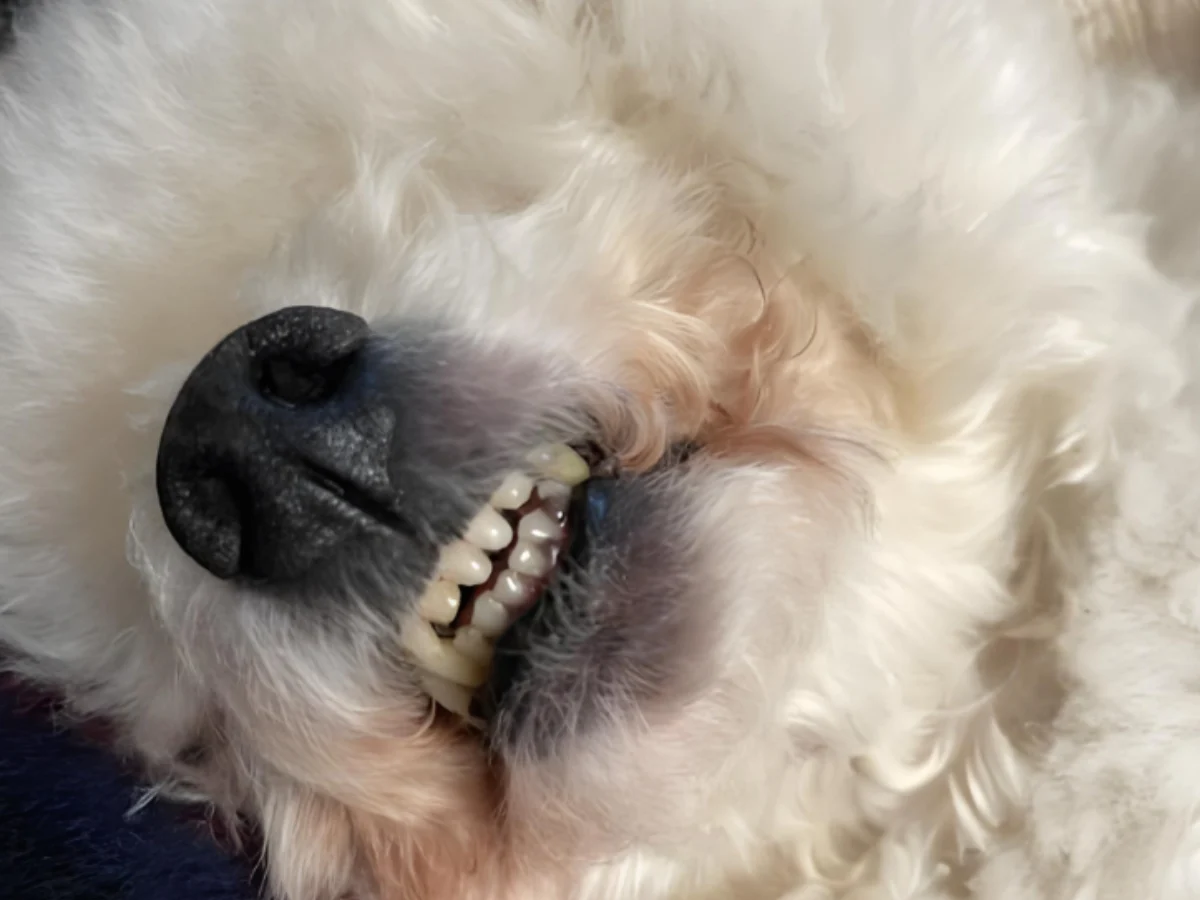

If the kitten can talk and communicate like humans, then it will definitely want to say to you when there is a lot of tartar in its mouth: Master, hurry up and help me clean up this pesky tartar! If the cause of the cat’s oral problems is not found in time, it will affect the overall physical and mental health of the kitten. So please don’t be careless about the severe cat tartar that accumulates in your cat’s mouth.
1. Quickly find your cat’s tartar and plaque problems
Can tartar buildup make cats feel pain?
Tartar can affect your kitten’s pure smile and make it feel painful. Tartar is like a ticking time bomb; although it looks like just yellowed tartar on the surface, its continued deterioration may cause cats to experience swollen and bleeding gums, periodontal disease, tooth loss, and even internal organ infections.
What effectively dissolves plaque?
Brush your teeth regularly:
Use a cat-specific toothbrush and toothpaste to gently brush your cat’s teeth and gums. At the same time, choosing oral care foods specifically designed for cats can help reduce the formation of plaque and tartar.
Mouthwash + salt and vinegar water:
Choose a mouthwash for pets, add it to the cat’s daily drinking bowl at a ratio of 1:100, and let it last for about three to five days, which can soften plaque and tartar on the teeth and make them easy to clean. In fact, kittens should also pay more attention to drinking water, which is beneficial to their health. Next, clean up further with salt, vinegar, and water. The ratio of salt, vinegar, and water corresponds to the ratio of 1:1:7. Dip it with a cotton swab, and gently rub it on the surface of the cat’s teeth, and you will see that this can scrape off the softened plaque.
2. The stage of development of dental diseases in cats
Cats’ oral problems are aggravated step by step: dental plaque and slight bad breath in the early stage, which can be improved by timely cleaning; if you ignore it all the time, it will develop into gingivitis, periodontitis, etc. In the advanced stage, it develops into serious dental disease, loose teeth fall out, oral ulceration occurs, and even bacteria will spread to internal organs, and some cats will also cause severe stomatitis, which is more difficult to treat the more it drags on.
Feline Dental Disease Stages & Symptoms Cheat Sheet:
| Disease Stage | Key Signs |
| Plaque | Transparent/yellowish film on teeth, mild bad breath, slightly red gums |
| Gingivitis | Visible tartar buildup, receding gums, loose teeth, drooling, and pain while eating |
| Periodontitis | Visible tartar buildup, receding gums, loose teeth, drooling, pain while eating |
| Advanced Periodontal Disease | Heavy tartar, tooth loss, mouth ulcers, severe rotten breath, and the cat refuses to eat |
| Stomatitis (in some cats) | Bright red/purple gums, mouth ulcers & bleeding, extreme pain, drooling, weight loss |
The cat has serious tartar; is it too late to start brushing its teeth now?
The serious cat tartar accumulated by cats will slowly calcify and turn into hard tartar, step by step, if not cleaned for a long time. Once the tartar calcifies and hardens, the hardness is particularly high, with a hardness of 3-5 on the Mohs scale, and ordinary soft toothbrushes cannot be brushed off at all. Forcing hard brushing can easily wear down the cat’s tooth enamel, hurt their delicate gums, and cause frequent bleeding.
Mild tartar can also be improved by daily brushing and professional cleaning, and once it develops into moderate to severe tartar, it must be treated by a veterinarian.
3. Symptoms of dental problems in cats
✨ Bad breath: Periodontal disease can cause a large number of bacteria in the mouth to multiply and emit a special odor, which is obviously different from normal oral odor.
✨ Red and swollen gums: Causes inflammation of the gums, manifested by red and swollen gums and even bleeding.
✨ Drooling: Inflammation in the mouth stimulates the salivary glands to produce excessive saliva, causing cats to drool frequently.
✨ Loose teeth: Periodontal disease can further lead to loose teeth, and in severe cases, tooth loss.
✨ Decreased appetite: Due to oral pain, cats may experience loss of appetite or even refusal to eat.
How to safely remove stubborn tartar buildup in cats?
① If the shovel officer usually feeds soft food, you can change the food to cat food and use dry cat food as the daily staple food. The unique particle shape of cat food helps cats clean their teeth while chewing, removing tartar through friction.
② Let the cat develop the habit of checking its mouth and brushing its teeth from an early age. Pet supply stores have special toothpaste and toothbrushes for cats, or you can replace them with dental wipes.
③ If you are very resistant to toothbrushing and toothpaste, choose a softer way to let your cat receive teeth cleaning: wrap your fingers with medical gauze, dip them in tea or light salt water, and gently wipe your cat’s teeth. Focusing on cleaning the upper premolars, the friction of the gauze can easily clear the scale.
Note: If the cat already suffers from more serious tartar, you should immediately take the cat to a regular pet hospital for examination and cleaning.
4. Treatment of dental diseases in cats
Natural cleaning:
Choose veterinarian-approved chew toys, such as elastic and non-shatterable materials, and choose dental treats that contain enzyme preparations or special fibers. It will be more effective to choose professional oral care foods with clear oral health certifications and special shapes. Be careful to avoid hard chews, such as bones and hard plastics, which may cause teeth to break.
Stick to your daily brushing:
☞ In the first two weeks, massage the cat to relax so that it gets used to touching the cheeks and around the lips, and give a treat reward immediately after each contact.
☞ Choose a special toothpaste for pets, let the cat try different flavors, choose the one it likes, dip a small amount of toothpaste with your finger, and let the cat lick it.
☞ For the first time, choose a finger brush or a children’s soft-bristled toothbrush, wait until the cat smells it and licks the toothbrush, and then gently touch the surface of the teeth with the toothbrush, and continue to exercise this action-reaction.
☞ Finally, brush your teeth formally, place the cat on the sofa or a soft place, and hug it from behind. Gently lift the upper lip; the bristles are at a 45° angle to the tooth surface so that the tips of the bristles gently probe into the gingival groove within 1 mm. Use gentle circular motions. Daily persistence will satisfy you!
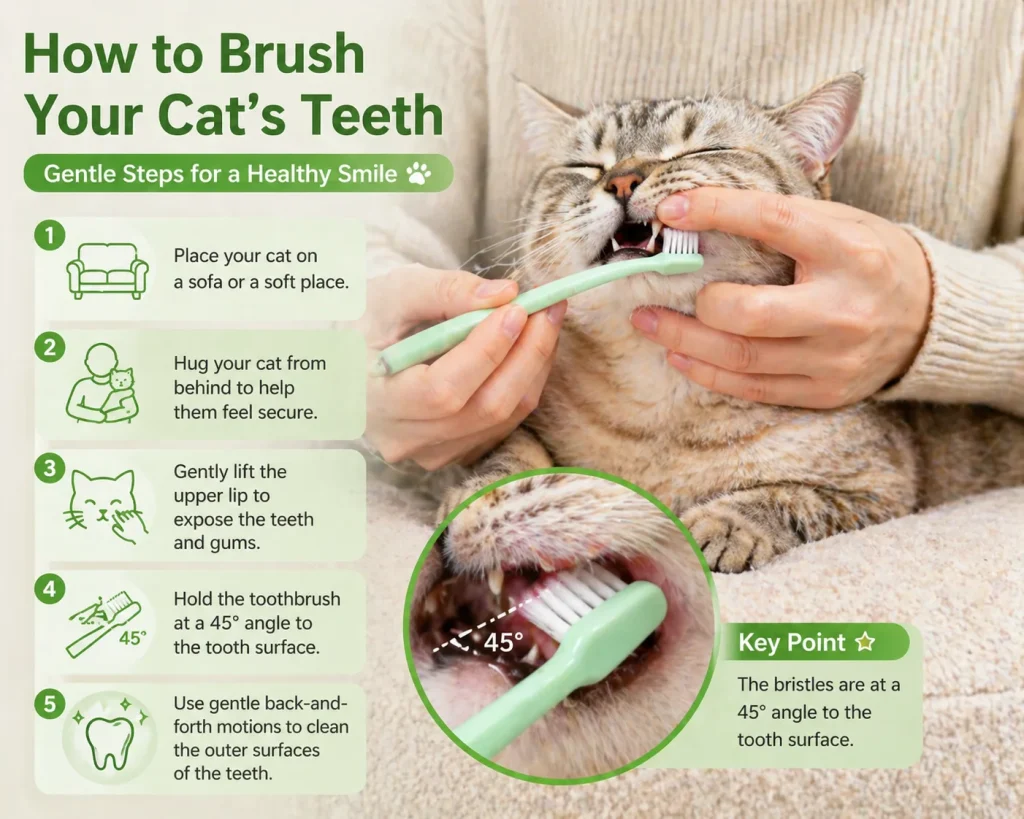
Brushing a cat’s teeth at a 45-degree angle.
5. What are the health hazards of serious dental diseases in cats?
According to data from WSAVA and other veterinarians, about 70% of cats and 80% of dogs experience varying degrees of periodontal disease; Periodontal problems are very common in cats over 3 years old, with many studies and veterinary institutions reporting rates around 80% or higher.
Cats have a strong ability to endure pain, so it’s usually hard for us to notice. If you find out late, treatment can be troublesome.
Severe stomatitis may cause tooth extraction in the entire mouth, resulting in difficulty in eating and digestion, and even bacteria entering the bloodstream to cause nephritis and endocarditis, affecting the overall life of the cat.
6. Answers to common questions about cat oral care
Q: Can cat oral diseases be fatal?
Ignoring the cat’s severe tartar for a long time until it evolves into gingivitis, periodontal disease, and other oral inflammation, the bacteria in the mouth will enter the blood circulation, damage internal organs, and continue to deteriorate, will cause systemic chronic problems and may even threaten the cat’s health and lifespan.
Q: How much does periodontal disease treatment cost in cats?
Treatment costs vary depending on the severity of the condition, anesthesia method, cleaning, extraction, and other procedures. I also really like cats and often visit my friend’s house to play with her cat. I asked about the cost of her cat’s dental treatment. She said you can refer to bloggers’ real experiences on Reddit to share reference prices, as prices vary by region, so she suggested consulting before evaluation. She first posted a request for help, had a guess in mind, and eventually consulted a veterinarian.
Q: Can cats understand their owners?
Cats have a very sensitive sense of hearing, and after a long period of time, they can be familiar with and understand the owner’s tone, emotions, calls, etc., which has formed a reflex response.
-
Sale!

50 Pcs Pet Ear Cleaning Finger Wipes for Dogs and Cats
Original price was: $5.19.$4.99Current price is: $4.99. Add to cart -
Sale!

disposable Universal multi-purpose pet cleaning wipes body fur care
Original price was: $6.28.$3.14Current price is: $3.14. Add to cart -
Sale!

disposable Finger-shaped dental cleaning wipes for pets fresh breath
Original price was: $6.68.$3.34Current price is: $3.34. Add to cart