
CRITICAL EMERGENCY WARNING: Pale gums in dogs are a tier-one medical emergency indicator. This symptom cannot be managed, resolved, or reversed through routine oral care or brushing. If your dog is currently presenting with white or pale gums, lethargy, or rapid, shallow breathing, stop reading this guide immediately and rush to the nearest 24/7 emergency veterinary hospital.
One of the most dangerous illusions in canine health is a dog with pale gums but acting normal. In veterinary medicine, a dog’s gums act as a direct window into their circulatory system and oxygen levels. When that window turns dull or pale, it is rarely a temporary anomaly; it is a silent, internal SOS.
| Gum Color | Risk Level | Potential Condition | Pet Parent Action Guide |
|---|---|---|---|
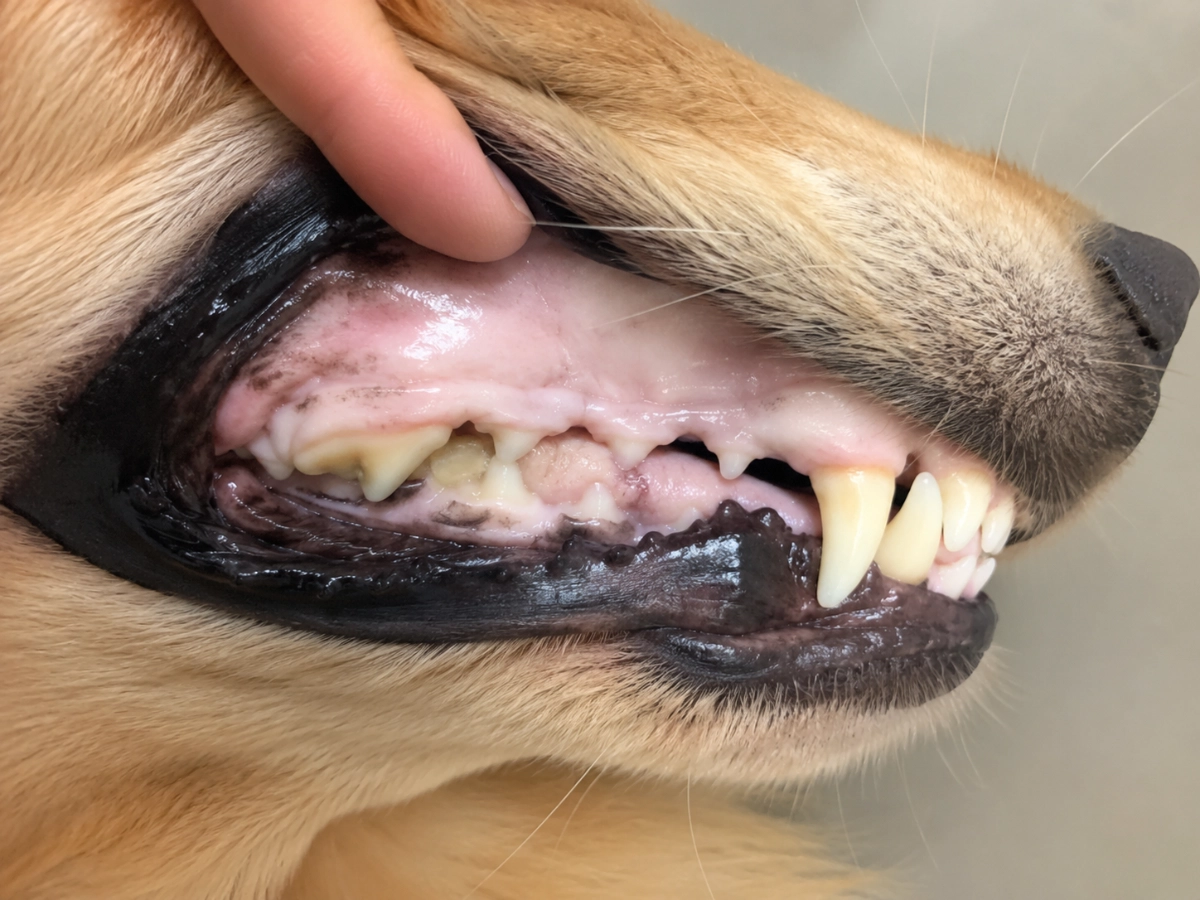
| 🌸 Bubblegum Pink | 🟢 Safe | Healthy blood flow, optimal oxygen levels, and robust circulation. | Maintain daily teeth brushing and routine oral care. |
| 🏳️ Pale / Paper White | 🔴 Critical | Severe anemia, shock, or life-threatening internal bleeding. | Seek emergency care immediately! No safe home remedies. |
| 🟨 Yellow / Jaundice | 🔴 Critical | Liver disease, bile duct obstruction, or acute hemolysis (toxin poisoning). | Seek immediate veterinary care! Requires urgent blood tests and ultrasounds. |
| 🟦 Blue / Purple (Cyanotic) | 🚨 Life-Threatening | Severe oxygen deprivation (advanced heart disease, choking, or suffocation). | Absolute emergency! Rush to the vet immediately for professional oxygen therapy[cite: 4]. |
| 🟥 Bright / Brick Red | 🔴 Critical | Severe systemic infection (sepsis), heat stroke, or severe local gum inflammation. | Go to the vet immediately! For heat stroke, use wet towels to cool them down during transit[cite: 4]. |
| 🍂 Dry / Sticky Pink | 🟡 Warning | Severe dehydration causing decreased blood volume and sticky mucous membranes. | Do not force water down their throat. Seek veterinary help for safe IV fluid replacement. |
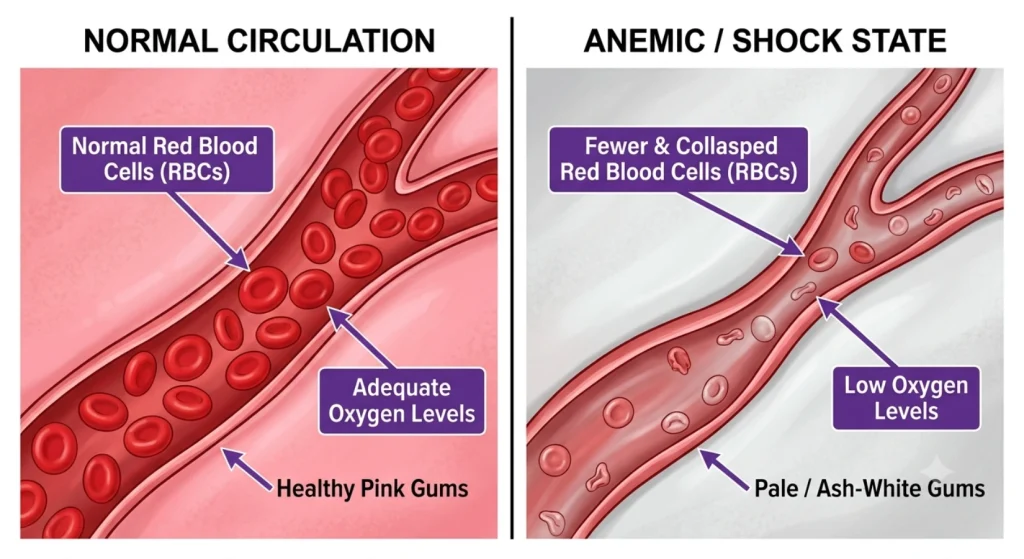
In a healthy dog, the heart pumps oxygen-rich blood through a vast, intricate network of blood vessels. The vibrant, healthy bubblegum pink color we typically see in a dog’s mouth is the direct result of smooth blood flow and robust circulation through the tiny capillaries lining the mucous membranes.
When something disrupts this delicate system—whether it is a sudden drop in the total volume of red blood cells, an obstruction in systemic circulation, or a drastic reduction in peripheral blood flow—the capillaries in the gums collapse and drain out. The result is a stark pale, blanched, or paper-white appearance, signaling that the body is severely struggling to deliver vital oxygen where it is needed most.
In clinical canine samples presenting with anemia (accompanied by pale gums), there is a remarkably high exposure and infection rate of tick-borne and vector-borne pathogens (such as Babesia, Ehrlichia, etc.). This underscores why regular internal and external parasite prevention is absolutely critical to preventing fatal anemia in dogs
There is also a category of hidden “non-hemorrhagic and non-RBC-loss” underlying causes that pet parents frequently miss:
Discovering that your fur baby has pale gums can immediately trigger a wave of panic. However, the steps you take in the next few minutes are absolutely critical to their survival. This is not a time for observation—it is a time for decisive, structured action.
When checking online forums like Reddit, you might see people looking for a pale gums in dogs home remedy. However, veterinary emergency protocols are absolute:
Both the American Animal Hospital Association (AAHA) and the American Veterinary Medical Association (AVMA) explicitly state that pale gums are a tier-one medical emergency. There are zero safe or effective home remedies to treat pale gums. Waiting it out or experimenting with holistic home remedies directly endangers your dog’s life. Pale gums mean your dog’s tissues are starved for oxygen; this can only be diagnosed and corrected by a licensed professional.
If you check your dog’s mouth and see white, gray, or faint pink mucous membranes, execute this checklist immediately:
Even if you suspect pale gums in dogs dehydration, do not force water down their throat. If your dog is in a state of shock, their swallowing reflex may be severely compromised. Forcing fluid can cause them to inhale it into their lungs, leading to fatal aspiration pneumonia.
Call the nearest emergency hospital immediately. Let them know you are en route with a dog presenting with pale gums. This gives the medical team precious minutes to prepare oxygen cages, IV fluids, or blood transfusion kits before you arrive.
A failure in peripheral blood flow causes a dog’s core body temperature to plummet rapidly. Wrap your dog gently in a warm blanket as you move them to your car. Keep the vehicle’s cabin warm to combat hypothermia.
Walking through the doors of an emergency veterinary clinic can feel overwhelming. Understanding the precise, scientific steps the medical team will take can help you stay grounded.
To pinpoint the exact cause of the pale gums, the veterinary team will immediately perform a series of targeted diagnostic tests:
Once the underlying cause is identified, the veterinary team will deploy a specific pale gums in dogs treatment protocol.
All emergency stabilization efforts follow the strict guidelines recommended by the WSAVA (World Small Animal Veterinary Association). By adhering to WSAVA’s global standards for canine pain management and emergency critical care, the medical team ensures your dog receives the most scientifically validated, humane treatment possible.
Depending on the diagnosis, emergency treatments typically include:
Note: These preventative and oral care strategies are highly effective once your dog has been thoroughly examined by a vet, systemic crises (like IMHA or internal bleeding) have been ruled out, or your fur baby is safely in the post-recovery phase.
periodontal disease causes the gums to become chronically inflamed, ulcerated, and prone to bleeding. Harmful bacteria can cross the broken mucous membranes directly into the bloodstream (causing bacteremia). This bacteria can colonize and damage the heart valves (leading to heart failure) or settle in the kidneys (causing Chronic Kidney Disease)—both of which are ultimate, hidden drivers behind pale gums.
According to clinical recommendations from the AVDC (American Veterinary Dental College), advanced daily home oral care should consist of three lines of defense:
No dental treat can completely replace physical brushing.
Checking your dog’s oral health shouldn’t only happen during a crisis. Learning how to check their Capillary Refill Time (CRT) during a calm moment ensures you know exactly what your dog’s unique “normal” looks like.
Gently roll up your dog’s upper lip to expose the pink gums directly above their canine teeth. Ensure you are looking at pink tissue, completely avoiding areas with dark, natural genetic pigmentation.
Press your index finger firmly against the pink gum tissue for exactly two seconds. This temporary pressure pushes the blood out of the local capillary network.
Lift your finger away. The compressed area will momentarily look white or blanched. Count how many seconds it takes for the blood flow to rush back and snap the tissue back to its healthy bubblegum pink color.
The Diagnostic Verdict: For a healthy dog with optimal blood volume and strong circulation, the recovery time must be under 2 seconds. If it takes longer, or if the gums remain stark white or gray, initiate your emergency protocol immediately.
No. Fatigue does not cause pale gums. Pale gums indicate oxygen deprivation, a low red blood cell count, or poor blood circulation. If your dog is lethargic and has pale gums, always treat it as a critical medical emergency.
Hemangiosarcoma (a malignant tumor of the blood vessels, often developing in the spleen) is widely known as the “silent killer” of dogs. It can rupture catastrophically without any prior warning, causing massive internal bleeding and sudden pale gums, even if the dog was acting normal just minutes before.
While both conditions require immediate veterinary care, dehydrated dogs typically present with sticky, dry gums alongside a slowed Capillary Refill Time (CRT). On the other hand, anemic dogs have pale or paper-white gums, but the tissue may still feel moist to the touch. A comprehensive blood test performed by a veterinarian is the only definitive way to diagnose the cause.