
Having a cat come into your life can bring a whole new kind of energy to your home. Once you start living with a cat, they quickly become part of the family. When I first started preparing to get a cat, I thought I needed to buy all kinds of things in advance. But some things really do need to be ready beforehand, while others can wait until your cat comes home and you get a better idea of their habits.
If this is your first time getting a cat, this simple guide to what to prepare before getting a cat will help you get the basics ready ahead of time, so you won’t feel overwhelmed once you bring your new cat home.
1. Cat Bed
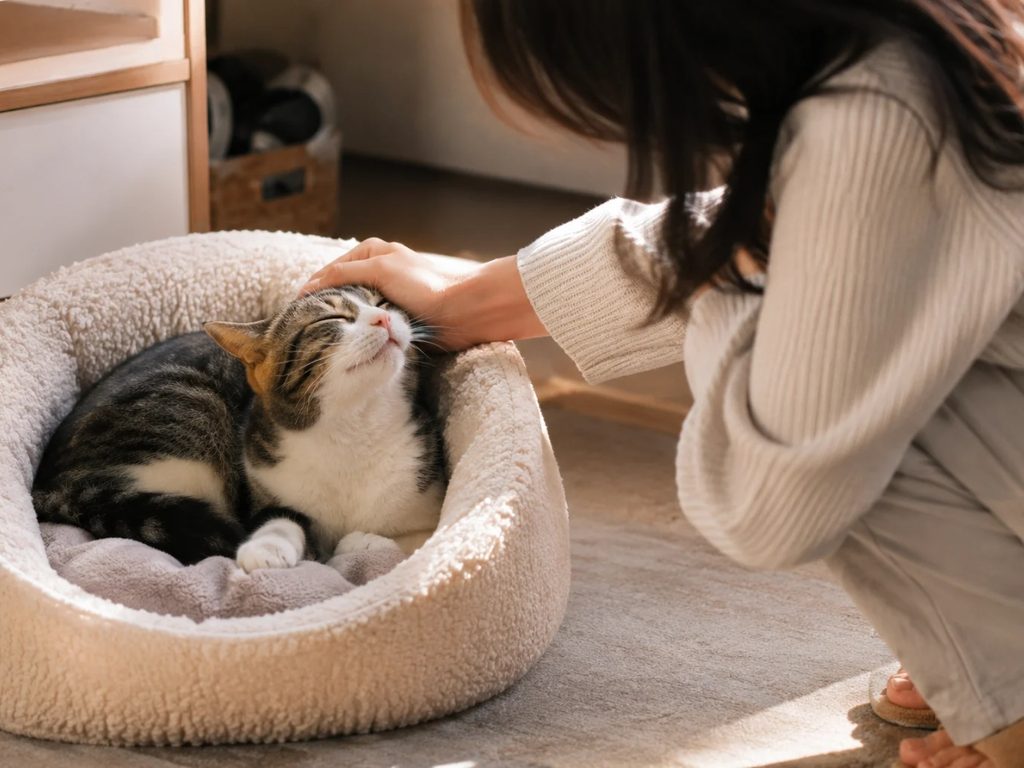
Cats are pretty good at finding their own favorite places to rest, but when they first come home, having a quiet, clean spot where they won’t be disturbed too often can make it easier for them to settle in.
Choosing or making a cat bed:
In summer, you can choose a breathable, cool fabric such as ice silk, while a soft, warm fabric works better in winter.
If you don’t want to buy one, you can also make a little resting space using cardboard boxes or wooden boards at home. You can decorate it however you like. It can be used as a cozy place for your cat to rest and also give them a place to scratch.
Add a soft towel, blanket, chair cushion, or old bedsheet to the bottom of the homemade cat bed to make it more comfortable.
❤ Tip:
It’s best to place the cat bed somewhere dry, well-ventilated, and relatively quiet.
2. Food and Water Bowls
It’s better not to feed your cat directly from the floor.
Choose food and water bowls made for cats:
Choose bowls with a thick, wide, and sturdy base. Ceramic bowls are a common choice.
The edges of the bowls should also be reasonably thick, so they are less likely to tip over or spill food onto the floor while your cat is eating or drinking.
If your cat likes to push food out of the bowl at first, you can place some old newspaper or another easy-to-clean mat underneath it.
❤ Tip:
Change your cat’s water every day and clean the water bowl regularly.
3. Cat Litter and Litter Box
Litter Box:
Choose a litter box that is easy to clean, appropriately sized, and easy for your cat to get in and out of.
① Materials to avoid:
Wooden boxes and cardboard boxes can absorb urine and other waste, which can leave unpleasant odors behind and make the litter area harder to keep clean. Over time, some cats may also dislike using a litter box that stays dirty or smells strongly.
② Cleaning the litter box:
Don’t wait too long between cleanings. Remove waste promptly based on how often the litter box is used, and give it a thorough cleaning regularly.
When cleaning the litter box, avoid detergents or disinfectants with strong odors, as cats can be sensitive to strong smells.
You can choose a cat-safe litter box cleaner and use it with warm water, then let the box air-dry in a well-ventilated area.
Cat Litter:
I personally prefer cat litter that clumps well because it makes cleaning much easier. Tofu litter, clay litter, or a combination of different types can all work, depending on what your cat prefers and what fits your cleaning routine.
4. Toys and Scratching Posts
Cats naturally love to play. They’re a little like kids who can’t tell us what they want—they often enjoy toys, rolling objects, and anything that moves. Balls, yarn balls, ribbons, and strings can all catch their attention.
When choosing toys, look for ones that are sturdy and not easy to break apart or swallow, so your cat doesn’t accidentally swallow a small piece while playing.
If your cat will be home alone while you’re at work, it’s also a good idea to have a few scratching posts around. They give your cat a place to scratch, stretch, and stay occupied.
❤ Tip:
Wand toys, strings, ribbons, and similar toys are best used while you’re around. If a cat swallows a string-like object, it can be dangerous, so put these toys away after playtime.
5. Collar
You can choose a collar color that matches your cat’s coat if you want to add a little style. If you plan to use one, it’s a good idea to let your cat gradually get used to wearing it from a young age.

You can also put an ID tag on your cat’s collar with their name. Adding your address and contact information is even better, so someone who finds your cat can get in touch with you if they ever get lost.
I once came across a small dog with a friend while we were out for a walk. The dog didn’t seem to have an owner nearby. It had its name and age written on its clothing, but there was no contact information, so we had no way of reaching its owner. We ended up taking the dog home temporarily for the night and then helped find someone willing to adopt it the next day.
That experience made me realize that if you decide to use a collar for your cat, it’s worth thinking beyond appearance and considering an ID tag with your contact information. If your cat spends time outdoors, identification and safety are especially important.
6. Cat Carrier
Choose a carrier that is well-ventilated, appropriately sized, and sturdy. Your cat should be able to adjust their position comfortably inside. A carrier will come in handy whether you’re bringing your cat home for the first time or taking them to the vet for a checkup.
7. Basic Grooming and Cleaning Supplies
Nail Clippers:
Use them to trim your cat’s nails regularly. Keeping the nails at a manageable length can help reduce accidental scratches and make everyday care easier.
Cat Hair Detangling Spray and Cat Pin Brush:
Don’t skip regular brushing. A pin brush can help remove loose hair and reduce the amount of cat hair floating around your home.
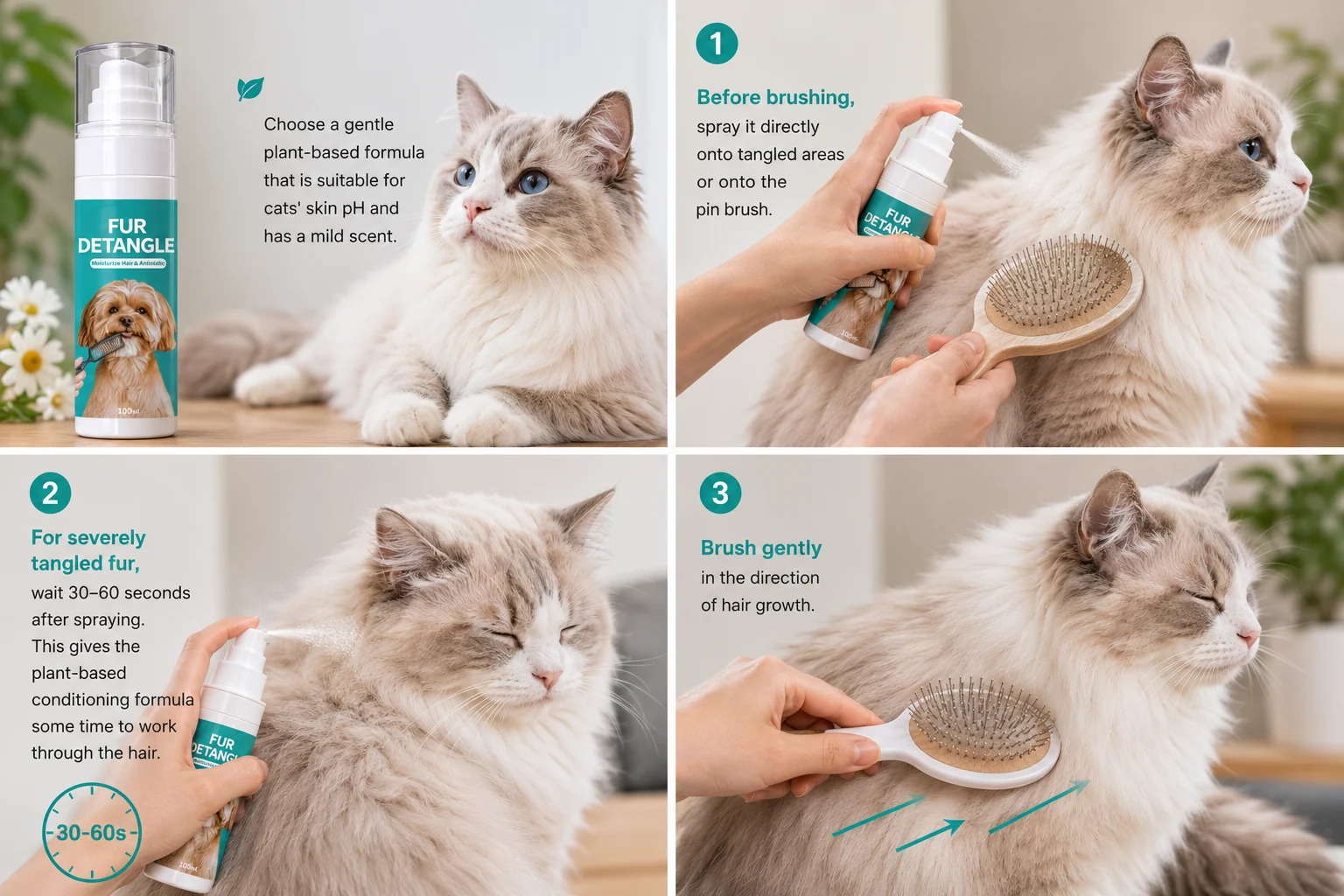
✨ Using a Hair Detangling Spray
Choose a gentle plant-based formula that is suitable for cats’ skin pH and has a mild scent.
Before brushing, spray it directly onto tangled areas or onto the pin brush.
For severely tangled fur, wait 30–60 seconds after spraying. This gives the plant-based conditioning formula some time to work through the hair.
Brush gently in the direction of hair growth.
Internal and External Parasite Prevention:
Parasite prevention is something to discuss with your veterinarian after bringing your cat home. Even if your cat mainly stays indoors, it’s still important not to completely overlook parasite prevention. The right product and schedule can depend on your cat’s age, weight, lifestyle, and advice from your local veterinarian.
Pet Wipes:
Pet wipes are one of those little things that are easy for first-time cat owners to overlook, but you may find them surprisingly useful once you actually have a cat. For example, if your cat steps in litter or gets a little dust on their paws, you can use cat-safe pet wipes for a quick cleanup.
I recommend keeping a pack somewhere easy to reach, so you don’t have to search for them when you need to clean up a small mess.
If you have cat ear wipes at home, they can also be used for routine cleaning of the visible outer ear, gently wiping away dirt from the outer ear area.
8. Prepare a Safe Space for Your Cat to Adjust
Before bringing a cat home, I also like to check the house for potential hazards, especially electrical cords, cleaning products, and plants. The ASPCA notes that new cats are likely to explore their surroundings, so putting potentially dangerous items away ahead of time can help make the home safer.
① After bringing your cat home, let them stay in the space you’ve prepared, such as the area around their cat bed. Make sure they have food, water, and a litter box, and spend some quiet time nearby while they slowly get used to their new surroundings.
② Try not to disturb or force them to interact with you. You can offer a toy and gently encourage them to play when they seem interested.
③ Once your cat starts approaching you on their own and feels comfortable eating and drinking, you can try gently petting them and let them gradually learn to trust you.
9. FAQ
What do I need to prepare before getting a cat?
Start with a cat bed, food and water bowls, a litter box and cat litter, toys, a scratching post, a carrier, and some basic grooming and cleaning supplies.
Do I need to buy a lot of things when getting a cat for the first time?
Not really. Start with the things your cat will need during their first few days at home. You can always add other supplies later once you get to know your cat’s habits and preferences.
What should I prepare when my cat first comes home?
Prepare a quiet space with food, water, a litter box, and a comfortable place to rest. Give your cat plenty of time to get used to their new surroundings.
Can I prepare pet wipes before getting a cat?
Yes. They’re handy for everyday cleaning of your cat’s paws, fur, and other small messes. Just make sure to choose a product specifically made for cats and follow the directions on the package.
-
Sale!

Cat Chin Blackhead Cleaning Wipes for Cats
Original price was: $11.19.$9.99Current price is: $9.99. Add to cart -
Sale!
Universal Multi-purpose Pet Cleaning Gloves Aloe & Jojoba
Original price was: $4.20.$3.89Current price is: $3.89. Add to cart -
Sale!
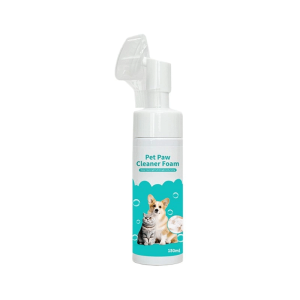
No-Rinse Pet Paw Cleaner Foam with Silicone Brush All-Year
Original price was: $7.12.$6.89Current price is: $6.89. Add to cart