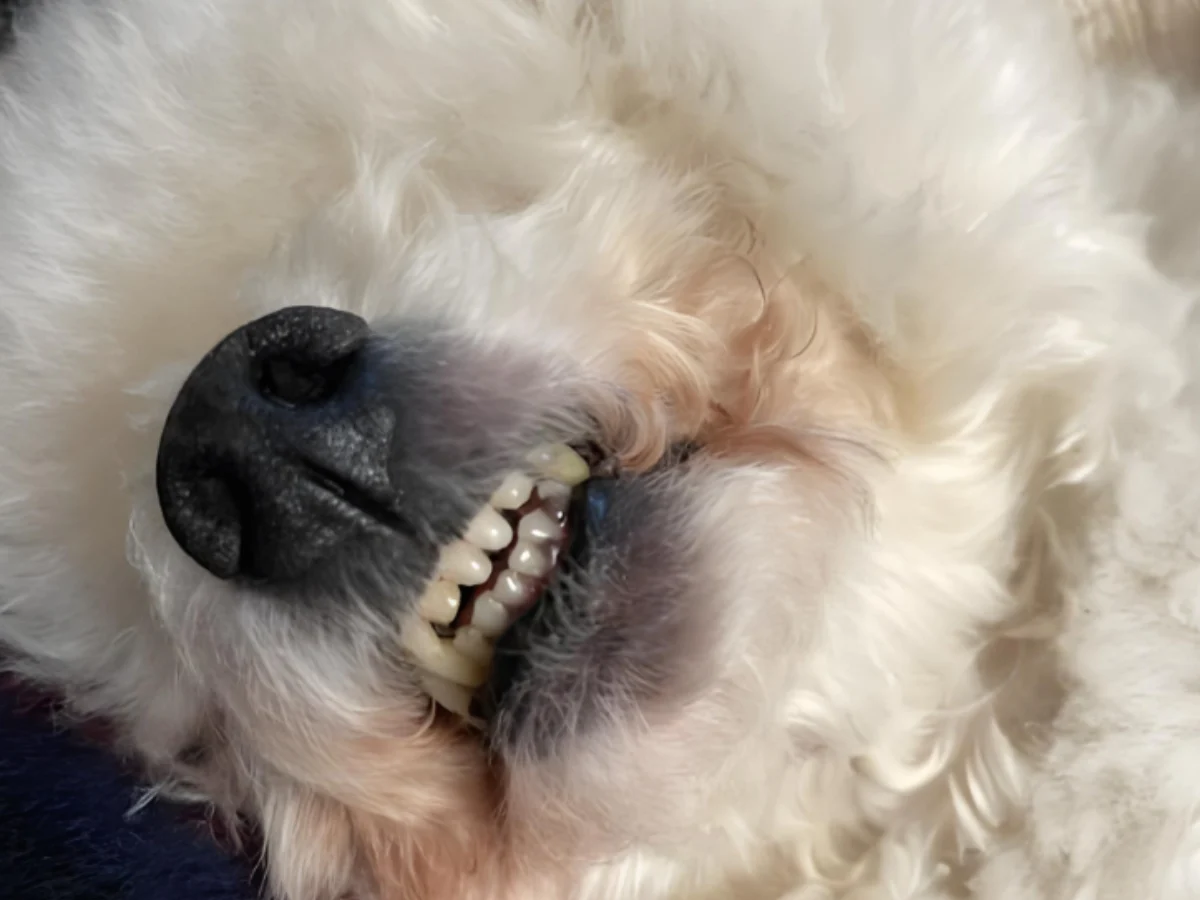

It has long become a habit for us to brush our teeth every morning and evening, but many dog owners rarely think of cleaning the teeth of their furry friends. This is not a minor problem, and long-term neglect may also affect the health of the dog. If you want your dog to get sick less and eat well, daily oral care is really indispensable.
Although many dogs may resist brushing their teeth at first, as long as they find the right toothpaste, slowly guide them to adapt, and then persist, brushing their teeth can become the same daily routine as walking and feeding.
Today, I have compiled a guide to vet recommended dog toothpaste, from the principle of action and the core of product selection to high-quality product recommendations and practical care tips, and I strive to use simple and easy-to-understand content to help you easily protect the oral health of your furry child.
What Dissolves Tartar on a Dog’s Teeth?
Tartar is actually calcified plaque that is as hard as a stone. To solve it, we cannot rely on great force to work miracles, but on a combination of chemical decomposition and physical cleaning. Then toothpaste is a good choice.
1. The role of enzyme-formulated toothpaste
Enzyme-containing toothpastes are the type most commonly recommended by veterinarians. It contains glucose oxidase, lactoperoxidase, and other components, which can break down bacteria and organic matter in dental plaque. Enzymes can break down the hard tartar structure, making it loose and lumpy.
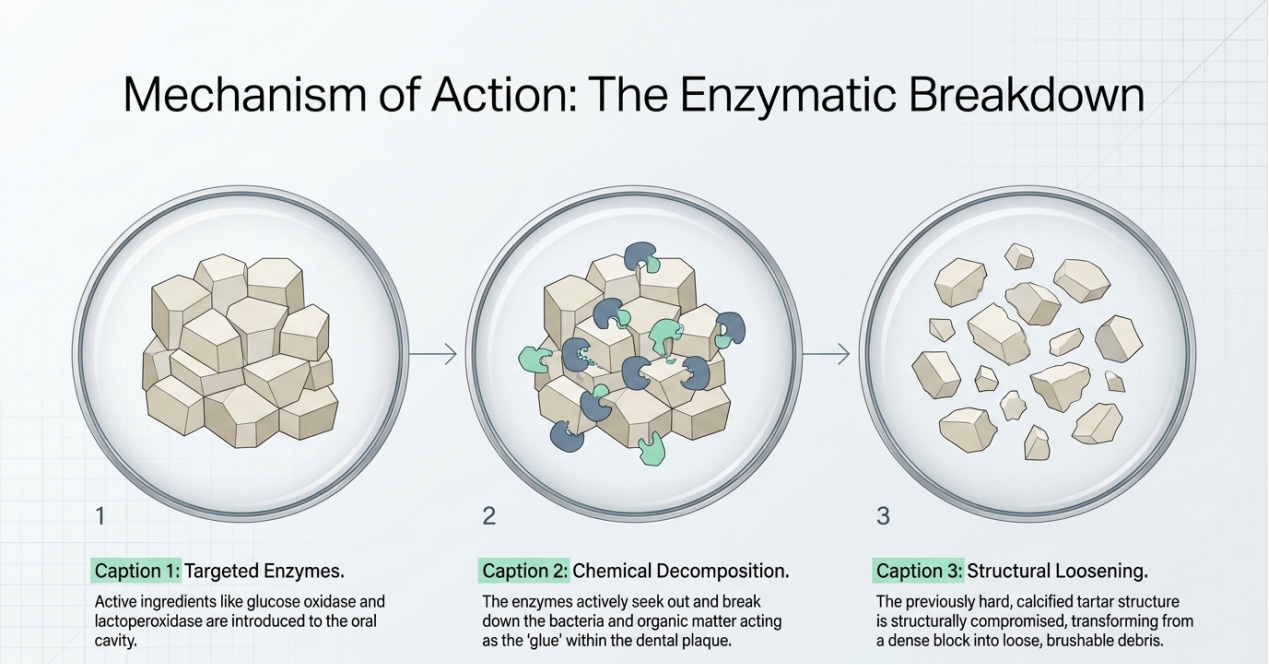
For short-term soft tartar, you can see that your teeth become clean after 1-2 weeks of brushing. But if it has turned into hard black-brown tartar, the toothpaste can only soften the surface layer and cannot completely dissolve it.
2. Tips for choosing toothpaste for different dog breeds
The oral structure of different dog breeds is inherently very different. Therefore, when choosing toothpaste, you should not only use the same standard but also match it according to your dog’s size and oral characteristics.
- Small dogs: The oral space is small, the teeth grow densely, the teeth are full of debris, and tartar grows rapidly. In addition, small dogs generally have thinner and more sensitive gums, and periodontal problems appear earlier and more commonly. Therefore, be sure to choose toothpaste with high active enzymes, mild ingredients, fine particles, and swallowability.
- Medium and large dogs: open oral space, large teeth, strong bite force, large amount of food residue, rapid bacterial growth, and prone to bad breath. It is recommended to choose products with stronger cleaning power and wear-resistant formulas.
3. Can I manually scrape off plaque from a dog’s teeth?
It is absolutely not recommended to scrape your teeth at home. Many people want to save money on teeth cleaning and buy tools to scrape their teeth themselves. But this carries several fatal risks:
1. Damage to tooth enamel: If you don’t control the force properly with metal tools, you can scratch the tooth enamel. Once the surface becomes rough, the rate at which plaque will form will double.
2. Causes inflammation: Incomplete sterilization of tools can directly introduce bacteria into the bloodstream, thereby causing inflammation.
3. Secondary injury: If the dog does not cooperate, its restless movements can easily puncture the oral mucosa.
In most cases, soft plaque can be removed with enzyme toothpaste and a pet toothbrush. However, if hard tartar has formed, you must take your dog to a veterinary clinic for safe scraping under anesthesia using professional tools.
Top 3 Vet-Recommended Dog Toothpaste
When choosing toothpaste for dogs, besides considering the brand, it’s even more important to see if the product can actually solve their oral health problems. Here are representative products most recognized by veterinarians in 2026:
1. Vet’s Best Dog Toothpaste: The best value for money
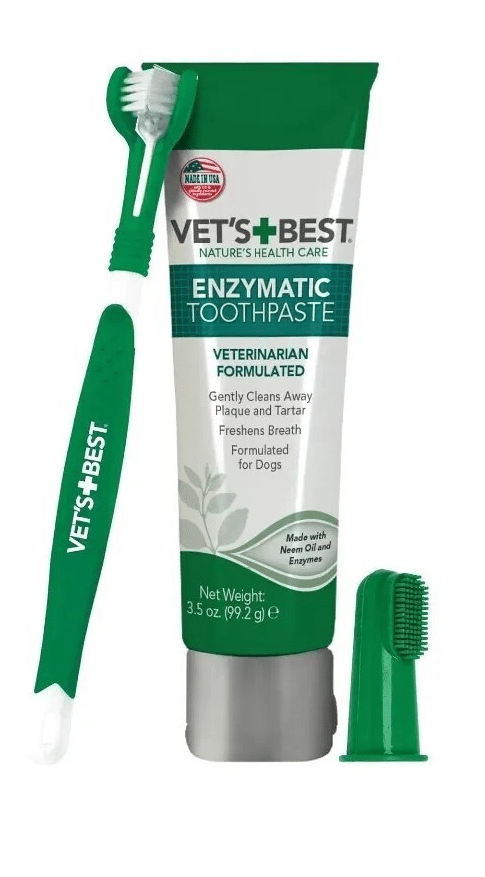 | VET’S BEST Enzymatic Dog Toothpaste It’s a long-time best-selling item on Amazon and the number one affordable alternative recommended by veterinarians. It relies on a unique formula of natural enzymes to break down food residue without the need for vigorous scrubbing. Price: $9 |
- Gentle ingredients: Contains aloe vera, neem oil, and baking soda, which can relieve gum redness and swelling while cleaning, making it especially suitable for dogs with mild gingivitis.
- High cost-performance ratio: Affordable price, making it a very cost-effective daily consumable. Crucially, despite its low price, its cleaning effect is excellent, making it a professional-grade, practical product, especially suitable for ordinary pet-owning families who need to maintain a consistent daily brushing routine.
2. Virbac Dog Toothpaste: The safest
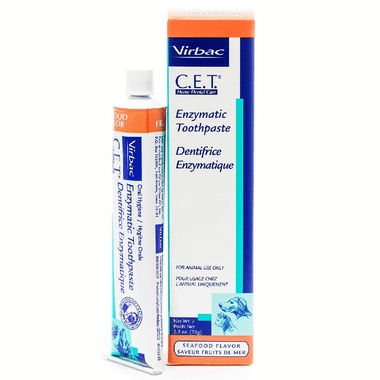 | C.E.T.® Enzymatic Toothpastes This enzymatic toothpaste uses an enzyme system specially formulated for dogs and cats, which can reduce plaque, freshen breath, and ensure oral cleanliness. If you highly value the safety of ingredients, then this product is a reliable choice. Price: $11 |
- Pure Ingredients: Completely free of harmful chemicals like fluoride and xylitol; even if dogs swallow large amounts, it won’t cause stomach discomfort.
- Strong palatability: Reviews and feedback on Chewy show that this toothpaste has a rich flavor, with poultry, malt, vanilla mint, beef, and seafood flavors being loved by pets, allowing picky dogs to accept brushing actively without resistance.
3. Petsmile Dog Toothpaste: The most popular
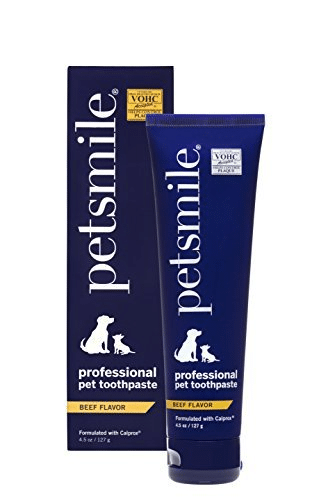 | Petsmile Professional Pet Toothpaste It represents the pinnacle of technology in the field of pet dentistry. Its core patented Calprox® can directly dissolve plaque on the tooth surface. Furthermore, it is the only no-brush toothpaste in the world to receive VOHC certification. Price: $25 |
- No brushing: Simply apply toothpaste to your dog’s teeth; it works through saliva distribution. This is a lifesaver for dogs that completely refuse to have their teeth brushed.
- Teeth whitening function: Not only does it remove stains, but it also has a whitening effect. It’s a professional cleaning product commonly found in veterinary clinics.
The above veterinarian’s first dog toothpaste is suitable for daily brushing. If the dog resists brushing, it can be combined with Vilipets Pet Dental Gel + Dental Cleaning Wipes Brush-Free Combination: the gel replaces brushing, and direct application can dissolve tartar; wet wipes are for daily cleaning. Wipe teeth after meals and take a two-pronged approach to easily protect your dog’s oral health.
Veterinarian’s recommended daily care regimen for your dog’s teeth
1. Keep brushing your teeth regularly
Brush your dog’s teeth once a day or every other day, using pet-specific toothpaste, with a pet toothbrush or finger brush.
2. Adjust the diet
Feed fewer sticky, high-sugar foods, which are easy to remain between the teeth and accelerate the accumulation of plaque and tartar.
3. Do regular oral examinations
Check your dog’s mouth monthly to see if the gums are red and swollen, if there is bad breath, or if the teeth are yellow or tartar appears.
4. Use auxiliary cleaning products
In cases where you can’t brush your teeth every day, you can use dental care products such as pet-specific mouthwashes, oral sprays, and dental gels to help reduce bacteria and maintain oral cleanliness.
-
Sale!

disposable Finger-shaped dental cleaning wipes for pets fresh breath
Original price was: $6.68.$3.34Current price is: $3.34. Add to cart -
Sale!
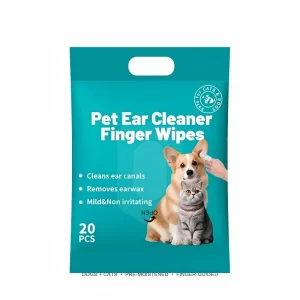
Gentle Neutral pH Round Pet Eye Wipes Tear Stain Removal
Original price was: $5.98.$2.99Current price is: $2.99. Add to cart -
Sale!
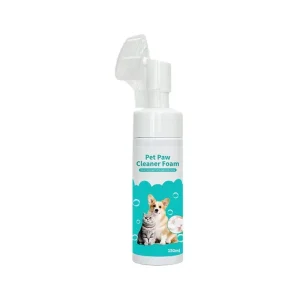
Foaming dog body cleaner with a silicone brush for pet paws no rinsing
Original price was: $8.98.$4.49Current price is: $4.49. Add to cart