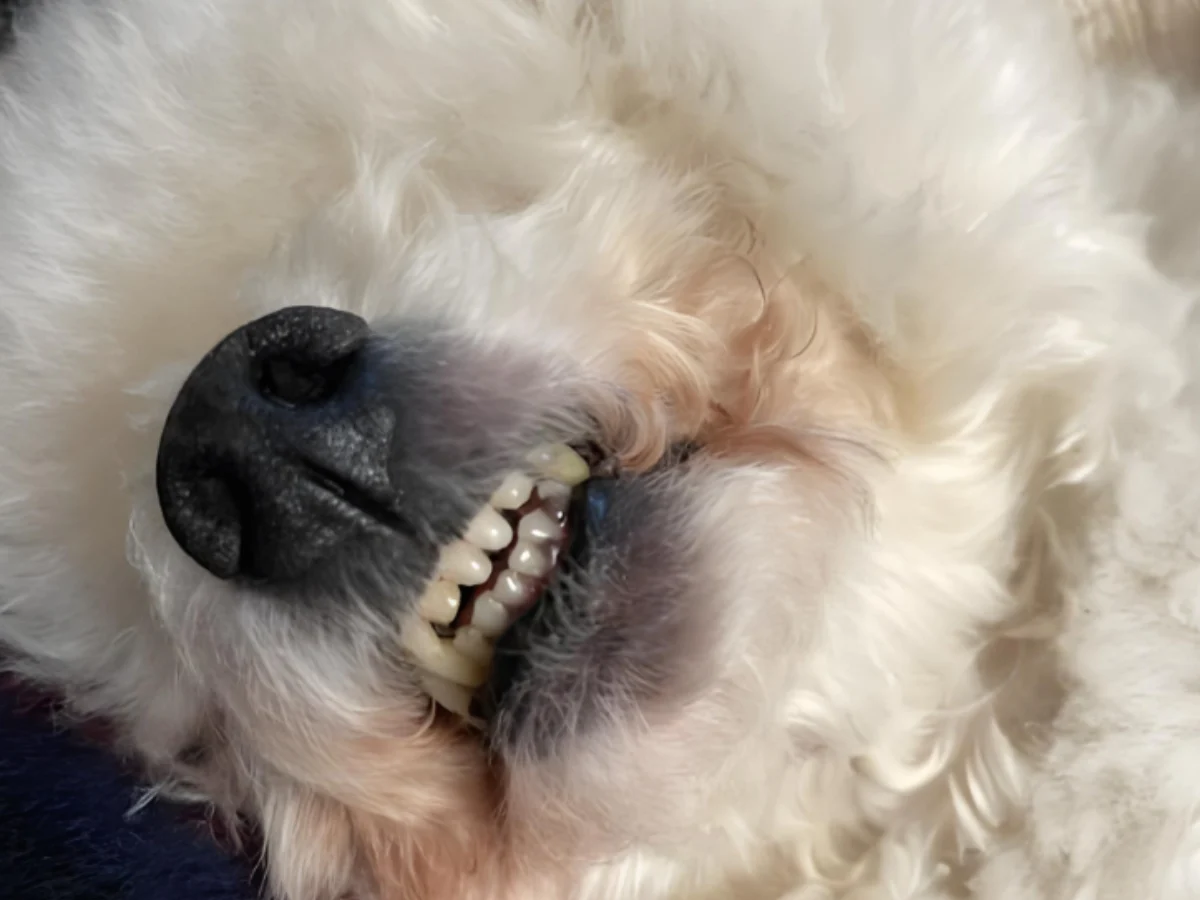

When interacting with your canine companion, if your dog has bad breath that smells strikingly like ammonia or urine, this may not merely be a dental issue. This distinctive scent could serve as a critical, time-sensitive warning sign of advanced canine kidney disease.
Many pet parents initially search for some daily care methods or hoping for a quick dietary fix, unaware that this specific “uremic breath” indicates that the kidneys are losing their ability to filter blood waste. To help you advocate for your dog’s health, this article will guide you directly through the pathological characteristics of canine kidney disease, its subtle early-stage warnings versus acute late-stage symptoms, and provide an honest, data-backed breakdown of pet life expectancy following proper treatment.
Understanding the link between dog bad breath kidney disease is the first step to saving your pet’s life.
Key Takeaways
- Ammonia Breath: Scent mimics advanced kidney disease, not a dental issue.
- Subtle Warnings: Early signs include increased thirst/urination and low appetite.
- Hidden Toxins: Antifreeze, grapes, and human painkillers trigger acute failure.
- Care & Diet: Fluid therapy and prescription low-phosphorus diets extend survival.
📋 Table of Contents
- • What Does a Dog’s Breath Smell Like When Suffering from Kidney Disease?
- • Recognizing the Symptoms of Kidney Disease in Dogs
- • Which Toxins Can Cause Kidney Failure in Dogs?
- • Management and Treatment of Canine Kidney Disease
- • Which Dog Food Is Beneficial for Kidney Health?
- • How to Encourage a Kidney-Diseased Dog to Drink More Water
What Does a Dog’s Breath Smell Like When Suffering from Kidney Disease?
When a dog unfortunately develops kidney disease, their breath typically takes on an unusual odor resembling ammonia, urine, or metal. As the condition worsens, this scent may even evolve into an unpleasant fecal smell—a form of bad breath that, unlike ordinary halitosis, cannot be eliminated simply by brushing the teeth.
Characteristics of Bad Breath Associated with Kidney Disease
Pungent Ammonia-like Odor: Resembles the smell of common household cleaning agents or hair dyes.
Urine-like Odor: A scent reminiscent of fermenting urine.
Metallic Taste: Similar to the smell of rusting iron.
Fecal Odor: As kidney disease progresses to its moderate-to-late stages, the mouth emits a foul stench resembling human waste.
While temporary dog fishy breath is usually related to early dental plaque, a persistent, sharp smell resembling ammonia or urine is a direct warning sign of kidney failure.
Why Does Kidney Disease Cause “Uremic Breath” in Dogs?
Medically speaking, these foul odors are classified as a typical external manifestation of uremia.
- In Healthy Dogs: A healthy dog’s kidneys function like a highly efficient filter, effectively removing toxins and metabolic waste products from the bloodstream and expelling them from the body through urine. Among the most critical substances filtered are nitrogenous compounds, such as blood urea nitrogen (BUN) and creatinine.
BUN (Blood Urea Nitrogen): Measures waste products from protein breakdown. High levels suggest the kidneys aren’t filtering properly.
Creatinine: A waste product from muscle breakdown. This is the most reliable marker for tracking progressive kidney decline.
- In Sick Dogs:When a dog’s kidneys become compromised, this filtration mechanism fails significantly. Consequently, waste products that have not been filtered out circulate through the bloodstream and reach the dog’s oral cavity. When saliva containing blood urea nitrogen enters the mouth and undergoes decomposition, it releases pungent odors—most notably, the smell of ammonia.
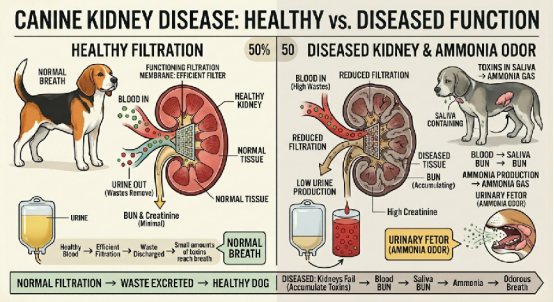
uremic breath dog
Key Symptoms to Watch For
Uremic breath rarely occurs by itself. It is usually part of a broader systemic toxicosis. Look closely for these accompanying signs of advanced kidney disease:
- Increased Thirst & Urination: The dog drinks excessively and urinates frequently because the kidneys can no longer concentrate urine.
- Gastrointestinal Distress: Frequent vomiting, diarrhea, total loss of appetite, and subsequent rapid weight loss.
- Oral Ulcers & Drooling: High toxin levels can cause painful ulcers on the gums, tongue, or inner lips, making the dog refuse food.
- Severe Lethargy: Marked weakness, depression, and a dull, unkempt fur coat due to accumulated body toxins.
- Pale Gums: A sign of anemia, which develops because failing kidneys stop producing the hormone needed to make red blood cells
Recognizing the Symptoms of Kidney Disease in Dogs
The kidneys are remarkably resilient organs; even if a significant portion of them has been damaged, the remaining healthy tissue will continue to function. This is precisely why kidney disease is often difficult to detect in its early stages. To ensure you do not miss the optimal window for treatment, I have categorized these symptoms into early, intermediate, and late stages to help you identify the problem promptly.
Early Symptoms of Kidney Disease in Dogs
In the early stages of kidney disease (typically corresponding to Stages 1–2 of the IRIS staging system), symptoms are often very subtle. They can easily be mistaken for signs of “old age” or simply “hot weather.”
- Excessive Thirst and urination are classic early warning signs. You may notice that your dog’s water bowl empties much faster than usual, while the frequency of urination increases—sometimes even leading to accidents indoors. This occurs because, as kidney function declines, the kidneys’ ability to concentrate urine diminishes; the body then attempts to flush out toxins through dehydration, compelling the dog to drink large quantities of water to replenish lost fluids.
- Decreased Appetite: The dog begins to become finicky or picky about food.
- Lethargy: Playtime becomes shorter, while the amount of time spent sleeping increases.
If the condition is detected early and treated correctly, the dog’s life expectancy can be extended by 1 to 3 years—or even longer—while maintaining an excellent quality of life.
Symptoms of Advanced (Stage 3) Renal Disease in Dogs
When looking at bad breath in dogs with kidney failure, the concentration of toxins becomes extremely high
- Vomiting and Diarrhea: The accumulation of toxins constantly irritates the mucous membranes of the gastrointestinal tract, leading the dog to frequently experience nausea, vomiting, and loose stools.
- Weight Loss and Muscle Atrophy: Chronic loss of appetite, combined with the depletion of nutrients—particularly proteins—results in significant weight loss and emaciation.
- Oral Ulcers and Pale Gums: Toxins trigger severe uremic gastritis and stomatitis; upon close examination of the dog’s mouth, you may observe ulcers—and even bleeding—on the tongue and gums. Additionally, a reduction in the kidney’s production of erythropoietin leads to anemia, manifesting as pale gums.
- Severe and Persistent Halitosis: This includes the aforementioned ammonia-like odor.
For dogs diagnosed with Stage 3 (advanced) chronic renal disease, the average life expectancy typically ranges from 3 months to 1 year, though this depends largely on their response to treatment.
Symptoms of Acute Renal Failure in Dogs
Unlike chronic kidney disease, acute renal failure strikes suddenly—much like an unexpected calamity. It is typically triggered by the accidental ingestion of toxic substances, severe infections (such as leptospirosis), or dehydration leading to shock.
If your dog suddenly exhibits any of the following symptoms, it is imperative that you take them to a veterinary hospital for an examination immediately:
A sudden, drastic increase in urine output (or a complete absence of urination), sudden and severe vomiting, weakness and unsteadiness while walking, or abdominal tenderness upon touch.
Which Toxins Can Cause Kidney Failure in Dogs?
Acute kidney failure is typically caused by a dog accidentally ingesting toxic substances. Dogs are highly curious and voracious animals; unfortunately, items and foods that appear entirely ordinary in our daily lives can prove to be deadly poisons for them.
Quick Reference Guide: Common Nephrotoxic Substances for Dogs
| Common Items | Toxic Ingredients | Causes of Kidney Damage | Remark |
| Automotive Antifreeze | Ethylene Glycol | Its sweet taste makes it prone to accidental ingestion; once ingested, it forms crystals within the body that obstruct the renal tubules, potentially triggering acute kidney failure within a matter of hours. | Extremely lethal—a single teaspoon is enough to kill. |
| Human Painkillers | Ibuprofen, Aspirin, Acetaminophen/Paracetamol | Suppresses renal tubular blood flow, leading to renal tubular necrosis. | Feeding human medication is strictly prohibited. Never give your dog Advil, Tylenol, or Motrin without veterinary supervision. |
| Toxic Fruits | Grapes / Raisins | This leads to severe necrosis of the renal tubular epithelial cells. The dog will exhibit severe vomiting and anuria or oliguria, ultimately resulting in acute renal failure. | There is no safe dose of grapes or raisins for any dog |
| Sugar substitute | Xylitol is commonly found in chewing gum and peanut butter. | It triggers a massive release of insulin, leading to fatal hypoglycemia; when ingested in high doses, it causes acute hepatic necrosis and secondary renal injury. | “Commonly found in human snacks; keep out of reach. |
| Environment and Plants | Rhubarb leaves, specific oxalate-containing plants, mycotoxins, heavy metals (lead/mercury) | Oxalates crystallize in the kidneys; mycotoxins (such as those found in moldy food) and heavy metals undergo chronic accumulation, directly damaging the nephrons. | Be alert for rummaging through trash cans or accidental ingestion outdoors. |
Note: If you discover that your dog has accidentally ingested any of the substances listed above, please remain calm. Take a photograph of the product packaging—specifically the ingredients list—and contact a veterinarian immediately. In cases of acute poisoning, getting your dog to the clinic even one minute sooner significantly increases the chances of preserving their kidney function.
Management and Treatment of Canine Kidney Disease
According to the clinical guidelines for the diagnosis and treatment of canine kidney disease—jointly issued by the American College of Veterinary Internal Medicine (ACVIM) and the International Renal Interest Society (IRIS)—”the management of canine kidney disease is by no means a singular medical act; rather, it is a systemic undertaking that requires the close integration of ‘professional clinical care’ and ‘long-term home care’.”
Professional Medical Care
Fluid Therapy
Whether the condition is acute renal failure or chronic kidney disease, fluid therapy remains a critical and indispensable treatment modality.
Intravenous (IV) Fluid Therapy: A professional veterinarian will precisely calculate the fluid infusion rate. By continuously administering fluids directly into the bloodstream, this method effectively lowers levels of creatinine and blood urea nitrogen (BUN), thereby mitigating the accumulation of toxins.
Subcutaneous (SQ) Fluid Therapy: Following discharge from the clinic—since dogs suffering from kidney disease are often unable to consume sufficient water on their own—your veterinarian will instruct you on how to administer subcutaneous fluids at home (injecting fluid beneath the skin, typically in the nape of the neck, for the body to absorb naturally). This practice serves to effectively prevent dehydration and maintain the dog’s fluid balance.
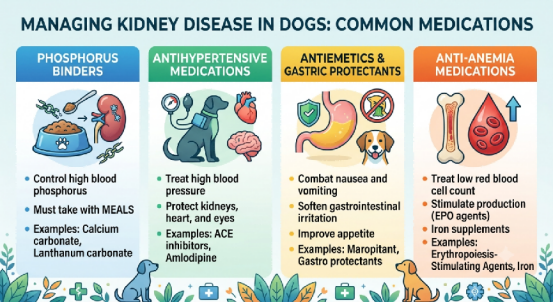
Prevention of Complications
In addition to processing and filtering waste, the kidneys also perform functions such as regulating blood pressure and promoting erythropoiesis.
Which Dog Food Is Beneficial for Kidney Health?
For dogs suffering from kidney disease, their daily diet plays a pivotal role in determining their longevity. Many dog parents frequently ask: “Which dog food is beneficial for the kidneys?” The answer is: specialized veterinary prescription diets formulated for kidney health.
- Regular Dog Food: In an effort to maximize nutritional value and palatability, standard dog foods often contain high levels of protein, phosphorus, and sodium. While these ingredients are undoubtedly delicious for healthy dogs, they can be life-threatening for dogs with kidney disease, as their compromised kidneys are no longer capable of processing and eliminating these excess nutrients.
- Kidney Prescription Diets: High-quality kidney prescription diets feature extremely low levels of phosphorus and sodium, contain high-quality protein in appropriate amounts, and are rich in Omega-3 fatty acids. This specific combination of ingredients effectively reduces the strain on a dog’s kidneys.
Additionally, it is crucial to encourage your dog to drink plenty of water to prevent them from falling into a state of chronic dehydration.
How to Encourage a Kidney-Diseased Dog to Drink More Water
Because dehydration accelerates kidney damage, keeping your pup hydrated is your top priority. If your dog is reluctant to drink, try these proven strategies:
- Use Pet Water Fountains: Moving water is highly attractive to dogs as it mimics fresh water in nature. Opt for fountains with multi-stage carbon filters to remove any chemical tastes or odors that might deter a sick dog.
- Add Low-Sodium, Onion-Free Bone Broth: Boost the flavor of their water by mixing in a small amount of homemade bone broth. Ensure it is entirely free of salt, onions, and garlic. You can freeze the broth into ice cubes and drop one into their water bowl.
- Incorporate Safe Dog Water Additives: Quality dog water additives can improve the overall taste of the water while simultaneously supporting oral health. Always check the ingredient list to ensure they are free from artificial dyes or high mineral contents that could stress the kidneys.
- Switch to Prescription Wet Food: Standard kibble only contains about 10% moisture, whereas kidney prescription canned food contains 70% to 80% water, seamlessly hydrating your dog during mealtime.
Summary:
Having read through this entire article, you likely now have a preliminary understanding of kidney disease in dogs. Regardless of whether your own dog currently suffers from this condition, it is crucial to pay close attention to daily care guidelines and take proactive preventive measures.
Veterinary Medical Disclaimer: This article is for informational and educational purposes only and should not be considered a substitute for professional veterinary advice, diagnosis, or treatment. Always consult your veterinarian if you suspect your dog is ill.
FAQ:
Q1: Can dogs detect kidney disease in humans?
Absolutely. Specially trained medical detection dogs do indeed possess this incredible ability.
Q2: Can kidney failure in dogs be reversed?
The answer is not a definitive “yes” or “no.” Acute kidney failure: Potentially reversible. Chronic kidney disease: Irreversible.
Q3: How can one distinguish between ordinary bad breath in dogs and bad breath caused by kidney disease?
Ordinary bad breath in dogs is typically caused by dental issues and presents as a fishy or rotten odor. Bad breath associated with kidney disease, however, carries a pungent smell of ammonia, urine, or metal. If brushing the teeth or using dog water additives fails to alleviate the odor, it usually indicates that the problem lies within the internal organs rather than the oral cavity.
-
Sale!

Pet Wipes Cat Dog Circle Wipes for Cleaning Eyes
Original price was: $6.99.$2.99Current price is: $2.99. Read more -
Sale!

50 Pcs Top Nose Cleaning Finger Wipes Natural & Non-Irritating
Original price was: $6.89.$3.45Current price is: $3.45. Add to cart -
Sale!
Gentle Pet Ear Drops for Dogs Cats Ear Care & Wax Removal
Original price was: $6.19.$5.99Current price is: $5.99. Add to cart