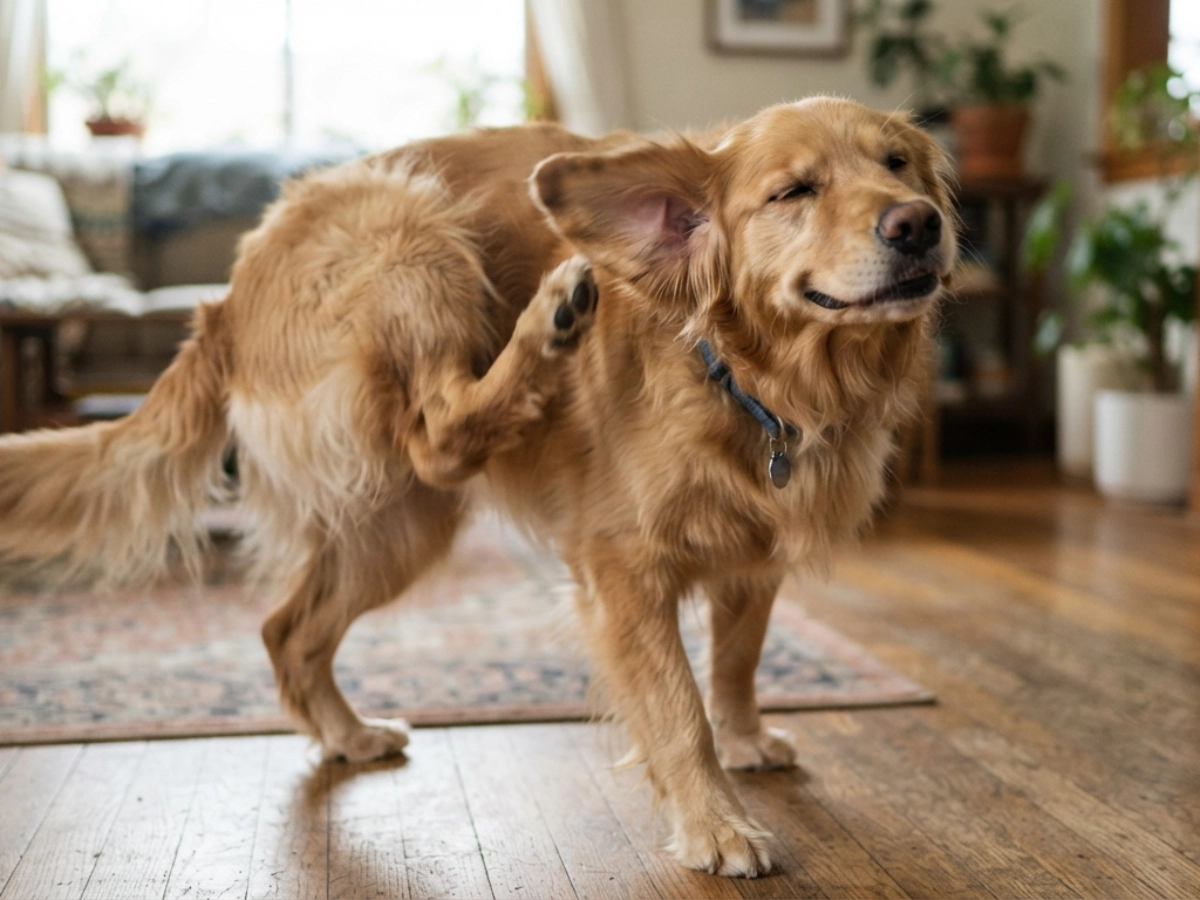

When I was still working at a pet supplies store, the most frequently asked question was, “Is there anything that can prevent bad breath in dogs without brushing their teeth?” I completely understand why the master would ask this. Brushing a dog’s teeth is like a battle; dogs always show a stubborn refusal, are extremely resistant, a scene comparable to a wrestling match.
At that time, I could only recommend dental chews. But today, with breakthroughs in veterinary oral medicine, we have a more efficient option. Dog dental supplements provide a cleaning solution without the hassle of brushing.
Many people are confused when they first hear about dental supplements: are they powders? Mouthwashes? Or gummies like vitamins? In fact, the mainstream dental supplements for dogs currently come in three main forms, but their core goal is the same: to reduce pathogenic bacteria in the mouth, break down existing plaque, and prevent the deposition of calcium ions to form new tartar without you having to brush.
Dental powder usually contains dextranase and glucose oxidase. Dextranase can break down the biofilm of plaque, causing bacterial clumps that stick to teeth like superglue to fall off, while glucose oxidase has antibacterial effects. During the breakdown of food residues, it produces trace amounts of hydrogen peroxide, creating an environment that bacteria do not like to live in. The powder needs to be mixed into food, and with each chew and swallow, the active ingredients remain in the mouth for a short time to take effect.
Water additives mainly rely on stable chlorine dioxide or zinc ions. Zinc ions can inhibit bacterial metabolic enzymes. These products only need to be dropped into the water dispenser, are colorless and tasteless, and dogs cannot perceive them at all. If you want to learn more about water additives, you can read our article: 2026 Best Water Additive for Dogs
Chewable tablets: the active ingredients are mainly seaweed extracts, such as Ascophyllum nodosum, and some products also contain yeast beta-glucan and other ingredients. After the dog ingests them, the active ingredients are absorbed through the intestines into the blood, then secreted back into the mouth through the salivary glands, changing the chemical composition of the saliva from the inside, making plaque more difficult to adhere to teeth and harder to mineralize into hard tartar.
According to a randomized double-blind placebo-controlled clinical trial published in 2018 in the international veterinary journal Frontiers in Veterinary Science (60 dogs, 90 days), chew treats containing Ascophyllum nodosum significantly reduced plaque index by 22%-42% and tartar index by 29%-46%, and also lowered volatile sulfur compound concentration, improving halitosis.
Reduction in Plaque Area
This is currently the most well-researched area. Several randomised controlled trials have shown that daily use of dental supplements (such as enzyme formulas, brown algae, probiotics, etc.) can significantly reduce plaque and tartar.
In a 30-day, randomized, double-blind, placebo-controlled trial, dogs given an oral enzyme + probiotic supplement twice daily showed reductions in plaque, gingivitis, and bad breath by up to 61–67%, while the placebo group showed little improvement. In another clinical trial focusing on brown algae, dogs that had the ingredient added to their food daily for 90 consecutive days experienced approximately a 46% reduction in plaque and around a 5% reduction in tartar, with multiple studies confirming its effectiveness and receiving VOHC certification. Another study tested daily dental chews for 60 days, showing around a 14% reduction in plaque and about a 27% reduction in tartar.
With consistent use, you will notice that the yellowish-white, slimy layer on the surface of your teeth (dental plaque biofilm) becomes thinner. If you gently scrape it with your fingernail, what used to come off as a sticky layer may now leave only a slight trace.
Improving bad breath
This is the result of a consumer test. 500 dog owners used different brands of powdered or liquid additives and self-assessed the severity of bad breath. Why does bad breath improve fastest? Because the main source of bad breath in dogs is volatile sulfides, which produce a rotten egg smell when bacteria break down food residues and shed oral epithelial cells. Enzymes or zinc ions in dental supplements can quickly inhibit the activity of odor-producing bacteria, so bad breath is usually the first symptom to be eliminated.
My own Corgi, Yu-Tou, on the third night of using Pup Dose powder, jumped onto the bed as usual before I went to sleep and licked my face—that moment I was stunned, not with disgust, but surprised to find that it no longer smelled. The former smell, like fermented fish cans mixed with rotting vegetable leaves, had disappeared.
Extending intervals for professional dental cleaning
The cost of professional dental cleaning (including anesthesia, scaling, polishing, and preoperative examination) in the US typically ranges from $350 to $1,500+, depending on the severity of periodontal disease and whether additional treatments such as extractions are required.
Daily home care, such as brushing teeth every day and using VOHC-certified dental treats or supplements, has been proven to significantly reduce plaque and tartar and slow the progression of periodontal disease. In theory, with good home care, the periodontal progression in some dogs can be slowed, allowing the interval between professional dental cleanings to be extended (for example, from once a year to once every 1.5–2 years).
Using an average cost of $500–$1,500 per cleaning, if the cleaning frequency changes from once a year to once every 2 years, even after deducting the cost of supplements, several hundred dollars could still be saved per year.
Higher acceptance
Dogs have a far higher acceptance of toothbrushes. Brushing teeth is indeed the best way to prevent periodontal disease in dogs, and the American Animal Hospital Association (AAHA) clearly states that daily brushing is the gold standard. However, in reality, adherence to brushing is very low.
In a survey of 1,000 pet owners in Canada, 43% of dog owners had never brushed their dog’s teeth, and only 8% brushed daily. A study in Sweden on dogs diagnosed with periodontitis found that even after owners received veterinary guidance, only 42% could brush daily, mainly because the dogs were uncooperative and it was difficult to establish a routine.
In contrast, the use of non-brushing methods such as dental chews and water additives is significantly higher: in the same Canadian survey, 38% of dog owners gave dental chews or oral care products to their dogs daily (11% multiple times a day + 27% once a day), and 72% used them at least once a week. In North America and Western Europe, giving dental chews daily has become a routine in over 40% of dog-owning households.
Clinical studies have also shown that one dental chew a day is as effective in reducing plaque as brushing every other day. This means that for many dogs and households, supplements and dental chews are much more acceptable and feasible than brushing, and therefore, their practical use far exceeds brushing.
Highly recommended:
Not recommended:
Based on cost-effectiveness and genuine user reviews, I prefer powdered dental supplements.
This is also the first choice for most households. Choose products containing both glucanase and glucose oxidase as main ingredients. The brand I personally use and recommend is Pup Dose, with a user satisfaction rating of 4.6/5, costing about $0.45 per day. DentaClean is also a reliable option, with a user satisfaction rating of 4.4/5, costing about $0.50 per day, but some dogs do not like its taste, so it is recommended to try a small package first.
If your dog drinks water steadily and is not fussy about water taste, you can use both powder and liquid. Mix the powder into the dog’s bowl and add dental water to the drinking water throughout the day to continuously inhibit bacteria. Doing so will improve oral health more quickly. If your dog completely refuses any additives, don’t give up. Start with using dental chews 2-3 times a week and a veterinary check-up once a month, which is better than doing nothing.
The real function of dental supplements is to prevent the formation of new tartar and to assist in removing early soft plaque. For already hardened thick tartar, please consult a vet for professional cleaning first, then use supplements to maintain it.
Each dog varies in age, breed, health condition, medication use, and allergy history. Before starting any new dietary supplement, be sure to consult a licensed veterinarian.
Dental supplements cannot replace professional veterinary dental treatment. If your dog exhibits any of the following symptoms: severe bad breath with loose teeth; spontaneous gum bleeding or pus; obvious pain while eating, such as picking up food and dropping it; drooling; chewing only on one side; facial swelling; or oral lumps, please book an appointment with a vet immediately for a full examination and necessary treatment, and do not postpone it by self-administering supplements.