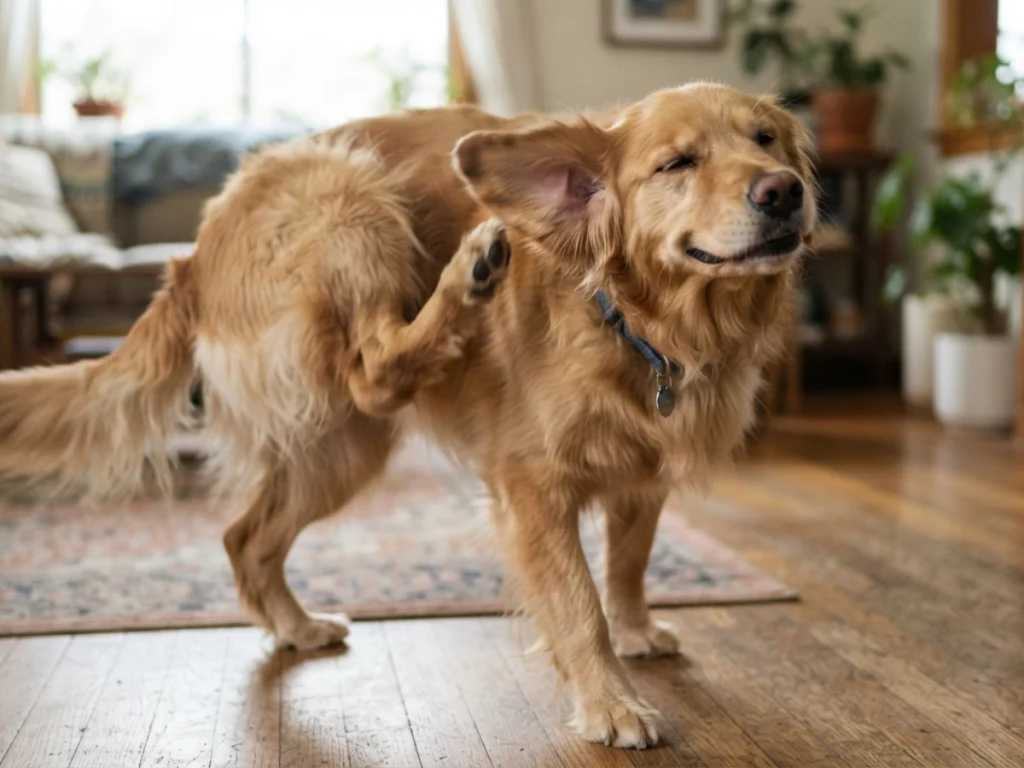
Dog dry skin is a common condition characterized by flaking, dandruff (dry seborrhea), and itchiness, often triggered by environmental factors, nutritional imbalances, or underlying health issues. By catching these signs early, any dedicated pet parent can help restore their fur baby’s skin barrier before secondary infections set in.
Article Summary
Core Causes: Triggered by environmental low humidity, nutritional imbalances, or underlying health issues.
Typical Symptoms: Manifests as white flakes, scaling, intense itching, and a dull coat.
Scientific Relief: Combines internal nutritional support with gentle external moisturization.
Professional Care: Follows industry grooming standards and advises timely veterinary consultation.
When you notice white flakes on the couch or your pup won’t stop scratching, it might be more than just a seasonal annoyance—it’s a crucial sign that your dog’s skin barrier has been compromised. In modern indoor environments, factors like low humidity and central heating often exacerbate these issues, turning what might look like minor winter flaking into persistent skin discomfort.
This in-depth guide offers a clear, actionable look at environmental triggers, clinical nutrition solutions, professional grooming science, and vital veterinary insights designed to help you restore and maintain your dog’s skin health.
1. High incidence of endocrine conditions like hypothyroidism and Cushing’s disease 2. Diseases slow down metabolism and exhaust sebum secretion
Thin, extremely dry skin, symmetrical hair loss, dark pigment patches, or comedones (pimples)
Dog Dry Skin Symptoms
Dry skin in dogs can usually be identified through changes in behavior, coat, and skin surface. Here are the core symptoms to watch for:
Skin & Coat Changes
White Flakes / Dandruff: A heavy presence of fine white powder or scales on the fur or skin surface, similar to human dandruff.
Dull Coat: Lacking sebum nourishment, the dog’s coat loses its natural sheen, becoming dry, rough, and prone to matting.
Abnormal Hair Loss: Dry skin weakens hair follicles, triggering generalized hair shedding or even irregular bald patches. Severely damaged follicles may fail to regrow new hair.
Behavioral Changes
Frequent Scratching: Dryness is typically accompanied by intense itchiness, causing the dog to constantly scratch themselves with their hind legs.
Licking & Biting: Dogs will repeatedly lick or chew at itchy areas, especially their paws, belly, inner thighs, and the base of the tail.
Rubbing Against Surfaces: Frequently rubbing against carpets, couches, or corners of walls in an attempt to relieve skin discomfort.
Restlessness: Due to persistent itching or stinging, dogs may display signs of restlessness or anxiety.
Severe Secondary Symptoms
Redness & Inflammation: Long-term scratching and licking cause damaged skin to become red, swollen, or even trigger skin conditions like hot spots (acute moist dermatitis) or atopic dermatitis.
Scabs & Crusts: Broken skin forms hard scabs as it heals; if left untreated, this easily triggers secondary bacterial or fungal infections.
Fusty Odor: When dryness compromises the skin barrier and is accompanied by abnormal sebum secretion (such as seborrhea) or infection, the dog may emit an unpleasant odor.
Secondary Bacterial & Fungal Infections (Pyoderma): Dryness leads to skin cracking accompanied by intense itching. Scratching and biting create microscopic, invisible wounds, allowing normally harmless resident skin bacteria (like Staphylococcus or Malassezia) to invade and multiply rapidly.
Why Does Your Dog Have Dry Skin?
The essence of canine dry skin is the loss of epidermal moisture-retention capacity (increased transepidermal water loss) and decreased sebum secretion, typically driven by five core factors:
1. Environmental Triggers: Winter Air & Central Heating
Extremely Low Indoor Humidity: Low humidity, central heating, and cold winter air drastically alter the indoor microclimate, robbing your dog’s fur and skin of essential moisture, leading to tight, dry skin and heavy scaling.
Seasonal Weather Transitions: During autumn and winter, sudden drops in temperature cause blood vessels to constrict, resulting in a sharp decline in sebum and sweat gland secretion.
2. Grooming & Physical Damage
Overbathing: Bathing too frequently strips away the natural lipid layer protecting the skin.
Using Human Shampoo: Human skin is slightly acidic (around pH 5.5), while dog skin is slightly alkaline (pH 7.0–7.5). Using human shampoo disrupts the skin’s acid mantle, leading to extreme dryness.
Excessive Water or Blow-Dry Heat: Using overly hot water for baths or blowing hot air directly from a hair dryer onto the skin rapidly evaporates epidermal moisture.
3. Parasite & Microbial Infestations
External Parasite Bites: Mites and flea bites trigger localized inflammation, disrupting epidermal integrity and accelerating moisture loss.
Fungal & Bacterial Infections: Conditions like ringworm or pyoderma cause thickening of the stratum corneum and scaling, presenting as rough, dry skin.
4. Metabolic & Endocrine Disorders
Hypothyroidism: Severely slows down metabolism and causes sebaceous gland atrophy, leading to generalized skin dryness and symmetrical hair loss.
Cushing’s Disease (Hyperadrenocorticism): Excess cortisol thins the skin and breaks down elastic fibers, virtually destroying its moisture-locking capability.
5. Nutritional Deficiencies
Lack of Essential Fatty Acids: A long-term deficiency in Omega-3 and Omega-6 fatty acids (such as fish oil or flaxseed oil) causes the skin’s natural lipid barrier to collapse.
Vitamin A & E Deficiencies: Lacking key vitamins needed to maintain epithelial tissue integrity hinders proper skin cell repair.
Dog Dry Skin Remedies & Solutions at Home
The core of fixing a dog’s dry skin lies in a “two-pronged approach of topical hydration and inner nutrition.” By adjusting to a high-quality diet and scientifically supplementing with essential fatty acids, you can fundamentally strengthen the skin barrier and maintain skin health.
The Connection Between Dietary Nutrition and Skin Health
High-Quality Diet Needs: Many Redditors strongly recommend adding liquid fish oil (such as salmon oil, cod liver oil, or krill oil) to dog food or feeding sardines rich in healthy fats, which is widely believed to significantly improve coat shine, reduce dandruff, and ease seasonal itching.
Essential Fatty Acid Supplementation: Scientifically supplement with Omega-3 and Omega-6 fatty acids, for instance, through nutritional reinforcement with fish oil or flaxseed.
Professional Guidance & Skin Supplements: Under the guidance and evaluation of a professional veterinarian, reasonably use skin supplements for targeted conditioning.
The WSAVA (World Small Animal Veterinary Association) Nutritional Assessment Guidelines clearly propose “diet” and “nutrients” as the two core dimensions of pet nutritional assessment. Instead of focusing on just one single ingredient, comprehensive formulation management must ensure a scientific ratio of high-quality nutrients such as protein, essential fatty acids (Omega-3 and Omega-6), Vitamin A, Vitamin E, and zinc to maintain cellular integrity and the skin’s moisture-locking barrier in dogs.
Proper Daily Home Care & Topical Treatment Guide
External care should follow the principles of low stimulation and gentle moisturization; strictly avoid blindly using human skincare products. Scientifically adjusting bathing frequency and using professional grooming products can quickly relieve redness, itchiness, and flaking.
Grooming & Topical Care Points
Experienced pet parents point out that overbathing is the culprit behind worsening dry skin and dandruff, as frequent washing strips away the skin’s natural protective oils. It is recommended to significantly reduce bathing frequency during the dry season unless the dog is covered in mud or has an odor.
Shampoo Selection: Human shampoo is strictly forbidden. You must use pet-specific soothing and moisturizing shampoos formulated with oatmeal, ceramides, or amino acid bases.
Environmental Regulation: Use a humidifier indoors to combat winter air.
Coat Brushing: Regularly perform grooming (daily brushing) to prevent matted fur,Please use a detangling spray to soften the hair before combing.
Control Bathing Water Temperature: Keep the water temperature between 35°C–38°C (lukewarm to cool). Water that is too hot will completely wash away the remaining protective sebum on the skin surface.
Strictly Avoid Direct Blow-Dry Heat: After a bath, thoroughly dry with an absorbent towel. Set the hair dryer to warm or cool and keep it at least 20 cm away from the skin to avoid baking the epidermis.
Apply Topical Skin Moisturizers: After a bath or for daily dry spots, use pet-specific moisturizing sprays, ceramide drops, or lotions to directly hydrate and lock in moisture for the stratum corneum.
Topical Application of Coconut Oil: Apply pure coconut oil directly to dry areas of the dog’s skin (such as elbows, belly, or leg dry patches), but the Reddit community generally reminds us: since dogs will lick, you must ensure the amount is minimal and stay close or intervene after application to prevent them from licking it right off.
Strict Regular Parasite Control: Administer monthly parasite preventatives on time (such as products containing selamectin, fipronil, afoxolaner, etc.) to rule out hidden skin allergies and inflammation caused by parasites.
Apple Cider Vinegar: A few Reddit users share a remedy of diluting apple cider vinegar with warm water in specific ratios as a post-bath spray or local wipe to help balance the skin’s surface microbiome.
Follow the Fear Free Pets certification philosophy to minimize fear and stress during baths and blow-drying.
For advanced coat conditioning and skin microbiome balance, refer to industry-authoritative grooming standards (such as PPGSA Professional Pet Groomers & Stylists Alliance standards) and advanced coat conditioning systems (such as ICPA International Certified Pet Aesthetician systems).
Environmental Optimization & Daily Behavioral Intervention: Cutting Off External Catalysts
Adjust Indoor Humidity: Redditors universally suggest placing a humidifier in the room where your dog sleeps. Keep the air humidity between 40%–60% during winter heating or summer air conditioning.
Avoid UV Overexposure: Limit outdoor outings during the harsh midday sun to prevent UV rays from further damaging the skin barrier.
Block Scratching: If your dog has started frequent scratching or licking, an Elizabethan collar (cone) must be worn immediately. Skin barrier repair requires absolute rest; a single scratch can wipe out a week of healing progress.
When to Seek Veterinary Help?
If there is no improvement after implementing the above regimen for 2 weeks, or if your dog shows the following symptoms, it may indicate an underlying disease requiring prescription treatment and you must see a vet:
The skin develops small pustules, red rashes, weeping, or emits a sour, foul odor (indicating bacterial/fungal infection requiring topical ointments or antibiotics).
The dog experiences large, symmetrical hair loss (suggesting potential endocrine issues like hypothyroidism).
Frequently Asked Questions (FAQ)
Q1: If a dog is scratching frequently and has a lot of dandruff, does it definitely have a skin disease?+
Not necessarily. Dry indoor air and low humidity in the winter can also cause simple dehydration[cite: 1]. Medical attention is only needed if accompanied by hair loss or redness[cite: 1].
Q2: Can I directly use human lotion or home remedies on my dog at home?+
Not recommended. The pH balance of human skincare products differs from dogs, so you should choose pet-specific topical products[cite: 1].
Q3: Why are a dog’s dry skin and itching problems significantly worse in the winter?+
Because indoor central heating and low-humidity environments quickly strip away surface skin moisture[cite: 1].
Q4: How should I improve my dog’s skin health through diet?+
Choose a high-quality diet meeting AAFCO standards[cite: 1], and add fish oil or skin supplements under a veterinarian’s guidance[cite: 1].
Q5: When bathing my dog, what frequency and product choices should I keep in mind?+
Control bathing frequency to avoid overbathing[cite: 1], choose a hypoallergenic oatmeal shampoo[cite: 1, 2], and follow PPGSA and Fear Free certification standards[cite: 3].
Disclaimer:
The content in this article is for educational and informational purposes only and does not constitute professional veterinary diagnosis, medical advice, or treatment plans. If your furry friend exhibits skin redness, persistent itching, or health abnormalities, please be sure to promptly consult a licensed veterinarian and avoid self-medicating blindly.
Related articles
How to Clean Dog Without Bath? My Fast 5-Minute Routine
Dog muddy after a walk? Learn how to clean dog without bath using quick, stress-free grooming wipes to keep their paws and skin safe and fresh.
Why Is My Dog Losing Teeth? A Vet-Approved Guide to Dog Teeth Loss
Found a tooth on the floor? Discover why adult dogs lose teeth, how to spot hidden dental pain, and the exact steps to keep your pup happy and healthy.