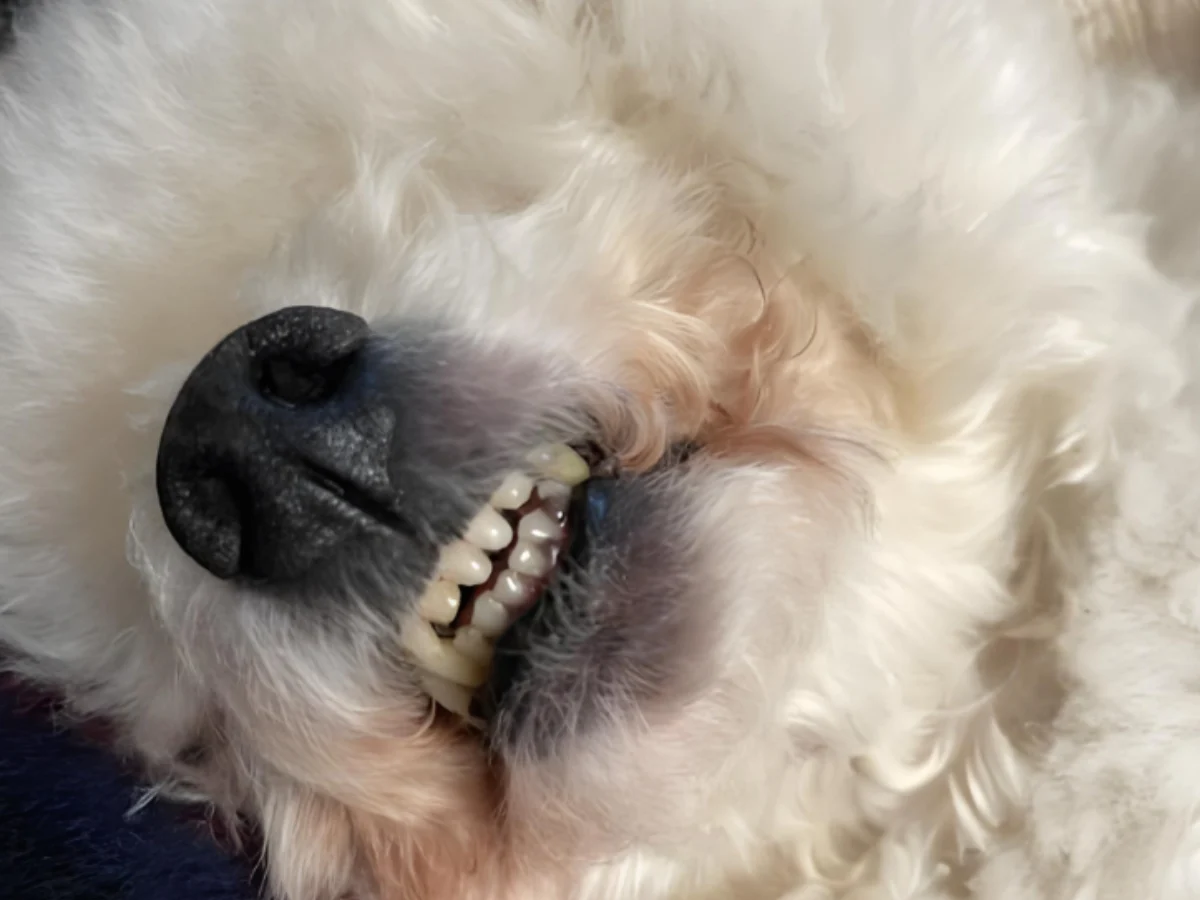

Puppies often go through a phase where they chew on things frequently, making the house messy. You might be considering puppy dental chews to satisfy their natural urge to chew while also helping keep their teeth clean. This is indeed a good idea, but one crucial point to note is that many pet owners use different products at the wrong stage. This is because a puppy’s oral health needs change throughout different stages of development.
According to the American Veterinary Medical Association (AVMA), establishing proper oral care habits early is important, but products must match the puppy’s developmental stage. So what are the differences? The following will analyze them one by one.
Why Puppies Need a Different Dental Care Approach
Many dog owners have a misconception: adult dogs can use dental chews to reduce plaque, and puppies should start as early as possible. However, this is not the case. A puppy’s developing teeth and digestive system may not be ready for certain dental products.
During the first few months, a puppy’s teeth grow and change rapidly. Their gums are very sensitive, and their chewing and swallowing skills are still developing. Introducing dental products too early can place unnecessary stress on their teeth and digestive system.
Understanding what to use—and when—is key to keeping your puppy safe and healthy.
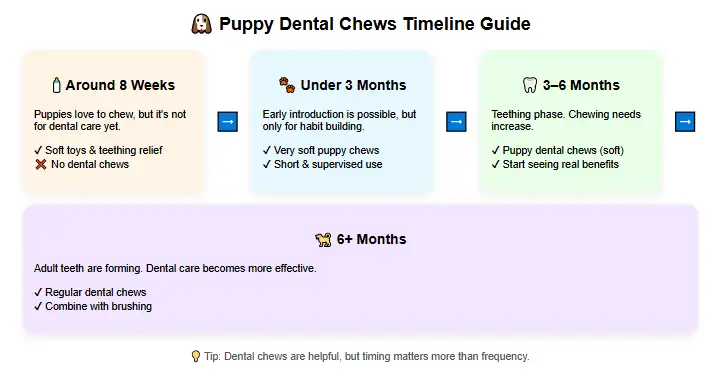
Around 8 Weeks Old: Chewing Begins, but Dental Chews Aren’t Necessary Yet
Most puppies arrive in their new homes at around eight weeks old, leaving their mother’s care. At this stage, they naturally begin chewing on household items. Many owners think of giving them dental chews, but this is too early.
Puppies’ gums and teeth are very sensitive at this age, and chewing hard products can cause gum irritation, difficulty swallowing, or digestive upset. Instead, soft chew toys are the safest option. Products with dental cleaning properties are unnecessary at this stage.
Under 3 months: Focus on Training, Not Dental Care
It may be possible to introduce certain puppy-specific dental chews before three months of age, but at this time, it is not for dental care, but only to establish safe chewing habits.
Tips for this stage:
- It should be done under the supervision of the owner, and the usage time should not be too long.
- Choose products that are soft enough and easily decomposed, specifically designed for puppies under three months old.
- Avoid products that are high in fiber or contain a lot of artificial additives, as these ingredients may increase the risk of digestive upset in young puppies. The FDA pet food safety page recommends paying close attention to ingredient transparency and product safety standards when choosing pet consumables.
3 to 6 Months: The Golden Period for Teething
This is the primary teething stage for most puppies, when their desire to chew is at its peak. Their teeth are still vulnerable, so it’s important to select chew products carefully.
Guidelines:
- This helps build a strong foundation for healthy teeth and proper chewing habits in the future.
- Choose softer chews, preferably those specifically designed for puppies.
- Gradually increase chewing time as your puppy grows, allowing them to adapt to puppy dental chews safely.
After 6 months: Use with confidence
At this stage, the puppy has completed its teething process, its teeth are gradually stabilizing, and its chewing ability is much closer to that of an adult dog. Only then can dental chews truly play a cleaning role.
Dental chews can be a helpful supplement to an oral care routine, but the real solution for maintaining a dog’s oral health is brushing its teeth. The American Animal Hospital Association (AAHA) dental care guidelines emphasize that daily brushing remains the gold standard for long-term dental health.
If your dog dislikes toothbrushes, adding oral cleaning products to their daily routine may also help. You can refer to this Vilipets article about the best water additive for dogs to understand which ingredients are considered safer and more effective for plaque control.
Buying Guide: Which dental chews are safe for puppies?
When selecting puppy dental chews, safety and reliability are key. Keep these three points in mind:
- Hardness Test: Press the chew firmly with your thumb. If you can’t press it down, it’s too hard and can easily damage your puppy’s gums and break baby teeth. The Veterinary Oral Health Council (VOHC) also recommends choosing products that have been tested for dental safety and effectiveness.
- Size: Puppies come in a wide range of sizes depending on their breed and age. Do not mix them up; it may pose a choking hazard or intestinal obstruction.
- Transparent ingredients: Avoid choosing dental chews that contain excessive artificial additives. Containing a lot of chemical additives. Instead, choose the best puppy dental chews with natural plant ingredients and probiotics to aid digestion.
Summary & Key Takeaways
Caring for your puppy’s teeth is all about matching the right product to their stage of development. To keep your pup safe and healthy, keep these three essentials in mind:
- Follow the Timeline: Use soft chew toys during the early and teething stages (under 6 months), and introduce standard dental chews only after their adult teeth are fully established.
- Prioritize Safety: Choose the right size, test hardness with your thumb, and select natural, gentle ingredients.
- Brush Regularly: Remember that dental chews are excellent supplements for plaque control, but they cannot replace daily toothbrushing—the gold standard of oral care.
By supervising your puppy’s chewing habits and introducing dental products gradually, you will pave the way for a lifetime of healthy smiles.
Veterinary Disclaimer
This article is intended for informational and educational purposes only and should not be considered a substitute for professional veterinary advice, diagnosis, or treatment. Every dog has unique health needs that may vary based on age, breed, size, medical history, and lifestyle. Always consult a licensed veterinarian before introducing new dental products, treats, supplements, or oral care routines.
Dental chews and other oral care products can support dental health but should not replace regular veterinary examinations or daily toothbrushing when appropriate. If your dog develops signs of oral pain, bleeding gums, difficulty eating, choking, vomiting, or other concerning symptoms, seek veterinary care promptly.
-
Sale!
50 Pcs Pet Ear Cleaning Finger Wipes for Dogs and Cats
Original price was: $5.19.$4.99Current price is: $4.99. Add to cart -
Sale!
disposable Universal multi-purpose pet cleaning wipes body fur care
Original price was: $6.28.$3.14Current price is: $3.14. Add to cart -
Sale!

disposable Finger-shaped dental cleaning wipes for pets fresh breath
Original price was: $6.68.$3.34Current price is: $3.34. Add to cart