

A dog’s bodily functions and overall health largely depend on the food it consumes. Some pet owners feed their dogs only one type of staple diet, making it crucial to choose appropriate food. Homemade dog diet may be the best option for your dog; however, before preparing it, consult a canine nutrition expert or veterinarian to help design a balanced nutritional plan.
Along with maintaining good oral hygiene, providing the best diet for dogs is one of the most effective ways to support long-term health, strong teeth, and overall well-being. The information provided here regarding dog feeding, homemade diets, and oral care is intended for general educational purposes only. Always consult a veterinarian or professional canine nutritionist before feeding your dog, as this content cannot replace personalized veterinary care or nutritional guidance. Please tailor your dog’s diet according to its individual health condition.
1. Why do some dogs appear energetic and healthy, while others suffer from bad breath, hair loss, and similar issues?
Can the food a dog eats every day really affect its health?
Food affects a dog’s health. A healthy dog should have bright eyes without discharge, clean and moist mouth, white teeth with no missing or broken teeth, a bright red tongue, a wet nose tip, and shiny fur. The World Small Animal Veterinary Association (WSAVA) refers to nutrition as the “fifth vital sign,” emphasizing that long-term canine health should be maintained through complete, balanced diets and regular nutritional assessments.
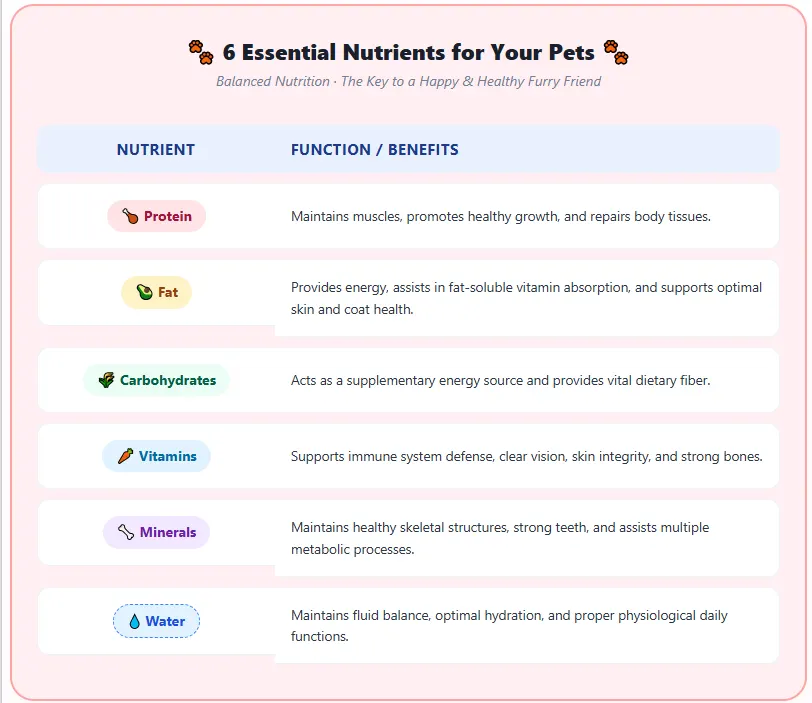
Dog food should contain essential components such as protein, fat, minerals, vitamins, and water to replenish bodily nutrient consumption and provide energy for daily activities. Water is an essential nutrient for dogs. A well-balanced ratio of these nutrients ensures optimal digestion and absorption, supporting the dog’s healthy growth and development.
What constitutes a truly healthy diet for dogs?
● Animal-based foods: such as fish, meat, eggs, and dairy products—these are generally palatable, easy to digest, and rich in vitamins and proteins.
Note: Fish and meat may carry parasites; they should always be cooked thoroughly before feeding. Dogs with poor tolerance to dairy products should avoid milk and dairy derivatives.
● Plant-based foods: such as carrots, pumpkins, and leafy greens. When choosing these, fresh and juicy ingredients are ideal. They should be cooked but not overcooked, as excessive cooking can destroy vitamin balance. These should be fed in moderation.
● Use VOHC-certified dental diets as part of oral care, combining dry and wet food to increase water intake and reduce oral bacteria. Regularly brush your dog’s teeth or use dog-specific dental wipes after meals to maintain oral hygiene.
2. What are the core principles of an ideal dog diet?
What nutrients should a balanced dog diet include?
A balanced dog diet should provide appropriate proportions of protein, fat, carbohydrates, vitamins, minerals, and water to support growth, immunity, bone health, coat condition, and overall well-being.
Why are more and more pet owners turning to natural diets?
Homemade natural diets contain no excess artificial preservatives or food additives, making ingredients more reassuring. Fresh, mild ingredients are easily digestible, ideal for dogs with sensitive stomachs or those prone to loose stools. Adequate moisture helps address insufficient water intake, meeting the diverse nutritional and taste needs of different dogs. As pet care perspectives evolve, owners are no longer satisfied with simply feeding their pets enough; they now place greater emphasis on how diet supports their dogs’ overall health.
3. Is homemade dog food really healthier?
How to prepare a more balanced diet for dogs at home?
Homemade Nutritious Meal:
Ingredients: millet, cabbage, beef or lamb rib bones, vegetable oil, carrots.
Instructions: Cook the millet into millet rice. Chop the cabbage and carrots finely. Take a whole rib bone and place it in a pot with water and a small amount of vegetable oil. Cook under high pressure until tender, then remove the bones. Mash all ingredients together thoroughly, mix well with the cooked millet rice, and cook briefly over low heat. Once cooled, transfer to a container and refrigerate. When feeding, take one portion of this mixture, reheat it, and mix with one portion of commercial dog food.
Chicken and Egg Custard:
Ingredients: 500g milk, 2 eggs, 1 cucumber, an appropriate amount of chicken, a small amount of coat-boosting powder or calcium supplement.
Instructions: Beat the eggs and mix them thoroughly with milk. Microwave for 3 minutes to form a custard. Finely chop the cucumber and chicken. Once the custard has cooled to room temperature, mix in the chopped vegetables and chicken, and add a small amount of coat-boosting powder or calcium supplement.
I once tried preparing homemade meals for my dog continuously for a month, only to find that providing adequate calcium and trace elements was far more complicated than I had imagined. Therefore, it’s essential to continually refine and improve the optimal dietary balance for dogs.
4. Raw, cooked, or commercial dog food? Which is better for an average household?
Is a raw diet really better than traditional dog food?
That is not the case. The CDC does not recommend feeding cats and dogs raw meat-based diets or raw meat treats, as these foods can easily carry harmful bacteria such as Salmonella and Listeria. Not only can they make pets sick, but there’s also a risk of infection spreading to family members. I once thought that freeze-dried meat, after processing, would be free from bacterial concerns, but later research revealed that this process mainly reduces the number of bacteria rather than eliminating them completely.
5. How should a dog’s diet be adjusted for different health issues?
What is the most scientific way to feed a dog during weight loss?
Feed foods containing dietary fiber. Dietary fiber consists of large polysaccharides that do not produce energy, and crude fiber cannot be digested at all. However, they are important for a dog’s health: due to their high water-absorbing capacity, fibers increase satiety, helping with weight loss; they also promote intestinal motility and bowel movements, preventing constipation.
Fats such as beef tallow, sheep fat, and pork fat are high in fatty acids, which hinder metabolism, so they are not recommended for dogs.
What kind of diet is suitable for dogs prone to allergies?
First, take your dog to a veterinary clinic for an allergen test or follow your veterinarian’s advice on an elimination diet to identify the cause of the allergy. Gradually transition from the old food over 7–10 days, allowing your dog’s digestive system time to adapt to the new diet.
| Fresh Food Ingredient Ratio per Batch | ||
| Ingredient Category | Percentage | Recommended Ingredients / Notes |
| Meat | 35% | Ostrich meat (low-allergenic, single protein) |
| Bones | 15% | Chicken frames, chicken or duck necks (with cartilage) |
| Offal | 6% | Liver, heart |
| Mussels | 3% | |
| Vegetables | 15% | Broccoli, carrots, lettuce, etc. |
| Starchy Foods | 18% | Potatoes, rice, sweet potatoes, pumpkin |
| Special Formula for Sensitive Period | 15% | 5% ostrich meat + 10% vegetables (broccoli, carrots, lettuce) |
| Nutritional Supplement Dosage Guidelines | |
| Supplement Name | Dosage Standard |
| Calcium Carbonate Powder | 24g per 4kg for adult dogs, 45g per 4kg for puppies |
| Potassium Iodide | Half to one tablet per 500g of meat |
| Vitamin B | 1g per 1kg of meat |
| Vitamin E | 0.5–1g per 1kg of meat |
| Eggshell Powder | 0.8g per 100g of meat |
| Fish Oil | Administer daily according to body weight instructions |
How should a dog’s diet be adjusted during illness?
① Increase protein intake, preferably from animal-based sources, reduce dietary crude fiber as much as possible, and supplement with appropriate amounts of vitamins and minerals.
② For dogs experiencing dry mouth or difficulty chewing due to certain illnesses, feed liquid or semi-liquid foods and ensure access to plenty of fresh water.
③ For dogs suffering from gastrointestinal disorders accompanied by vomiting, provide easily digestible, low-irritant foods, replenish fluids and vitamin B, limit coarse fiber and lactose, and feed small, frequent meals.
6. Why do small dogs and large dogs have different dietary needs?
What are the most overlooked dietary issues for small dogs?
Some small dog breeds eat only small amounts at a time and require two meals per day. Overfeeding may lead to vomiting or diarrhea. It’s recommended not to leave uneaten food on the floor or in bowls for too long. The size and shape of feeding utensils should match the dog’s body size and mouth structure—dogs with short snouts should use shallow bowls. Regular cleaning and disinfection are essential, and mild pet dish mousse can be used for bowl maintenance.
What should be considered when feeding large dogs?
Avoid feeding leftover human food, as high oil and salt content can damage kidneys and increase the risk of pancreatitis. Feed at regular intervals with measured portions; adult large dogs should be fed twice daily. If your dog eats quickly, switch to a slow-feeder bowl and arrange food in smaller portions to help prevent gastric dilatation-volvulus (bloat), a common and potentially fatal condition in large breeds. Do not add nutritional supplements indiscriminately—regular, balanced commercial dog food is sufficient. Consult your veterinarian before adding any supplements to ensure proper nutrition.
7. Answering Popular Dog Diet Questions
Can dogs eat fried eggs?
Yes, they can, but only if the eggs are fully cooked and prepared without salt, oil, or other seasonings. Eggs are a good source of protein for dogs, but should not be considered a staple food. If your dog has pancreatitis, obesity, or sensitive digestion, it’s best to consult a veterinarian first.
What should dogs eat during pancreatitis?
The first choice is veterinarian-recommended pancreatitis-specific dog food. For homemade meals, use chicken breast or lean beef sirloin, combined with small amounts of broccoli and carrots. Use minimal starch such as potatoes or pumpkin, and cook entirely without oil. Include small portions of low-fat organ meats and fish oil (under veterinary guidance), along with probiotics to support gut recovery. Feed in small, frequent meals to avoid overloading the pancreas.
What are the characteristics of healthier dog food?
① Smell: High-quality dog food has a mild, natural scent.
② Appearance: Good dog food has minimal oil on the surface and a firm texture.
③ Taste: When chewed, it should have no strange odors, be crisp, and easy to break down.
④ Observe the dog’s stool: Dogs fed healthy food regularly produce stools that are neither too soft nor too hard, with occasional shine.
⑤ Flavor profile: Poultry such as chicken and duck (white meats) are gentle on digestion, less likely to cause heatiness, and low in calories; red meats like beef and lamb are nutrient-rich and suitable for underweight dogs needing weight gain, though they offer only moderate benefits for coat shine; fish such as salmon and trout nourish the coat—however, dogs with a history of fish allergies must not consume them.
8. About the “777 Rule” for Dogs
What is the “7-7-7” rule for dogs?
This typically refers to three adjustment phases a newly adopted dog goes through. The first 7 days are an acclimation period during which the dog may feel timid, refuse food, or show signs of stress in a new environment. During this time, minimize disturbances and allow it to calmly get used to the home’s scent and space. From day 7 to week 7, the dog gradually becomes more relaxed, making it easier to establish training routines and consistent daily habits, helping build good behavior. By around 7 months old, the dog will have fully let its guard down, developed complete trust in its owner, truly consider the home its own, and achieved stable behavior and personality.
-
Sale!
Fragrant shampoo for dogs and cats with dry skin featuring a foaming stain remover
Original price was: $7.29.$6.29Current price is: $6.29. Add to cart -
Sale!
-1-300x300.webp)
clean food residues and dog cat blackheads non-irritating wipes
Original price was: $11.89.$9.99Current price is: $9.99. Add to cart -
Sale!
Disposable hand wipes for pet cleaning paws and body fur no irritation
Original price was: $8.98.$4.49Current price is: $4.49. Add to cart