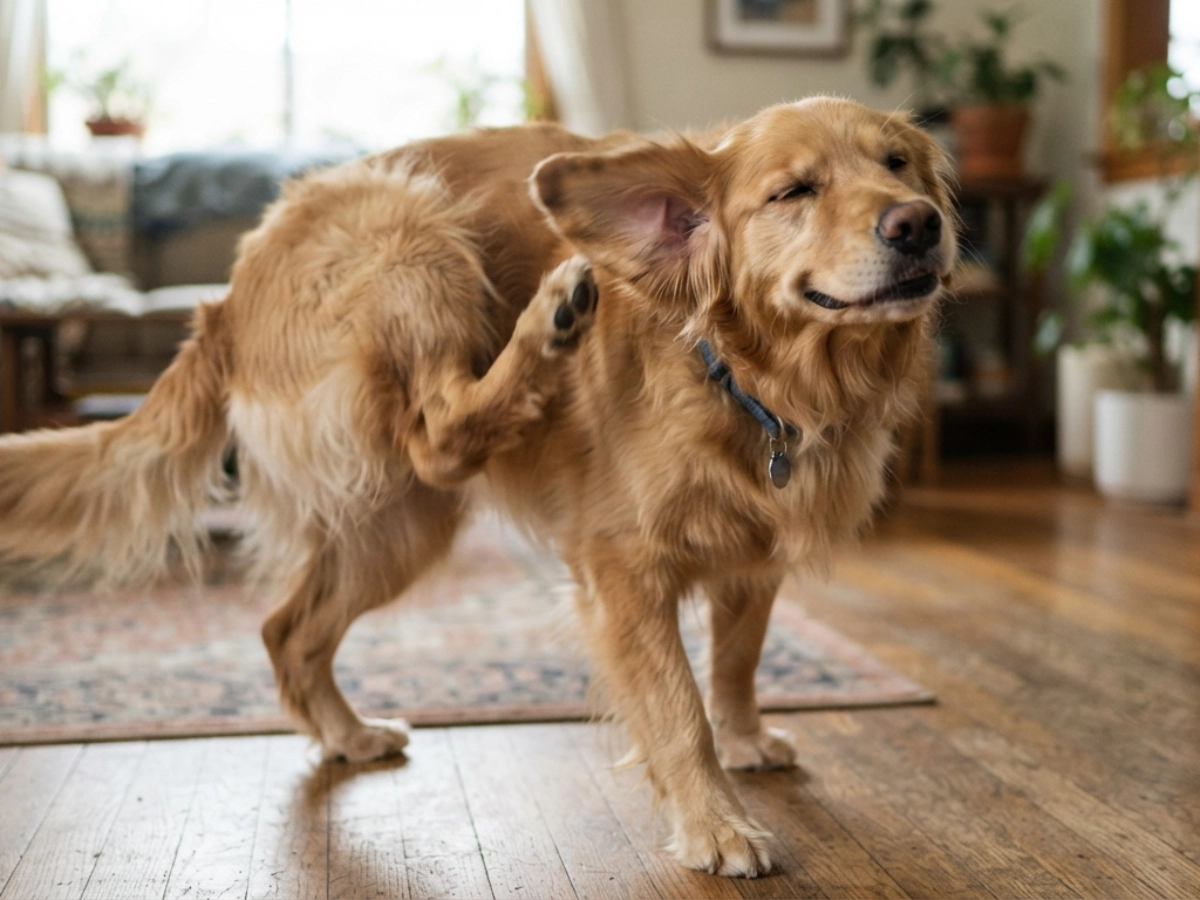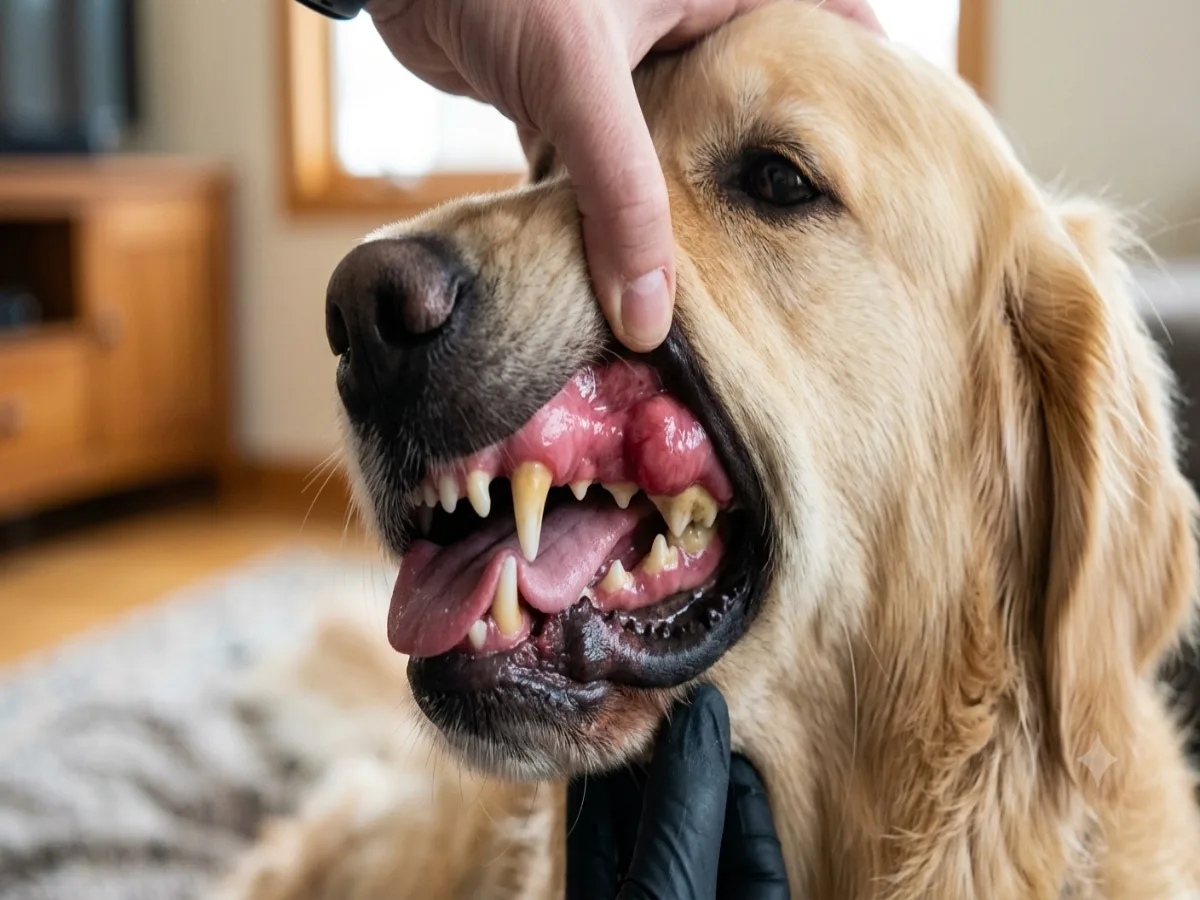

I’m sure many dog owners have seen their dogs constantly scratching their ears and immediately wondered: “Does my dog have an ear infection?”
Occasional ear scratching can be completely normal, but if your dog keeps scratching their ear, shaking their head, scratching at night, or even causing bleeding, it may be a sign that something is wrong.
In this guide, I’ll walk you through the common reasons behind dog scratching ear, the warning signs to watch for, and safe home care tips to help you better protect your dog’s ear health.
Disclaimer:
This article is based on my personal experience as a dog owner and general pet care knowledge. Every dog is different, and serious or persistent symptoms should always be checked by a veterinarian.
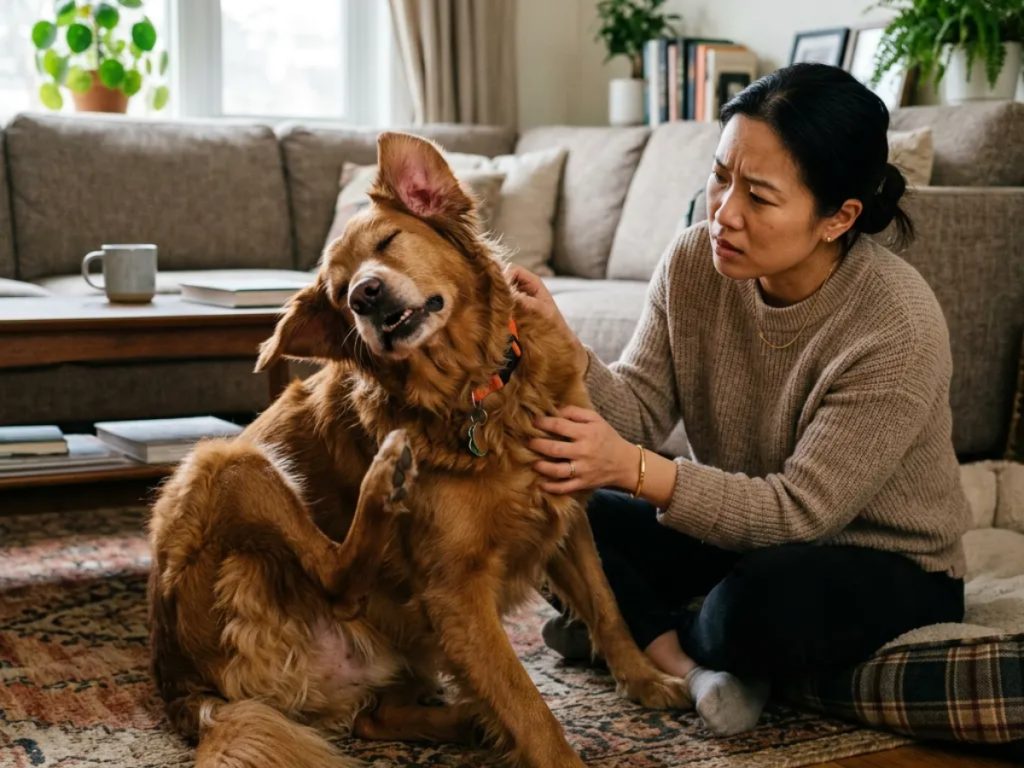
Yes, occasional ear scratching is usually normal. Dogs may scratch their ears from time to time as part of normal grooming, especially when there is no other unusual behavior.
Common reasons include:
Long ear hair irritating the ear canal and causing mild itching
Dust or small particles getting into the ear
Allergic reactions caused by food, medication, pollen, or environmental triggers
Moisture left behind after bathing or swimming
Improper ear cleaning habits
However, if your dog starts scratching frequently, it may be their way of telling you something is bothering them.
Pay attention if you notice:
① Frequent ear scratching, especially during the night
② Scratching ears while shaking their head, licking paws, or rubbing their face
③ A strong or unusual ear odor
④ Signs of bacterial or fungal inflammation
⑤ Redness, swelling, broken skin, or bleeding
⑥ Possible ear mites or parasite problems
⑦ Excess earwax buildup, especially in floppy-eared breeds
Dogs with large or floppy ears often have poorer airflow inside the ear canal. This makes it easier for moisture, oil, and debris to build up, which may lead to irritation and infection.
If your dog scratches their ears until the skin breaks or starts bleeding, the itching or irritation is likely more serious. In this situation, it’s best to have your dog checked by a veterinarian instead of trying random treatments at home.
If your dog keeps scratching their ear and shaking their head, it usually means something inside the ear is causing discomfort.
One mistake many new dog owners make is trying different medications before knowing the actual cause. Ear problems can look similar, but the treatments are often completely different.
To make things easier, I’ve listed the most common causes and their typical signs below:
| Common Cause | Typical Signs | Dogs More Likely to Be Affected |
| Bacterial or yeast infection | Red, swollen ears, unpleasant smell, greasy discharge | Dogs living in humid areas, floppy-eared breeds like Golden Retrievers and Cocker Spaniels |
| Ear mites | Dark brown or black debris that looks like coffee grounds, intense itching | Puppies, recently adopted dogs, multi-pet households |
| Water trapped after bathing | Sudden scratching after baths or swimming, damp ear canal | Dogs whose ears stay wet after grooming |
| Food or environmental allergies | Ear scratching combined with paw licking, skin irritation, belly redness | Dogs after changing food or during allergy seasons |
| Foreign objects (grass seeds, dirt, insects) | Sudden scratching on one side, head tilting, discomfort after outdoor walks | Dogs that frequently play in grass or outdoor areas |
If your dog only scratches occasionally and there are no signs of redness, strong odor, swelling, or excessive discharge, you can start with some basic ear care at home.
However, the goal of home care is to keep the ears clean and comfortable — not to replace veterinary treatment when there is an infection.
If your dog only has a small amount of dirt, mild earwax, or slight irritation, you can use a pet-safe ear cleaner or dog ear wipes for regular maintenance.
This is how I usually care for my dog’s ears:
Let your dog relax before cleaning
Gently wipe the outer ear flap and the area around the ear opening
Avoid pushing cotton swabs deep into the ear canal
Never scrub too hard or clean repeatedly in a short period
Over-cleaning can actually irritate the ear and damage the natural protective barrier.
During cleaning, I usually check a few things:
● Is there dark brown or black ear debris?
● Does the ear smell unusual?
● Is my dog scratching or shaking their head more than usual?
● Is the ear red, swollen, or painful?
If anything looks abnormal, it’s better to find out the cause first instead of trying different treatments randomly.
Many dogs start scratching their ears after a bath because moisture gets trapped inside the ear.
This is especially common in floppy-eared breeds such as:Golden Retrievers, Cocker Spaniels, Beagles, Dachshunds.
Their ears often have less airflow, which allows moisture to stay longer and creates a better environment for bacteria and yeast.
After bathing, I always:
Use a soft towel to gently dry the outer ear
Check whether there is any leftover moisture around the ear opening
Avoid letting the ears stay damp for a long time
Keeping your dog’s ears dry is one of the simplest ways to reduce future ear problems.
If your veterinarian confirms an ear infection and recommends ear drops, follow the instructions carefully.
Before applying ear medication:
Clean away visible dirt around the ear area
Apply the drops exactly as directed
Gently massage the base of the ear for a few seconds to help the liquid spread
During treatment, keep an eye on your dog’s progress:
● Is the itching getting better?
● Is the redness decreasing?
● Is the odor improving?
● Are there any new signs of swelling or discharge?
If symptoms become worse or don’t improve, contact your veterinarian again.
If your dog only scratches occasionally and has no other symptoms, you can usually start with gentle cleaning and observation.
But don’t wait too long if your dog shows any of these signs:
Scratching continues for several days without improvement
Scratching causes broken skin or bleeding
The ear becomes noticeably red or swollen
A strong, unpleasant smell develops
Yellow or green discharge appears
Your dog shows pain or avoids being touched around the ear
These symptoms may indicate something more than simple itching.
Ear mites, yeast infections, and bacterial infections can look very similar from the outside, but they require different treatments. A veterinarian can properly examine the ear and determine the real cause.
Ear mites can cause intense itching, making dogs constantly scratch their ears and shake their heads. You may also notice dark brown, coffee-ground-like debris inside the ear canal.
According to the Merck Veterinary Manual, ear problems such as foreign objects, parasites, allergies, bacteria, and yeast can all contribute to ear inflammation (otitis externa). This means it’s difficult to tell the exact cause based on symptoms alone.
Yeast infections usually cause red, irritated ears, oily ear discharge, and a strong unpleasant odor. They also tend to come back repeatedly if the underlying trigger is not addressed.
Veterinary education resources, such as VETgirl, point out that yeast infections cannot be confirmed based only on visible symptoms. A veterinary ear cytology test (examining an ear sample under a microscope) is often needed for an accurate diagnosis.

No. You should avoid using hydrogen peroxide as a treatment for your dog’s ear infection.
Many online tips recommend hydrogen peroxide for cleaning dog ears, but it can irritate the delicate skin inside the ear canal and disrupt the ear’s natural environment. It is not recommended as a regular ear care product.
If you suspect your dog has an ear infection, it’s always better to have a veterinarian check the ears first and confirm the real cause before using any treatment.
It may provide temporary relief, but it is not a real treatment.
The “sock trick” usually means filling a clean sock with uncooked rice or coarse salt, warming it, and placing it gently against the base of the dog’s ear.
This works only as a form of warm compress. The heat may temporarily ease discomfort, swelling, or pressure, but it does not kill bacteria, treat infections, or solve the underlying problem.
It can be used as a short-term comfort measure while waiting for veterinary care, but it should never replace proper diagnosis and treatment.
Occasional ear scratching is usually not a reason to worry.
However, if your dog keeps scratching, shaking their head, or develops ear odor or discharge, it may indicate problems such as ear mites, infection, or allergies. In these cases, a veterinary check is recommended.
Common signs of ear mites include:
Dark brown or black ear debris that looks like coffee grounds
Severe itching
Frequent head shaking
Red or irritated ears
If you are unsure, a veterinarian can examine the ear canal and confirm whether ear mites are the cause.
It’s generally not recommended.
Some natural ingredients, essential oils, or human skincare products may irritate your dog’s sensitive ear canal and make itching worse.
A safer approach is to use pet-specific ear care products, keep your dog’s ears dry, and monitor any changes in symptoms. If the itching continues, it’s best to find out the real cause before trying different treatments.