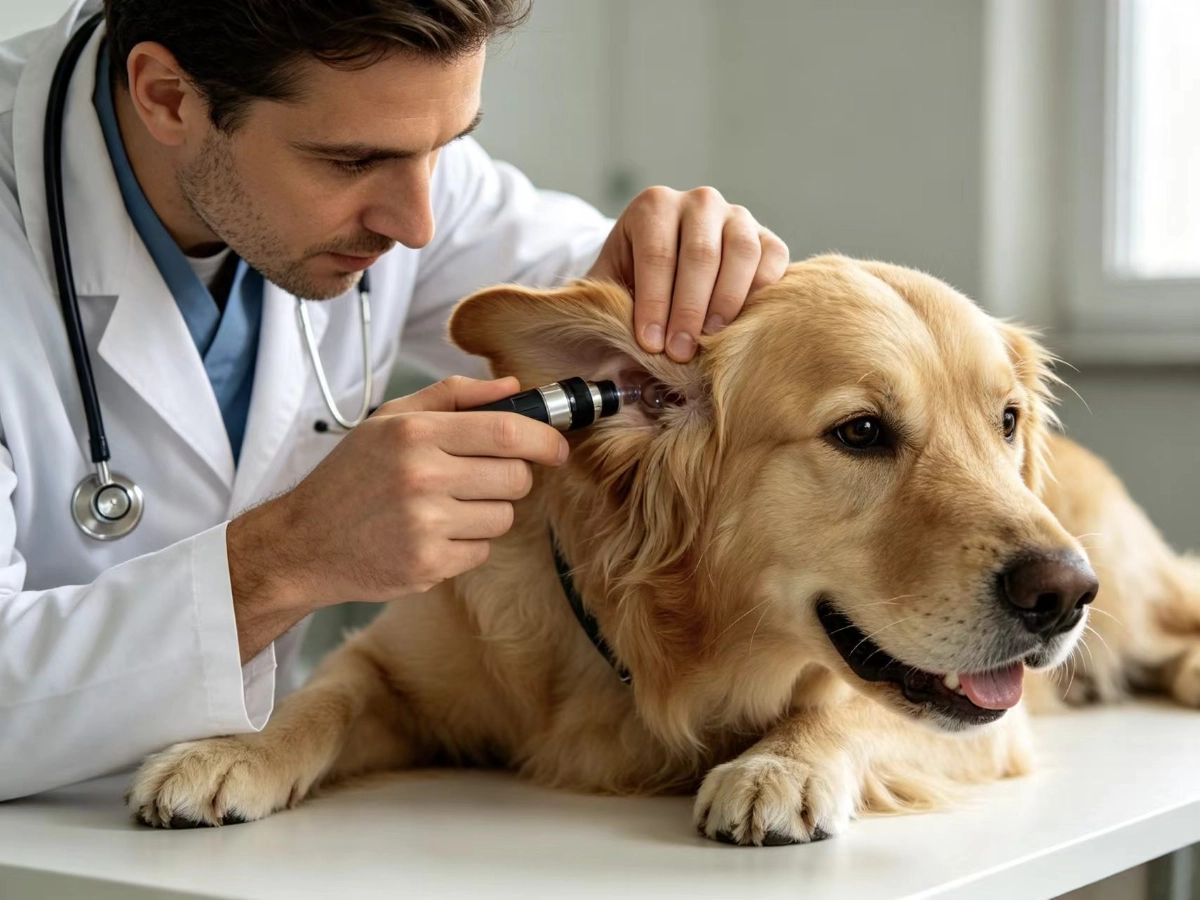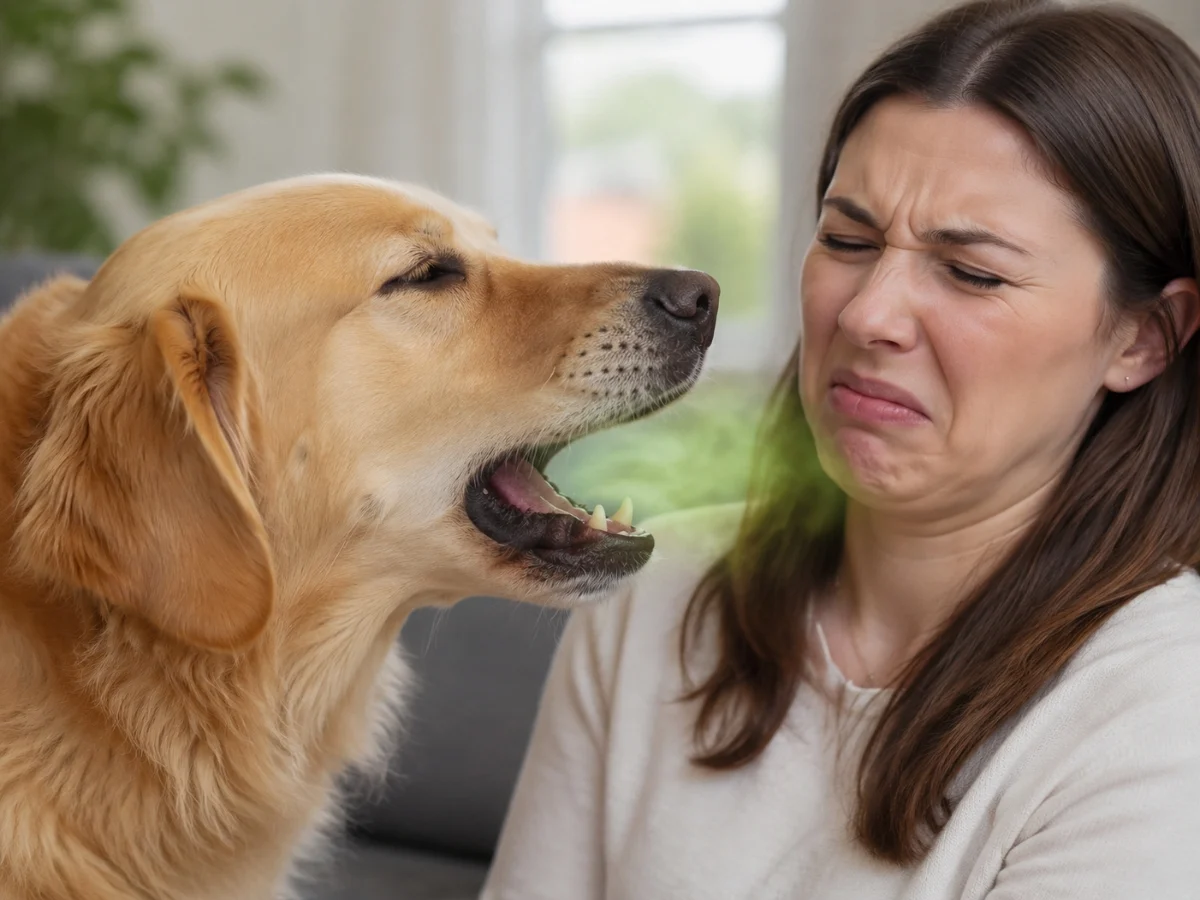

Many dog owners don’t realize that many dental problems seen in adult dogs actually begin during puppyhood. Therefore, establishing proper oral care habits from a young age is crucial, and the simplest and most effective way to do this is to choose dental treats for puppies.
This is a question that many puppy owners are concerned about. A puppy’s oral development is in stages, and below are some dental treats suitable for each stage.
Puppies at this stage have just started teething, and their mouth structures are very fragile. Strictly speaking, most solid dental treats on the market are not suitable for them. Hard treats can damage newly emerging baby teeth and may also cause them to choke or suffer from intestinal blockages if swallowed.
This stage is typically the peak of the teething process, and their need to chew on things is obvious. You can start introducing soft dental treats for puppies, and gradually switch to harder dental treats as they get older. For a breakdown of what to expect during this phase, check out the AKC Puppy Teething Timeline.
At this stage, the dog’s permanent adult teeth have stabilized, their jaw strength has developed significantly, and you can begin normal, comprehensive oral care, such as brushing teeth regularly and providing standard dental treats.
| Puppy Age Stage | Deciduous (Baby) Teeth | Permanent (Adult) Teeth | Recommended Dental Care Type | Primary Focus / Goal |
| Under 3 Months | 28 teeth (erupting) | 0 | Liquid oral solutions, dental wipes, water additives | Protecting fragile baby teeth & soft gums |
| 3 – 6 Months | Falling out | Erupting (up to 42) | Soft-baked teething sticks, pliable rubber chews | Relieving teething itch & massaging sore gums |
| Over 6 Months | 0 | 42 permanent teeth (fully erupted) | Standard dental chews, daily toothbrushing | Mechanical plaque scraping & tartar prevention |
To choose safe and suitable treats for your puppy, you need to follow these three core criteria:
If you own a small dog, you need to be extra careful when choosing dental treats for puppies. Small dogs have more closely spaced teeth than large dogs, making them more prone to accumulating food debris. Their airways and esophagi are also considerably smaller. Small dogs have narrower esophagi, and an ill-fitting treat can easily block their esophagus or even their airway.
| Dog Size Category | Risk Level for Crowded Teeth | Risk Level for Airway Choking | Max Daily Caloric Limit for Dental Treats (10% Rule) | Recommended Chew Type |
| Toy / Small Breeds (e.g., Yorkie, Frenchie, Pomeranian) | Extremely High (Crowded Mouth) | High (Narrow Esophagus) | Approx. 20 – 45 Calories | XS / Toy specific multi-angled chews |
| Medium / Large Breeds (e.g., Lab, Golden Retriever, GSD) | Low to Moderate (Normal spacing) | Low (Larger Airway and Esophagus) | Approx. 80 – 120 Calories | Standard or Large highly soluble sticks |
Q1: Should you give dental treats for puppies?
Yes. Once your puppy reaches the appropriate age, dental treats can be a safe and beneficial addition to their oral care routine. When choosing, make sure to select teeth-cleaning snacks that are appropriate for your puppy’s specific age group.
Q2: Are teeth-cleaning snacks really effective?
Yes, dental treats can help reduce plaque buildup. but please don’t overhype it.However, they should be viewed as a supplement—not a replacement—for regular toothbrushing. To get a thorough, deep cleaning under the gums, you still need to brush your dog’s teeth regularly every day.
Q3: Do small dogs need special dental treats?
Yes, it is necessary. Small dogs have narrower esophagi, crowded mouths, and need smaller, uniquely shaped dental treats. When purchasing, you can choose dental treats specifically designed for small dogs.
Q4: What can puppies chew on for their teeth?
Several safe alternatives are available to standard treats, such as puppy-appropriate teething toys, frozen carrots (which soothe sore gums), and pet dental wipes.
Choosing safe, age-appropriate dental treats can help redirect your puppy’s natural chewing instincts away from furniture and household items. At the same time, supporting healthy dental habits from an early age. As owners, we must be extra attentive while our puppies are still young to avoid causing them pain due to our mistakes. With the right dental care routine, your puppy can enjoy a healthier mouth and a brighter smile for years to come.
The information provided in this article is for educational purposes only and is not intended as a substitute for professional veterinary advice, diagnosis, or treatment. Puppies’ dental health, chewing habits, and dietary needs can vary widely depending on breed, size, and age. Always consult a licensed veterinarian before introducing new dental treats, teething toys, or oral care products to your puppy’s routine. Supervise your puppy during chewing or feeding, and seek immediate veterinary care if your puppy shows signs of choking, gagging, vomiting, or any other health concern.