

Table of Contents
As dog owners, we often notice small amounts of eye discharge in our pets. However, how do we distinguish between normal discharge and signs of infection? And crucially, how to clean a dog’s eyes safely, including those stubborn scabs, without causing harm?
While a small amount of clear eye discharge is often a normal part of a dog’s tear production, changes in its color, consistency, or amount may indicate an underlying health issue. In this guide, you’ll learn how to identify different types of eye discharge, safely remove eye crust, choose the right cleaning solution, and recognize when it’s time to seek veterinary care.
1. Identification: Normal Eye Droppings or Infection Signals
Not all discharges require a doctor’s visit. By color and texture, we can assess a dog’s eye health. According to the American Kennel Club (AKC) eye health guide, symptoms such as redness, squinting, cloudy eyes, or excessive discharge may indicate infection, corneal ulcers, or dry eye syndrome.
🐾 Pet Eye Discharge Observation Guide
Type
Description
Potential Causes
Action Plan
Clear / Crusty
Minor clear fluid or dried brownish-black crusts
Normal tear metabolism, dust, or sleep accumulation
Gently clean at home; maintain basic hygiene
Red-Brown Stains
Fur discoloration below the eyes (Tear Staining)
Porphyrin oxidation or breed-specific facial structure
Routine facial wiping; keep the surrounding fur trimmed
White / Gray Mucus
Eyes look dry; discharge is sticky, thick, or stringy
KCS (Dry Eye) or insufficient tear production
Schedule a veterinary exam
Yellow-Green Pus
Thick discharge with redness, swelling, or squinting
Conjunctivitis or acute bacterial infection
Immediate Vet Visit:
requires prescription medication
requires prescription medication
According to veterinary ophthalmologists, healthy dog eyes should appear bright, moist, and free of persistent redness or swelling. Any discharge accompanied by pain, excessive blinking, or vision changes should never be ignored.
Pro Tip: If your dog suddenly develops green discharge, keeps one eye closed, or shows signs of severe discomfort, avoid attempting home treatment and contact your veterinarian as soon as possible. Prompt treatment can help prevent permanent eye damage.
2. Practical Operation: How to Clean a Dog‘s Eyes Hard Scabs?
The key to cleaning a dog’s eyes is patience, not force.
Before you begin, wash your hands thoroughly and gather your supplies—clean cotton balls or sterile gauze pads work best. Minimizing the risk of introducing bacteria into your dog’s sensitive eye area is the top priority.
Step 1: Soften the Crust First
Never try to peel or scrape away dry crust or scabs, as this can tear the skin and cause pain. Instead, soak a cotton ball or gauze pad in warm water and gently press it against the buildup. The American Kennel Club (AKC) notes that softening debris before removal is crucial to avoiding irritation.
If the crust is particularly stubborn, hold the warm, damp pad in place for 15 to 30 seconds rather than rubbing harder. Gentle soaking is always safer than pulling.
Step 2: Wipe from the Inside Out
Once the debris has fully softened, gently wipe from the inner corner of the eye outward. Avoid applying pressure directly to the eyeball; focus only on cleaning the surrounding fur and skin unless your veterinarian has instructed otherwise.
If the area isn’t completely clean after the first pass, switch to a fresh cotton ball and repeat.
Crucial tip: Always use a completely new cotton ball or gauze pad for each eye. This prevents bacteria or potential infections from spreading from one eye to the other.
Final Step: Clean and Give a Reward
Always end the session on a high note. Follow up immediately with praise and a favorite treat so your dog associates eye care with a positive experience. This kind of positive reinforcement is especially helpful for puppies and anxious dogs, making future grooming sessions much smoother for both of you.
3. Tool Selection: Choosing the Right Cleaning Solution
Many pet parents mistakenly assume that if a cleaning product is gentle enough for humans, it’s safe for dogs. However, the wrong liquid can cause severe irritation or even permanent damage. Here is a professional breakdown of what to avoid and what to use:
❌ What to Avoid
- Human Baby Wipes: A major no-go. A dog’s skin has a completely different pH balance than human skin. Furthermore, human wipes often contain alcohols, fragrances, or chemicals that can sting and damage canine eyes.
- Contact Lens Solution: Never use this. The specific enzymes and preservatives designed to clean human contacts can be highly irritating—and potentially toxic—to a dog’s delicate corneas.
✅ Safe and Effective Options
- Sterile Saline Solution: The gold standard for safety. Plain, over-the-counter sterile saline (the kind without added medications or contact lens cleaners) is ideal for safely flushing out foreign objects or debris.
- Lukewarm Water: Simple, accessible, and entirely safe. A clean gauze pad dampened with warm water is perfect for basic crust removal.
- Dog-Specific Eye Wipes: If you prefer a convenient daily cleaning option, choose wipes specifically designed for dogs. Look for products that are alcohol-free, fragrance-free, and gentle enough for the sensitive eye area. For regular tear stain cleaning and removing dirt around your dog’s eyes, many pet parents choose dog eye wipes formulated with a dog-friendly pH balance, such as Vilipets Neutral pH Pet Eye Wipes.
⚠️ Crucial Safety Guidelines
Keep it on the Outside: Unless a product is explicitly labeled as a canine ophthalmic solution (eye drops), never apply it directly into your dog’s eyes. Most pet wipes and topical solutions are designed strictly for the surrounding fur and skin, not the eyeball itself.
4. Difficulty: How to Clean Black Crust Around Dog Eyes
Dogs with light-colored or long fur (such as Bichon Frises, Poodles, and Maltese) are highly prone to dark, rusty tear stains and the tight black crust that forms around them.
This happens because dog tears contain porphyrins—iron-rich molecules that turn a reddish-brown color when exposed to air. To counteract this and keep the area clear, try a three-pronged approach:
- Keep the Area Dry: Moisture is a breeding ground for low-grade bacterial and yeast infections. Use a clean, dry cloth to gently dab away excess tears throughout the day.
- Keep the Fur Trimmed: Regularly trim the hair around your dog’s eyes (or have a professional groomer do it). Long hairs can curl inward, poking the eyeball and triggering excess tear production.
- Switch to Filtered Water: High mineral content in tap water can actually worsen porphyrin staining. Many pet parents see a noticeable improvement simply by switching their dog to filtered or purified drinking water.
5. When Should I Go to the Hospital?
While routine grooming is excellent for maintenance, it should never replace medical care. If you observe any of the following symptoms, do not attempt to clean or treat the eyes at home—schedule an appointment with your veterinarian immediately:
- Constant scratching, pawing, or rubbing of the eyes against the furniture.
- Noticeable eyelid redness, swelling, or an inability to fully open the eye.
- Discharge that is distinctly yellow or green.
- A cloudy, hazy appearance or a visible white film covering the eyeball.
- Signs of severe asymmetry (one pupil larger than the other, or one eye bulging).
Conditions like conjunctivitis (pink eye) or corneal scratches are incredibly common in dogs. While wiping the eye area can provide temporary cosmetic relief, a full recovery typically requires targeted antibiotic or anti-inflammatory eye drops prescribed by a professional.
Final Thoughts: Keeping Eye Care Stress-Free
Regular eye cleaning is a simple yet powerful way to keep your dog comfortable and healthy. By prioritizing patience over force and sticking strictly to dog-safe solutions, you can turn what might look like a stressful chore into a quick, positive routine. With a little practice, the right tools, and plenty of tasty treats, eye care will quickly become just another stress-free part of your dog’s wellness routine. Happy grooming!
Medical Disclaimer
The information provided in this article is for educational and informational purposes only and is not intended to replace professional veterinary advice, diagnosis, or treatment.
Every dog is unique, and eye-related issues can have many different causes. While regular eye cleaning can help maintain hygiene and remove surface debris, tear residue, and buildup around your dog’s eyes, it should not be considered a substitute for proper veterinary care.
If your dog shows signs of eye problems, including persistent redness, swelling, excessive discharge, squinting, eye pain, cloudy eyes, or changes in vision, please consult a qualified veterinarian for a professional evaluation.
Any products mentioned in this article are intended to support daily grooming and hygiene routines only. They are not designed to diagnose, treat, cure, or prevent eye diseases, infections, or other medical conditions.
Related products
-
Sale!

Gentle Neutral pH Round Pet Eye Wipes Tear Stain Removal
$5.98Original price was: $5.98.$2.99Current price is: $2.99. Add to cart -
Sale!
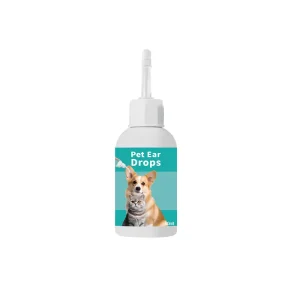
Gentle Pet Ear Drops for Dogs Cats Ear Care & Wax Removal
$6.19Original price was: $6.19.$5.99Current price is: $5.99. Add to cart -
Sale!
-1-300x300.webp)
Large Green Pet Dental Wipes Teeth Cleaning amp Fresh Breath
$5.99Original price was: $5.99.$3.99Current price is: $3.99. Read more
Related articles

How to Make a Cat Happy? Simple Things I Do Every Day
Wondering how to make a cat happy? Here are simple things I do every day to help my cat feel safe, comfortable, and loved.
Do Dogs Have a Sense of Time?
Do dogs have a sense of time? Learn how dogs use routines, light, smells, and daily habits to understand their world and anticipate what comes next.
How to Clean Your Dog’s Teeth Without Brushing: Simple Daily Methods
Wondering how to clean dog teeth without brushing? Here are simple, everyday dental care tips I use for dogs who aren't fans of toothbrushes.