
This post contains affiliate links. We may earn a commission
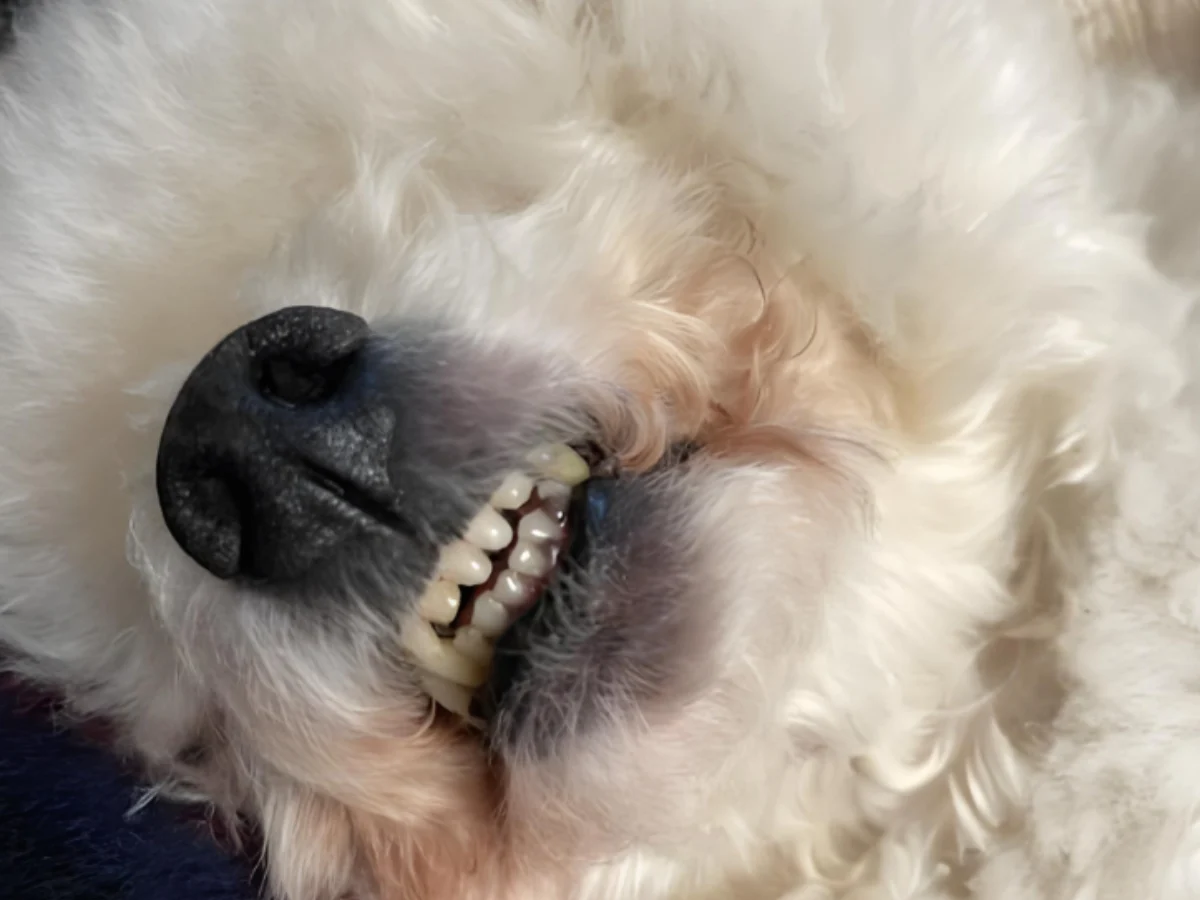
Dog oral care is something that sounds easy, but it’s actually quite challenging. Brushing teeth is the best method, but many dogs don’t like it. That’s where oral care drinking water additives for dogs come in handy. They won’t make your dog uncomfortable during oral care; simply add them to your dog’s daily drinking water for a discreet and effective oral hygiene routine. However, with so many products on the market, how do you choose the best and most suitable drinking water additive for your dog? This article will answer your questions from various perspectives.
Do water additive for dogs really work?
They are useful, but they don’t provide complete oral care.
- Working Logic: They primarily target plaque on a dog’s teeth, preventing it from turning into tartar. Water additives usually contain enzymes and minerals that effectively break down the sticky biofilm that bacteria rely on for survival. Some products also create an unfavorable oral environment by altering the pH level of the dog’s mouth.
- Limitations:Once tartar has formed on a dog’s teeth, professional dental cleaning is usually required, which water additives cannot do. While a brush can physically abrade the gum line, additives only cover the surface the water touches, often failing to clean the deep periodontal pockets where periodontal disease is beginning to develop.
Are water additives safe for dogs?
Dog drinking water additives are generally safe, but there are a few important points to remember:
- Dog-specific: Dog drinking water additives are not the same as human ones. Human oral care drinking water additives often contain xylitol, which is non-toxic and harmless to humans, but can have serious consequences for dogs (acute hypoglycemia and liver failure), even death.
- Ingredient information: Avoid additives containing alcohol and artificial colors, as these ingredients may cause gastrointestinal upset and allergic reactions in dogs. The amount of peppermint extract should be moderate; excessive peppermint can cause dogs with a sensitive sense of smell to refuse to drink.
- Gradual adaptation: Dogs are very sensitive to changes in the smell of drinking water. If you add the normal amount initially, your dog may refuse to drink and reduce its intake, leading to dehydration. It is recommended to gradually increase the amount until you reach the normal dosage.
Best dental water additive for dogs
Choosing a dog drinking water supplement requires rigorous evaluation because it will be ingested by the dog, impacting its health and safety. Only high-quality, qualified products can effectively provide oral care.
What is the vet’s best water additive?
Reasons for recommendation: VOHC (Veterinary Oral Health Council) certification is crucial. This is the “gold standard” for evaluating the effectiveness of a dental cleaning product. It adheres to strict scientific standards, and products that obtain VOHC certification have passed rigorous testing and meet these standards.
Clinical trials required by manufacturers typically include the following requirements:
- Double-blind testing: A control group (not using the product) and an experimental group must be included, and the evaluators must not know which dog used which product.
- Quantitative indicators: The coverage of tooth surfaces is scored using professional dental stains and measuring tools.
- Significant efficacy: The experimental group must show an average improvement of at least 20% compared to the control group.
- Two independent trials: Two independent clinical studies with consistent conclusions are usually required for approval.
Effective core ingredient list
| Ingredient Category | Common key ingredients | Scientific Working Principle | Core nursing benefits |
| biological enzymes | Lysozyme Glucose oxidase Lactoperoxidase | Bacteria are destroyed through biochemical reactions. | Preventing dental plaque from adhering to the tooth surface |
| Zinc salts | Zinc gluconateZinc citrateZinc acetate | It interferes with bacterial metabolism and combines with volatile sulfur compounds in the oral cavity. | It directly neutralizes bad breath odor and inhibits bacterial growth. |
| Natural plant extracts | Green tea extractPomegranate extractAloe vera extract | Rich in tea polyphenols or anthocyanins, it has strong antioxidant properties and can help heal micro-wounds. | It relieves gum redness and swelling, inhibits periodontal pathogens, and provides natural anti-inflammatory protection. |
| Chelating agents/anti-stone agents | Sodium hexametaphosphateTetrasodium pyrophosphate | It chelates calcium and magnesium ions in saliva, preventing these minerals from depositing on dental plaque. | To fundamentally block the process of dental plaque hardening into “tartar”. |
| Organic acids and bactericides | Citric acid low concentration chlorhexidine | It adjusts the pH level in the oral cavity to a slightly acidic state, creating an environment unsuitable for bacterial survival; and directly kills pathogens. | Rapidly reduce the total amount of oral bacteria and prevent deep infections. |

When choosing products, prioritize those with a variety of ingredient combinations, such as a combination of “bio-enzymes + chelating agents.” Bio-enzymes are responsible for combating “soft” plaque, while chelating agents are responsible for preventing “hard” tartar; the combination provides better results.
Personalized Selection
If you are familiar with your dog’s oral health, you can make personalized choices based on your specific situation.
l Simple Halitosis: If your dog only has halitosis, choose products that focus on neutralizing sulfides, such as those listed above containing zinc gluconate, zinc citrate, or zinc acetate.
l Swollen and Red Gums: If your dog has swollen and red gums, prioritize products containing anti-inflammatory and soothing ingredients. For example: green tea extract, pomegranate extract, aloe vera extract, etc.
l Tartar: If your dog has been diagnosed with tartar, choose products containing anti-calcification ingredients, such as sodium hexametaphosphate, tetrasodium pyrophosphate, etc.
Top Dental Water Additives for Dogs: 2026 In-Depth Reviews
Now that you know the science behind dental water additives, let’s look at the best products on the market today. Whether you are looking for clinical-grade tartar control or a completely odorless formula for a picky pup, these top-rated picks will help keep your dog’s breath fresh and teeth clean.
Oxyfresh Premium Pet Dental Water Additive
–Best Overall for Picky Eaters & Instant Odor Control
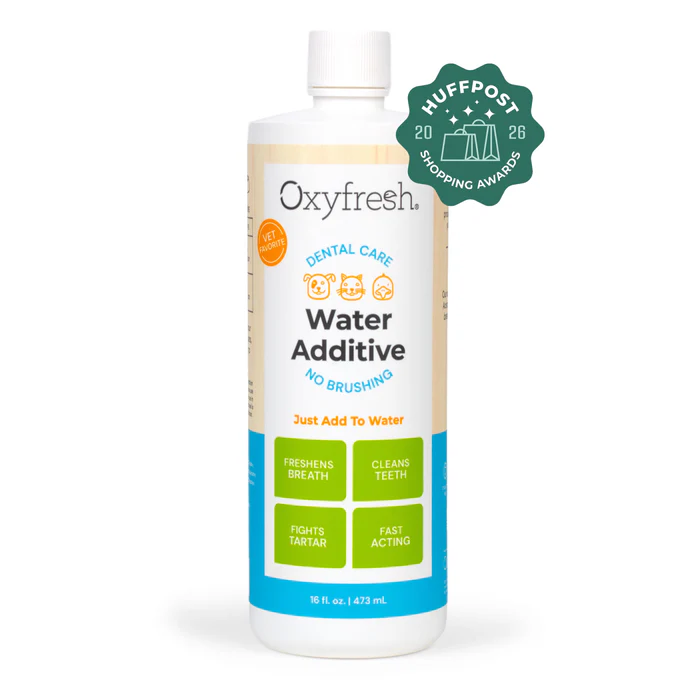
Why We Choose It: Oxyfresh is a legendary name in pet dental care. Its secret weapon is Oxygene®, a safe, non-toxic ingredient that oxidizes bacteria on contact, eliminating bad breath instantly. Because it is completely tasteless and odorless, even the most sensitive and picky dogs won’t notice it in their water bowl.
| Pros | Cons |
| 100% tasteless and odorless (ideal for picky dogs) | Slightly pricier than generic store brands |
| Formulated with Oxygene® for instant breath freshening | Does not carry the official VOHC seal yet |
| Dye-free, alcohol-free, and safe for long-term daily use |
HealthyMouth Dog Dental Water Intensive Care
–Best Clinically Proven & VOHC-Accepted Formula
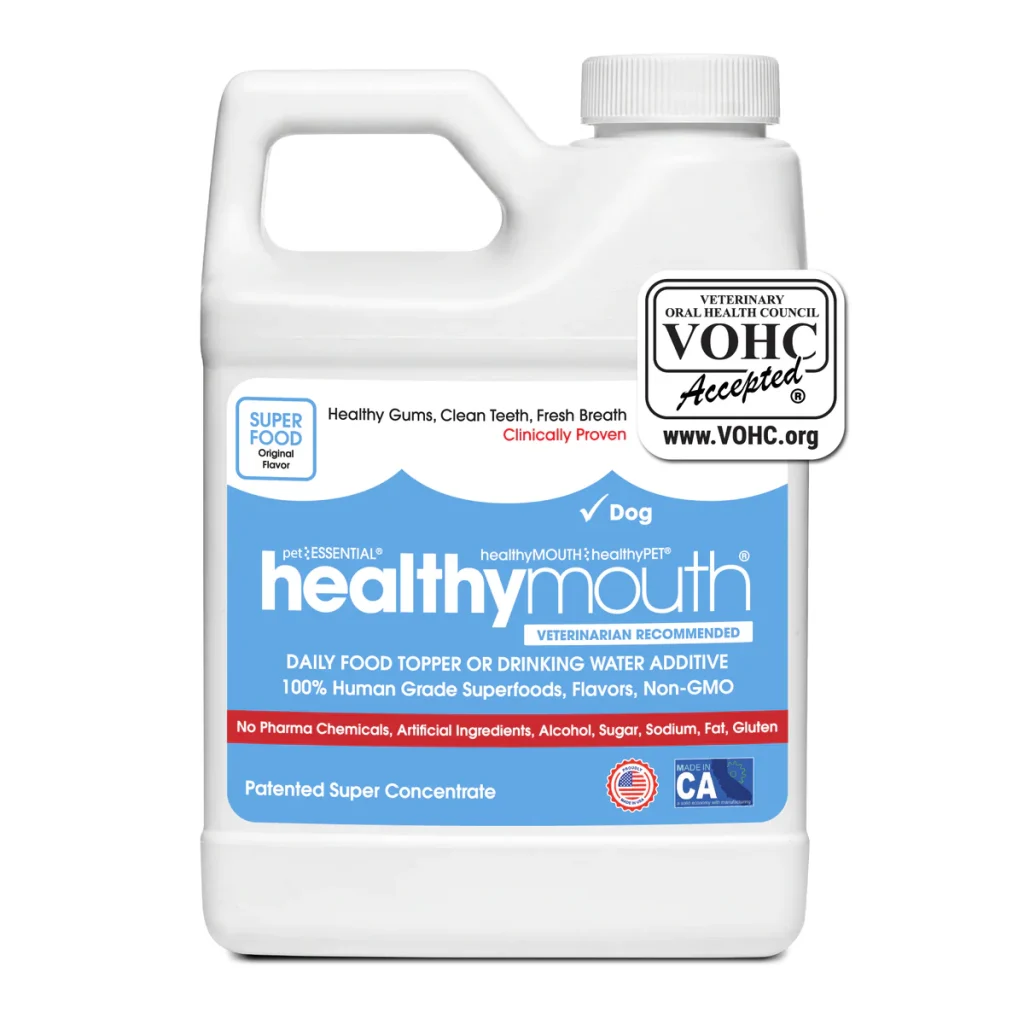
Why We Choose It: If you are dealing with severe tartar buildup and want a clinical-grade solution, HealthyMouth is the gold standard. It is accepted by the Veterinary Oral Health Council (VOHC) and backed by extensive clinical trials. It works by changing the texture of the plaque, making it incredibly easy to brush or wipe away.
| Pros | Cons |
| VOHC Certified for both plaque and tartar reduction | Premium pricing (highly concentrated clinical formula) |
| 100% natural, human-grade ingredients | Has a slight natural greenish tint and herbal scent |
| Highly recommended by veterinary dental specialists | Some picky pets may need a slow introduction period |
Vetradent Water Additive for Dogs
–Best Scientifically Advanced Anti-Tartar Solution
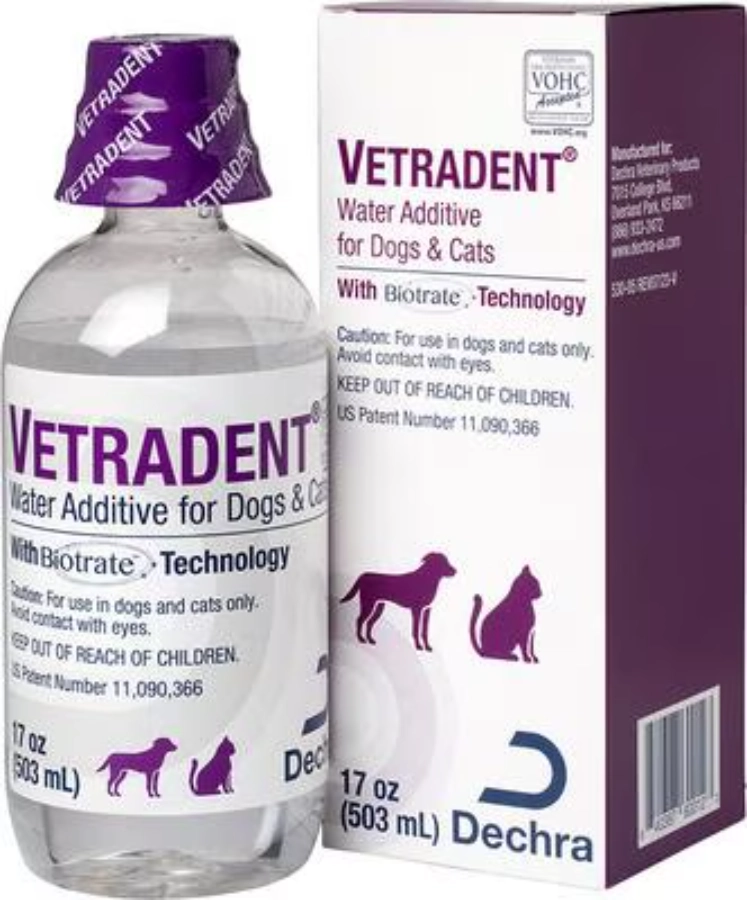
Why We Choose It: Vetradent utilizes advanced Biotriact™ technology, which specifically targets the oral biofilm where bacteria thrive. By breaking down the protective layer of plaque, it prevents minerals from binding to the teeth and forming hard calculus. It’s an exceptional preventative care option for small breeds prone to dental diseases.
| Pros | Cons |
| Scientific Biotriact™ technology restricts bacterial growth | Contains zinc gluconate (must follow dosage strictly) |
| Very effective at reducing existing plaque over 4-6 weeks | Large bottle can be bulky for travel/storage |
| Odorless and flavorless formula |
In conclusion:
Choosing the best dog drinking water supplement is a decision that requires careful consideration. You need to differentiate between the various ingredients listed in the ingredient list and further optimize the selection based on your dog’s specific needs to achieve the best results. Ultimately, the choice of drinking water supplement is not only related to your dog’s oral health or bad breath but also to their life safety.
Disclaimer:
This guide is for informational purposes only. Always consult your veterinarian before adding any dental supplements to your dog’s diet, especially if they have underlying kidney or liver conditions.
FAQ:
Q:How can you address the issue of a picky dog refusing to drink water?
It is recommended to choose formulas—such as those from Oxyfresh or Vetradent—that are specifically labeled as “colorless and odorless.” These products are designed with pets with sensitive senses of smell in mind, helping to prevent water aversion caused by changes in scent.
-
Sale!

Pet Dish Wash Mousse Environmentally friendly and non-irritating
Original price was: $10.99.$6.79Current price is: $6.79. Add to cart -
Sale!
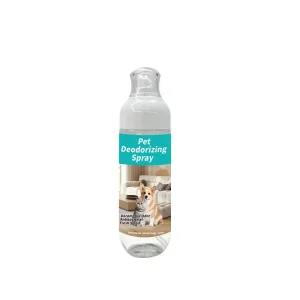
Pet Deodorizing Spray 150ml – best Natural Dog Cat Odor Remover
Original price was: $5.29.$4.99Current price is: $4.99. Read more -
Sale!
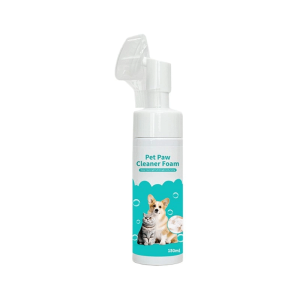
150ml No-Rinse Pet Paw Cleaner Foam – Waterless Paw Washer
Original price was: $7.19.$5.99Current price is: $5.99. Add to cart