

If your dog is constantly scratching its ears and shaking its head, it’s most likely due to one of the following three reasons: ear mites, bacterial infection, or fungal infection. The symptoms of these three conditions are very similar, but the treatments are drastically different. Misdiagnosis can lead to worsening of the condition or recurring episodes. This article will provide a systematic understanding of dog ear mites vs ear infections
Ear mites are microscopic parasites that live on the surface of animals such as cats and dogs. They thrive inside the ear canal, causing dogs to experience intense itching. According to the MERCK MANUAL , ear mites (Otodectes cynotis) commonly infest the external ear canal and can cause severe irritation and inflammation. They are transmitted through contact and are highly contagious. They are very difficult to see with the naked eye; you might only faintly spot them as tiny white dots moving against a dark background.
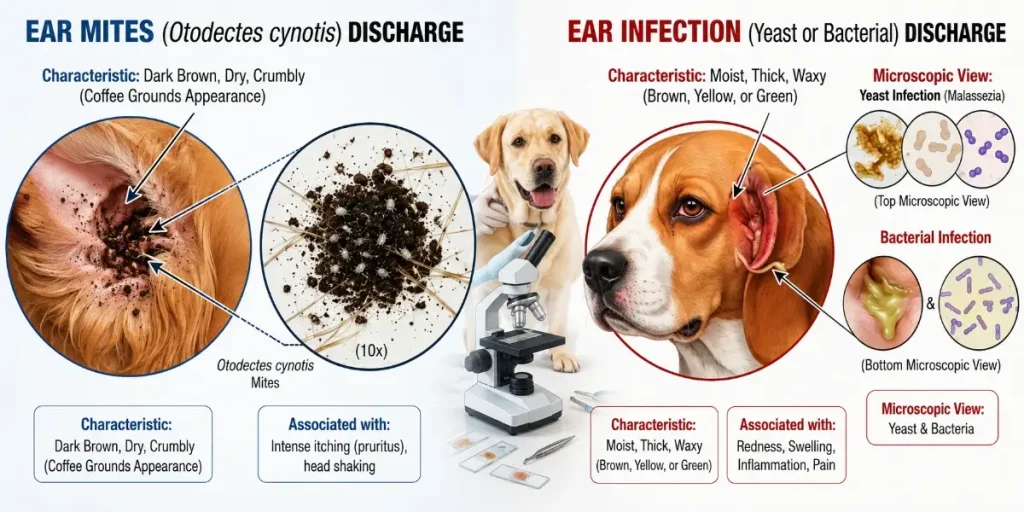
To identify ear mites, look for their signature symptoms: intense itching that leads to constant head shaking and ear scratching. The most distinctive indicator, however, is the presence of a dry, crumbly discharge resembling brown or black coffee grounds in the ear canal.
Ear mites are transmitted through direct contact. There are three primary ways a dog can contract them:
Ear infections are usually caused by an underlying issue—such as allergies, moisture, or anatomy—that triggers inflammation and leads to an overgrowth of yeast or bacteria inside the ear canal.
Common symptoms of ear infections in dogs include redness and swelling of the ear flaps and an odor similar to corn chips. The VCA Animal Hospitals guide on canine ear infections notes that affected dogs frequently show head shaking, ear scratching, redness, inflammation, odor, and abnormal discharge. Beyond itching, dogs may whimper or howl in pain when their ears are touched. In severe or chronic cases, the dog may develop a noticeable head tilt.
Although they may exhibit many similar behaviors, the following aspects can help you quickly distinguish them:
| dog ear mites | dog ear infection | |
| Pathogen | parasitic ear mites | Malassezia (fungus), Staphylococcus/Pseudomonas aeruginosa (bacteria) |
| Secretion | Dry, gritty, and crumbly (resembling dark brown coffee grounds). | Moist, sticky, and highly greasy (appearing as a yellowish-brown or dark brown paste/waxy buildup). |
| Odor | No distinct odor, or a mild musty smell. | Yeasty, sweet, or fermented smell (fungal); putrid, foul, or fishy smell (bacterial). |
| Spread | It is highly contagious and spreads rapidly through contact. | Not contagious. Triggered by an internal imbalance of normal bacteria and fungi. |
| High-risk groups | Puppies, dogs recently adopted from rescue centers/kennels, and dogs that frequently engage in outdoor socialization. | Dogs with floppy ears, dogs with allergies, and dogs that swim frequently. |
Usually, when a dog exhibits obvious ear discomfort, it can sometimes be a combination of both issues, as mite infestations can lead to secondary infections. To accurately determine the cause, you should take your dog to a veterinary clinic for a professional diagnosis.
Treating an ear mite infestation requires thoroughly cleaning the ears to remove debris and parasites from the ear canals. Your veterinarian can prescribe a highly effective topical or systemic deworming medication alongside a recommended ear cleaning solution.
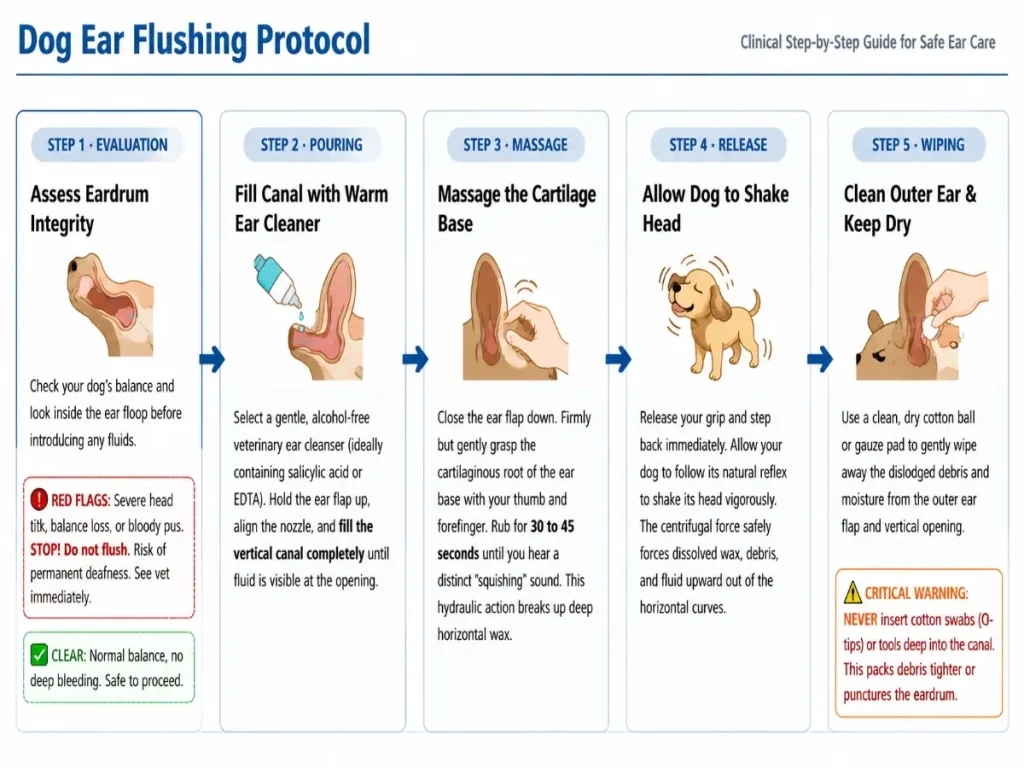
In addition to treating your dog, the entire household environment—and any other pets—must be thoroughly cleaned and treated to prevent a cycle of re-infestation.
If an ear infection is diagnosed, standard over-the-counter mite treatments will be completely ineffective. Under the guidance of a veterinarian, after thoroughly cleaning the ear canal, you will need to use targeted antibacterial or antifungal ear drops depending on the specific pathogen involved. You can refer to our general knowledge guide, ” How to Choose and Use Antifungal Ear Drops for Dogs “.
This is extremely rare; they simply cannot survive for very long on a human body. Canine ear mites are highly host-specific parasites. When a human comes into contact with a dog that has ear mites, the mites may briefly crawl onto the human skin. Only susceptible individuals may experience temporary itchy rashes. Simply removing the ear mites from the dog will resolve the issue without further medication.
The information provided in this article is for general informational and educational purposes only. It is not intended as a substitute for professional veterinary advice, diagnosis, or treatment. Always consult a licensed veterinarian for any questions regarding your dog’s health, skin, or coat care. The author and website assume no responsibility for any actions taken based on the information provided herein.