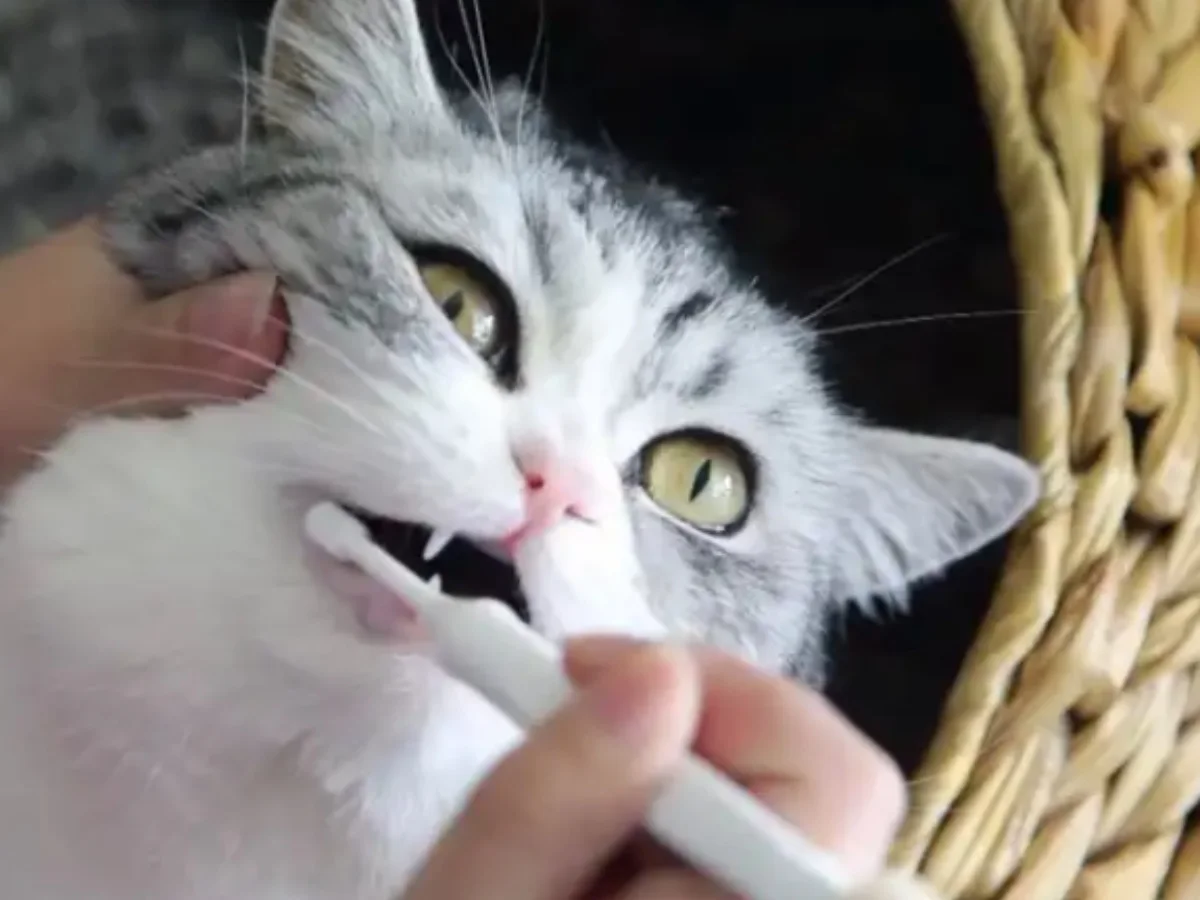

Does your dog really need regular dental care? Yes. Just like us, dogs need regular dental care too, and their oral health shouldn’t be overlooked. Brushing your dog’s teeth is a good daily habit to build, but plenty of dogs simply don’t like having their teeth brushed.
So, how to clean dog teeth without brushing? Here are a few simple methods that might help.
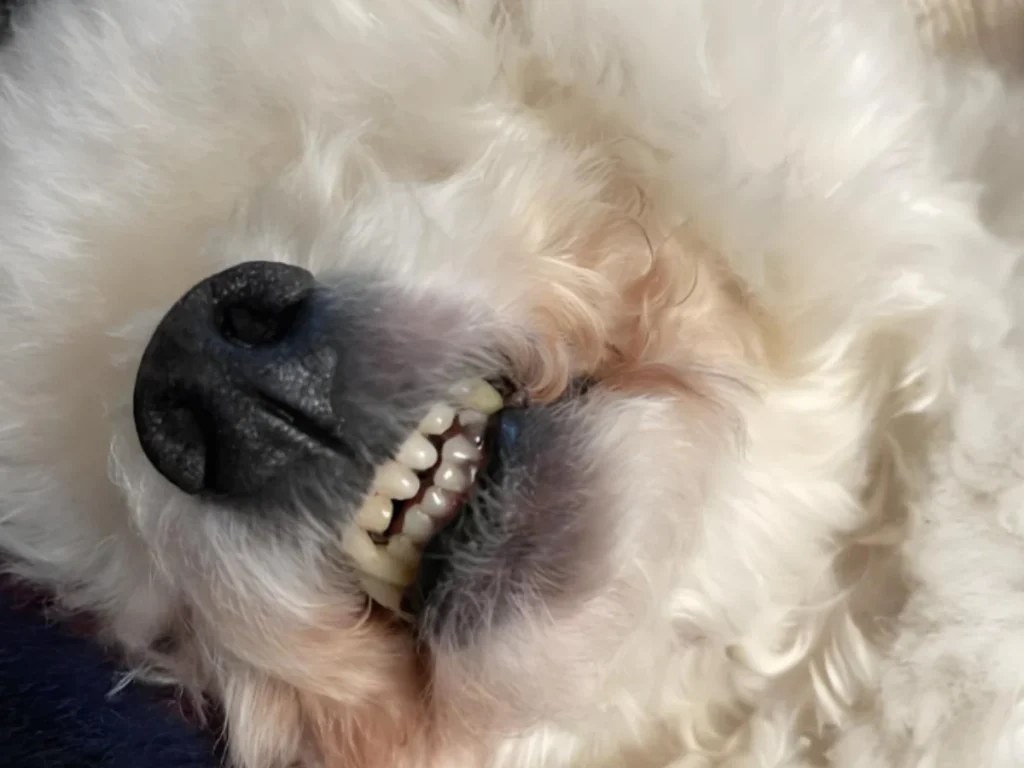
1. Why Is Dog Dental Care So Important?
A lot of dog owners overlook one thing: dental care really does matter for dogs.
Just because your dog seems to be eating and drinking normally doesn’t mean you can completely ignore their oral care. Food debris and plaque can build up over time, making the teeth look dirtier and their breath more noticeable.
That’s why I’ve started treating dental care as part of my dog’s regular grooming routine. It doesn’t have to take a long time every day. I simply choose methods that match my dog’s comfort level and are easy enough to stick with.
2. Ways to Clean Your Dog’s Teeth Without Brushing
To be honest, a toothbrush and pet toothpaste are still the gold standard. The methods below are only meant to provide extra cleaning and shouldn’t be considered a complete replacement for brushing.
Chew Toys
Chewing is something dogs naturally love. When my dog King Kong was younger, he loved chewing on pretty much everything. I’d come home after work and find that my shoes had been chewed until they were peeling and falling apart. Needless to say, it was pretty frustrating, haha.
Here’s a little tip I like to share:
Press your fingernail firmly against the surface of the toy. If you can make a small dent, the texture may be more suitable. If you can’t press into it at all, it may be too hard and could potentially damage your dog’s back teeth.
I also try to choose toys with textured surfaces, small bumps, or grooves, and pick a size that matches my dog’s body size and chewing habits. I prefer to keep an eye on my dog while they’re playing, and if the toy starts cracking or breaking into pieces, I take it away right away to prevent them from swallowing any pieces.
☀ Best for: Light everyday cleaning of the tooth surface, but it has limited reach between the teeth.
Dental Powder
This is a pretty convenient option because you don’t have to struggle to open your dog’s mouth. At mealtime, simply sprinkle the powder over their regular kibble or mix it into wet food they already enjoy.
Many dental powders contain ingredients such as probiotics or seaweed-based ingredients. When choosing one, I personally like to check the ingredient list and feeding instructions first.
☀ Tip: Dental powder doesn’t provide physical rubbing or brushing. Some of the powder may also stick to the bottom of the bowl, so I find it easier to mix it into wet food.
Dental Treats
There are all kinds of dental sticks and chew treats available, many with ridges or textured surfaces. As dogs chew on them, the texture can create some friction against the teeth and gums and help remove some of the soft buildup from the tooth surface.
When choosing dental treats, I usually look for products with VOHC information and choose an option that matches my dog’s size. Just remember that dental treats are still treats, so I wouldn’t give them in unlimited amounts.
☀ My honest take: They mainly help clean the outer surfaces of the teeth, while areas between the teeth and along the gumline can be harder to reach. I see them more as a nice extra rather than the whole dental-care routine.
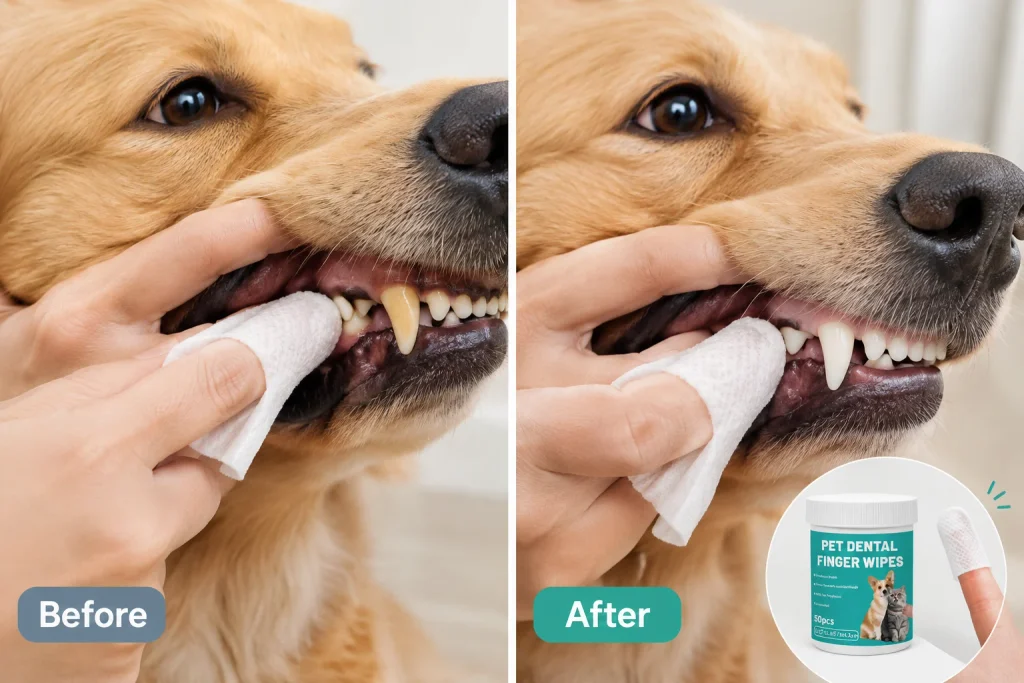
Dental Wipes
If your dog is also like my King Kong and really doesn’t like toothbrushes, dental wipes can be a nice option to try as a transition.
Here’s how I usually do it:
① Start by letting your dog get used to having their mouth and the area around it touched.
② Gradually move from gauze to dental wipes. Once your dog is comfortable and no longer seems bothered, you can move on to using the wipes.
③ Take out the wipe and wrap it around your finger. I recommend finger dental wipes because they fit more naturally around your finger and make it easier to reach your dog’s teeth.
④ Gently open your dog’s mouth and wipe the surface of the teeth.
☀ Tip: If your dog wants to walk away shortly after you start, don’t force them back. Take it slowly and work on it little by little. There’s no need to rush.
Dog-Safe Fruits and Vegetables
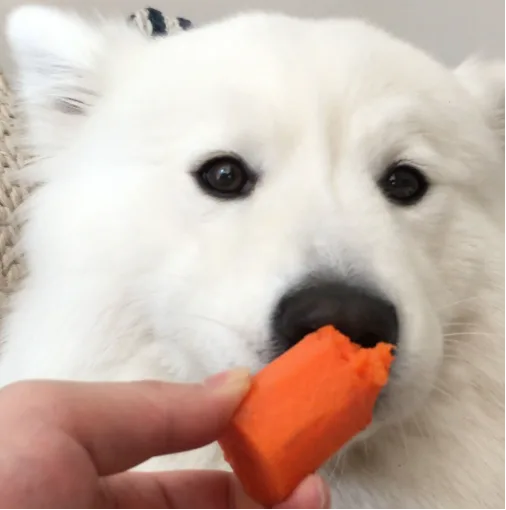
I occasionally give King Kong a small amount of carrot that’s suitable for his size. He loves the crunchy texture, and when he chews on it, it does create some light friction against his teeth.
But I personally see it more as a little everyday snack rather than a dedicated way to clean his teeth.
☀ Tip: Cut the pieces into a size that works for your dog, and keep an eye on them while they’re eating.
3. What Should I Pay Attention to in Daily Dental Care?
A sudden change in your dog’s breath;
Eating less enthusiastically than usual;
Noticeable changes in the way they chew;
Frequently pawing at their mouth;
A noticeable increase in drooling;
Their gums looking different from usual;
Visible buildup on the surface of the teeth, and so on.
4. Frequently Asked Questions
Can You Clean a Dog’s Teeth Without Brushing?
You can clean the surface of your dog’s teeth. I know some dogs see a toothbrush and immediately run away, but there are other ways to add some extra dental care to their routine.
Realistically: Things like dog dental finger wipes, textured soft chew toys, and dental sticks can use physical friction to help remove food debris and some soft buildup from the surface of the teeth.
The limitation: These methods have a hard time reaching deeper between the teeth or along the gumline. Over time, plaque can still build up in areas that are difficult to reach and may eventually harden into tartar.
How Can I Clean My Dog’s Teeth Naturally?
Using food for gentle physical chewing is one natural option. Raw carrots, for example, have a crunchy texture, and when dogs chew them, the fibers can lightly rub against the surface of the teeth and help remove some freshly stuck food debris. They’re also quite appealing to many dogs and can provide some vitamins as part of their diet.
-
Sale!
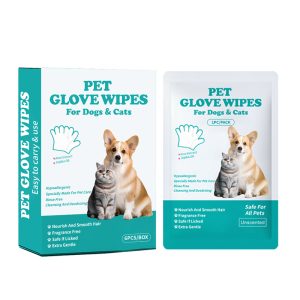
Disposable hand wipes for pet cleaning paws and body fur no irritation
Original price was: $8.98.$4.49Current price is: $4.49. Add to cart -
Sale!

Natural Cat Repellent Spray Safe for Pets and Furniture
Original price was: $8.99.$6.99Current price is: $6.99. Read more -
Sale!
Pet Deodorizing Spray 60ml – Portable Pocket Odor Remove
Original price was: $4.19.$3.99Current price is: $3.99. Add to cart