
Have you ever experienced this: your beloved dog has tear stains, and you’ve tried all sorts of methods without success? The most likely problem lies in its diet. An improper diet is one of the reasons for these annoying tear stains, as fillers and preservatives in some foods can cause chemical waste to accumulate in a dog’s eyes, ultimately leading to tear stains. This article explores the relationship between food and tear stains and provides some suggestions on how to prevent them.
Porphyrins cause tear stains
The primary cause is the production of porphyrins. Porphyrins are pigments naturally produced in a dog’s body. These molecules contain iron and are reddish-brown in color. Porphyrins are mainly produced in the bones and liver and are usually excreted through the intestines or kidneys. Porphyrins are also excreted through tears, paws, saliva, and sweat . When porphyrins are excreted through tears and oxidize in the air, they leave reddish-brown stains—this is the color of tear stains. Tear stains are particularly noticeable in light-colored coat breeds. Increased porphyrin production is the result of many factors. For example, stress, inflammation, and an unbalanced diet can all lead to increased porphyrin production. If you notice significant tear stains on your dog, please take them to the vet immediately to rule out any health risks.
What foods can cause tear stains?
Reddish-brown tear stains under a dog’s eyes can be caused by certain foods. Many factors in a dog’s diet can contribute to tear stains.
- Dog food containing cheap fillers and artificial additives: These dog foods not only have low nutritional value, but also have a negative impact on the dog’s overall health, and may even lead to excessive eye discharge and worsening of tear stains.
- Foods that trigger allergies: Many dogs have food allergies or intolerances, with common triggers including wheat, certain proteins, dairy products, etc. When a dog ingests an intolerant food, its body will experience inflammation and increased tear production, which greatly increases the likelihood of tear stains.
- Excessive iron content: Too much mineral (such as iron) can affect the color of a dog’s tears, making them appear darker.
- Highly processed foods: These typically contain high levels of carbohydrates and low-quality protein, making them difficult for dogs to digest. Indigestion can also lead to a variety of health problems, including tear stains.
How to reduce tear stains through a scientific diet
- High-quality nutrition: Ensuring your dog has a balanced diet rich in high-quality protein, balanced carbohydrates, and healthy fats helps with overall health, boosts immunity, controls inflammation and viral infections, and thus reduces tear stains.
- Avoid allergens: If you suspect your dog has a food allergy, consult a veterinarian to rule out the food allergen.
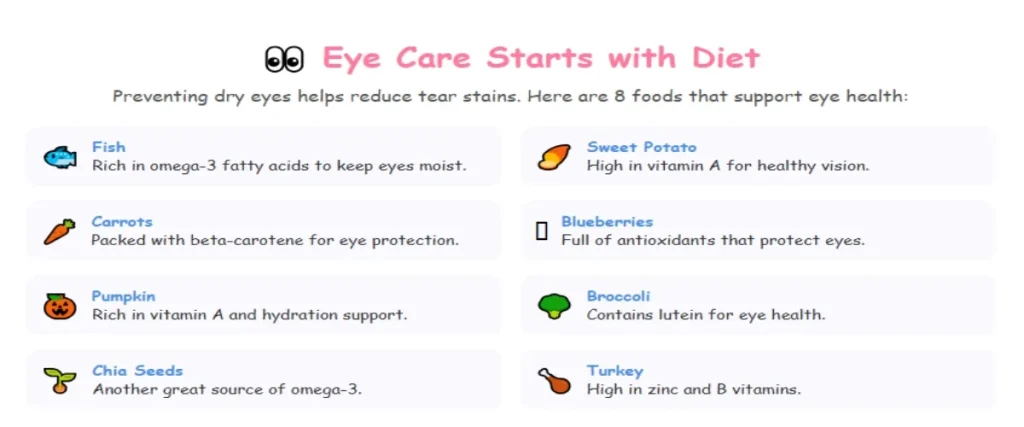
- Antioxidants: Adding antioxidant-rich foods to a dog’s diet can help control inflammation in the body. These foods include vegetables, berries, and certain types of fish.
- Ensure your dog gets enough water: Adequate hydration helps dogs eliminate toxins from their bodies, maintain their health, and thus reduce tear stains.
- Clean dog bowls: Bacteria and mold can grow in food and water bowls, potentially leading to increased tearing. Stainless steel bowls are recommended because they are less prone to bacterial growth and are easy to clean.
How to Remove Tear Stains at Home: Step-by-Step Guide
In addition to adjusting your dog’s diet, regular cleaning can help significantly reduce tear stains. Here’s a safe and simple way to do it at home:
- Gather your supplies: You’ll need a soft, clean cloth or cotton pads, warm water, and optionally a vet-approved tear stain remover solution. Avoid harsh chemicals or alcohol-based products.
- Wash your hands thoroughly before touching your dog’s face to prevent introducing bacteria.
- Soften the stain: Moisten the cloth or cotton pad with warm water and gently press it against the stained area for a few seconds. This helps loosen the dried porphyrins.
- Wipe gently: Using soft, circular motions, wipe the area from the inner corner of the eye outward. Do not rub harshly, as the skin around the eyes is delicate.
- Apply a safe pet eye wipe: If using a tear stain eye wipe, follow the product instructions. Usually, simply wipe gently with a pet wipe.
- Repeat daily: For best results, clean the area once or twice daily until the stains gradually lighten. Combine this with a proper diet and clean water bowls to prevent recurrence.
- Monitor your dog: If the tear stains persist, worsen, or are accompanied by redness, swelling, or discharge, consult your veterinarian to rule out infection or underlying health issues.
With consistent care, you can keep your dog’s eyes clean and reduce tear stains, while supporting overall health through a balanced diet.
FAQ
Does excessive protein intake cause tear stains in dogs?
Protein is an essential component of a dog’s diet, but excessive intake, especially of low-quality protein, can lead to tear stains. A balanced protein intake is key; the amount should be scientifically planned based on your dog’s size, protein quality, and age.
What foods can help prevent eye diseases in dogs?
These foods are all helpful for maintaining eye health: fish, sweet potatoes, carrots, broccoli, chia seeds, blueberries, turkey, etc.
Are prebiotics good for dogs’ tear stains?
Yes, although prebiotics do not directly affect tear stains, they have a significant positive effect on a dog’s overall health. When a dog is healthy, naturally, tears and tear stains will be significantly reduced.
Conclusion: Allowing dogs to live a tear-stain-free life
Actually, dealing with tear stains in dogs isn’t difficult. As long as you understand the impact of diet on dogs and make timely changes, you can see significant results. All you need to do is ensure your dog receives a nutritionally balanced diet and regular cleaning. A dog’s health is closely related to our own lives; a happy and healthy dog will undoubtedly bring us joy.
-
Sale!

disposable Finger-shaped dental cleaning wipes for pets fresh breath
Original price was: $6.68.$3.34Current price is: $3.34. Add to cart -
Sale!
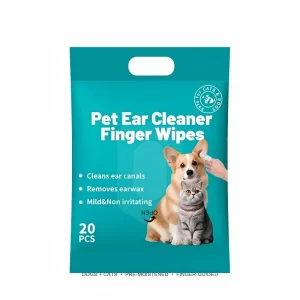
Gentle Neutral pH Round Pet Eye Wipes Tear Stain Removal
Original price was: $5.98.$2.99Current price is: $2.99. Add to cart -
Sale!
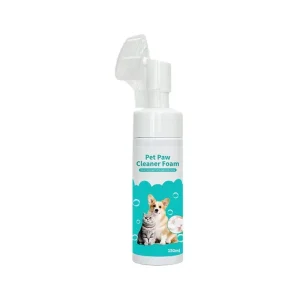
Foaming dog body cleaner with a silicone brush for pet paws no rinsing
Original price was: $8.98.$4.49Current price is: $4.49. Add to cart