
Spraying fragranced air fresheners or lighting scented candles might offer temporary relief, but masking organic scents with heavy synthetic fragrances only creates a suffocating mix of “perfume and pet odor.” Achieving true, long-lasting pet odor elimination in your home requires a targeted strategy that addresses the root cause: removing trapped pet dander, skin lipids (sebum), and uric acid crystals from carpets and furniture.
In this comprehensive guide, you will learn how to get rid of pet odor in house spaces permanently—using safe, non-toxic, and proven methods that protect both your indoor air quality and your pet’s health.
Quick Answer: How to Get Rid of Pet Odor in the House (30-Second Summary)
To permanently eliminate pet odors from your home, follow this science-backed, four-step system:
- Control the Source (Grooming): Brush your pet 2–3 times weekly to remove trapped dander and loose fur; wipe down their paws and belly after walks; stick to a proper bathing schedule so you don’t strip their natural skin oils.
- Break Down Organic Accidents (Chemical Neutralization): Use an enzymatic cleaner on urine, vomit, or saliva spots to break down uric acid crystals—never rely on standard surface disinfectants.
- Extract Odors from Fabrics (Physical Absorption): Sprinkle baking soda over carpets and furniture, let sit for 30 minutes, then vacuum thoroughly. Wash pet bedding weekly with hot water and white vinegar.
- Purify the Indoor Environment (Air Filtration): Run an air purifier equipped with a HEPA filter and activated carbon, change HVAC filters regularly, and maintain daily home ventilation.
Understanding the Root Causes of Indoor Pet Odors
Indoor pet odors mainly stem from volatile gases produced when bodily waste, skin secretions, and food residues are broken down by microbes (bacteria and yeast). These gases then penetrate deep into household fabrics and furniture, causing persistent odors.
Every dog and cat possesses a microscopic ecosystem living on their skin surface. Understanding how this ecosystem interacts with your home environment reveals why simple air fresheners are bound to fail.
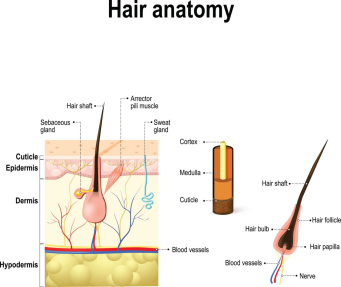
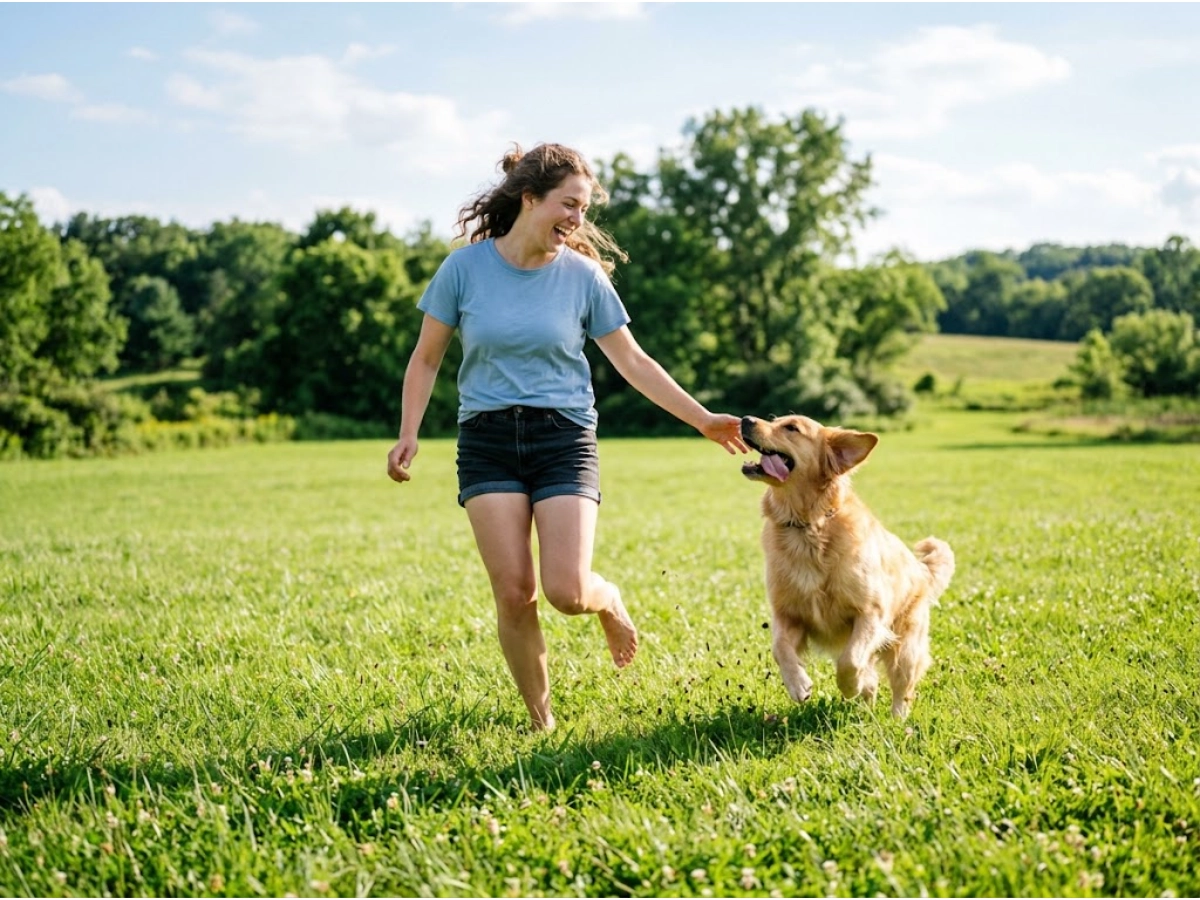
Image Source: ttsz / Getty Images
Bodily Waste Odors
Urine and feces contain substances like urea and proteins. Driven by bacterial activity, they rapidly break down and release pungent gases such as ammonia, hydrogen sulfide, indole, and trimethylamine.
Sebaceous Gland Secretions (Natural Skin Oils)
Embedded inside every hair follicle on your pet’s body is a sebaceous gland. These glands continuously secrete sebum—a complex mix of lipids, wax esters, and fatty acids. Sebum acts as a natural waterproof barrier that hydrates the skin and keeps the coat shiny. However, these lipid molecules are naturally sticky, readily absorbing ambient smells while trapping shed skin flakes (pet dander).
The Skin Microbiome & Organic Decomposition
Your pet’s skin is naturally populated by resident bacteria (such as Staphylococcus) and yeast (such as Malassezia). These microscopic organisms feed on natural skin oils and dead skin cells. As microbes break down these lipids, they release volatile organic compounds (VOCs)—including organic acids and sulfur compounds—which together create your pet’s signature scent profile.
| Component | Biological Function | How It Contributes to Household Odor |
|---|---|---|
| Sebum (Skin Oils) | Protects and hydrates skin/coat | Traps dust, absorbs environmental smells, and serves as food for bacteria. |
| Pet Dander | Dead skin cells continuously shed | Settles into carpet fibers and furniture upholstery, decomposing over time. |
| Microbial Flora | Normal balance of bacteria and yeast | Metabolizes lipids into volatile organic compounds (VOCs). |
| Saliva & Tears | Bodily fluid secretions containing proteins | Dried proteins on fur break down into stale, sour smells. |
The Science of Humidity
If you’ve ever wondered why your home smells significantly stronger on rainy days or during humid summer months, the answer lies in simple organic chemistry:
Why Moisture Amplifies Odor: Water molecules break the weak chemical bonds between organic compounds and your pet’s fur. As these organic acids evaporate alongside water vapor into the surrounding environment, they carry concentrated volatile compounds straight to your nose.
Furthermore, high humidity and pet odor are closely linked because elevated indoor air moisture creates an ideal breeding ground for yeast and bacteria trapped in fabrics, carpets, and pet bedding. As ambient humidity rises above 50–60%, these microorganisms metabolize organic matter at an accelerated rate, turning silent pet dander into an active odor generator.
Veterinary Guidelines & Insights:
According to VCA Animal Hospitals’ science guidance on pet shampoo (“True or False: Human shampoo on pets”), human skin is slightly acidic (pH 5.2–6.2), whereas dog and cat skin is much closer to neutral (pH 6.2–7.5). Using acidic human shampoos disrupts your pet’s protective acid mantle and strips away essential lipids, leaving their skin exposed to bacteria and parasites—which ultimately leads to worse body odor and skin irritation.
Pet Grooming and Hygiene: Preventing Odor at the Source
Preventing pet odor at the source centers on inhibiting microbial growth, cleaning neglected gland areas, and managing digestive health. Here is a targeted plan for different areas of your pet’s body:
Skin & Coat Management
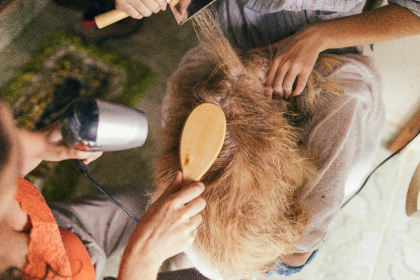
Fur and sebum are breeding grounds for bacteria, so bathing and routine care must be both moderate and thorough
- Regular Brushing for Loose Fur (2–3 Times Weekly): Use a slicker brush or deshedding tool to clear away dead hair, loose fur, and dander before they decay on your pet’s coat or shed onto carpets. Whenever possible, brush outdoors to prevent airborne dander from settling inside.
- Bathing Frequency (Every 4–6 Weeks): Unless your pet rolls in mud or mess, the American Kennel Club (AKC) recommends bathing most dogs every 4 to 6 weeks. Over-bathing strips the skin barrier, forcing sebaceous glands to produce even more lipid oils—ironically worsening body odor.
- Shampoo Selection: Always choose a pH-balanced, sulfate-free pet shampoo formulated with soothing ingredients like oatmeal or aloe vera. This cleans your pet without stripping away essential skin oils.
- Blow Dry Thoroughly: Always dry your pet’s undercoat completely with a blow dryer after bathing. Damp undercoats warmed by body heat quickly turn into a breeding ground for bacteria, producing a sour, fermented smell.
Establishing a simple 2-minute entryway cleaning routine will drastically cut down indoor odor buildup:
- Keep Pet Wipes Handy: Use hypoallergenic, alcohol-free paw wipes after every walk to gently clean paw pads, crevices, and underbellies.
- Check Paws & Feathering: Pay close attention to long leg fur (feathering), where damp street residue easily clings and breeds sour smells.
- Dry Damp Fur Immediately: If your pet gets caught in the rain, towel them dry completely before letting them loose in the house. Remember: moisture triggers the volatile organic compounds responsible for wet dog smell.
Hidden Odor Hotspots: Ears & Dental Health
If your pet’s coat is clean and brushed but a sour or metallic smell still fills the room when they walk in, check these two commonly overlooked culprits:
Ears (Yeast & Bacterial Overgrowth)
At-Risk Breeds: Floppy-eared dogs (such as Spaniels, Retrievers, and Hounds).
Cause: Floppy ears trap heat and moisture inside the canal, creating an ideal breeding environment for yeast (Malassezia) and bacteria. Ear infections produce a distinct sweet-and-sour, cheesy odor.
Action: Inspect your dog’s ears weekly for redness, dark discharge, or frequent head shaking, and clean them with a vet-approved ear cleansing solution.
Oral Hygiene & Pet Bad Breath
Severe bad breath isn’t just unpleasant—it’s a warning sign of periodontal disease. As plaque and tartar accumulate near the gumline, anaerobic bacteria multiply rapidly, releasing volatile sulfur compounds that fill the room every time your dog pants or licks their coat.
Dental Care: Brush your pet’s teeth 3–4 times weekly using pet-safe enzymatic toothpaste. For daily maintenance, consider dental gels, water additives, or chews approved by the Veterinary Oral Health Council (VOHC). If severe tartar buildup and breath odor already exist, schedule a professional ultrasonic scaling session at your vet’s office.
Diet & Internal Health
- Upgrade Diet Quality: Choose high-digestibility, premium pet food low in filler grains. Low-quality diets can lead to indigestion, flatulence, soft stools, and pungent body odor.
- Add Probiotics & Omega-3s: Incorporate pet-specific probiotics to aid gut digestion, and supplement with fish oil to boost skin health and reduce odor caused by skin inflammation.
By mastering coat maintenance, enforcing a strict entryway routine, and keeping tabs on ear and dental health, you can stop up to 80% of household pet odors right at the source.
How to Deep Clean Carpets, Furniture, and Pet Bedding
The key to deep-cleaning carpets, furniture, and pet bedding is breaking down stubborn organic matter (urea, skin lipids) and extracting deep-seated grime—never settle for superficial surface wipes.
Why Standard Cleaners Fail to Remove Pet Urine Odors
When using conventional soaps or steam cleaners that lack enzymatic agents, heat and surface surfactants wash away the urea, but leave the underlying uric acid crystals completely intact. As soon as ambient humidity rises, moisture reactivates these crystals, causing them to re-release pungent ammonia gas.
The reason lies in the unique molecular structure of pet urine:
- Urea and Creatinine: These water-soluble compounds are easily washed away by standard carpet shampoos or dish soap.
- Uric Acid Crystals: Uric acid is non-water-soluble and forms microscopic, insoluble salt crystals that bind tightly to carpet fibers, subfloors, and upholstery padding.
That’s why you must always use a specialized enzymatic cleaner for pet accidents.
Deep Cleaning Carpets
Vacuum Thoroughly: Use a high-powered vacuum equipped with a motorized pet hair or anti-allergen attachment. Vacuum in crisscross patterns to pull out deep-seated dander and loose undercoat.
Targeted Enzymatic Breakdown: Blot fresh urine spots with paper towels first, then saturate the area with a generous amount of enzymatic cleaner. Let it soak deep into the carpet fibers for at least 15 minutes to digest odor sources.
Baking Soda Odor Extraction: Liberally sprinkle pure baking soda over foul-smelling areas. Leave it overnight to draw out moisture and absorb trapped odor molecules, then vacuum it up completely the next day.
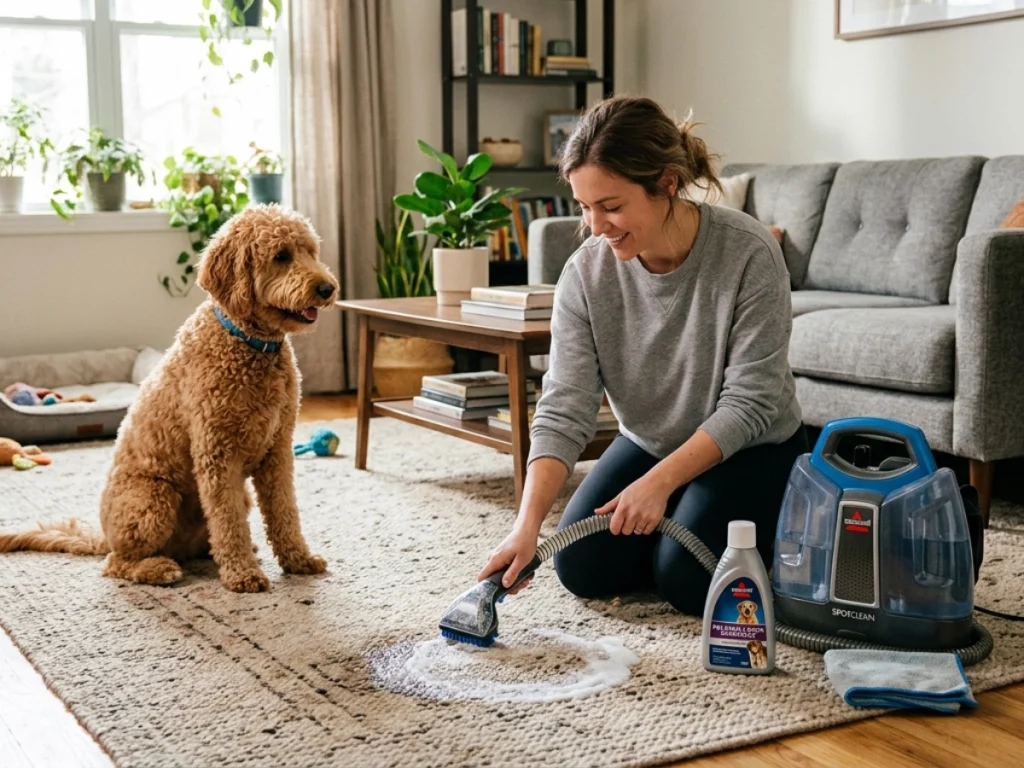
Deep Steam Extraction: Every six months, use a carpet extractor or spot cleaner with warm water to deep-rinse and extract trapped grime across all carpeted areas.
Cleaning Fabric & Leather Furniture
- Removable Fabric Covers: Zip off sofa and chair covers. Wash them in warm water (100°F+) using a pet-safe laundry detergent or laundry sanitizer.
- Non-Removable Upholstery: Spray with fabric cleaner, then sanitize with a high-temperature dry steam cleaner to kill dust mites and bacteria. Blot dry firmly with clean towels.
- Leather Furniture Protection: Liquid penetrating leather is tough to fix. Blot urine instantly with paper towels, wipe with a damp cloth and leather-safe deodorizer, avoid direct sunlight, and condition the leather once dry.
Pet Bedding: High-Heat Sterilization & De-greasing
Pet beds come into direct, daily contact with skin lipids, making them hotspot grounds for dust mites and yeast.
- Soak Bed Covers: Unzip bed covers and soak them for 20 minutes in pet-safe enzymatic detergent to break down trapped skin oils and dried saliva.
- High-Temp Wash: Machine-wash covers in hot water (140°F/60°C+) to sterilize bacteria, fungi, and parasite eggs.
- Sun-Cure Foam Inserts: Non-washable foam inserts should be sprayed with a pet-safe odor neutralizer and sunlit outdoors for at least 4 hours.
- Dry Completely: Ensure bed covers are 100% dry before zip-reassembly; damp cotton or foam will rapidly breed severe mildew odor.
The Baking Soda Dry-Absorption Method
Unlike commercial carpet deodorizer powders that rely on heavy synthetic fragrances (which irritate sensitive pet airways), pure baking soda (sodium bicarbonate) is a natural alkaline compound that absorbs acidic volatile compounds.
- How to Apply: Liberally sprinkle pure baking soda over dry carpets, fabric sofas, or dog cushions.
- Dwell Time: Let sit for at least 30 to 60 minutes (or overnight for stubborn odors).
- Removal: Vacuum thoroughly using a high-powered vacuum equipped with a sealed HEPA filtration system so fine powders aren’t re-released into the room.
White Vinegar: The Pet Bedding Laundry Booster
Dirty pet bedding is often the single biggest culprit behind lingering dog smell in a home. Skin lipids continuously settle into fleece and foam covers, growing rancid over time.
| Wash Phase | Recommended Additive | Purpose & Chemical Action |
|---|---|---|
| Wash Cycle (Hot Water) | 1 cup White Vinegar + Unscented Detergent | Acidic vinegar breaks down stubborn lipid buildup and neutralizes basic odor compounds. |
| Rinse Cycle | 1/2 cup Baking Soda (dissolved) | Balances pH levels and leaves fabric fresh without artificial fragrance residue. |
| Drying Cycle | Low Heat / Tumble Dry with Wool Dryer Balls | Prevents fabric melting and eliminates moisture where yeast thrives[cite: 1]. |
After years of living in a multi-pet household, I realized that playing defense is far easier than constantly deep-cleaning filthy sofa cushions.
Here is my practical strategy for keeping furniture fresh:
- Invest in Washable Pet Beds: Avoid pet beds with non-removable, non-washable foam cores. Always buy beds featuring heavy-duty zipped covers that can handle weekly machine washing.
- Use Waterproof Furniture Throws: If your pets lounge on the couch, cover main seating areas with stylish, machine-washable waterproof throw blankets. Wash these every 7 to 10 days alongside your pet’s bedding.
ASPCA Safety Standard: The ASPCA Animal Poison Control Center (APCC) warns pet parents against using cleaning products containing phenols (commonly found in pine-scented disinfectants) or quaternary ammonium compounds (such as benzalkonium chloride). These chemicals can cause severe oral ulcers, chemical burns, and respiratory distress in dogs and cats. Always opt for non-toxic, pet-safe enzymatic cleaners and natural alternatives like baking soda
While enzymatic cleaners work wonders on fabric sofas and carpets, pet-specific furniture is often the hidden culprit of lingering room odors. Traditional carpet-covered cat towers act like giant sponges for pet dander, skin oils, and occasional accidents, yet they are nearly impossible to deep clean. If your cat’s favorite spot is a constant source of smell, consider swapping it for a modern solid wood cat tree. Smooth, non-porous surfaces don’t trap odors and can simply be wiped down with a pet-safe cleaner, cutting your cleaning time in half.
Air Purification and Ventilation: Clearing Pet Dander from the Environment
Achieving true, long-lasting indoor air quality requires pairing surface cleaning with continuous, active air filtration and proper ventilation.
HEPA Air Purifiers + Activated Carbon
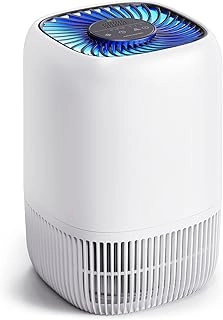
When shopping for an air purification system for a pet-friendly home, understanding filtration technology is essential. Single-stage or basic mesh filters won’t solve persistent pet odors. You need a two-pronged filtration strategy:
- True HEPA Filter (Particle Capture): High-Efficiency Particulate Air (HEPA) filters physically trap particles down to 0.3 microns with 99.97% efficiency. This includes floating pet dander, dust mites, dried saliva, and airborne mold spores that carry odors and trigger allergies.
- Activated Carbon Filter (Gas Absorption): While HEPA filters capture solid particles, they cannot catch gaseous odor molecules. That’s where an activated carbon filter becomes essential. Activated charcoal is treated with millions of micropores to chemically bind volatile organic compounds (VOCs) and pet odor molecules, neutralizing them on contact.
Natural Ventilation and Pet-Safe Houseplants
While mechanical filters do heavy lifting indoors, never underestimate the power of natural air exchange and houseplant greenery.
Daily Cross-Ventilation (Home Ventilation)
Opening windows on opposing sides of your home for 10 to 15 minutes each morning creates a cross-breeze that flushes out trapped carbon dioxide, humidity, and volatile odor compounds. Even during winter, a quick flush of fresh outdoor air significantly improves ambient freshness.
Enhancing Air Quality with Pet-Safe Houseplants
Indoor plants naturally oxygenate living spaces while absorbing trace VOCs. However, many common houseplants (such as Philodendrons, Lilies, and Pothos) are toxic to dogs and cats if ingested.
Always stick to certified non-toxic plant varieties:
- Spider Plant (Chlorophytum comosum): Completely non-toxic to pets; highly effective at absorbing trace formaldehyde and xylene from indoor air.
- Areca Palm (Dypsis lutescens): A pet-safe palm that acts as a natural indoor humidifier and air freshener.
- Boston Fern (Nephrolepis exaltata): Safe for curious pets while thriving in humid areas like bathrooms or kitchens where odors linger.
EPA Indoor Air Quality Insights
Addressing indoor air pollutants is not just about pleasant fragrances—it directly impacts long-term respiratory health for both humans and animals.
Q1: How do enzyme cleaners break down pet urine odors?
Enzyme cleaners contain specific biological proteins (such as protease and lipase) that eat and break down the uric acid and proteins in pet urine into water and carbon dioxide. This permanently eliminates the odor source rather than masking it.
Q2: Can I use essential oils to safely reduce dog smell in my house?
Proceed with caution. While some mild oils like lavender may be fine in low amounts, many essential oils (such as tea tree, citrus, eucalyptus, and peppermint) are toxic to dogs and cats. Activated charcoal bags and baking soda are much safer, non-toxic alternatives.
Q3: Why does my house still smell like dog after cleaning the floors?
While hardwood or tile floors may be clean, pet odors sink deeply into soft surfaces like carpets, curtains, sofa upholstery, and rug padding. Additionally, dirty HVAC filters or unwashed pet bedding continuously recirculate stale smells throughout the house.
Q4: How often should I wash my pet’s bedding to keep the house fresh?
You should wash pet bedding at least once a week in hot water with pet-safe, unscented detergent and white vinegar to strip away accumulated natural skin oils, dirt, and trapped pet dander.
-
Sale!
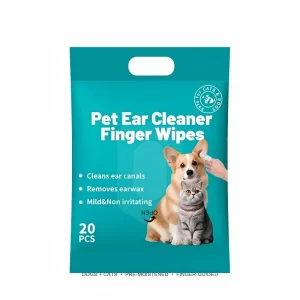
Gentle Neutral pH Round Pet Eye Wipes Tear Stain Removal
Original price was: $5.98.$2.99Current price is: $2.99. Add to cart -
Sale!
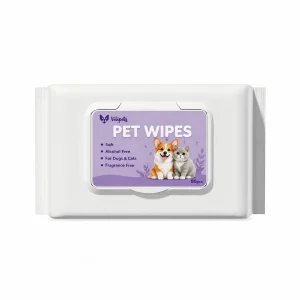
disposable antibacterial dog wipes eliminate odors suitable for ears/paws/underbody areas relieving itching
Original price was: $4.29.$2.99Current price is: $2.99. Add to cart -
Sale!
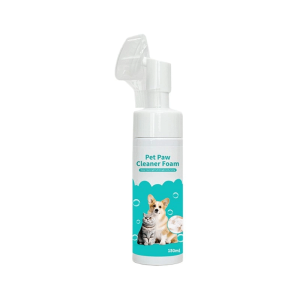
150ml No-Rinse Pet Paw Cleaner Foam – Waterless Paw Washer
Original price was: $7.19.$5.99Current price is: $5.99. Add to cart